Returning to the Jungle:
The extraordinary 11thC ruins of Preah Khan Kompong Svay lie about one hundred kilometres from Angkor Wat, and are not to be confused with the other Preah Khan in Siem Reap (famous to some as the location of Tomb Raider.)
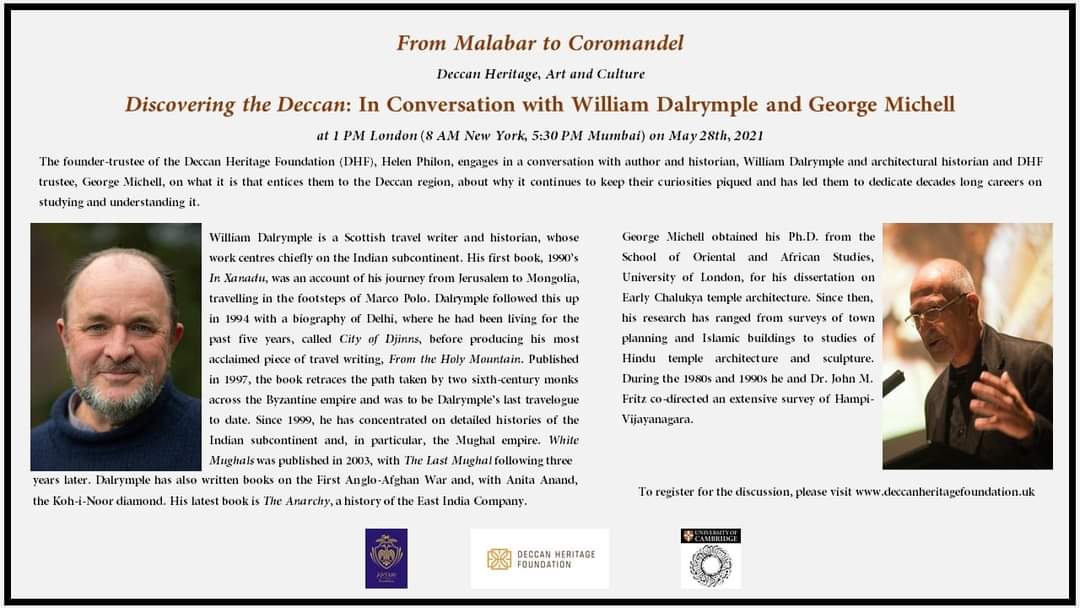
Speaking at lunchtime with the legendary George Michell on his lifelong engagement with #Deccan art and architecture, and why the wonders of the Deccan need to be better known. Today, Friday, 28 May, 1pm BST. Registration is still open: https://t.co/xNdMYMLFHS
For sale: a large and unique bronze palanquins pole end shaped as a lion’s head, Karnataka (India), early 18th century. Very heavy sculpture: 2788 gram #india#indianbronze#antique#lion#karnataka#asianart https://t.co/SpcgbNRQ6R
For sale: a large and unique bronze palanquins pole end shaped as a lion’s head, Karnataka (India), early 18th century. Very heavy sculpture: 2788 gram #india#indianbronze#antique#lion#karnataka#asianart https://t.co/SpcgbNRQ6R
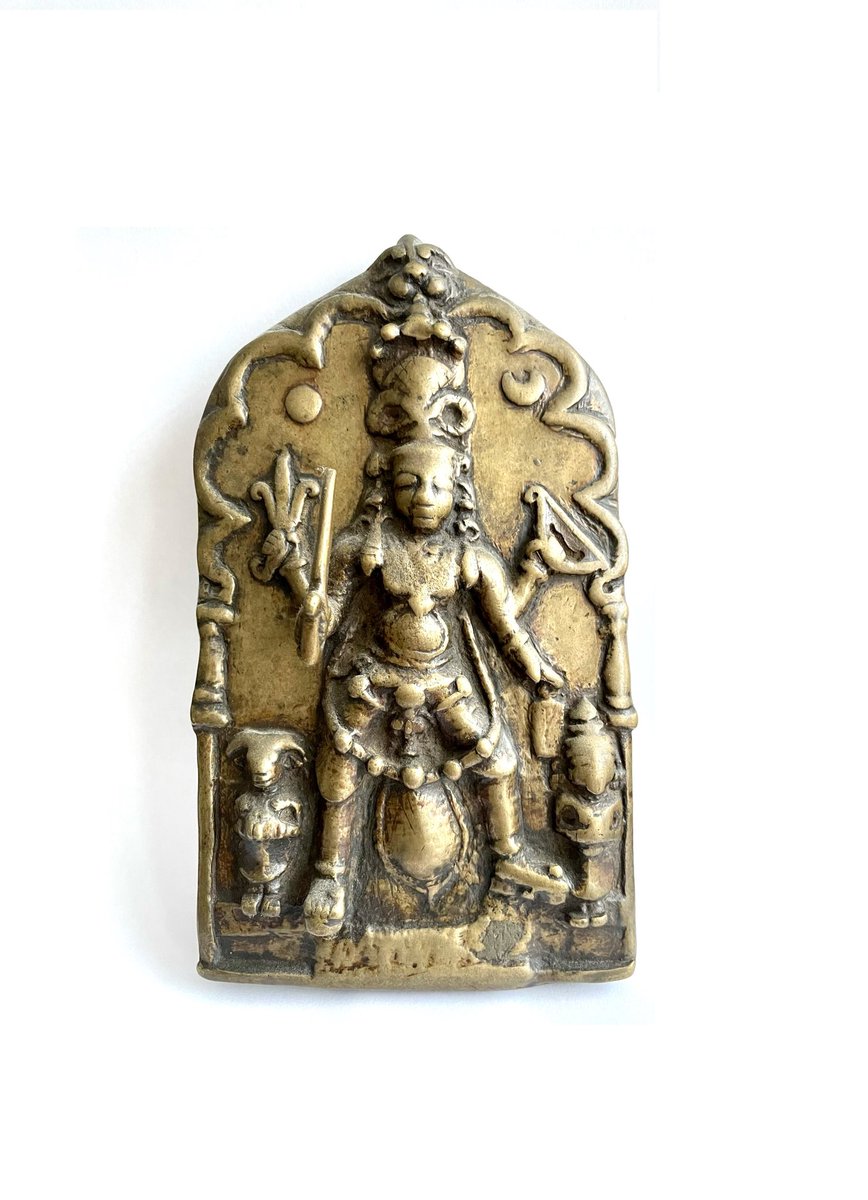
She is entwined by hooded cobras and the flywhisk in her right hand is also wrapped with cobras. The worship of snakes as a symbol of death and ephemerality in South India is not uncommon. She wears a typical South Indian conical mukuṭa and has a third eye. via @peterdebruijn
She is standing in the samabhaṅga pose with incisions in her body to suggest an emaciated form like an ascetic. In the Devī Bhāgavata, the goddess is described as the great ascetic and mother of the great Muni Āstīk. Therefore she is also known as Āstīka mātā.
Bronze Nāgamātā, Early 19th century, South India, bronze
A local rare depiction of Pārvatī in the form of Nāgamātā (नागमाता), the mother of snakes. It refers to the stories related to Manasā Devi (मनसादेवी), the goddess of snakes, as described in the Bhāgavatapurāṇa.