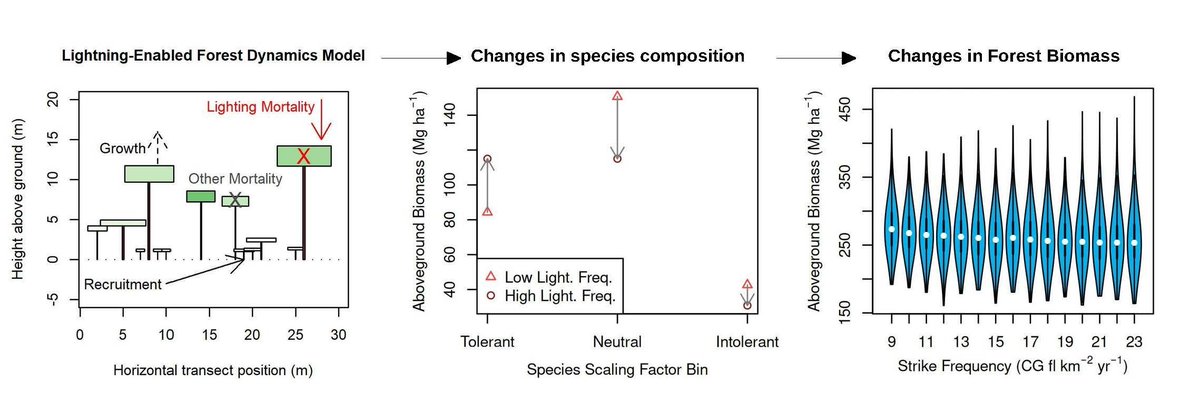
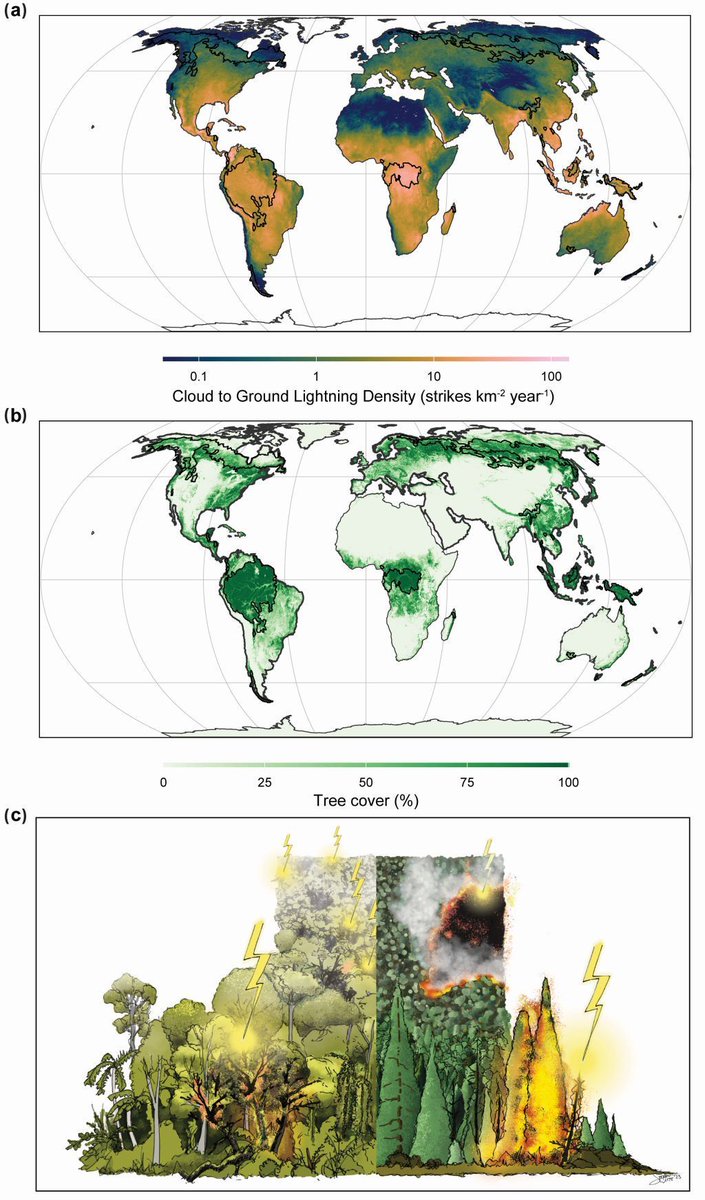
Compositional Acclimation Can Lessen Tropical Forest Change in Response to Increasing Lightning Frequency: Insights From Simulation Modeling
🔗 https://t.co/Y192FYxe9r
🌿A great review integrates existing studies in new ways to promote discussion & offer new ideas & directions in plant ecology 🌷
📰Read more about our reviews in our latest blog post 👇
https://t.co/UpS8cPkPqV
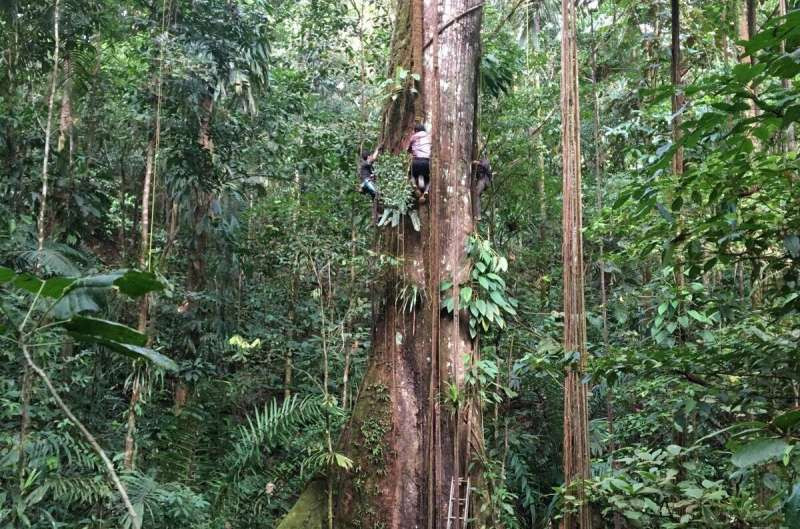
🌳 There is a weak growth-survival trade-off among temperate tree species. Late developmental stands showed a strong positive association between species’ growth and survival🌍
📖 Read more: https://t.co/2fcwUr9SCf
The call for proposals for the 2025 ForestGEO Research Awards Program is now open! 🚨 Students & postdocs encouraged to apply 🌿 For full award details and how to apply, click here: https://t.co/CJ9VL52g5S
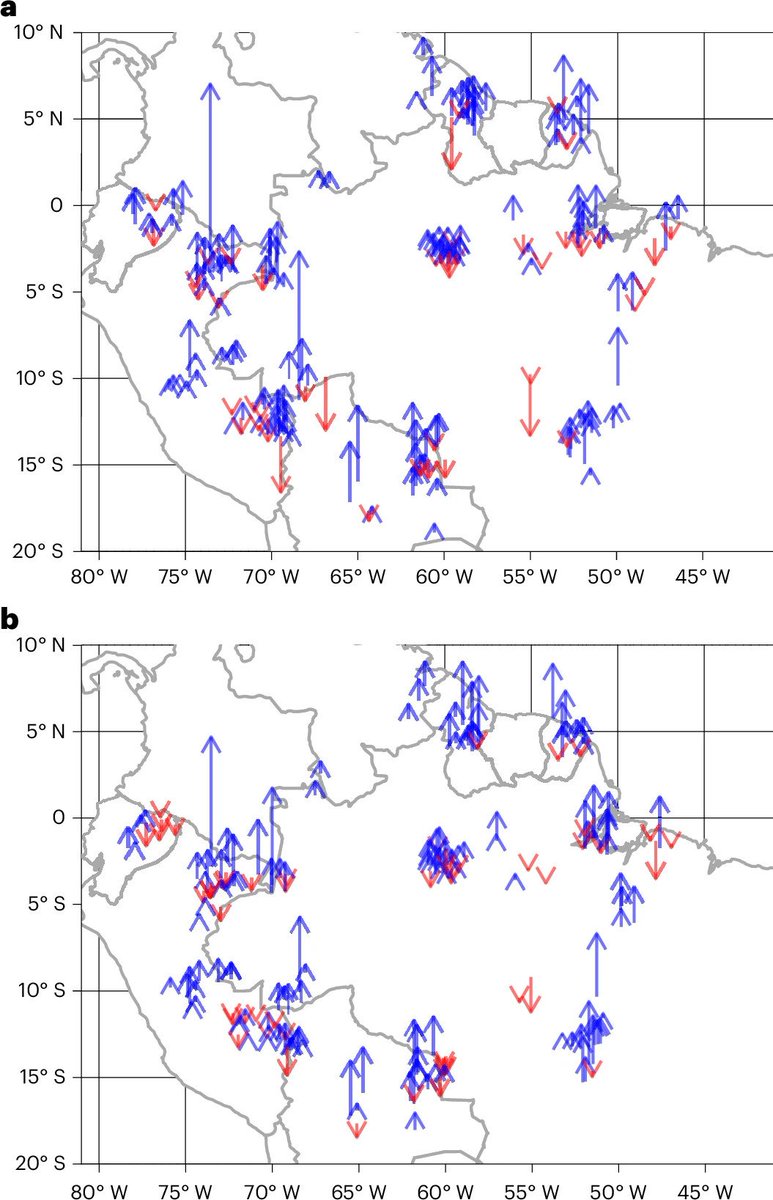
Big trees are on the rise.
30 years of Amazon forest measurements by RAINFOR partners show that, so far, any impact of #climatechange on forests and large trees have been more than mitigated by the positive effects of increased resources.
https://t.co/umPt28YVYj
🌱🦠 Soil biodiversity is important as plant biodiversity in determining multifunctionality and its stability with increasing number of global change factors. 👉 https://t.co/YtLFhBjpOa
🦌Tree diversity boosts tree growth, but why? This study shows: foliar chemical diversity influences tree enemies- more diverse forests have more diverse chemicals which attracts more caterpillars but better resists pathogens & deer, driving better growth
https://t.co/f5qqw1YgWD
#pdra#postdoc
Research Fellow in Tropical American Forest Dynamics. We are looking for a scientist with strong quantitative skills focused on forests to lead ecological change analyses with a global team including RAINFOR, PPBio + other networks.
https://t.co/lxvQkVOrSv
Between savannahs and swamp forests populated by fragile #species, the Lake Tele #Community Reserve embodies a rare ecological balance that is now threatened by the effects of #climatechange.
Le Courrier de la Nature highlights the Reserve (French only): https://t.co/4M3dnNVuJ1
📢#CuttingvEdgeTools Friday, May the 30th, at 2 PM CEST, @DylanJCraven will close our cycle of webinars on databases with "Key questions in functional biogeography", leveraging regional trait databases and with examples from Rasgos-CL. Join for free at https://t.co/XRffdDBFsC
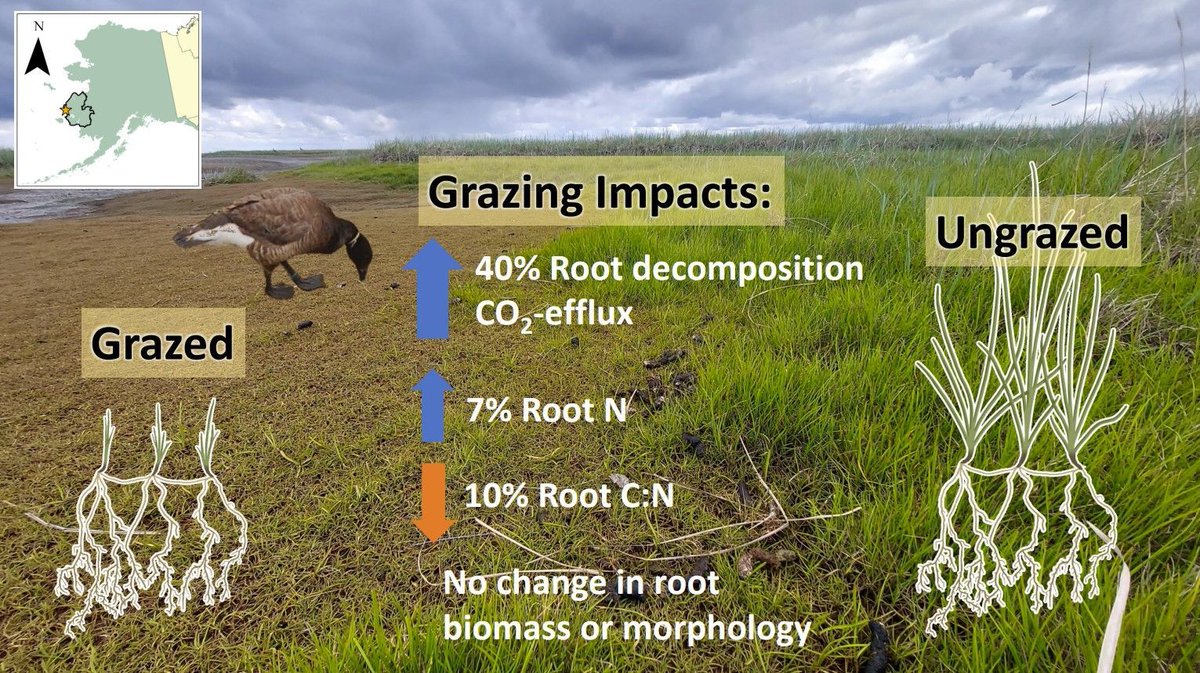
🪿Goose grazing in an Arctic wetland alters the chemical root traits of a dominant sedge species. These changes to root chemistry lead to greater carbon emissions during decomposition👇#wetland#grazing
https://t.co/Gk2Y6lQzVI
#PhD How do tropical forest soundscapes alter with land use? Acoustic monitoring in Amazon and African forests, working with partners and gradients of forest modification. Apply by 19 May: Manchester Met Uni, w/ [email protected] & colleagues!
https://t.co/96NvcJKUgO
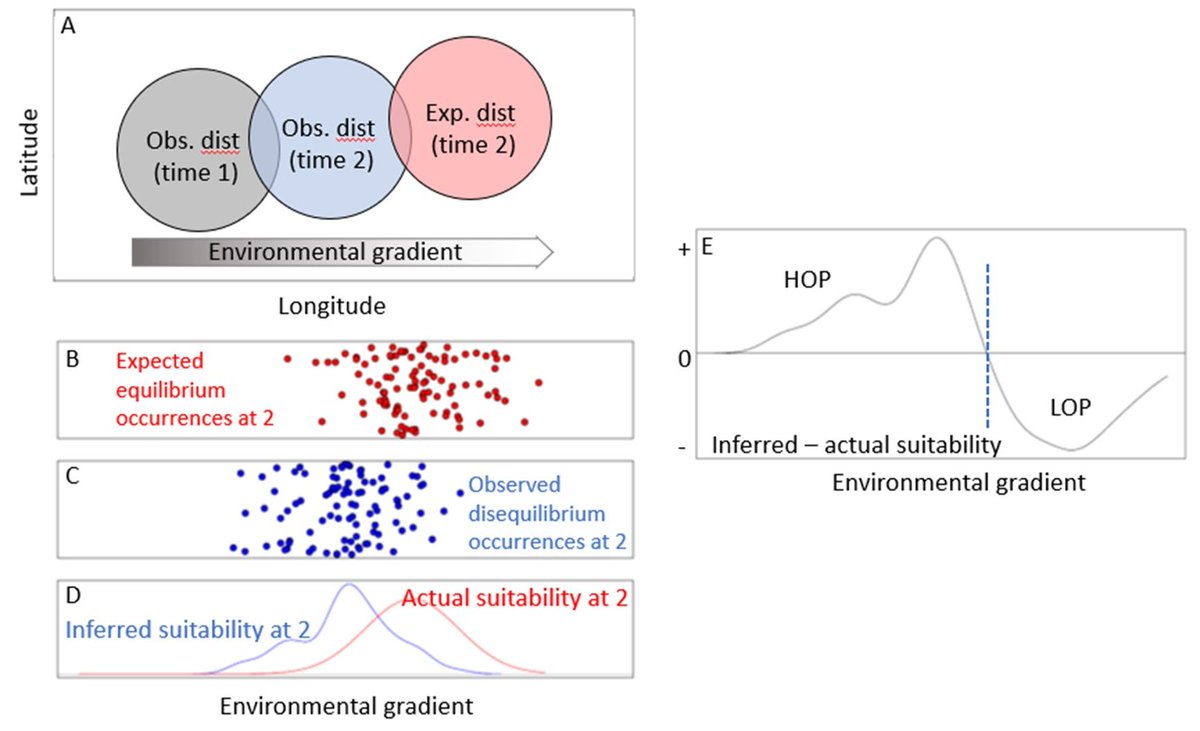
🌱Plant distributions are frequently in disequilibrium with their environment, which can bias species distribution models. This latest review looks at methods used to reduce bias👇#plantecology#speciesdistribution
https://t.co/p91UvXyZOH
New @JEcology paper by @ArielleBiro, @SABatterman, + Jane Lucas finds S African #trees grow better with native soil #microbes than in sterile soil. But trees + microbes both suffered in drought conditions, w implications for #savanna carbon sinks.
@Yale
https://t.co/ZV5x3aSMNW
🎧 Missed it? Don’t worry! iDiv proudly launched the #InsideBiodiversity podcast, your new go-to source for expert thoughts on biodiversity. 🌿🔍 And stay tuned! — A new episode will be out next month. 🦜
✨ P.S. Don't forget to subscribe here: https://t.co/ulOBSa7C7L