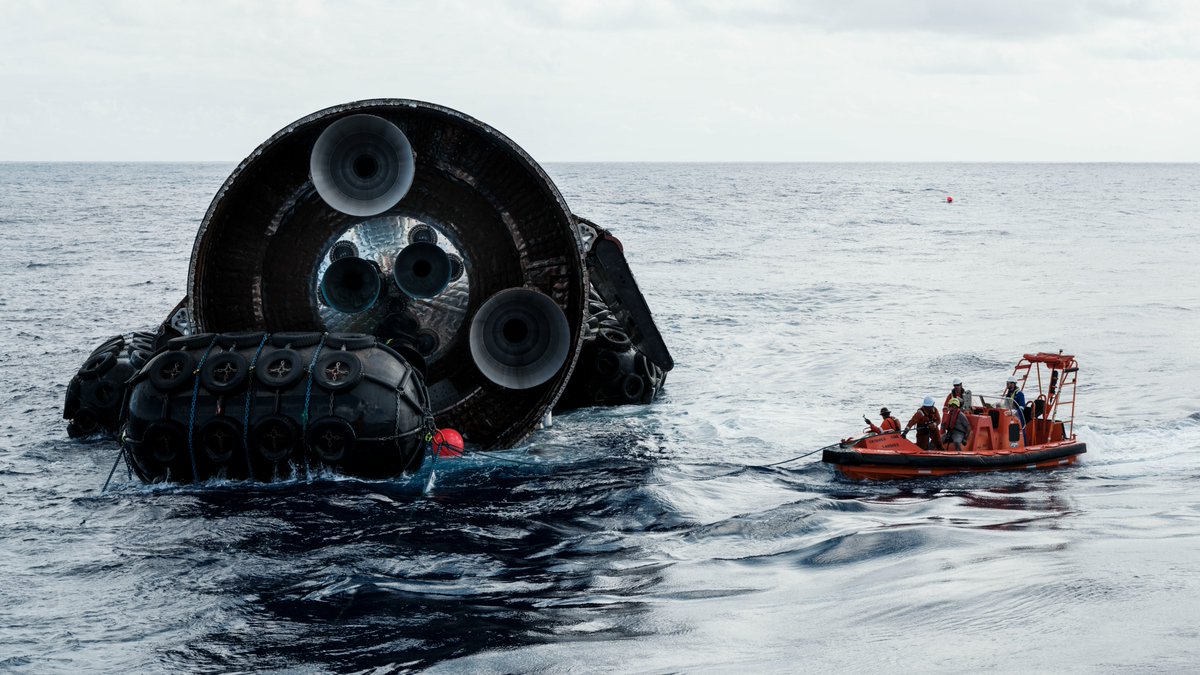
The SpaceX Recovery team is still working to recover Flight 13’s Starship from the Indian Ocean. They’ve been overcoming challenging conditions and increasingly rough seas as they attempt to guide the 52m long spacecraft to port
EVEREST — India’s first full-flow staged combustion (FFSC) rocket engine.
80-tonne class. Fully integrated. Designed and manufactured in Bengaluru, India.
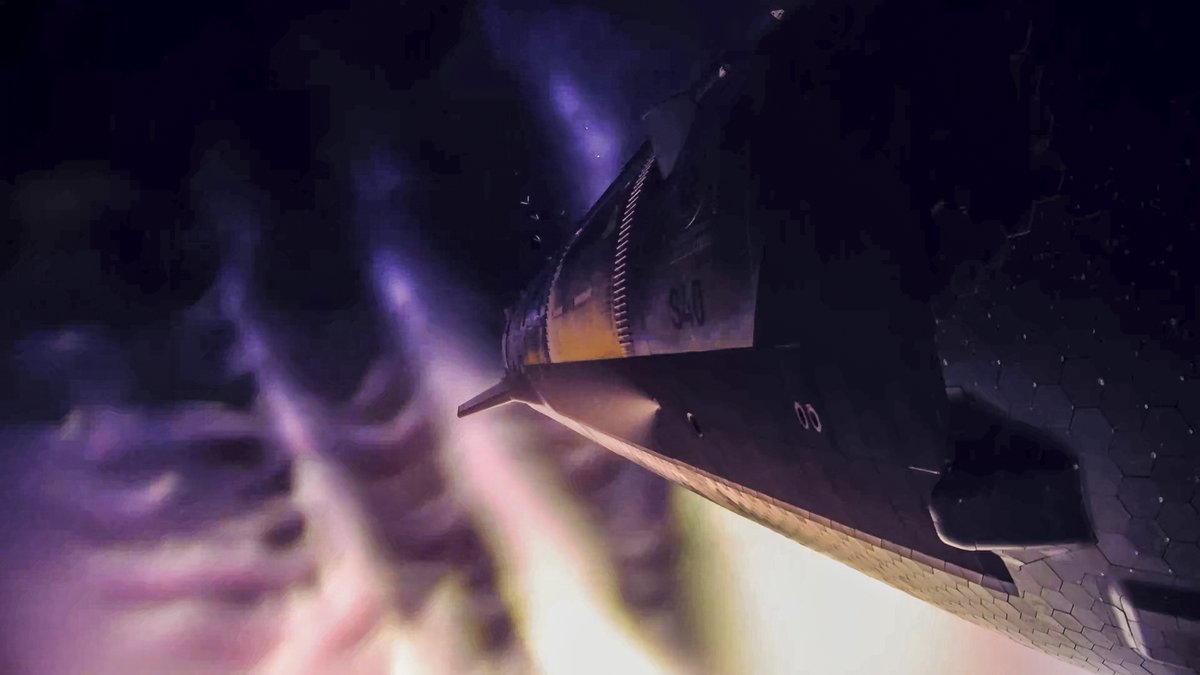
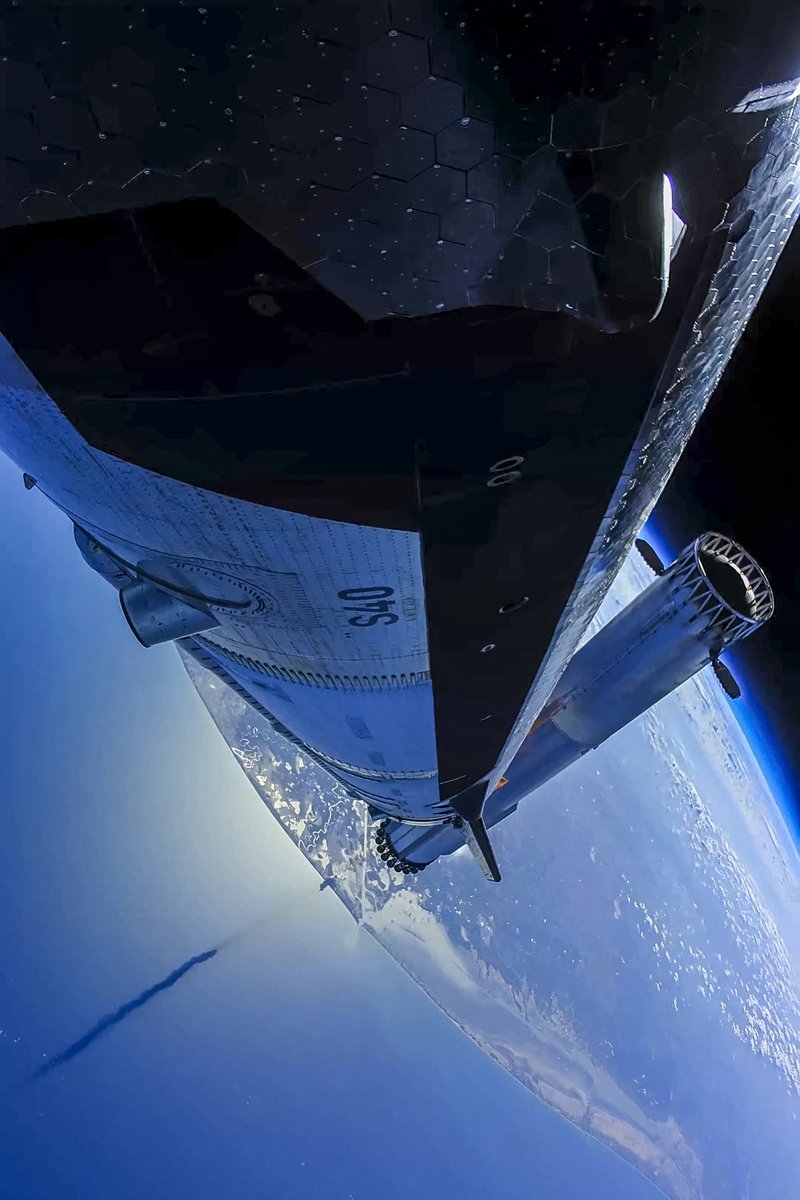
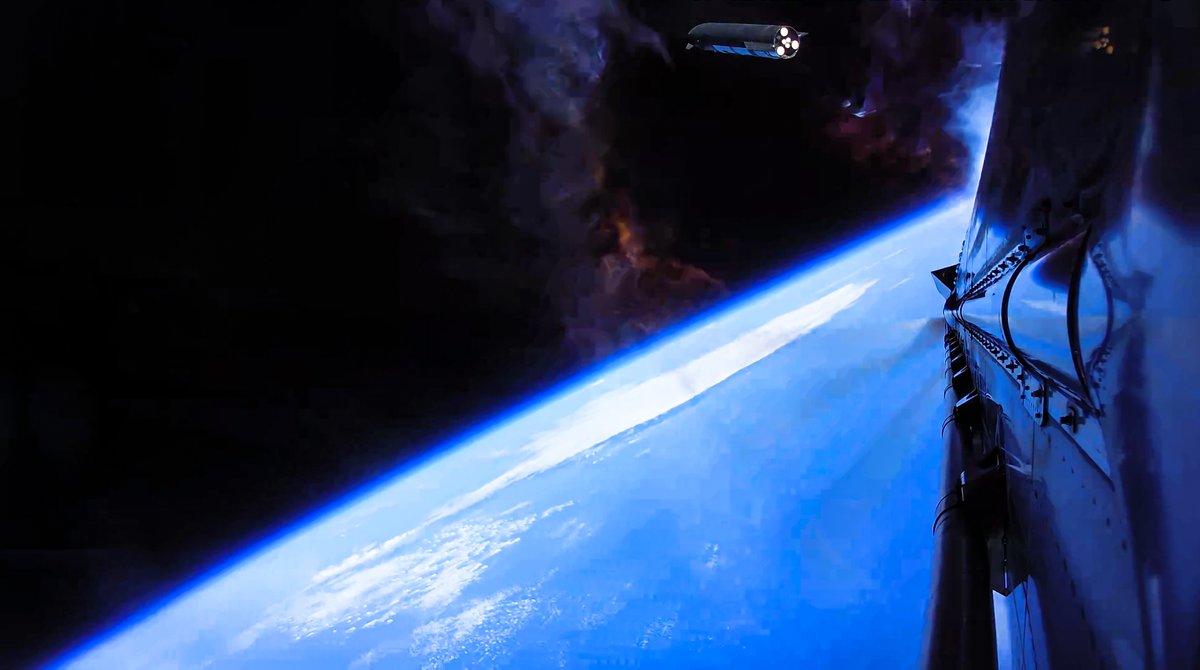
View of Starship in space from a Starlink V3 satellite on Flight 13.
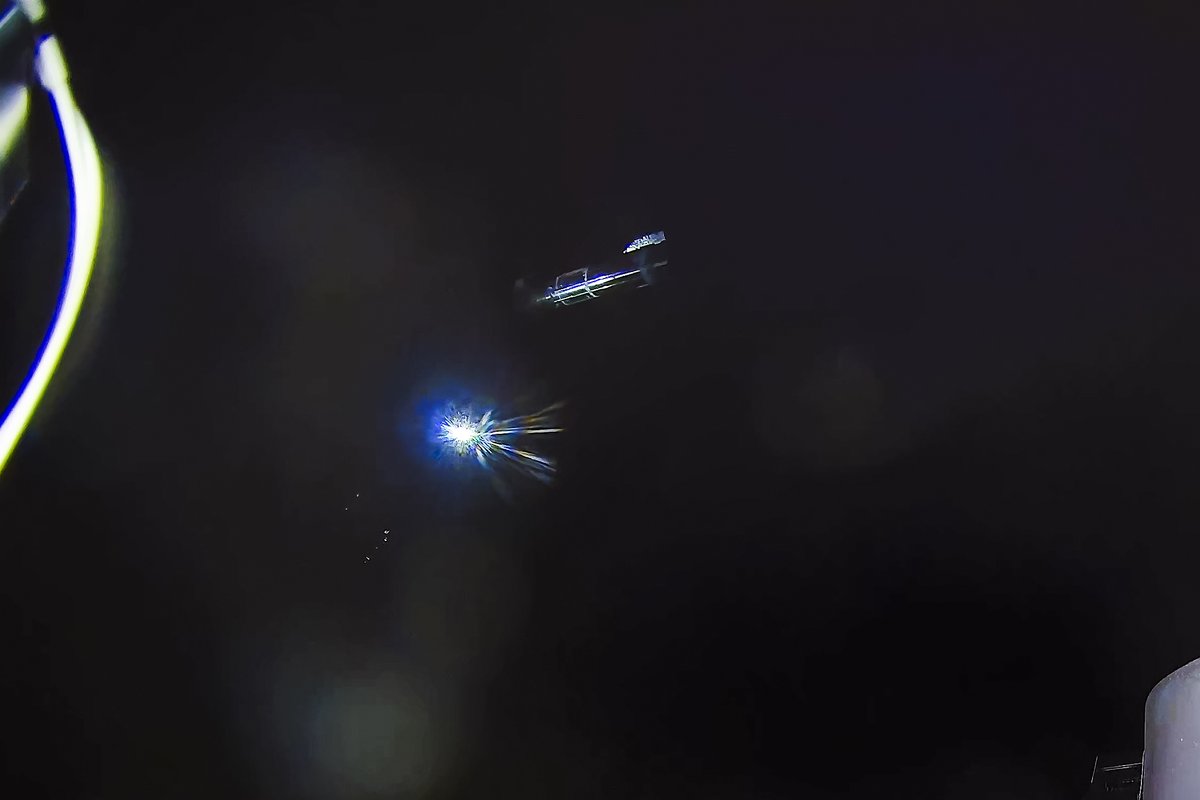
This composite is made of imagery from four separate cameras on a single satellite. Six of the satellites were equipped with cameras to scan Starship’s heat shield and transmit imagery down to operators to continue testing methods of analyzing Starship’s heat shield readiness for return to launch site on future missions
The first Starlink V3 satellites in space successfully deployed their solar arrays, fired their thrusters, established connections with the Starlink constellation using radio frequencies and laser links, and captured imagery of Starship
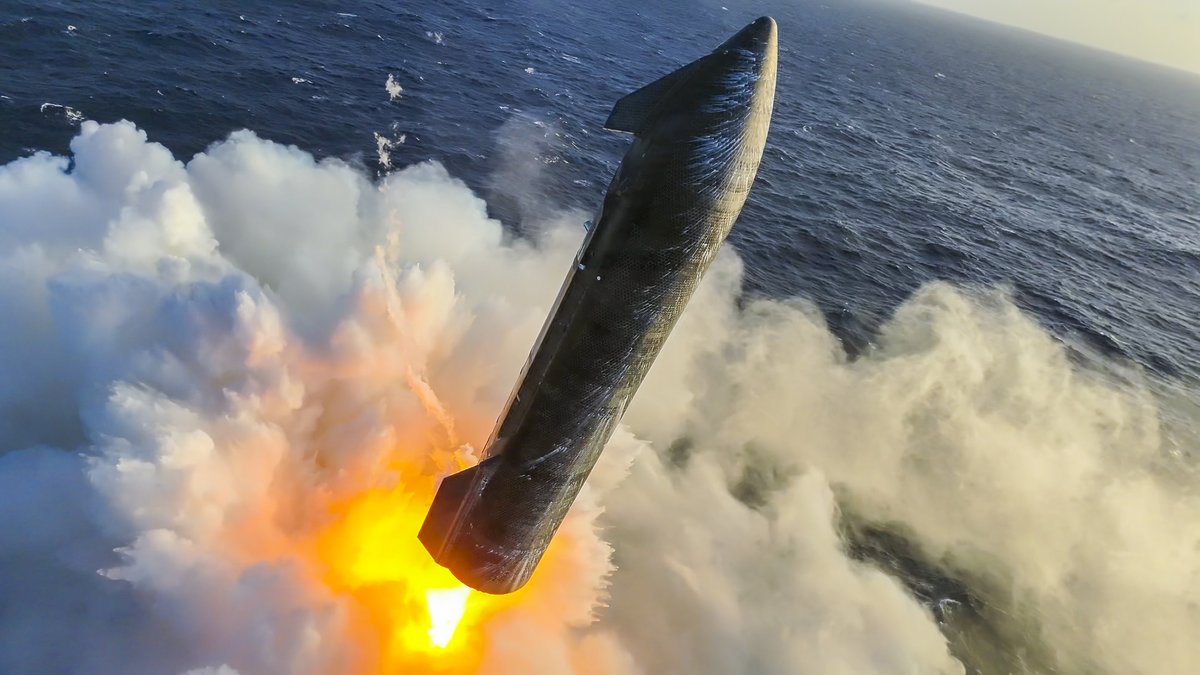
Starship soared on the second flight of the next generation, deploying advanced Starlink satellites for the first time and providing priceless data as it travelled through air, space, and sea ��� https://t.co/Rp7VwBzpWx
ORBIT ACHIEVED. 🚀
Vikram-1 Test Flight-1 has reached orbit. India's first privately developed orbital rocket has completed its final burn and injected its payloads into a ~450 km orbit, making India the third country in the world with private orbital launch capability.
History is made. 🇮🇳
#Vikram1 #JourneyToOrbit #SkyrootAerospace
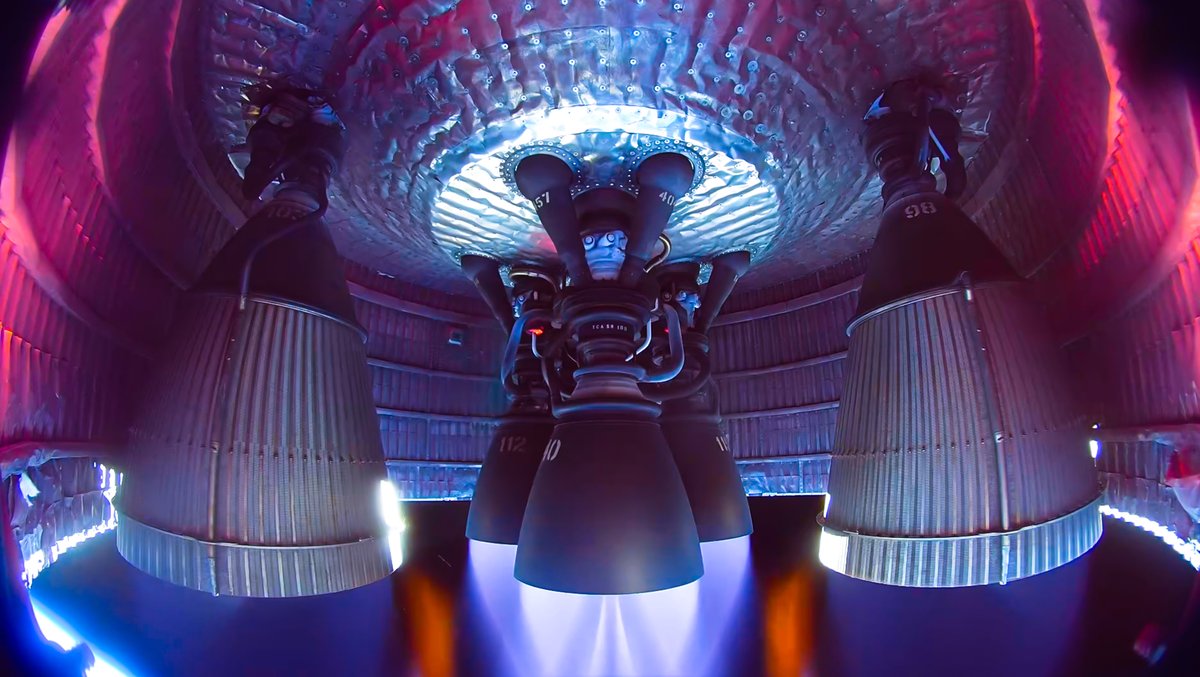
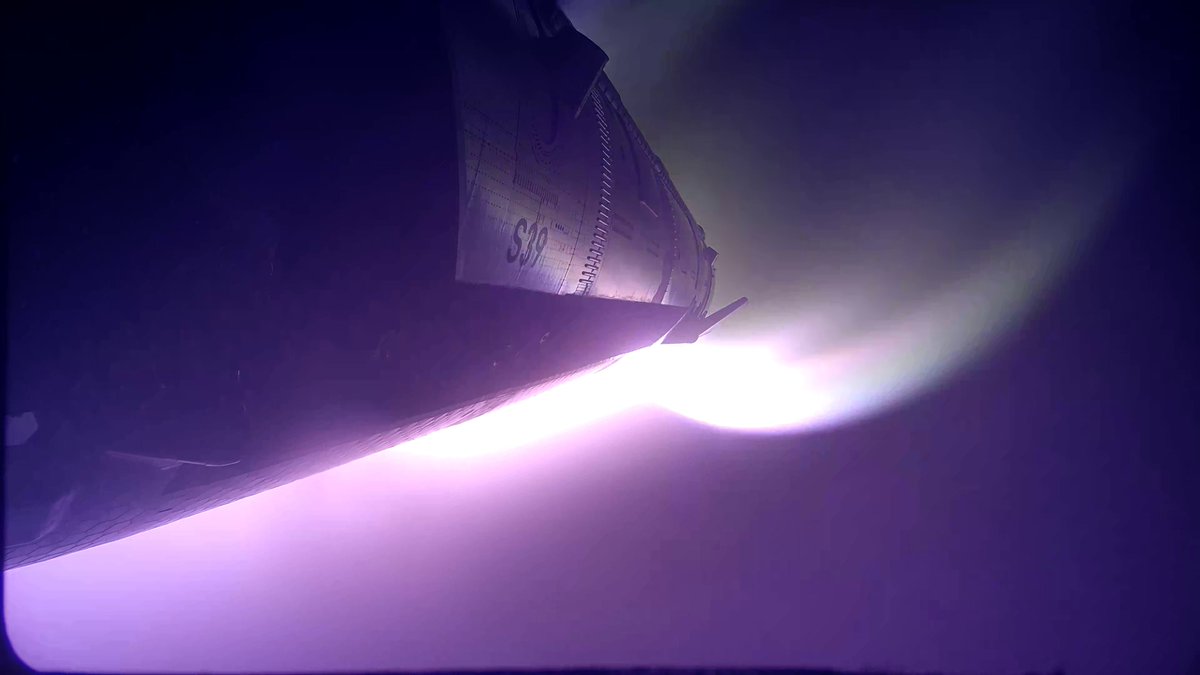
Onboard views from Starship and Super Heavy V3, which are equipped with upgraded cameras capable of streaming 4K video through every phase of flight via @Starlink