Great news for Atherosclerosis Plus!
Our journal has received a CiteScore 2025 of 3.7.
Thank you to all authors, reviewers, readers, and editors for contributing to the journal’s growing impact.
#Atherosclerosis#CardiovascularResearch#OpenAccess#CiteScore
How does time since last meal affect lipoprotein and inflammatory biomarkers?
In healthy young adults, Jensen et al. found that six VLDL particle subclasses rose 11–429% within 2–4h after breakfast, with IL-6 increasing ~325% at 10h.
🔗 https://t.co/67j9tbopFH
@society_eas
From the archive: HDL-replacement therapy remains a fascinating translational field.
This review discusses traditional and emerging clinical applications of HDL-based approaches, from lipid biology to therapeutic perspectives.
🔗https://t.co/viNoPuusEn
Inflammation and metabolic dysfunction are key drivers of atherosclerosis. A new study in Ath Plus shows that the C-reactive protein–triglyceride–glucose index is independently associated with peripheral artery disease in U.S. adults.
🔗https://t.co/ZSbZd6aCR5
@society_eas
Familial hypercholesterolaemia (FH) is a common genetic disorder characterized by lifelong elevated low-density lipoprotein cholesterol (LDL-C) concentrations, which increase the risk of premature atherosclerotic cardiovascular disease (ASCVD).
FH affects around 1 in 300 people worldwide, while the more severe form, Homozygous FH (HoFH), affects about 1 in 300,000 people and can lead to serious cardiovascular complications already in childhood.
🚨 Early diagnosis and treatment can dramatically improve — and even normalize — life expectancy. Yet, fewer than 10% of affected children in Europe are currently identified.
The European Atherosclerosis Society (EAS) consensus statement on FH in children and adolescents highlights:
✔️ Improved diagnostic criteria
✔️ Earlier treatment initiation — sometimes from age 6
✔️ Lower LDL-C treatment targets
✔️ New lipid-lowering therapies
✔️ Updated treatment algorithms
✔️ Better transition from paediatric to adult care
The statement emphasizes one key message: reducing lifelong exposure to high LDL-C is critical to protecting cardiovascular health from an early age.
Read the full publication: https://t.co/33zCtcaqaX
To the press release: https://t.co/iz2gzPVQd7
To the key messages: https://t.co/RSrAy5VcUd
Can environmental pollution shape cardiovascular risk through autoimmunity?
This new geospatial study shows that hotspots of anti-apoA-I autoantibodies overlap with areas of higher air/soil pollution and lower life expectancy in Geneva.
🔗https://t.co/9uRS6oq9zn
@society_eas
New Expert Consensus on Lipoprotein(a) in the Gulf Countries highlights the urgent need to integrate #Lp(a) into cardiovascular risk assessment!
🔗https://t.co/8PQXBqjWlQ
@society_eas
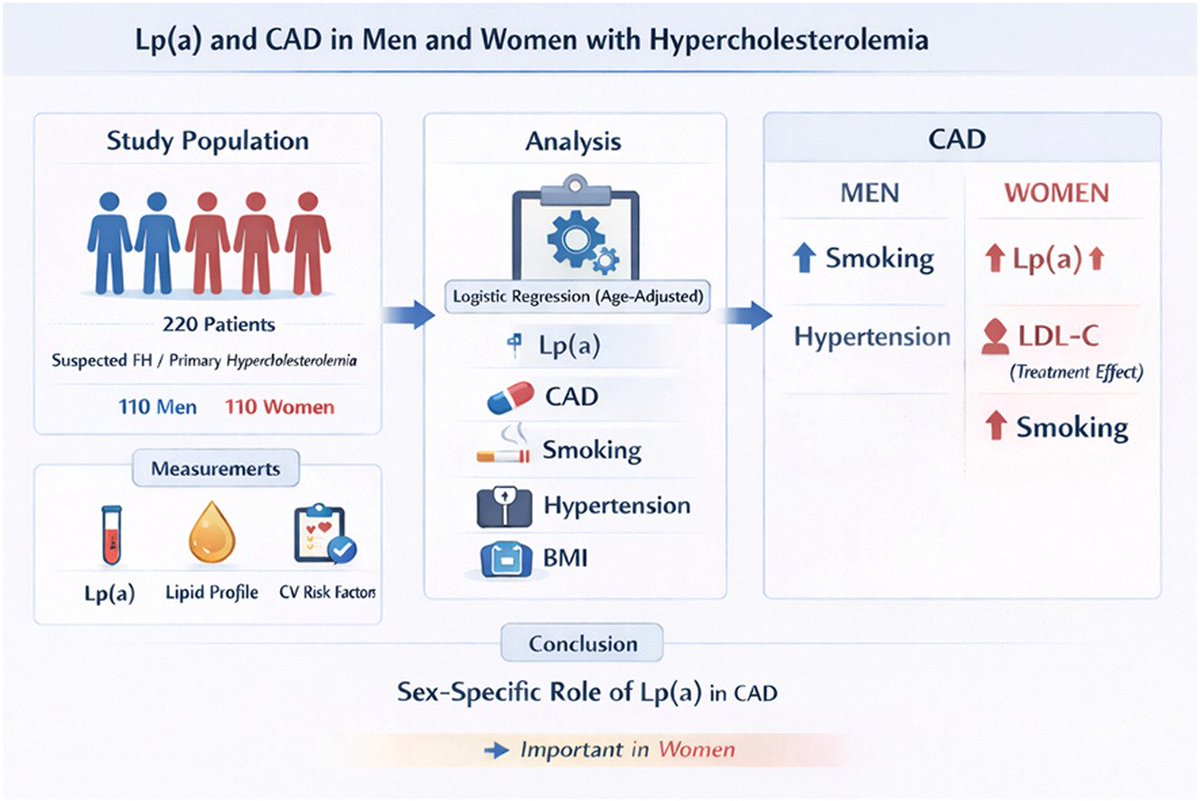
Same condition, different risks.
In hypercholesterolemia, Lp(a) is a key driver of CAD in women—but not in men, where smoking and hypertension prevail.
🔗https://t.co/DcDDXapp7Y
@society_eas
Even among adults with normal glucose and TG levels, a higher #TyG index is linked to systemic inflammation and arterial stiffness — especially in women. #TyG as an early marker of cardiometabolic risk.
https://t.co/PbgqV6VlBs
@society_eas
CNN3 emerges as a key player in atherosclerosis: it is increased in plaques and in patients’ blood, and promotes VSMC proliferation and migration. Circulating CNN3 also shows promise as a diagnostic biomarker
🔗https://t.co/vSGTT48Sko
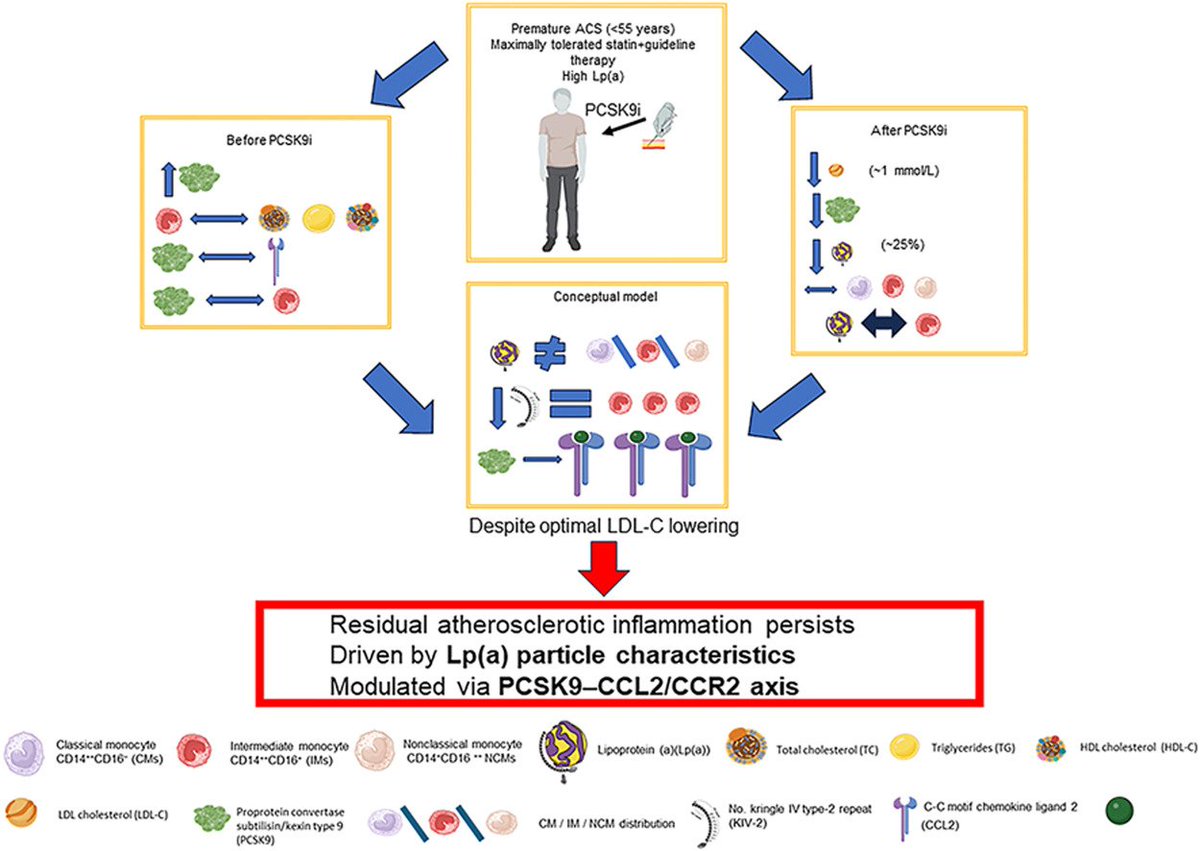
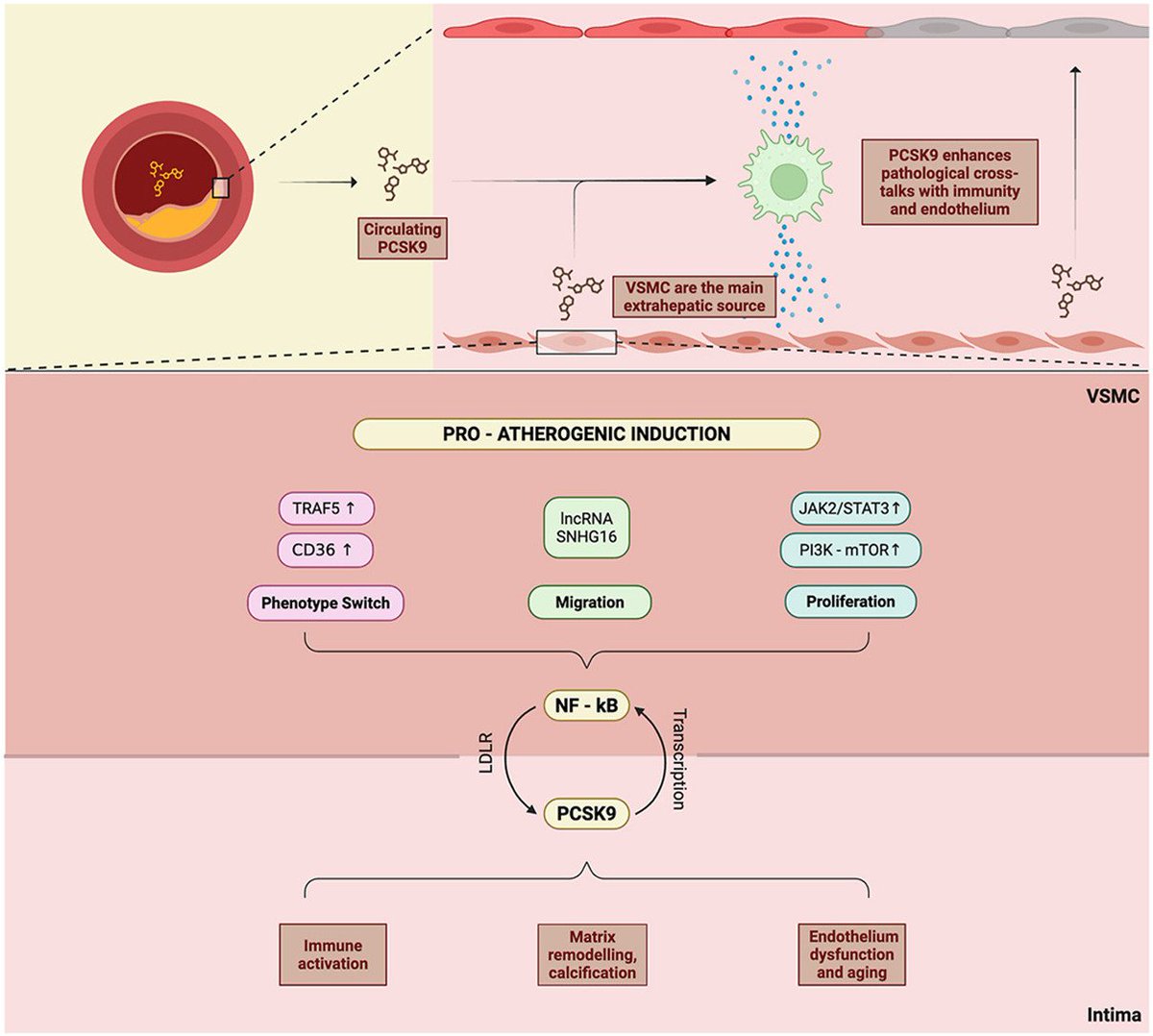
PCSK9 inhibition does not alter monocyte subset distribution in high-risk patients, but reshapes monocyte–lipoprotein interactions. An Lp(a)–intermediate monocyte link emerges, while KIV-2 repeats appear to drive inflammation more than Lp(a) levels.
https://t.co/BdovbPMpHn
Real-world evidence confirms bempedoic acid delivers ≥20% LDL-C reduction, consistent with RCTs. Effective both with statins and in statin-intolerant patients. No new safety signals observed. https://t.co/5TUAVps8F8
@society_eas
Calciprotein particles (CPPs), formed during calcium–phosphate overload, impair autophagic flux in vascular cells via lysosomal dysfunction. A mechanistic link between chronic mineral stress and vascular dysfunction
https://t.co/8k7eyimK5p
@society_eas
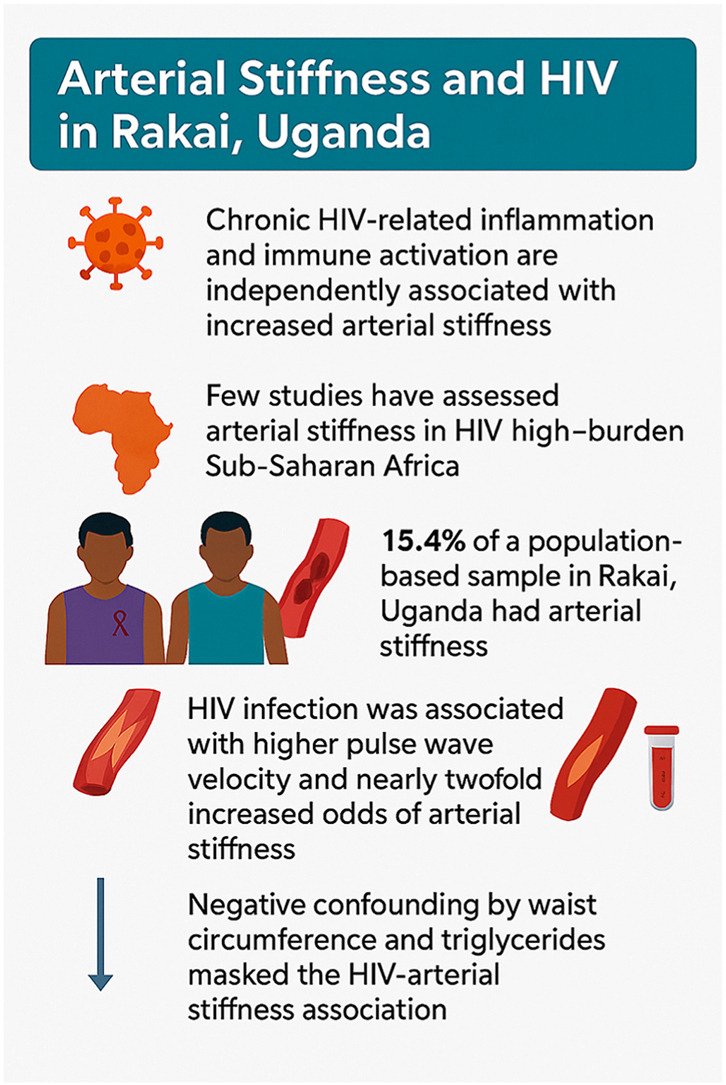
HIV is no longer just a chronic infection—it’s a cardiovascular risk factor. This population-based study in Uganda finds higher arterial stiffness and ~2x increased odds among PLWH. Time to integrate CVD screening into HIV care.
https://t.co/hjbMQFmYQW
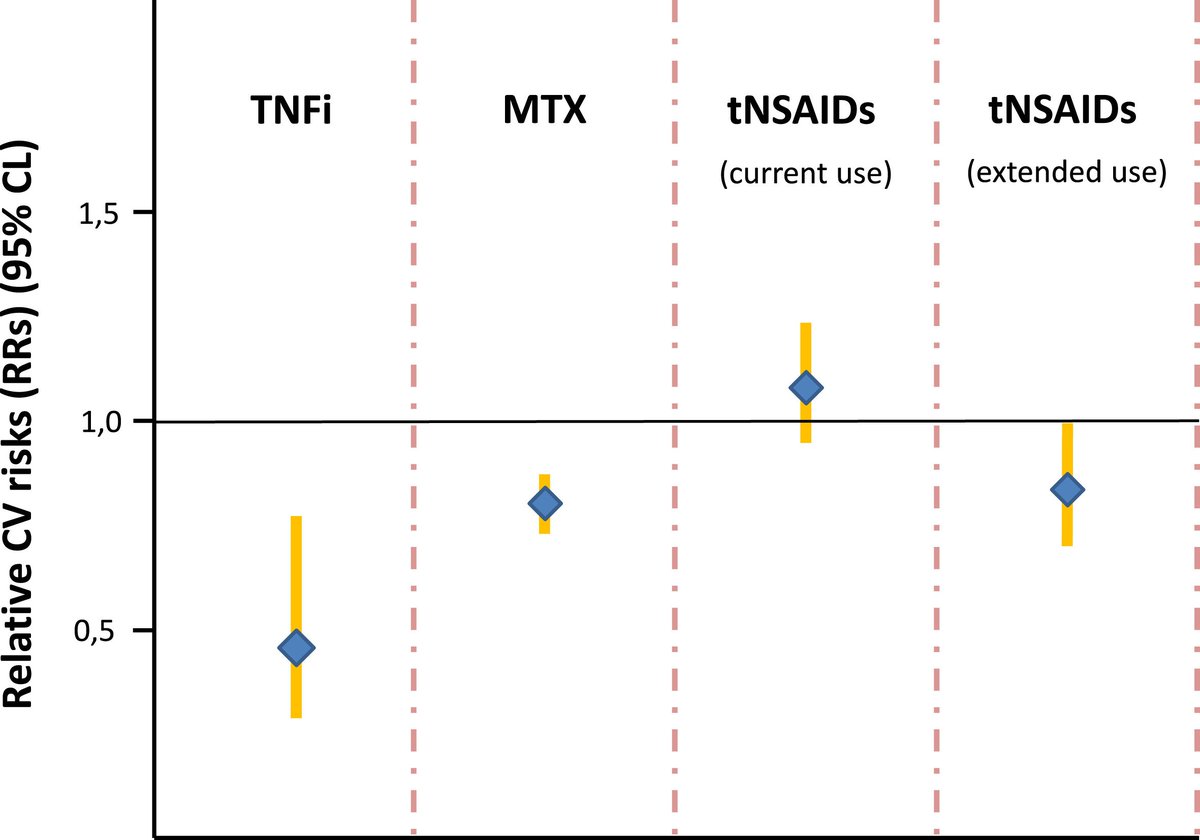
Is there a link between non-steroidal anti-inflammatory drugs and cardiovascular risk in patients with inflammatory arthritis?
🔗https://t.co/x04JYYrU45
@society_eas
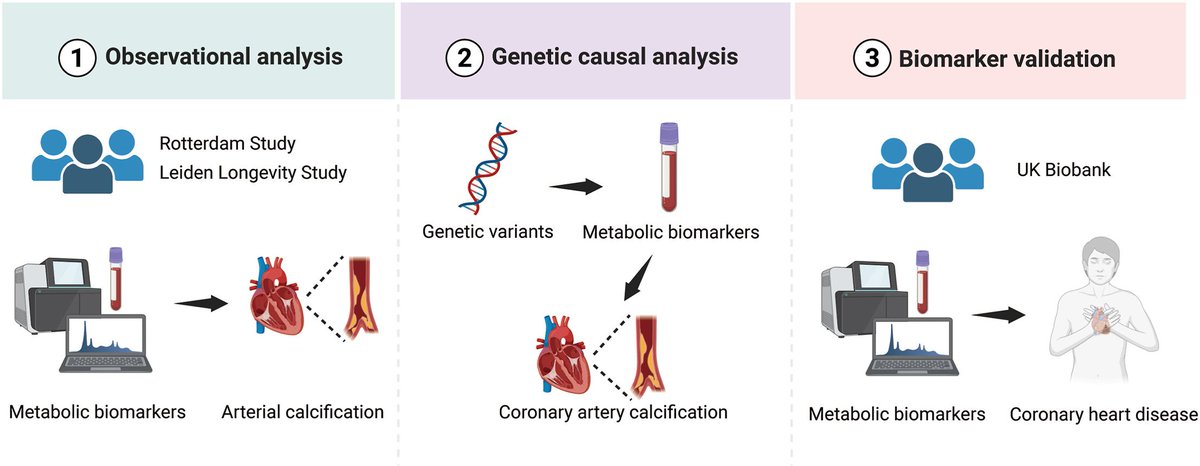
Which metabolic biomarkers drive arterial calcification? A new study using NMR profiling, MR, and large cohorts identifies fatty acid ratios causally linked to lower CAC and a male-specific association for GlycA, with implications for CHD risk.
https://t.co/4anACRjwjO
Why do some atherosclerotic plaques become dangerous?
This new study shows that G9A, an epigenetic enzyme, promotes vascular calcification by activating BMP2 signaling and pushing smooth muscle cells to change identity.
🔗https://t.co/EK1duCfNgt
@society_eas
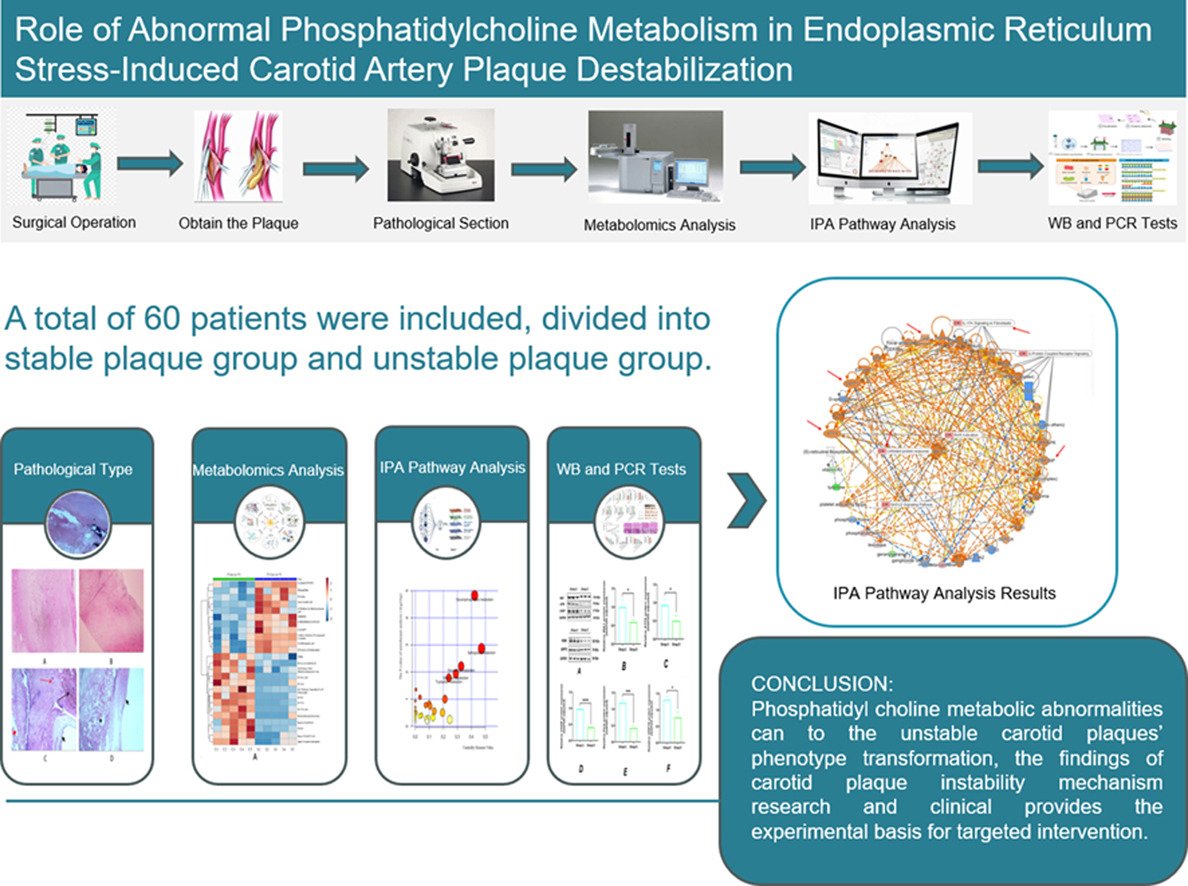
New research on unstable carotid plaques reveals that abnormal phosphatidylcholine metabolism drives plaque instability by activating ER stress pathways (especially PERK/CHOP).
🔗https://t.co/GLAaDNpMOZ
@society_eas