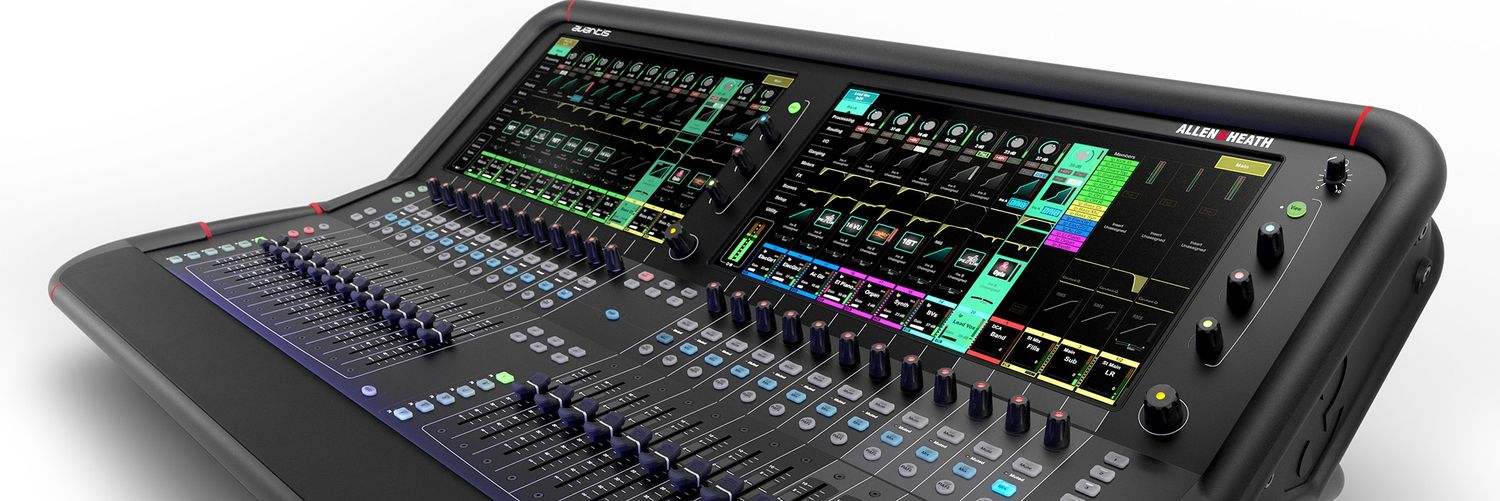
The most capable and versatile in-ear monitor ever created, A18s. A warmer reference monitor tonality you can trust to mix a record on, with more headroom and power than you would ever need for the loudest of live performance environments.
The Concorde was different from other aircraft in many ways.
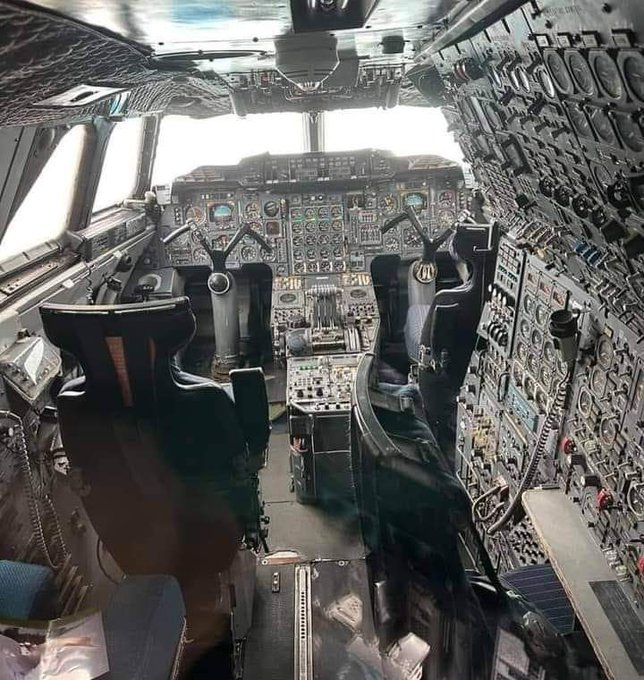
Its cockpit was regarded as being very different to anything otherwise flying at the time. While other large airliners had similar elements to the flight controls, Concorde's was rather more complex, with additional features not seen on any other commercial aircraft.
One of main differences that instantly stands out is the additional bank of control panels on the right-hand side. Concorde required a minimum flight crew of three, with a flight engineer working alongside the two pilots.
This was not uncommon at the time - the Boeing 707, 727, and 747 were all designed for a three-person crew.
It was also a very packed in flight deck compared to other passenger jets. Due to the streamlined front end of Concorde, the aircraft had a narrower cockpit than most planes, with less headroom above. That meant buttons, dials and switches had to be packed in much more tightly, adding to the sense of a crowded, confined space.
The four engines had added afterburners, which required additional control and monitoring options. Aerodynamic features, especially the moveable nose, likewise brought more into the cockpit. The Mach meter added extra information, with two orange colored 'bugs' that identified the range of Mach numbers available at the current center of gravity.
Fuel management, too, was more complex with Concorde. It had multiple fuel tanks, with fuel moved around during flights and requiring monitoring and control. The bulk of the fuel was stored in the wings, but there were tanks forward and behind to enable vital control of the aircraft's center of gravity during supersonic flight.
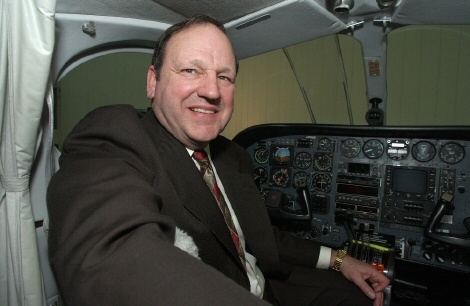
A pilot named Dennis Fitch was fascinated by famous airline crashes, he studied the crash of Japan Flight 123 to see if he could have flown the doomed aircraft. Years later, Fitch was a passenger on a plane that, like Japan Flight 123, also lost hydraulic power. Fitch offered to assist the pilots. They miraculously managed to crash land, saving the lives of over a hundred passengers.
Landing a plane without hydraulic control is an almost impossible feat, requiring great skill and tremendous physical exertion. Throughout the ordeal, Fitch kept his good humor, joking with the captain (Haynes):
Fitch: "I'll tell you what, we'll have a beer when this is all done."
Haynes: "Well I don't drink, but I'll sure as hell have one."
In the end, the plane did crash. People died. It was horrible. But the very fact that anyone survived the crash at all is all due to one man. One man who came well prepared. Test pilots have since been unable to replicate a survivable landing under the same conditions.