The Transtheoretical Model of #Change is a useful approach to behaviour change. Think about a goal you've set yourself and if you haven't already, break it down into the smallest possible first steps. Tracking your progress can help you progress from action to maintenance.
We use this model when supporting pupils when they have certain barriers to accessing education. If the need can be supported, then we move through this cycle, planning for possible setbacks and creating safety nets.
The Transtheoretical Model of #Change is a useful approach to behaviour change. Think about a goal you've set yourself and if you haven't already, break it down into the smallest possible first steps. Tracking your progress can help you progress from action to maintenance.
2/ If so, feel free to join the conversation. This will be a space for you to ask questions and connect with other parents going through similar situations.
Friday January 17th 10am-12pm
Link: https://t.co/MO6QOzjftA
1/ [FREE for families in Wales] Online School Attendance Difficulties Session.
As the new term rolls around, are you worried about your child’s emotional wellbeing or behaviour, and how it might be impacting their ability to access and regularly attend school?
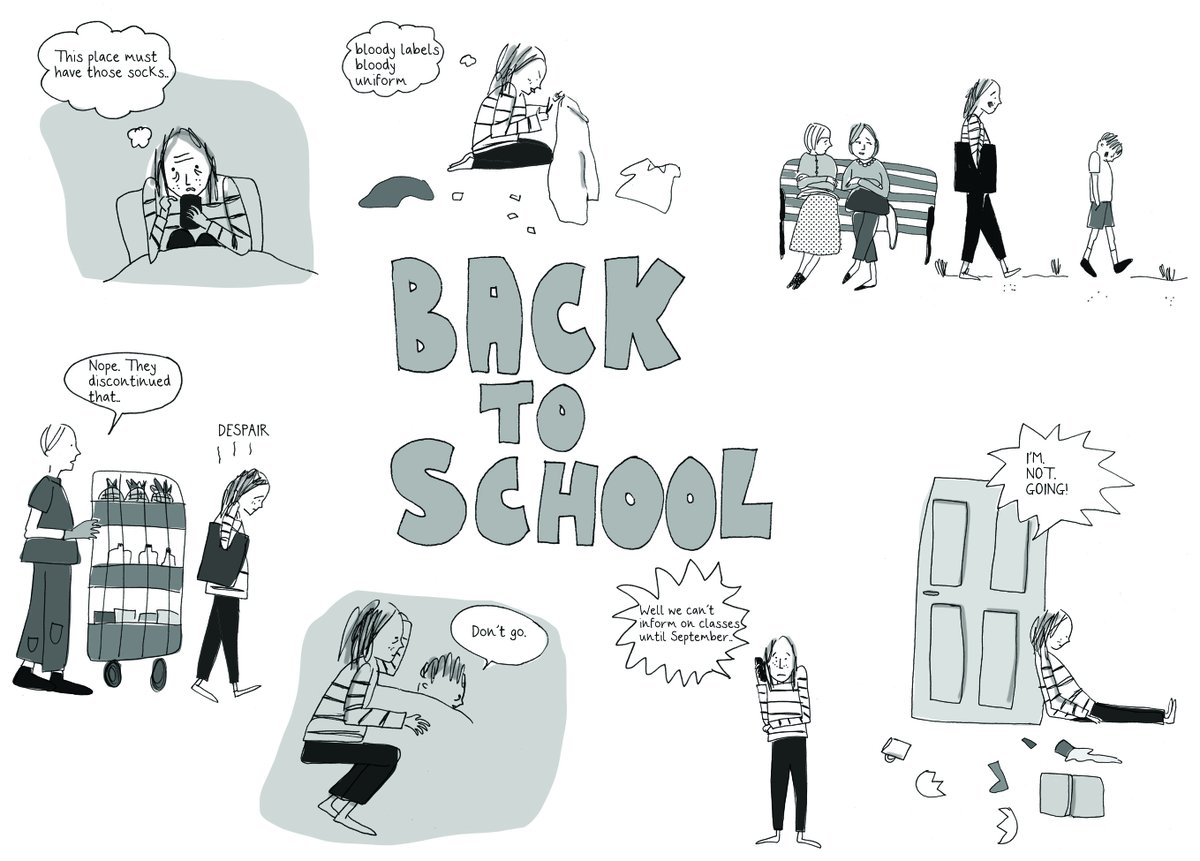
You've done all the prep you can.
You have thought about each and every variable.
Maybe none of this can be seen.
But it is all done now.
Just that little thing called 'uncertainty' to manage now..
When your child is struggling to attend school there’s no shortage of people telling you to push harder. There’s no shortage of professionals who start off their meetings with “Let’s work out how to get you back to school”. There’s no shortage of horror stories about this girl they once knew who stopped going to school and whose life took a downwards turn from that point and who struggled for ever. There’s no shortage of people making comments which increase your anxiety. ‘I wouldn’t let a child of mine do that’ they say, or ‘Don’t you worry about the future?’.
To which the answer is YES. Yes I worry. Yes I never stop worrying. Yes it keeps me awake at night wondering if this is all my fault. Yet at the same time I know that pushing harder and insisting more isn’t going to make the future more certain.
Been there, done that.
The moment comes when it’s clear that this really isn’t working, and they stop going in altogether. And what happens then?
Often, nothing. It all stops. There is quiet. No more tears in the morning or explosions in the evening. No more dread on Sunday evenings. School has gone and it’s left a hole – so what happens next? It can feel very lonely.
That’s what Eliza Fricker @_MissingTheMark and I will discuss in our new talk for parents. This one is about the process which parents go through when their children stop going to school.
Based on Eliza’s lived experience of having a child who stopped attending school, and Naomi’s clinical experience of working with families, this talk will help you realise that you aren’t alone. Hopeful and reassuring, and illustrated throughout. Come and join us. It's recorded if you can't make the time.
https://t.co/hF1WpPjgkO
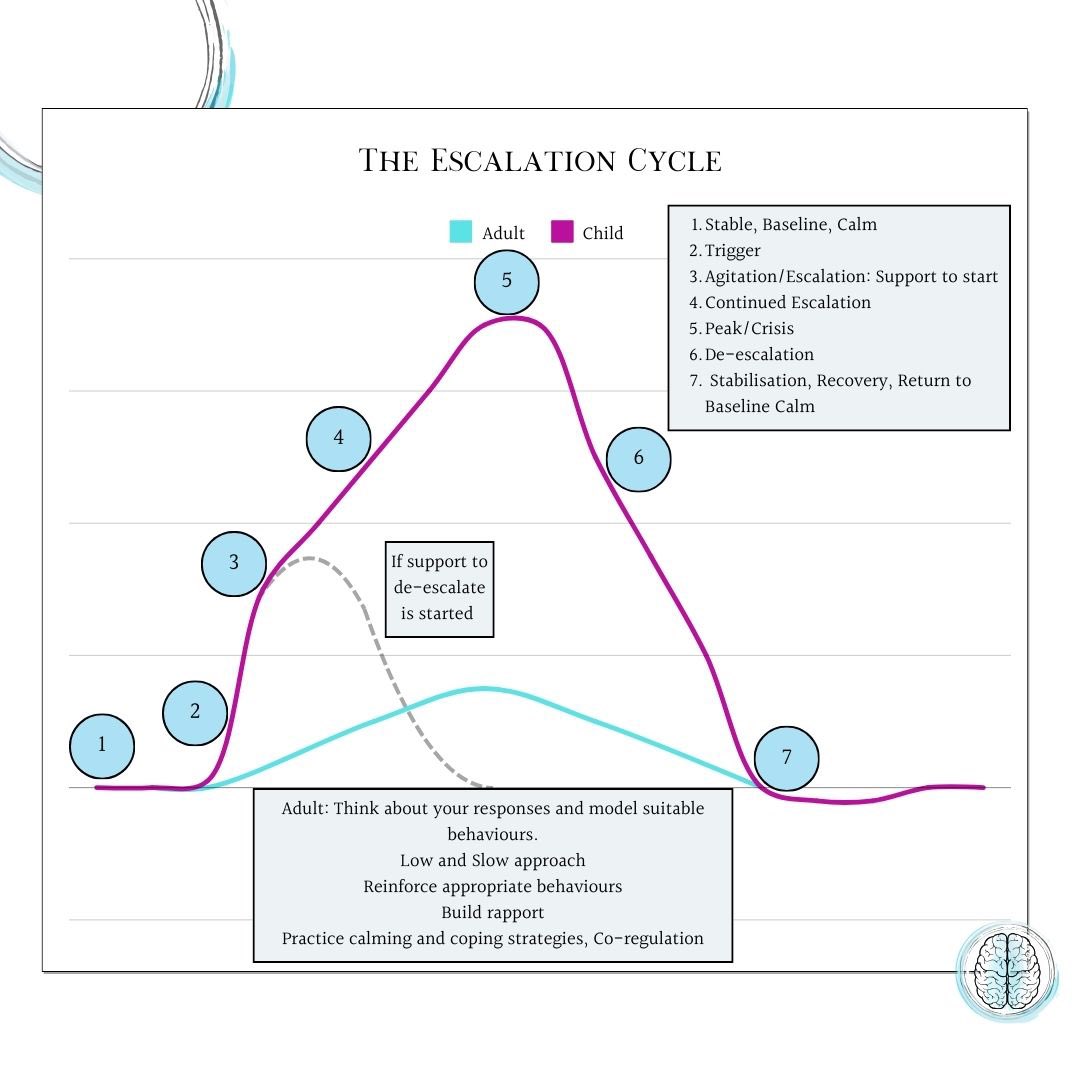
Escalating Behaviours in Children 🧵
1/ The Signs & Supporting Regulation
Behaviours often follow a predictable pattern: • Trigger event • Increased agitation • Heightened emotional response • Loss of rational thinking • Potential aggressive or disruptive actions




![attune_ed's tweet photo. 1/ [FREE for families in Wales] Online School Attendance Difficulties Session.
As the new term rolls around, are you worried about your child’s emotional wellbeing or behaviour, and how it might be impacting their ability to access and regularly attend school? https://t.co/KIZ53LVV6o](https://pbs.twimg.com/media/GgnineSX0AAESXF.jpg)