Working a 9–5 in Bengaluru while building iOS & macOS apps after hours.
Sharing the ideas, launches, bugs, rejections, small wins and lessons along the way.
The worst time to practise speaking on the spot is when everyone’s already looking at you.
I built YappLab so you can practise that moment on your own, stumble through it, and get feedback for the next try.
It’s finally live on the App Store. This one feels personal.
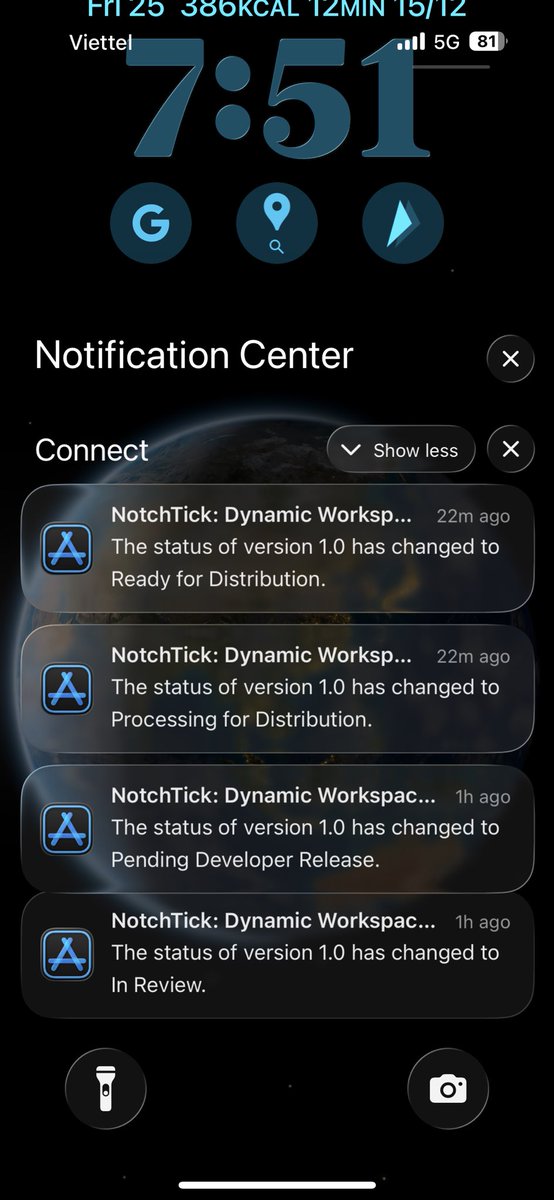
Two apps launched in one week. I keep looking at this notification to make sure it’s real.
I build apps around my full-time job, so seeing NotchTick go live today feels especially personal. There were plenty of late nights and small fixes behind that little “Ready for Distribution.”
This has been my most productive week yet. And honestly, I’m just really happy.
My public-speaking app is finally live.
It started as something I wanted for myself. Now it belongs to anyone who feels their mind go blank when asked to speak.
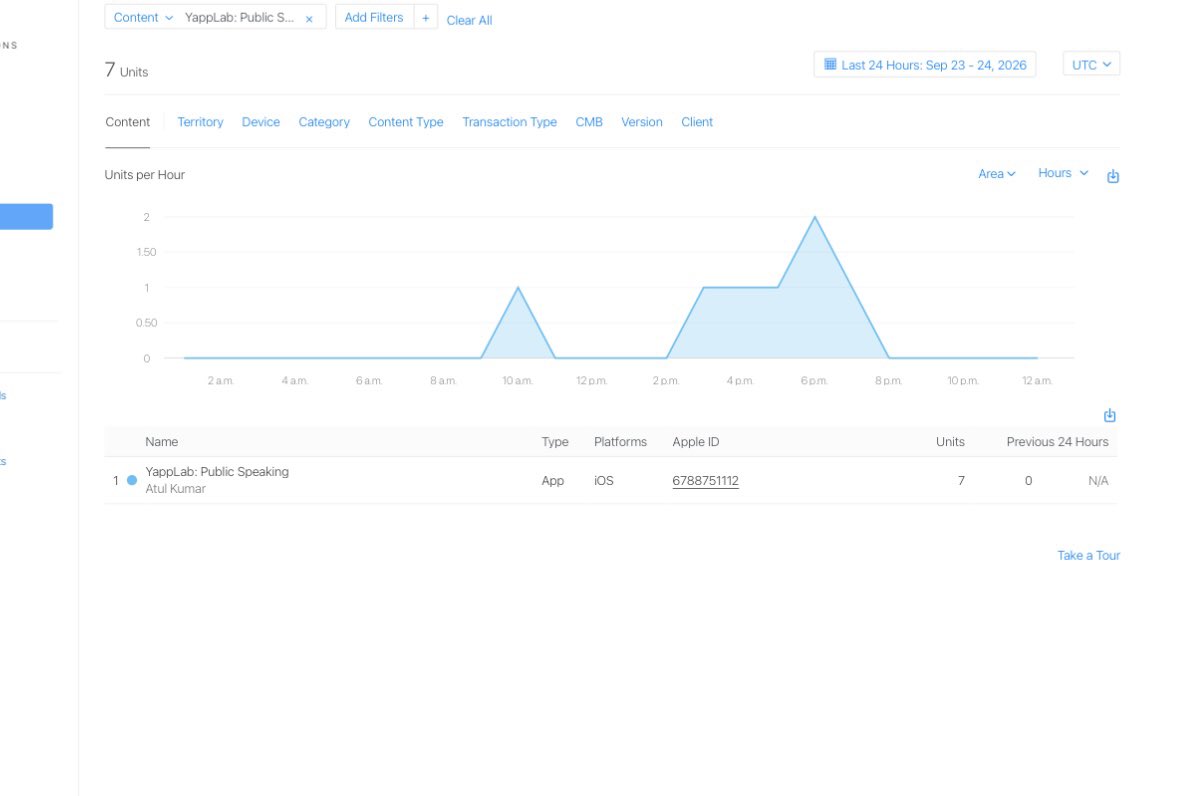
YappLab got 7 downloads in its first 24 hours.
I’ve refreshed this page more times than I’d like to admit. Every new number made me smile a little.
If you’re one of those seven, thank you.
As an indie app builder with limited time, where should the focus go after launch?
Improving ASO so more people can discover the app organically, or actively marketing it through content and ads?
I’m starting to feel that a good app needs both—but which one should come first?
The worst time to practise speaking on the spot is when everyone’s already looking at you.
I built YappLab so you can practise that moment on your own, stumble through it, and get feedback for the next try.
It’s finally live on the App Store. This one feels personal.
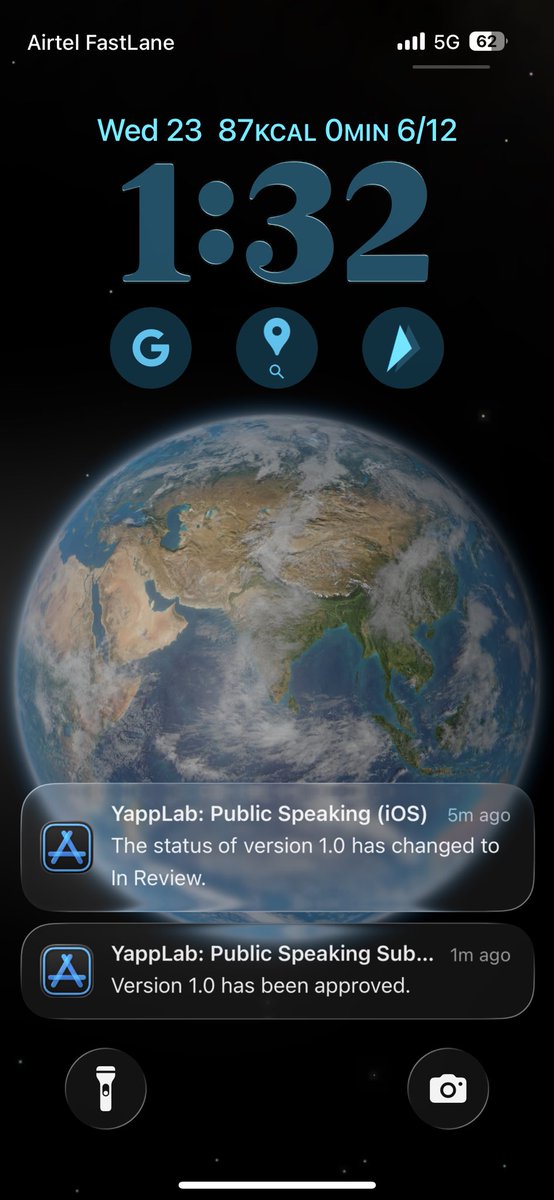
“In Review” to “Approved” while I wasn’t even looking at my phone🥳
YappLab got approved! I built it to help people practise speaking on the spot, and now it’s one step closer to being in their hands. Still staring at these notifications.
The fun part of indie development is having complete freedom.
The difficult part is also having complete freedom.
Nobody tells you what to build, what to remove, when to launch or where to market it.
Every small decision belongs to you—including the wrong ones.
A rejection email can ruin the mood for five minutes.
Then the builder brain quietly takes over:
Understand the guideline.
Change the asset.
Rewrite the description.
Submit again.
Disappointment has slowly become another task in the release process.
There’s a big difference between:
“Here are all the features in my app.”
and
“Here is one annoying problem my app removes.”
I naturally write the first one because I built the features.
Users probably care much more about the second.
One short demo showing a real problem can probably sell an app better than ten polished screenshots listing every feature.
People don’t need to see everything the app can do.
They need to recognize the moment when they would use it.
A useful way to understand poor app growth:
No product-page visits?
The marketing may not be working.
Visits but no downloads?
The listing may not be convincing.
Downloads but no retention?
The product needs work.
“Low installs” alone doesn’t tell the full story.