Today, @EP_GenderEqual is voting on the #ECI European Citizens' Initiative: "My Voice, My Choice"
Tomorrow, the @EESC_SOC will host a debate on this ECI at 14:30👇
https://t.co/tepf1uf80K
Be sure to read this #EESCInfo article with @MVMC_24 members👇
https://t.co/fZwYeLjTof
❗️TODAY: follow 2 debates on European #CitizensInitiatives hosted by @EESC_SOC for #GenderEqualityWeek :
🗣️14:30 @MVMC_24 : My Voice My Choice for Safe and Accessible #Abortion
🗣️15:30 Ban on Conversion Practices in the EU
🖥️Follow live here👇
https://t.co/tepf1uf80K
I started the new school year in Brussels with the @WorkersEESC, where the message from @EU_Commission@RoxanaMinzatu set the tone for a high-level conference on the New Action Plan implementing the European Pillar of Social Rights. Together with representatives of social partners and institutions, the debate focused on how to make the principles of the Pillar more tangible, how to translate them into effective measures, and how to ensure they deliver real benefits for workers and citizens across Europe.
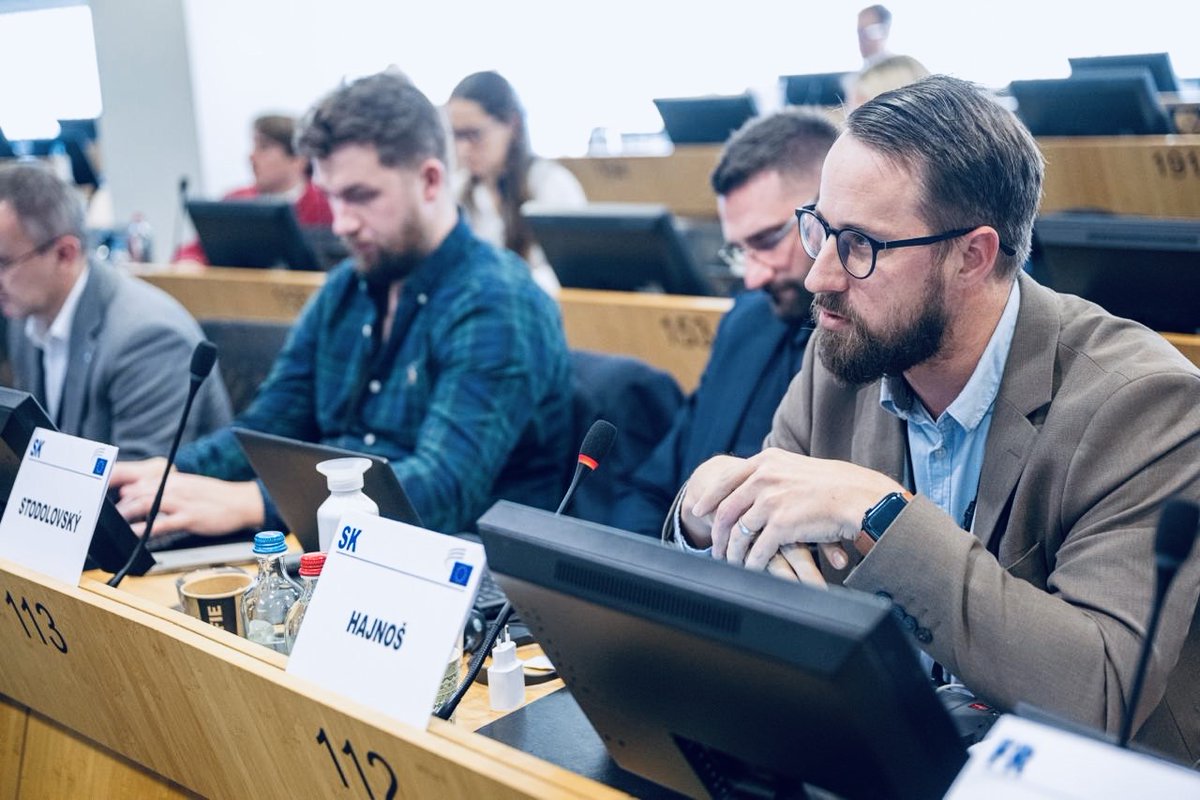
The agenda continued with the INT, where I had the chance to contribute to two opinions. The first addressed small mid-cap enterprises and simplification measures, stressing the need for proportionate regulation and a stronger focus on SMEs in EU law-making. The second dealt with start-ups and scale-ups, emphasising access to finance, innovation-friendly regulation and the importance of supporting their growth across the Single Market. I am grateful to the rapporteurs @_MiraMaria_ and @katrinazarina for a pragmatic, open and fact-based discussion
On a personal note, I am glad that this summer I officially completed my Doctor of Natural Sciences studies with a thesis on The impact of artificial intelligence on marketing strategies of small and medium-sized enterprises, with a focus on automation of marketing processes and the design of new approaches to its use. After two years of research, I identified the main challenges in AI implementation: the lack of internal capacities, as SMEs often do not have specialists in AI, machine learning or data analysis; low digital maturity combined with concerns about legislation, especially regarding data protection (GDPR) and AI regulation compliance; and the financial burden, as investments in AI tools are frequently beyond the budgetary possibilities of micro and small enterprises.
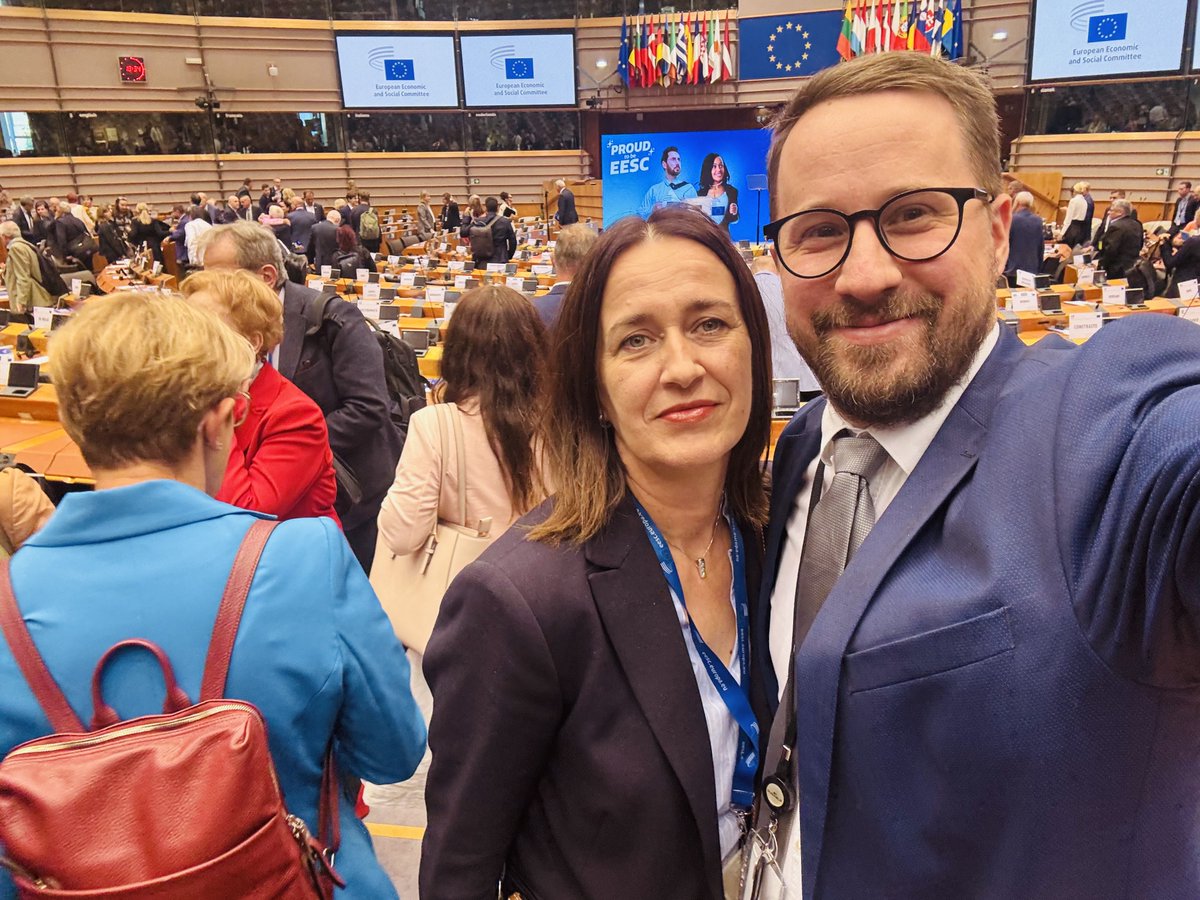
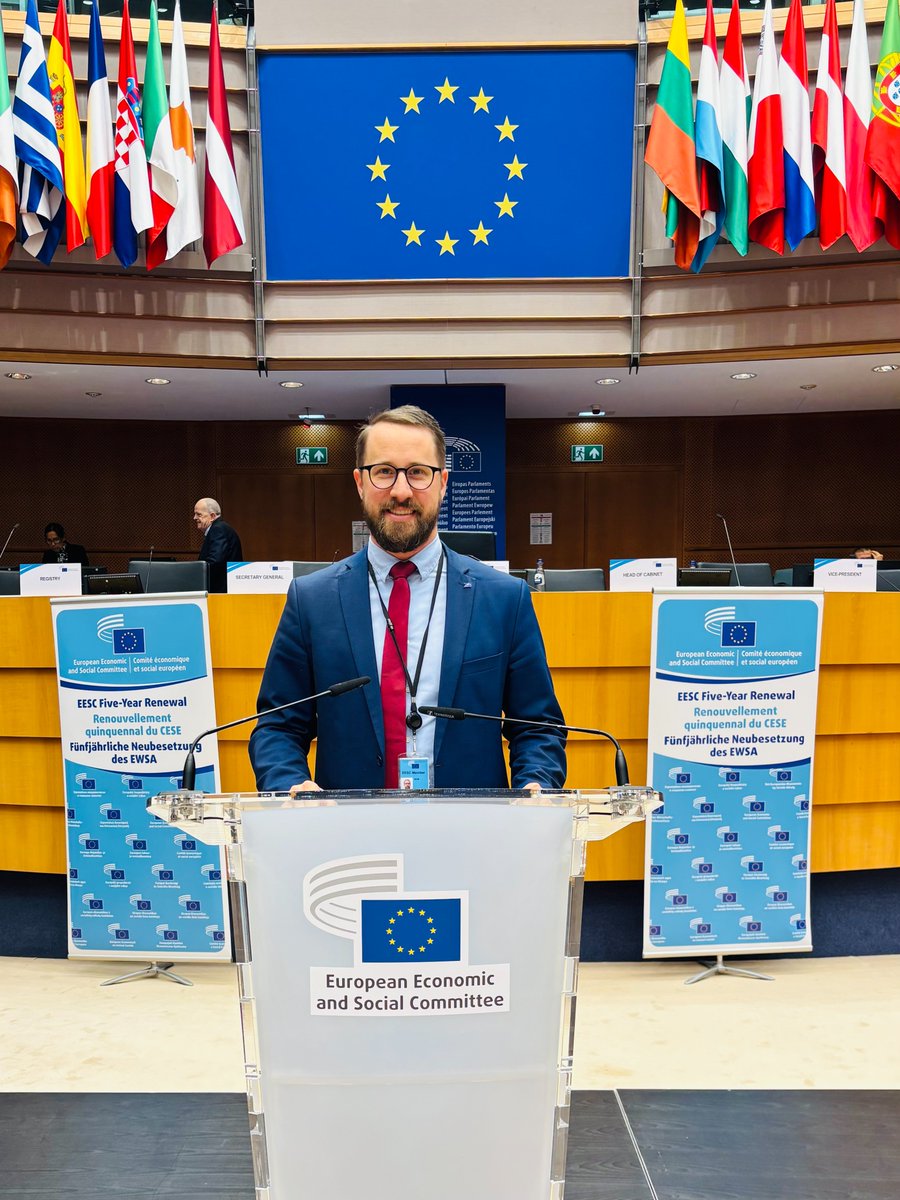
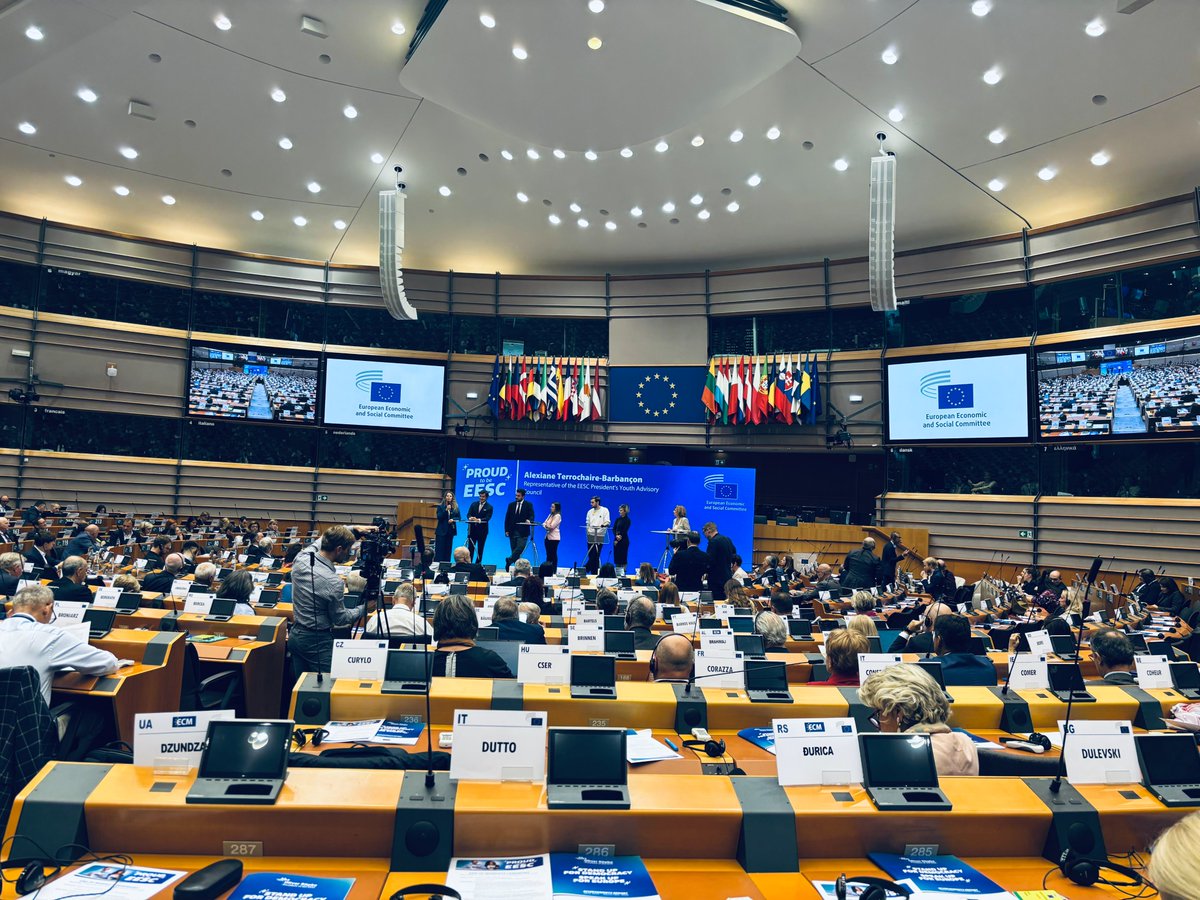
Five years full of challenges, achievements, debates and dialogue have come to an end. During the EESC September Plenary Session at the @Europarl_EN in Brussels, we held our End of Mandate Ceremony – a moment to celebrate what we built together, how to create a more social and competitive EU, put youth at the heart of democracy and amplify the voice of #EUCivilSociety.
Looking ahead, the @EU_EESC stressed that the EU must continue evolving – becoming more resilient, socially cohesive and globally competitive, while staying true to its founding mission of peace, democracy and the rule of law. Civil society will remain at the heart of this transformation, making sure that Europe’s future is fair, inclusive and sustainable.
My sincere thanks go to all 329 Members, colleagues and the dedicated EESC staff. It wasn’t always easy, but it was worth it – and many challenges still lie ahead. Proud of what we achieved. Proud to be EESC.
AI is already transforming healthcare in Europe. In the field of rare diseases, it can reduce diagnostic errors by up to 40% and shorten the diagnostic journey by at least a year – a crucial improvement for more than 30 million Europeans affected. The innovative aiDIVA system has achieved 97% accuracy in identifying causal genetic variants, while the European Health Data Space is emerging as a key tool to enable cross-border AI applications in healthcare.
Looking ahead, quantum technologies promise even greater breakthroughs. Novo Nordisk and academic partners demonstrated how hybrid quantum-classical approaches can accelerate drug discovery and clinical trial optimisation, with simulations already showing performance gains of more than one hundred times compared to traditional methods.
I had the opportunity to participate in the high-level conference “AI Implications on European Union Civil Society: Perspectives from Denmark”, organised under the auspices of the @eu2025dk, where these insights and perspectives were shared. You rock @Juliane_IDA :)
During the 600th plenary session of the @EU_EESC, the Committee elected its new leadership for the 2025–2030 term. Séamus Boland @EESC_President has been elected as the new President, with @AlMastantuono as Vice-President for Budget and Marija Hanževački as Vice-President for Communication. Congratulations and best of luck to the new leadership team — I look forward to working with you!
I’m also very pleased to share that I will continue to be active in the Communication Commission (COCOM) in this new term, now under the inspiring leadership of Marija Hanževački. In her remarks, she highlighted that in today’s era of information overload, technological change, social and economic challenges, and disinformation, listening to citizens and communicating with clarity, consistency, and transparency is more important than ever. I look forward to contributing to this mission and ensuring that the voices of workers, social partners, and civil society remain at the heart of Europe.
Very glad to welcome the new and returning members of the Communication Commission at our first meeting yesterday!
Great to see such enthusiasm and diverse expertise driving our shared goal of effective communication.
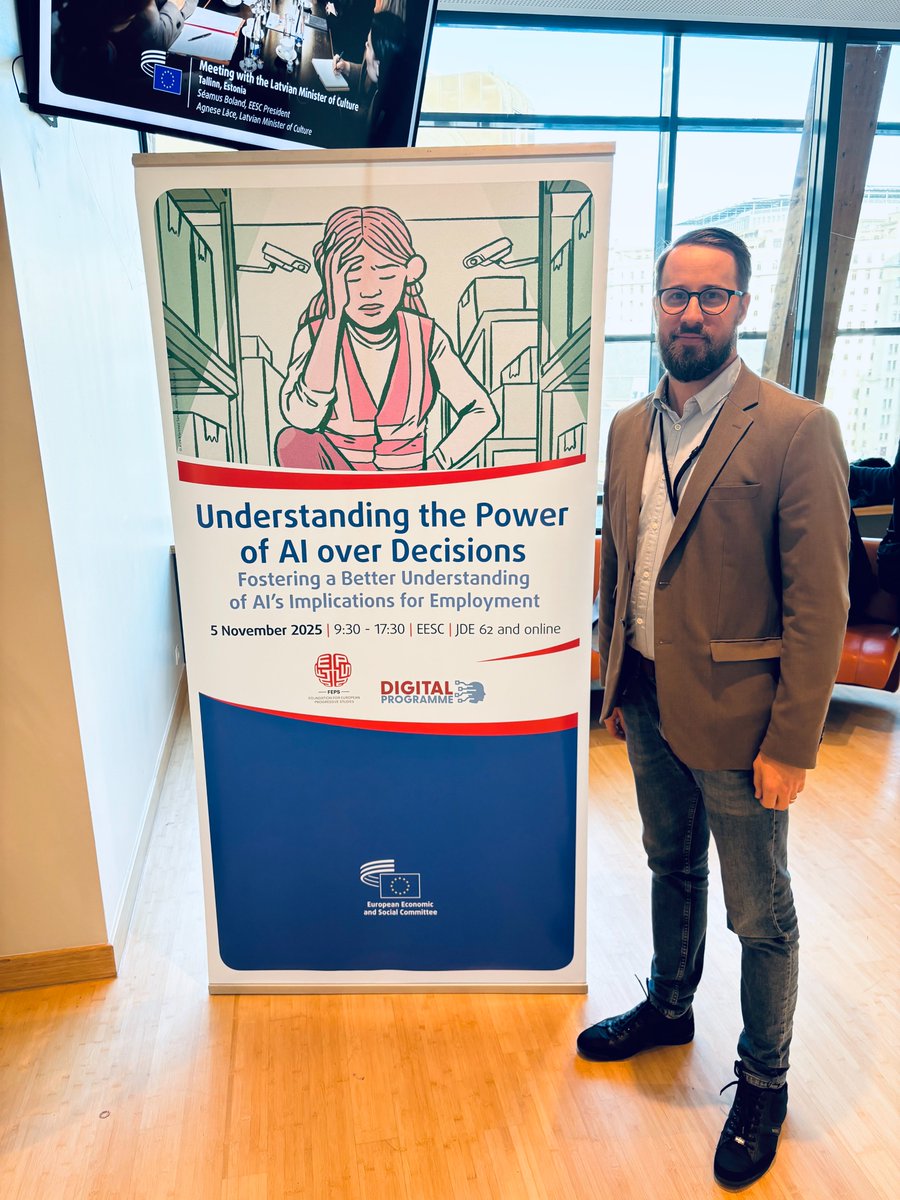
Across Europe, more than 40% of workers are already subject to some form of algorithmic management, according to the @FEPS_Europe study Algorithm by and for Workers (2024). Algorithms now decide not only how tasks are distributed and monitored, but also how workers are evaluated, promoted or even dismissed. While these systems promise efficiency, they often deepen surveillance, information asymmetry, and bias in the workplace.
Against this backdrop, I took part in the conference “Workers’ Voice: Understanding the Power of AI over Decisions” held at the @EU_EESC in Brussels. The event, jointly organised by the @WorkersEESC and the Foundation for European Progressive Studies (FEPS), examined how artificial intelligence and automated decision-making are reshaping employment relations across Europe.
A recurring message from the discussions was clear: AI at work must be transparent, accountable, and human-centred. Embedding the human-in-command principle and strengthening co-determination mechanisms.
As the EU moves ahead with the AI Act, the Data Act, and other forthcoming initiatives such as the Platform Work Directive and the Digital Services Act, continuous dialogue between policymakers, trade unions and researchers will be essential.
This week, during the @ETUI_org EduDays 2025 in Bratislava, we organised a special panel discussion at the @EU_ELA: “Empowering Democracy Through Trade Union Education in a Digital Era.”
Our debate explored how trade union education can strengthen democracy at a time when trust in institutions is fragile, disinformation spreads online, and digital technologies – including artificial intelligence – are reshaping our societies and workplaces.
We discussed how unions can equip workers to face these challenges: preparing them to recognise and resist disinformation, making sure young people see democracy as something real and participatory, and ensuring that technological change brings opportunities rather than new inequalities.
I want to warmly thank our speakers @CosminBoiangiu, @FabioGhelfi5 and @MonikaUhlerova for their inspiring contributions. Together, we showed that trade union education in the digital era is not only about skills, but also about building trust, empowering workers, and defending democratic values in the age of AI.
EU Youth Test is moving forward in hashtag #Slovakia and that the Ministry of Education, Research, Development and Youth of the Slovak Republic has taken a responsible approach. I particularly appreciate that youth organizations were present at the negotiations, alongside State Secretary #JanHrinka, who also invited the Chair of the Education, Science, Youth, Sport and Tourism Committee of the Slovak Parliament, #PaulaPuskarova.
On 19 August 2025, representatives of key stakeholders in the field of youth work met at the Ministry of Education, Research, Development and Youth of the Slovak Republic. The main topic was the implementation of the EU Youth Test in Slovakia. Participants agreed that this tool has strong potential to improve the lives of young people in our country and committed to further cooperation in trying to put the Youth Test into practice.
The State Secretary underlined that involving young people in decision-making and public policy is crucial. The discussion also touched upon assessing the impact of legislative proposals and strategic documents on youth. The outcome of the meeting was a shared commitment to continue the dialogue and search for solutions for the implementation of the EU Youth Test in Slovakia.
At the EU level, the @Europarl_SK has officially commended the @EU_EESC for its Youth Test. The tool ensures that young people’s voices are systematically taken into account and represents an innovative model for inclusive governance. This recognition sets an important precedent for other EU institutions and strengthens the case for youth participation across Europe.
🗣️Young voices matter!
🇸🇰 Bratislava roundtable brought the #EESC Youth Test closer to national policy-making, empowering young persons to shape decisions that affect their present & future.
Read more here👇
https://t.co/qFoAFoeSt1
#Youth#Democracy#Slovakia#EU
While summer heat often signals a slowdown in activity, the European House in #Bratislava was buzzing with ideas and dialogue. Yesterday, over 30 youth representatives, union activists, policy experts, and EU officials came together to debate the national potential of the EU Youth Test, a unique tool for assessing the impact of legislation on young people.
The roundtable, titled “EU Youth Test – a new approach to youth participation in policy-making”, marked a major milestone in bringing this EU-level initiative closer to practical implementation in #Slovakia.
Introduced by the @EU_EESC in 2024, the #EUYouthTest is now being recognized as a pioneering method for integrating youth voices into policymaking. The EESC became the first EU institution to fully implement the tool, enabling structural youth input into official opinions. We must ensure that young people are not just a target group but active participants in the design of future-facing policies.
In an opening, @Lucia_Yar, Member of the @Europarl_EN, highlighted that “young people are experts on their reality, and our policies should reflect their lived experience – not only their future, but their present.” She commended the EESC's example and called on national governments to adopt similar measures to systemically involve youth in public decision-making.
Ján Hrinko, State Secretary at the Ministry of Education, Research, Development and Youth of the Slovak Republic, emphasized that policy relevance and legitimacy are strengthened when young people are part of the process: “Institutionalizing youth participation is not only a matter of good will, but of good governance.”
From a youth perspective, Juraj Lizák, Director and Chair of the Youth Council of Slovakia (@Mladezsk), shared how youth-led platforms in Slovakia are already bringing grassroots voices into public institutions.
The Youth Test is built on three pillars: meaningful consultation with young people, impact assessment of draft proposals on youth, and mitigation of potential negative outcomes.
The Bratislava roundtable, co-organised by the EESC and the European Parliament’s Liaison Office in Slovakia, served as a local testbed for exploring how the #YouthTest can be adapted at national level. Hosting this event in the middle of summer and still seeing such strong engagement proves the relevance of this topic
Participants discussed barriers and opportunities in Slovak policymaking and identified next steps for pilot testing the Youth Test in selected ministries or agencies. With the Youth Test gaining recognition as a benchmark for meaningful youth inclusion across Europe, the Bratislava roundtable may well be remembered as a starting point for embedding the approach in Slovak democratic structures.
My thanks to @HaraslinJan and the entire EP Office team for their longstanding cooperation.
🇪🇺 This week, the Joint meeting of #EESC Communication Commission members and @EU_EESC contact points. The agenda covered important topics such as empowering EESC members in communication, new outreach tools and audiovisual strategies, post-election reflections from Member States, and upcoming interinstitutional communication campaigns.
🔋A particularly valuable part of the meeting was the discussion on new interinstitutional campaigns and communication priorities, which included an exchange of views with representatives from the @EU_Commission and the @Europarl_EN. I took the opportunity to highlight some of the excellent examples and initiatives carried out by our colleagues @RobertSermek, @EuRadim, @zsapkapeter from the EP and EC in Slovakia 🇸🇰
🤝It was a highly engaging discussion with colleagues from the EESC and dedicated staff – thank you for the great cooperation. And of course, excellent work under the leadership of Vice-President @EESC_Plosceanu.
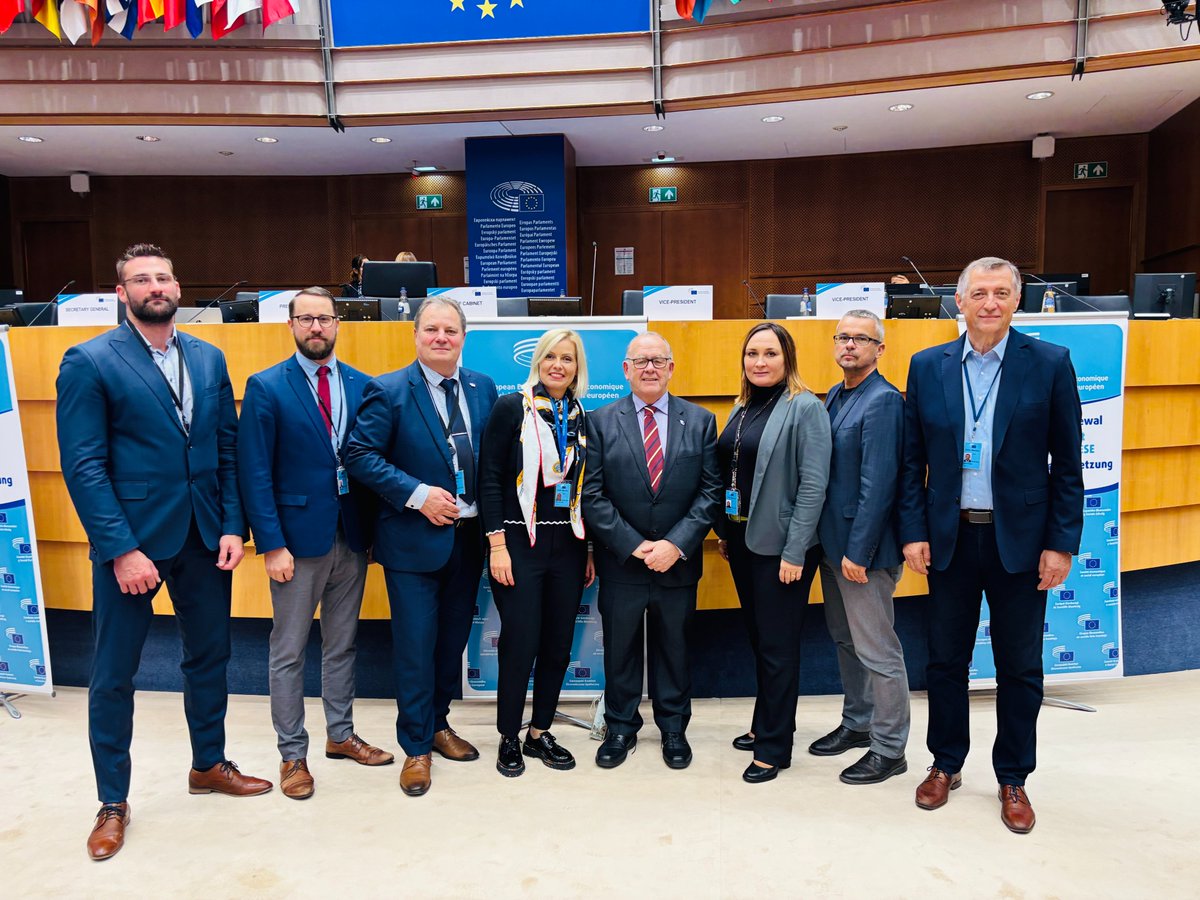
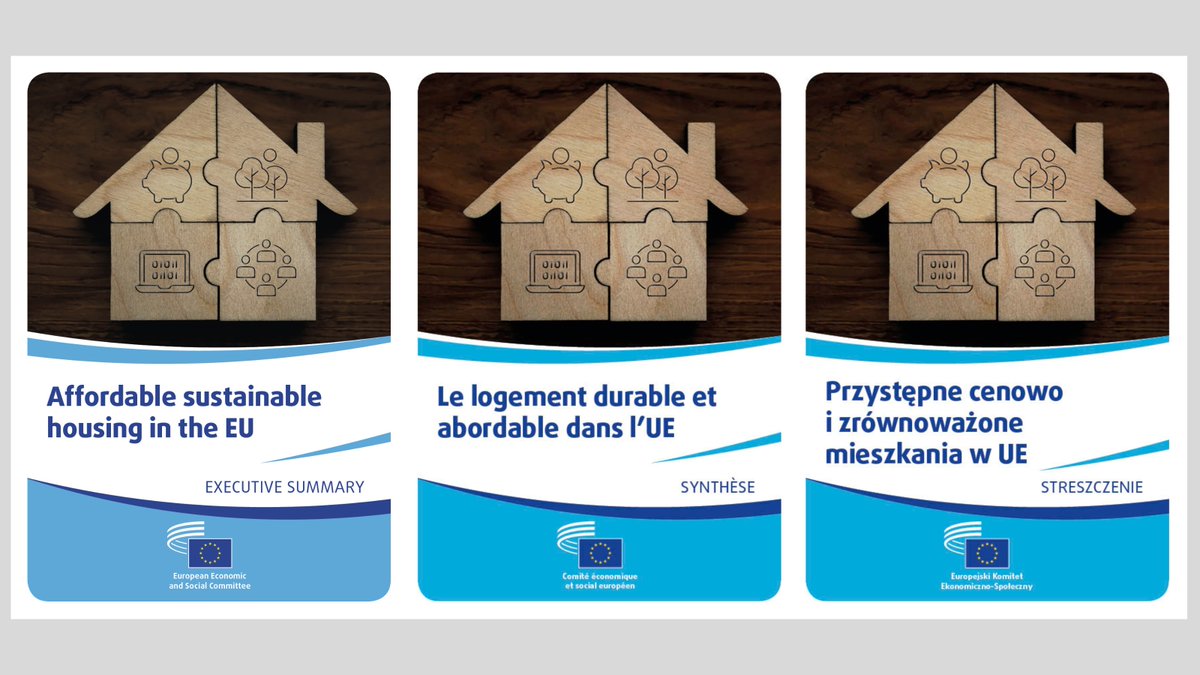
Today, we present the @EU_EESC study on #EUHousing to presidents and secretaries-general of national economic and social councils in Warsaw #Poland25eu#nESC
The study recommends a 🆕European Deal for Affordable Sustainable Social Housing
Learn more 🇬🇧🇫🇷🇵🇱 https://t.co/xd0XSoQQC5
The prospective reform of our 🇪🇺 Customs Union is a real game-changer. As we strengthen our trade ties and e-commerce grows, this reform will modernise it, enabling national customs authorities to act in sync as one. Grateful for @EP_SingleMarket support.
https://t.co/3itIILgDUZ
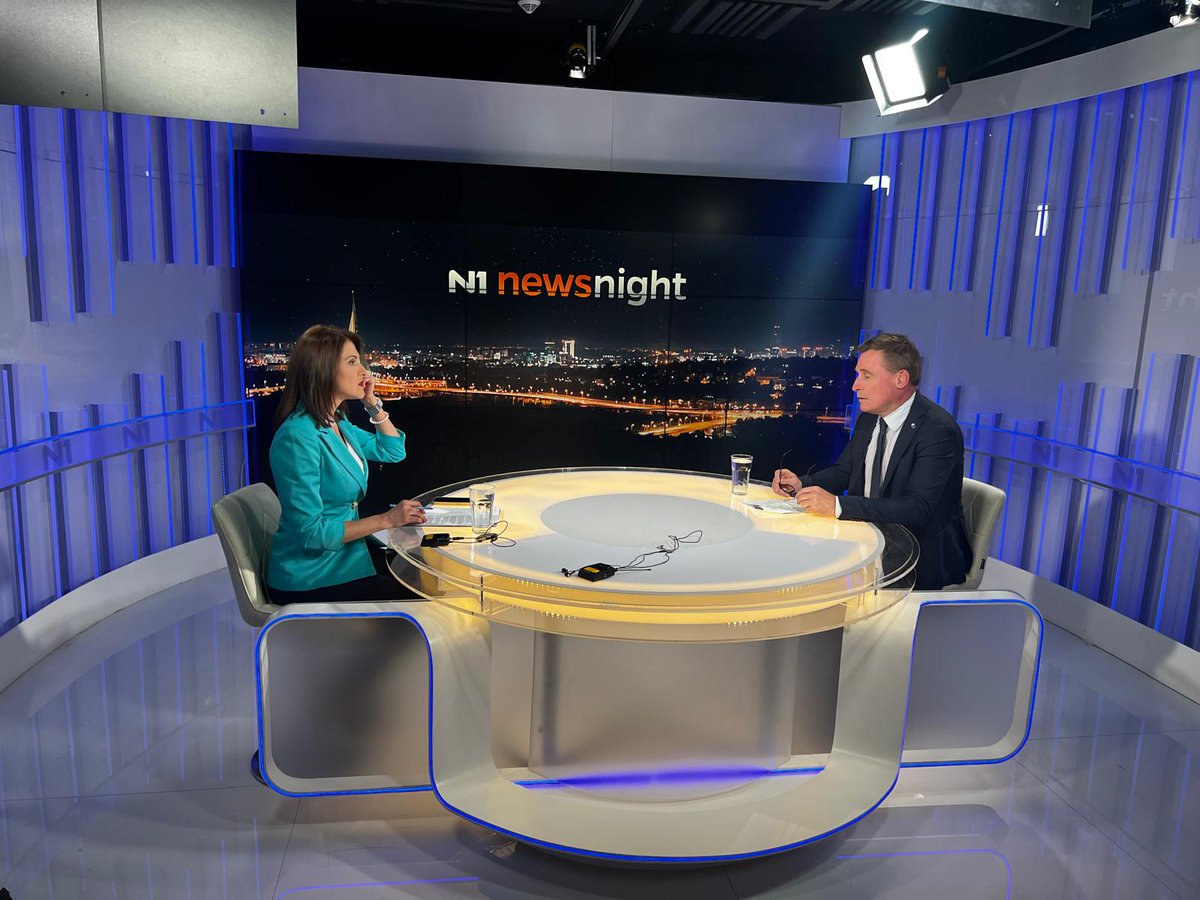
📺 In Belgrade with @N1Srbija to discuss Serbia’s EU path.
I stressed the need for genuine reforms on rule of law & media freedom and praised the energy of 🇷🇸 youth & civil society.
EU integration must be built with people & governments.
#EUEnlargement#WesternBalkans
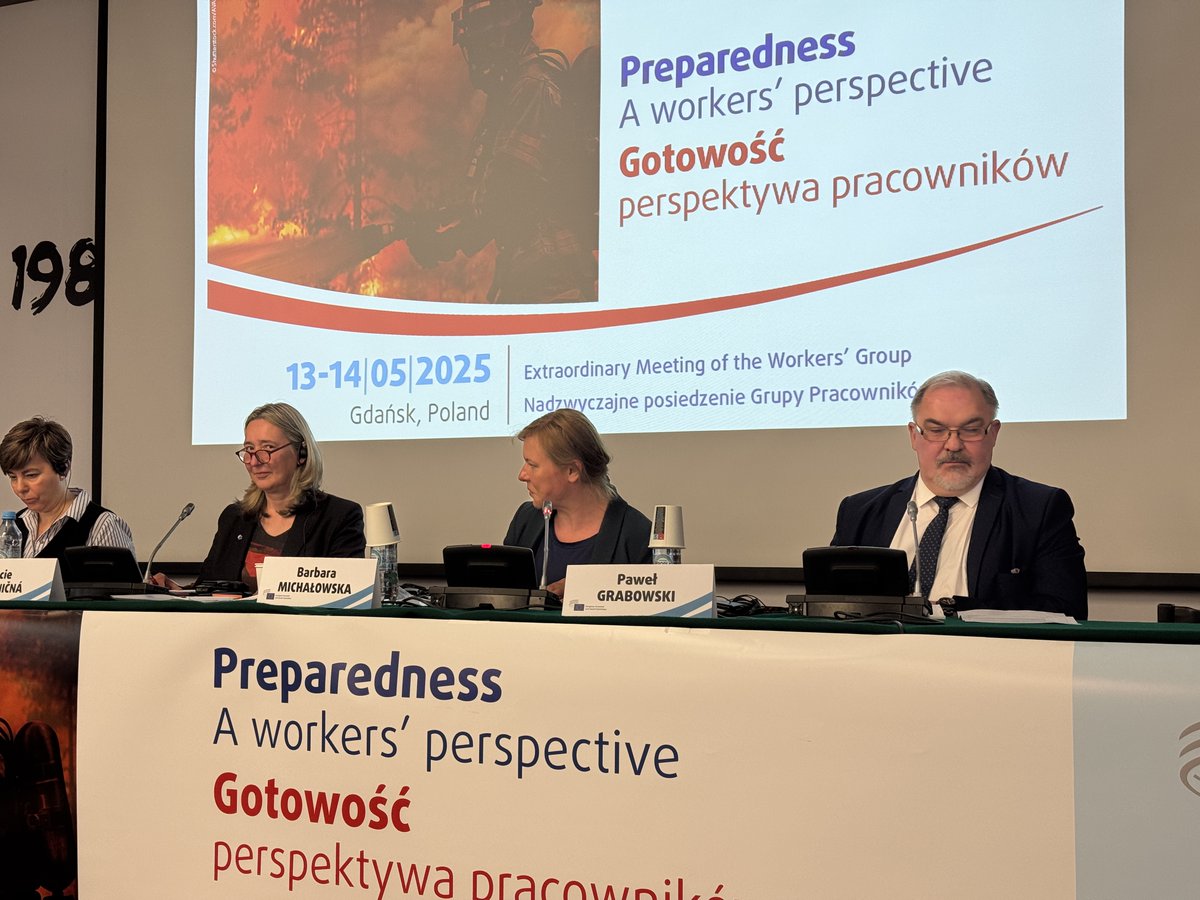
🇵🇱 Participated in the extraordinary meeting of the @WorkersEESC – “Preparedness: A Workers' Perspective”, organised in Gdańsk, Poland, as part of the upcoming @POLAND25EU Polish presidency of the Council of the European Union.
🚢The meeting took place in a highly symbolic location – the historic Gdańsk shipyard, in the very docks where the Solidarność (Solidarity) trade union movement was born in 1980. This was the birthplace of a peaceful workers’ revolution that played a pivotal role in the fall of communism in Central and Eastern Europe. Sitting in the same halls where history was made was both humbling and deeply motivating.
🛟The discussions focused on how workers and trade unions can actively shape Europe’s preparedness for crises – whether environmental, economic, or geopolitical. We addressed the workplace as the “real anti-crisis shield,” the importance of social service workers, and the need for better training, cybersecurity, and strong public services as part of a truly resilient society.
🙏Thank you to the @EU_EESC Workers' Group, Polish colleagues and all experts for powerful contributions and engaging dialogue rooted in the values of solidarity, dignity and social justice.
Join us for the last panel on #Awareness Building
Moderated by B. Michałowska @Solidarnosc_
w/
Z. Polak @NASK_pl
P. Grabowski - District Gdansk
P. Moszner - GROM