💡 Great primer on the basics of Russian propaganda. These exact psychological methods are also increasingly being used by wannabe-dictators and Putin's assets in the West.
@dcowiedurham Sounds interesting (looking at it from the list of advantage competences). Key responsibilities seem v.broad (especially for a 14-month timeframe). Anyway, although I work with VR and physiology and have a degree in pedagogy, I don't fit as a non-psychologist. Hope someone does!
My paper has just been accepted for the International Conference on Cultural Policy Research 2024 in Warsaw!✅"Transdisciplinary study of arts engagement questioning the utility of cultural participation data gathered for cultural policy purposes" #ICCPR2024#ICCPRinWarsaw
@BenWalmsley "spending that money effectively, so that its important work can transform as many lives as possible.” What will they evaluate? ACE work, grant criteria, and assessors work? Will they ask audiences if specific art transformed their lives? And benchmark institutions accordingly?
@JacekSiewiera Konkursy o dofinansowania Komisji Europejskiej mają konkretne zasady i nie ma w nich kumoterstwa i specjalnego traktowania. Nie ma: "zadzwonię do kolegi i załatwię". Jest transparencja i reguły jednakowe dla wszystkich.
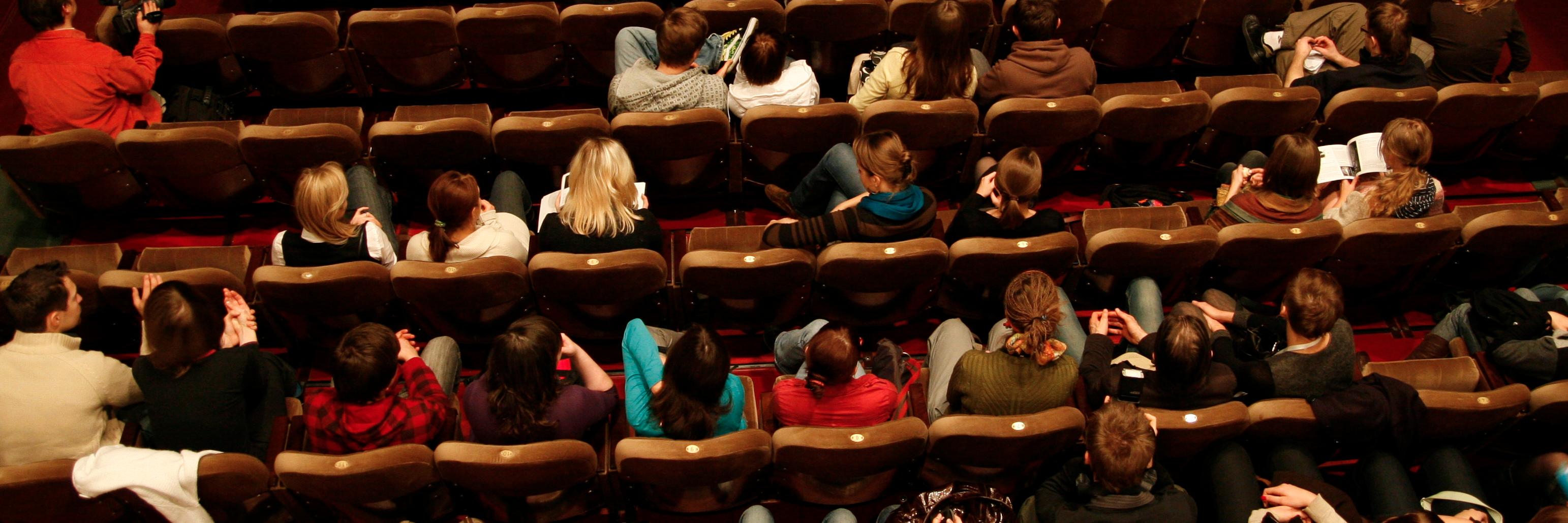
ICYMI: Figures for attendance at arts events have been stable since 2005, despite many audience development initiatives, says Agnieszka Wlazel @LeedsAHRI@awlazel https://t.co/qa4phXmla2
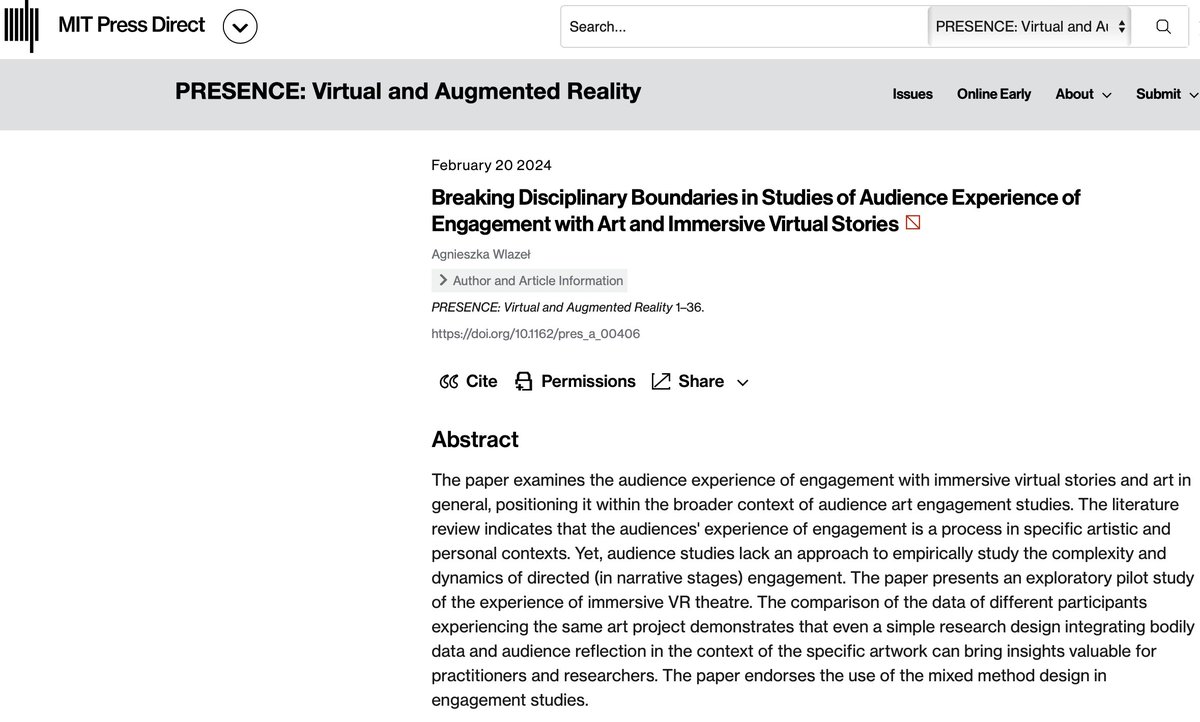
Not just as an #AudienceEngagement researcher, but also as a frequent #VRart audience member, I hope some of VR creators will read my article in MIT's Presence: Virtual and Augmented Reality @mitpress. The article will be published soon!
NEW: an ideological divide is emerging between young men and women in many countries around the world.
I think this one of the most important social trends unfolding today, and provides the answer to several puzzles.
Why the figures for arts attendance in England have been stable for some 20 years despite indefinite variables in action? We should rethink methods for data collection. But we should also rethink audience development practices.
ICYMI: Figures for attendance at arts events have been stable since 2005, despite many audience development initiatives, says Agnieszka Wlazel @LeedsAHRI@awlazel https://t.co/qa4phXmla2
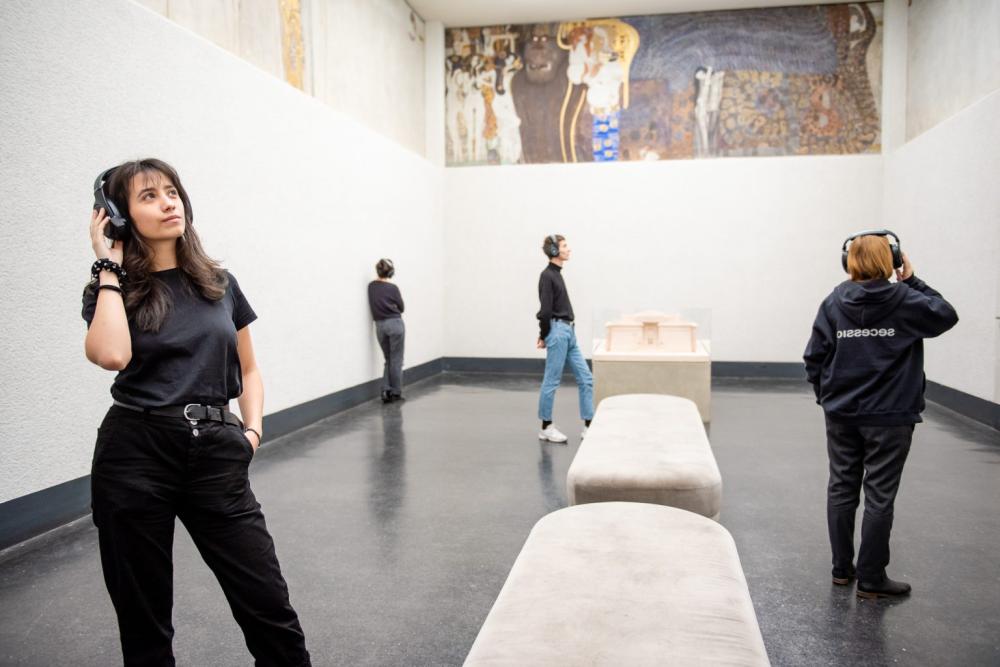
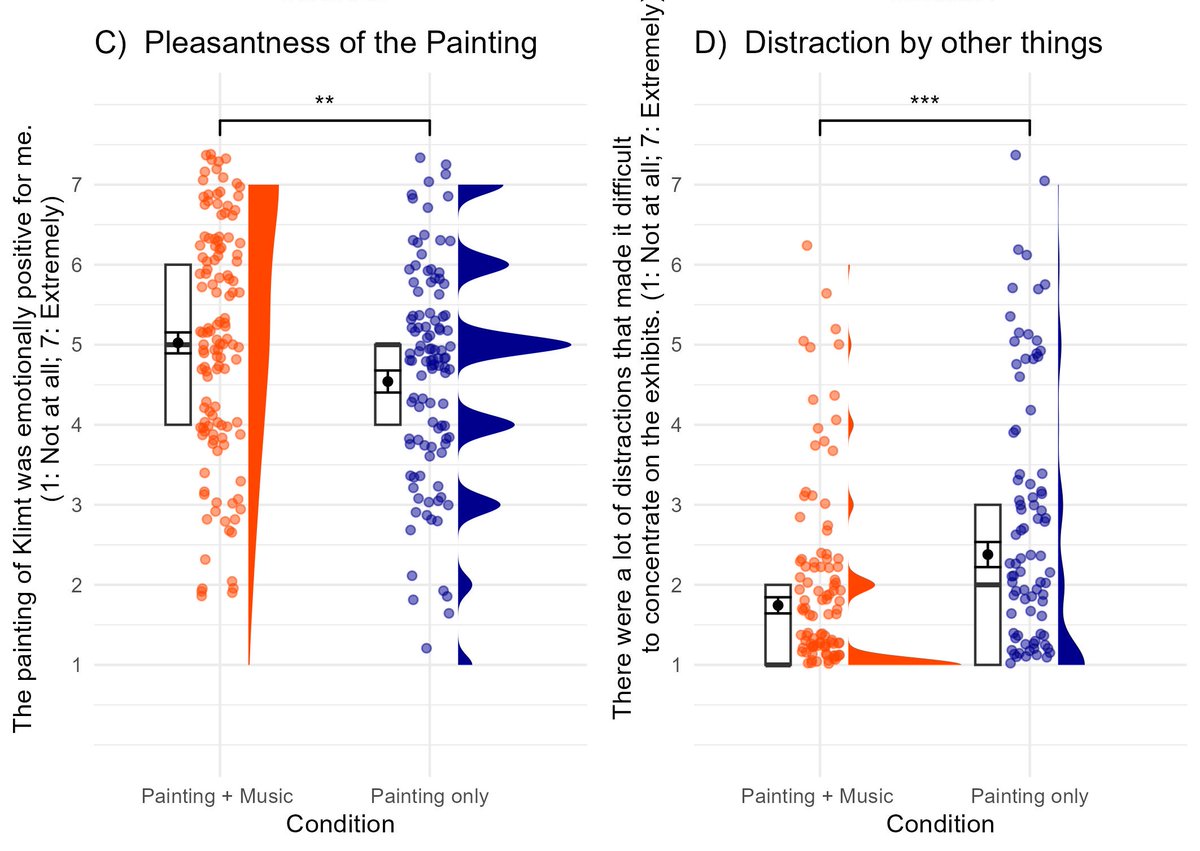
Remember our study last week on ORF? Here are the details: we found that a short museum visit reduced anxiety and stress. People listening to music while viewing Klimt's mural found the painting more pleasant and the music helped them to focus on the art. https://t.co/Drk1DAIXZp
@EdwardVessel Maybe we prefer self-relevance as it is familiar and easier to process (rusulting in more pleasure)? How do you know that the experience was deeper and more meaningful (which questionnaire measured that)?