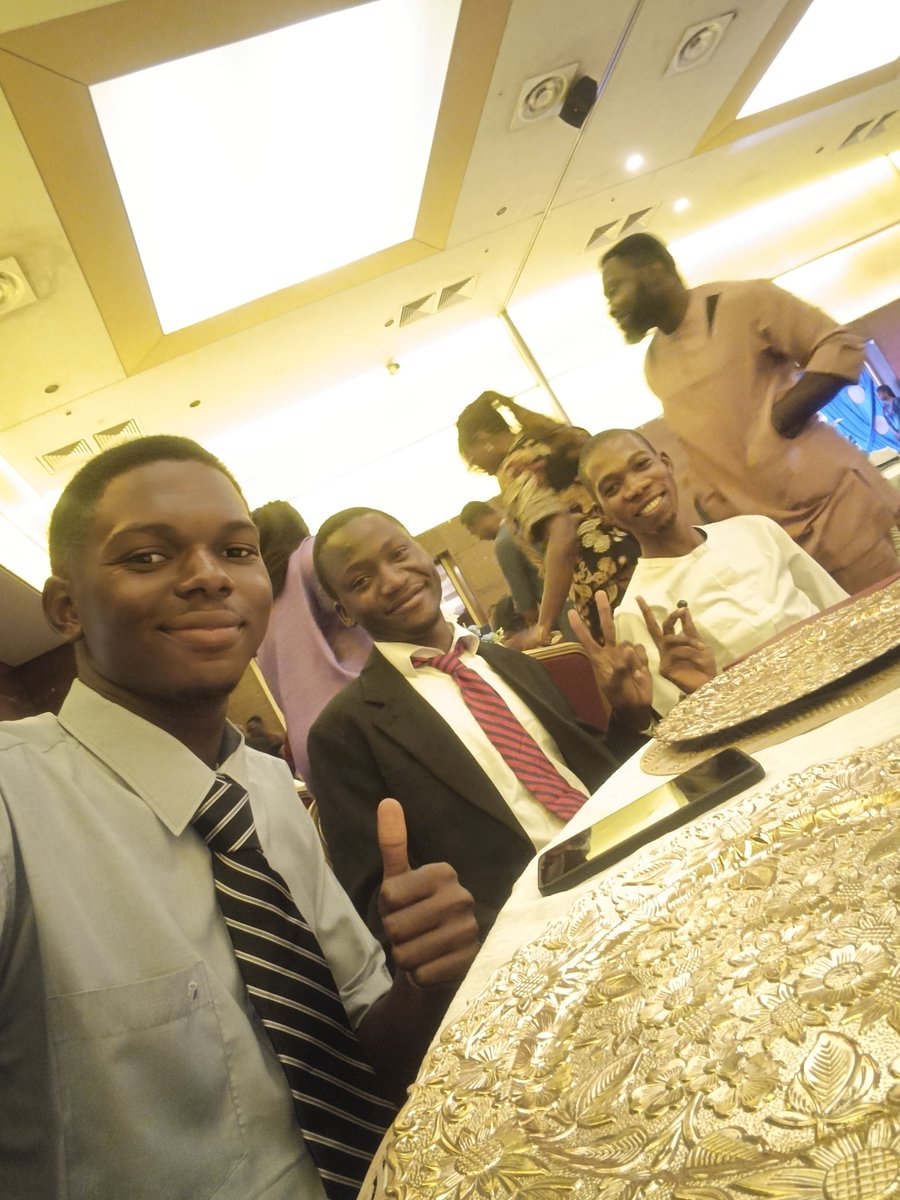
CONNECTION gets you in the room.
connection tells you where the room is.
Sometimes, a conference is not just about what you learn, but who you meet and what they expose you to.
One conversation can change your direction.
pid control is basically three ways of looking at error.
p looks at the error now.
i looks at the error accumulated over time.
d looks at how fast the error is changing.
then combines all three:
u(t) = p + i + d
the intuition:
p → react
i → correct drift
d → add damping
too little p and the system feels weak.
too much p and it oscillates.
i removes steady-state error, but too much creates overshoot.
d predicts where the error is heading, but it is sensitive to noise.
this is why tuning pid is not just choosing three random gains.
you are shaping the behavior of a dynamic system.
rise time.
overshoot.
settling time.
steady-state error.
stability.
motors, drones, robots, temperature control, cruise control, industrial machines.
all using the same basic loop:
measure → compare → correct → repeat.
pid is simple enough to understand in one page. hard enough to spend years mastering.
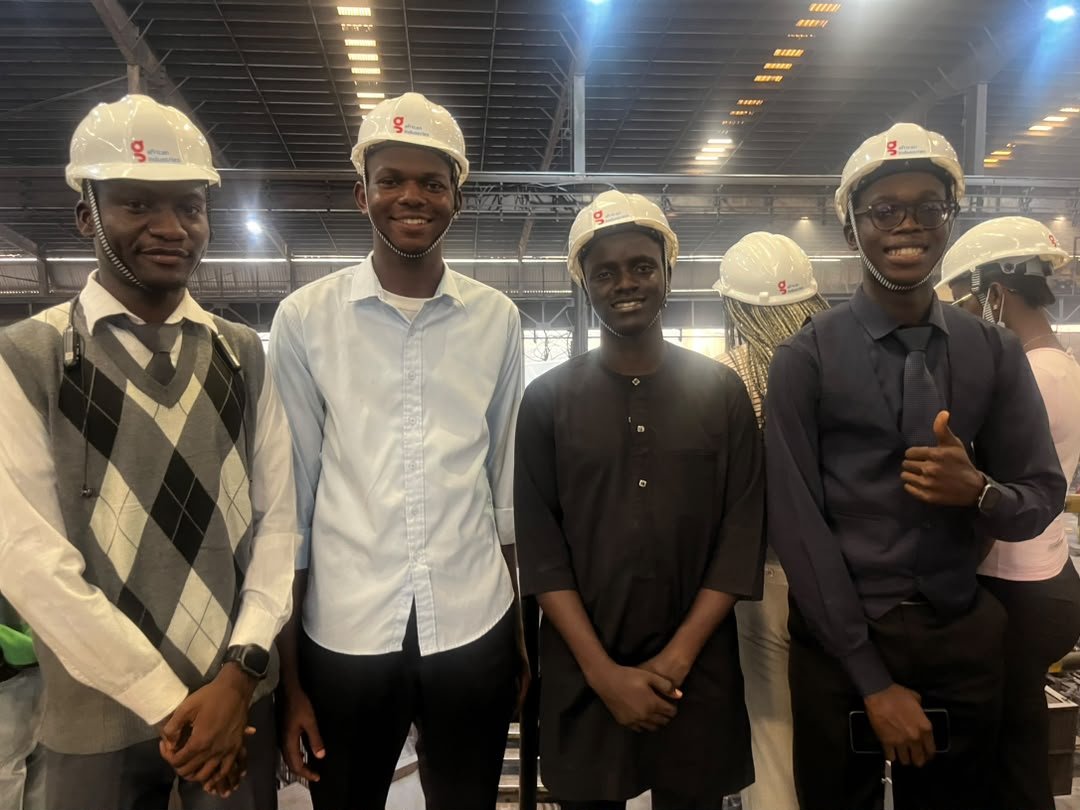
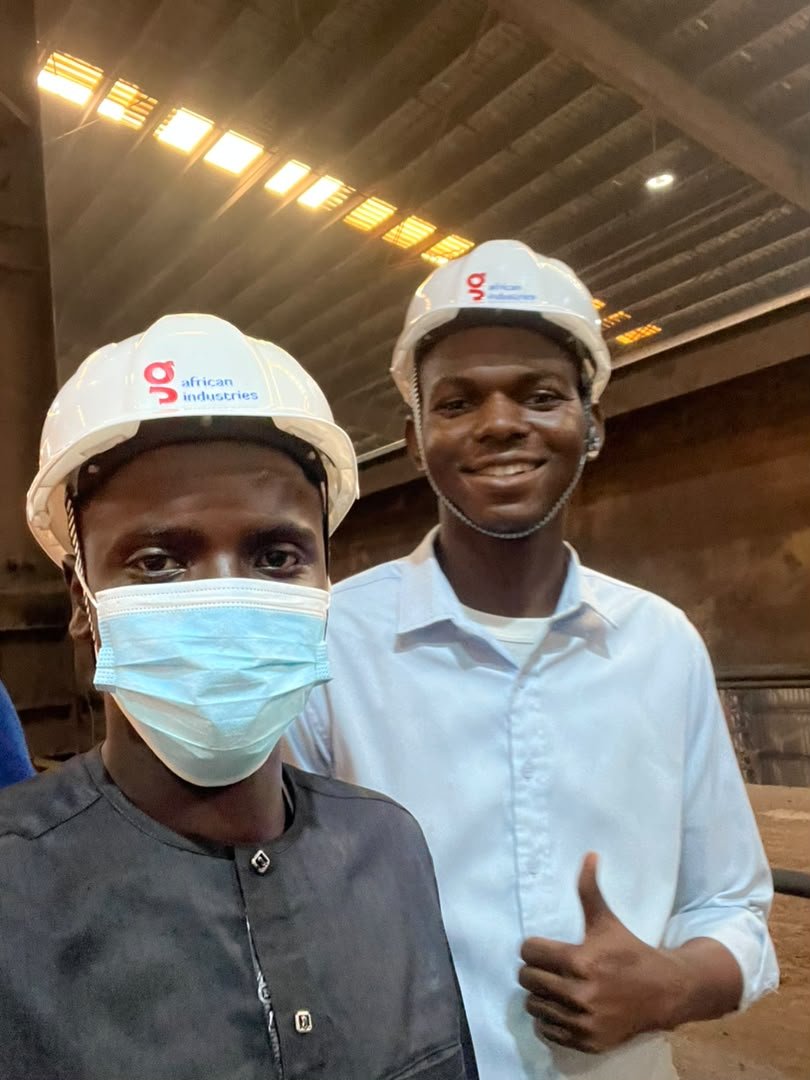
Visited African Industries Group a few weeks ago with NSE Ibeju-Lekki Branch.
Seeing the scale of the operations and the engineering behind it was worth the trip. I picked up a lot and definitely left more inspired.
Looking forward to more experiences like this.