Here's what's groundbreaking 🤯: Dr. Rentería founded the Australian Parkinson's Genetics Study, now the largest cohort of its kind in Australia with nearly 20,000 volunteers! But he didn't stop there 🎯. He's incorporating wearable sensors and digital biomarkers, creating what he calls a "powerful new phenotyping layer" that captures real-world data on movement, sleep, and symptoms 📊
This addresses THE biggest challenge in Parkinson's research: why does the disease look so different from patient to patient? 🤔 While we know genes that influence risk, the vast differences in symptoms remain a mystery. Could this comprehensive genetic database hold the key?
What do you think this means for personalized medicine? 💭Reply below!
Illustrated group portrait of the Computational Neurogenomics Lab’s team at QIMR Berghofer, set against the Brisbane city skyline and river. The illustration captures the diversity, camaraderie, and collaborative spirit of the group in July 2025.
2/7
@AGpodcast Mom or any relaxed fit mid-waist knee length jeans
A brown or black belt
Beige/white/black round neck t-shirt
Canvas tote bag
Round black/brown sunglasses
Pair of white classic Stan Smiths
Silver stud & small hoop earrings
Small diamond silver necklace
Happy to share my first first-author paper !!
We have explored the population differences in allele frequency for pathogenic variants in monogenic Parkinson’s genes, using gnomAD data across 8 global populations.
https://t.co/LOKLK37jwl
Interesting study 🙂👇
How the brain remembers what gave you food poisoning | Princeton Neuroscience Institute @ZimmermanNeuro @Princeton https://t.co/ZEXoRExFVn
A carbohydrate-based meal spikes cortisol in healthy men—while protein or fat allow levels to decline.
This may explain why carb-heavy “comfort foods” paradoxically sustain stress and sabotage weight regulation 🧵1/8
#HeadacheHighlights
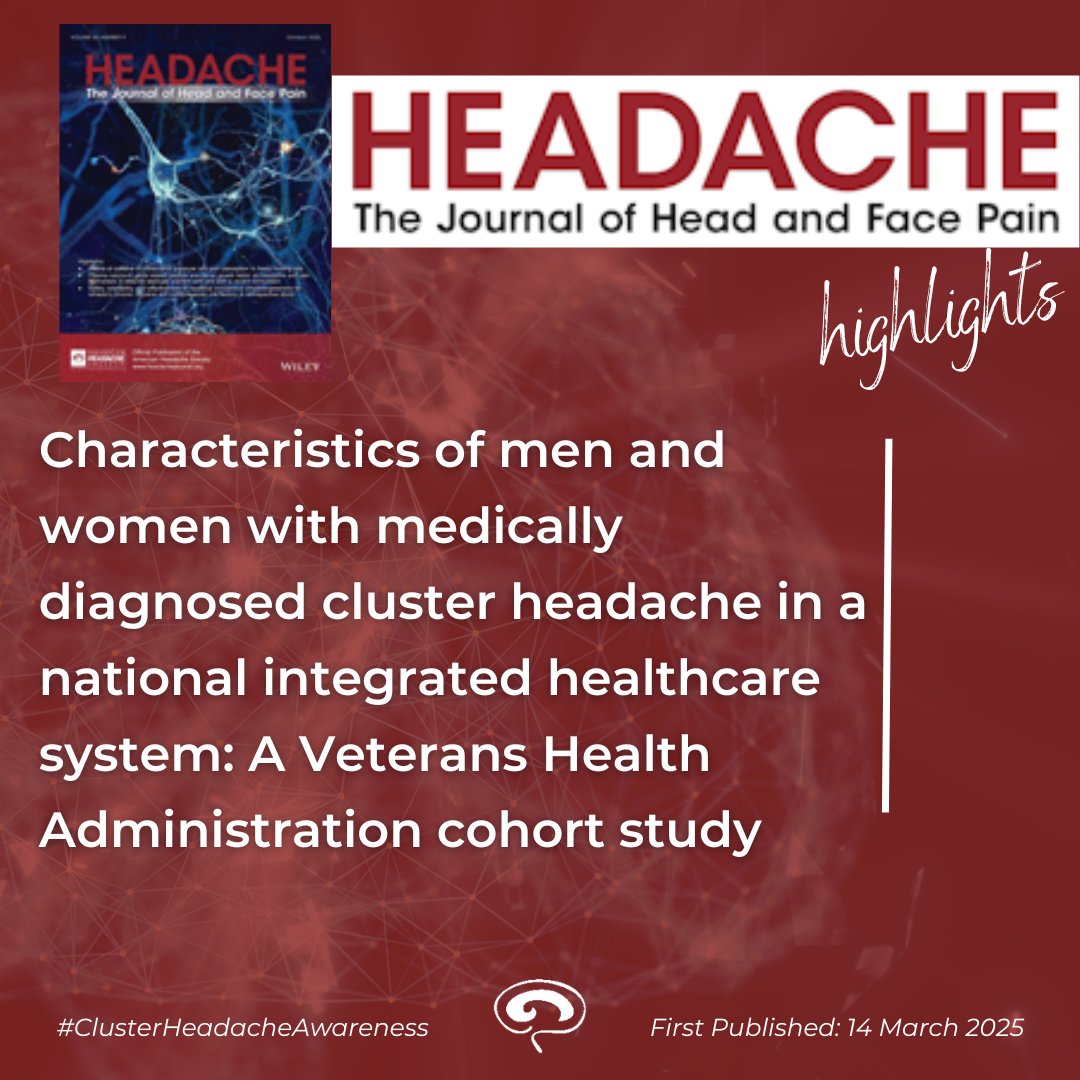
PLS: This study describes the epidemiology of #clusterheadache among all Veterans Health Administration (VHA) enrollees using electronic medical record data from the VHA. We found that during any given 1-year period, between 0.08–0.10% of women and 0.10–0.18% of men in the VHA were treated for cluster headache. Many of these patients also had co-occurring disorders including other headache disorders and depression, so more research is needed to find the best ways to treat these patients.
Read the full @HeadacheJournal article here: https://t.co/U0XHsVVh52 #clusterheadacheawareness
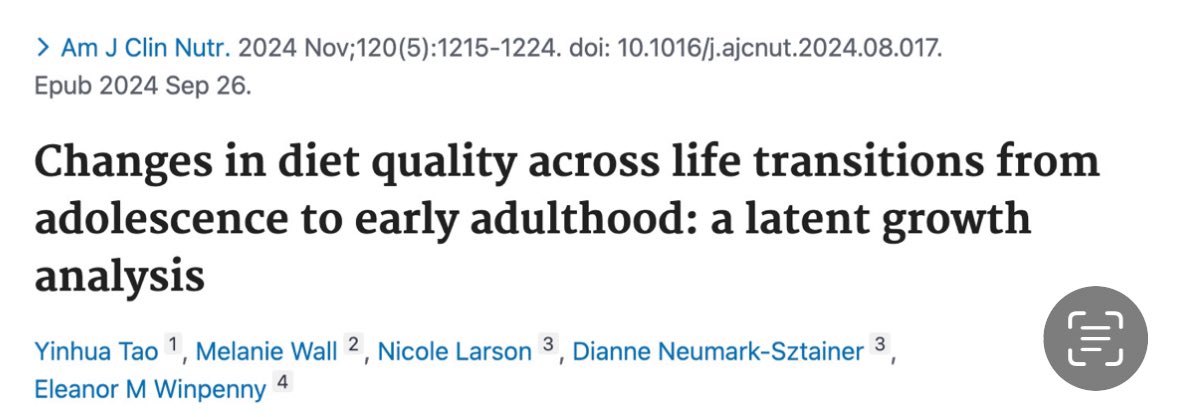
A new study from @MRC_Epid examines how diet quality declines during adolescence but improves in early adulthood, influenced by life transitions such as leaving home and parenthood. #publichealth
Valuable insights for targeted dietary interventions during these critical periods
We are excited to announce our new MSc in Environmental Sustainability and Data Science starting this September! Applications are open now! Learn more and apply here: https://t.co/A0tlyKvaXn @Dipankarsg31@LifeSciWestmin