This is a 3D-printed ice crystal falling freely in air for ~0.06 sec recorded by high-speed cams. This is (surprisingly!) the first kind of such experiments done in air. Read more about this in our @PhysRevLett paper:
https://t.co/G7kjeqcHlL
@maxplanckpress@mpids@APSphysics
Mikroplastik findet sich in den entlegensten Teilen der Welt. Doch wie gelangt es dorthin? Eine neue Studie zeigt, wie sich Mikroplastik und andere Partikel bis zur Stratosphäre ausbreiten können. 🌍 ☁
PM: https://t.co/4oeg9zX5ZN
Paper: https://t.co/HT29xqnU6e
@BagheriMos
In our article just published in @EnvSciTech, we show that long microplastic fibers can pollute extremely remote regions. Remarkably, they can also enter the stratosphere and potentially affect the ozone layer.
https://t.co/RoBbxQbCwY
Interested in understanding the dynamics of atmosphere and clouds? Know anyone who might be interested? we have several postdoc positions in our group. #hiring#postdoc@EberhardBodens1
https://t.co/IfbsgSFl4m
With deep sadness, this post announces the passing of Dr. Firouz Naderi on Fri 6/9. In his last hours, Firouz was surrounded by love and admiration, as he was throughout his life.
Information about memorial services celebrating his remarkable life will be shared as appropriate.
#Kinder atmen wesentlich weniger potenziell infektiöse Partikel aus als Erwachsene – das gilt zumindest für die kleinen Atemtröpfchen, die vorwiegend in der #Lunge entstehen. Das zeigt diese aktuelle Studie https://t.co/MxXJXXge5I #Corona#Aerosole via @mpids@yourUMG
Wir verurteilen Gewalt gegen Studierende und Universitätsmitarbeitende im Iran. Unser Präsidium hat sein Statement aus aktuellem Anlass noch einmal erneuert: https://t.co/rPRYgp58pu
Our article on the risk of infection transmission from wind instruments is now online. We found that instruments act as filters for large particles, making them less risky than vocalizations (but still riskier than tidal breathing), more details at: https://t.co/5dLMmSU5Ct
Blasmusik setzt weniger Aerosole frei als Singen oder Sprechen. Dies ist das Ergebnis einer umfassenden Studie von Eberhard Bodenschatz und Mohsen Bagheri am MPI-DS zusammen mit der Universitätsmedizin Göttingen. @EberhardBodens1@BagheriMos@yourUMG
https://t.co/mPPSg273bl
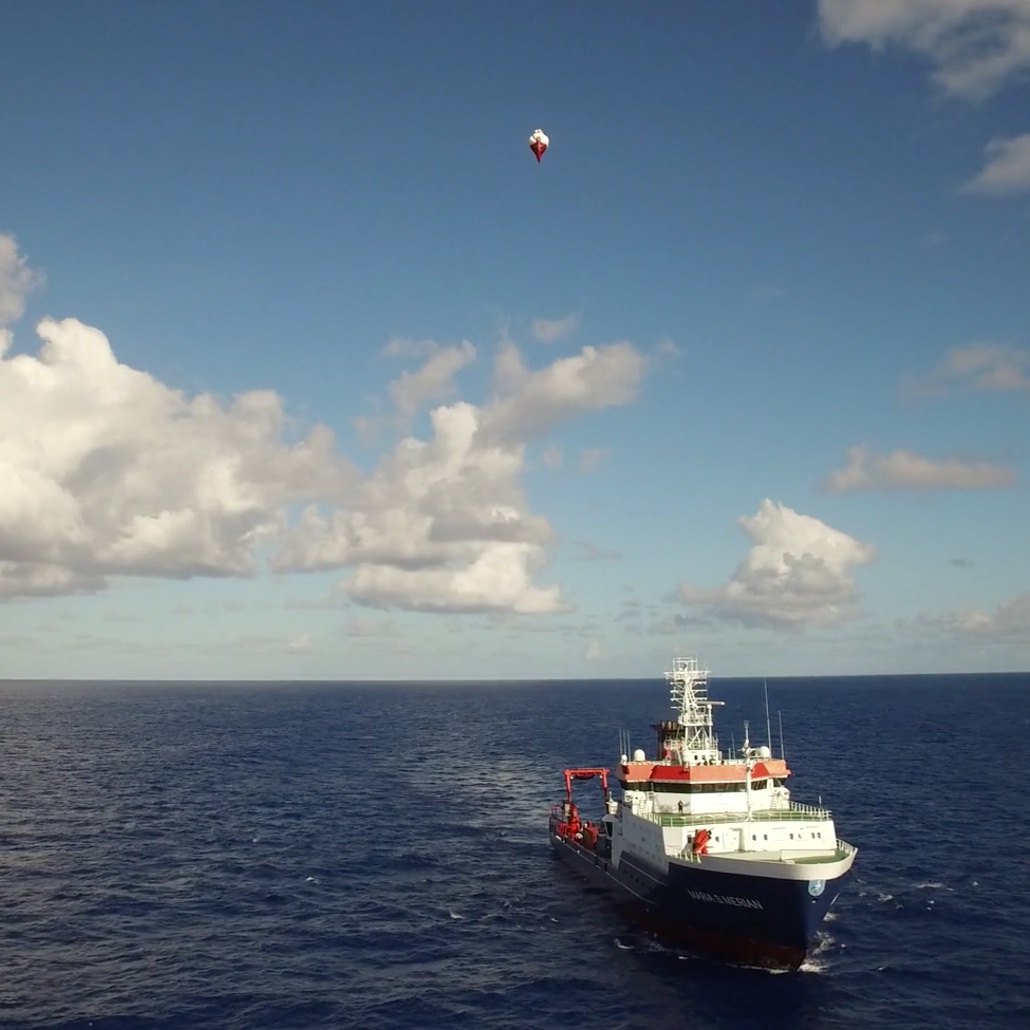
Our CloudKite Crew is currently in Pallas, Finland, participating in the #pace2022 field campaign. The kite will study atmospheric clouds up to 1.5 km high in the sky. We are looking forward to collect some exciting new data! @IlmaTiede@ACTRISRI@EberhardBodens1@BagheriMos
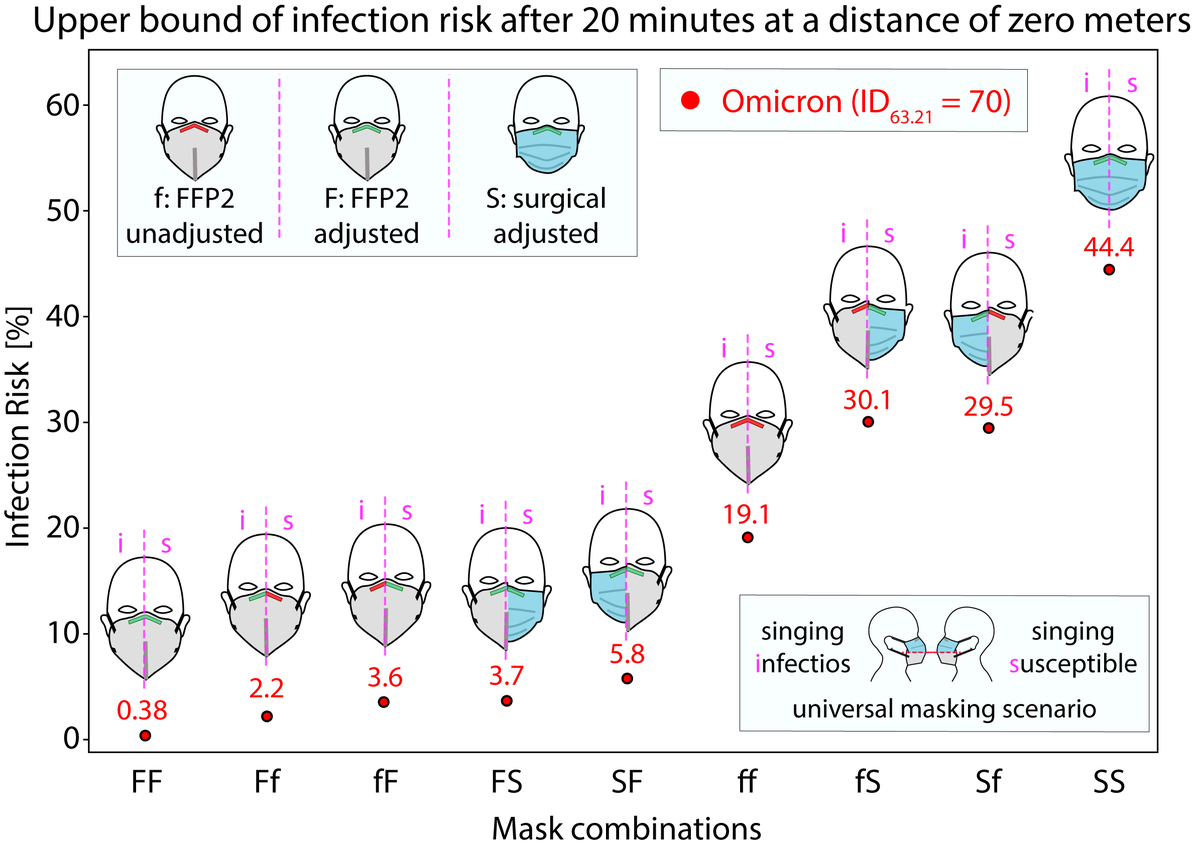
On request we did same analysis as in https://t.co/Fkx49ggUnh when both infectious and susceptible are singing. This is the upper bound with no distance whatsoever. Sining is ok with FFP2/KN95 but medical masks don't perform well. @BagheriMos@mpids
How well do masks protect against COVID-19? A very nice adaptation of our study in children-friendly language, made by @SJforKids: "Kids have the right to understand the world they are inheriting from us"
https://t.co/rLtfiYY75j
In large shops, at least in the typical ones in Germany, the ventilation is designed such that there is always a steady and directed air flow. Meaning: the risk of infection comes from the people who are in the shop with you at the same time and is very low if everyone is masked.
📣 We are hiring! Potential postdocs and PhD students interested in working with us on exciting projects developing machine learning methods for neuroscience, cognitive science and physics, please apply now. https://t.co/N2Td4GjVO6