Second graders are using DoorDash. No parents involved.
PwC just dropped a report:
• 52% of 7-14 year olds have added items to online shopping carts
• 25% have ordered from delivery apps independently
• 46% of 7-9 year olds own a smartphone
• 12% of that group has used Apple Pay
These kids aren't a future consumer segment. They're buying things right now. At 8.
The brands they choose at 9 might be the ones they're still choosing at 29.
Most companies have no strategy for them. That's the gap.
Nobody sold me those shoes. I just saw them 47 times and stopped saying no.
The algorithm doesn't try to convince you. It just takes enough shots on goal until one goes in. The selling doesn't feel like selling. It feels like taste. It feels like your own idea.
Gen Z thinks we're immune to marketing. We skip ads. We call out sponsored content. We make fun of influencer culture. And then we buy the thing anyway.
We might be the most responsive generation to marketing that's ever existed. We just can't feel it happening.
All shots on goal.
(Highly recommend the waffle racers btw🙂↕️)
A $7 matcha and a $10,000 Rolex have more in common than you think.
Both ends of spending are growing. The top end of luxury is doing better than ever. At the same time, "little treat culture" is everywhere. Small intentional purchases that make a random Tuesday feel good.
The middle is what's dying. The $200 purse. The $80 forgettable dinner. Nobody's excited about "pretty good."
Both ends are selling the same thing at different scales. A feeling. The Rolex says "I've made it." The latte says "I'm taking care of myself today." The $200 purse doesn't say anything. It's just a purchase.
If you're building a brand, pick a side. Be the daily ritual or the once-in-a-lifetime purchase. The worst place to be is the middle.
Someone asked me the other day what my five-year plan was.
I gave an honest answer and watched their face change.
Because it didn't sound like a career ladder. It sounded like a lot of different things happening at once.
And I think that's what throws people off. Especially people who built their careers one step at a time, one company at a time, one title at a time.
That model made sense when industries moved slow and loyalty got rewarded. But that's not the world we walked into.
We watched people do everything right. Get the degree. Stay at the company. Follow the path. And then get laid off in a single quarter because the market shifted.
Our generation is adapting. We're building our careers differently.
I know people my age running a brand out of their apartment while interning at an agency while freelancing on the side. Not because they can't pick one thing. Because touching three different systems at once teaches you faster than sitting inside one for five years waiting for your turn.
That looks messy from the outside. But it's not a lack of focus. It's range. And range compounds in ways a single job title never could.
The traditional path says pick a lane, get good, move up. But what if the lane doesn't exist yet?
Most people ask "what do you do?"
Better question: what are you building across everything you do?
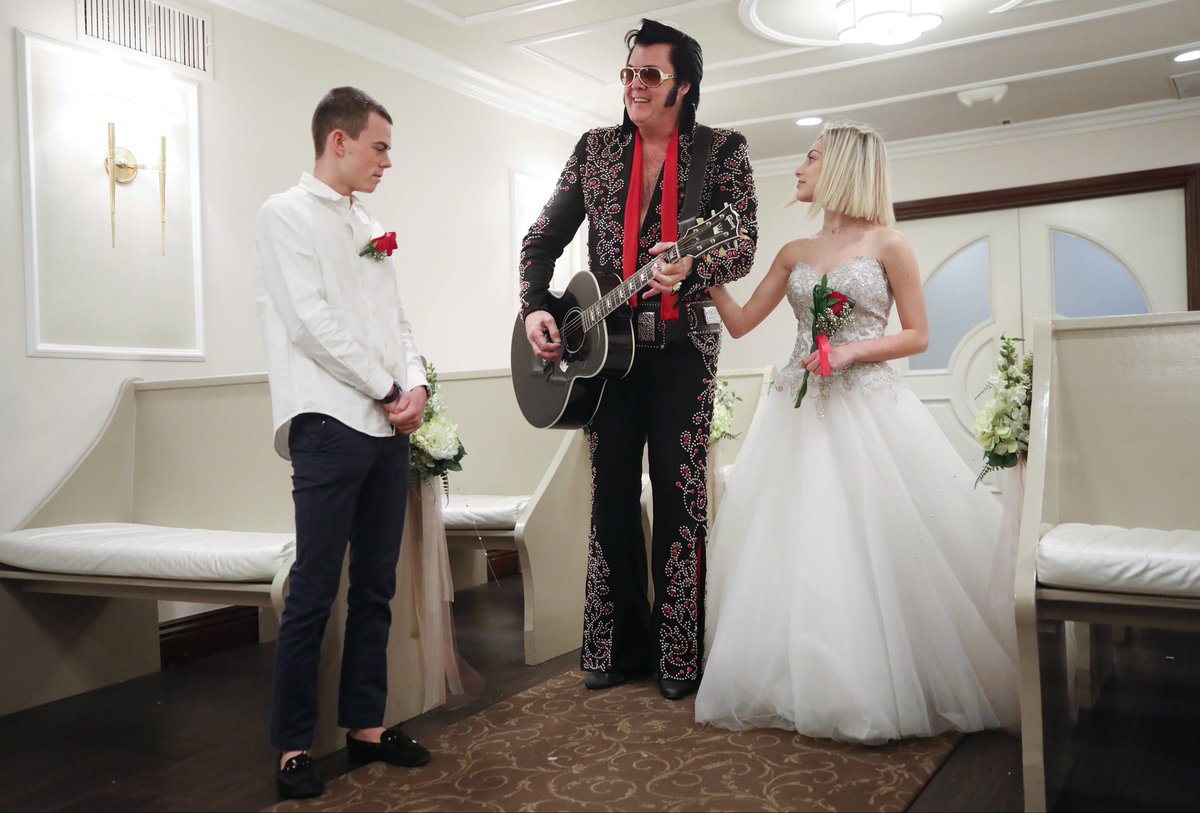
Vegas built a whole micro-economy around weird weddings. Elvis impersonators, drive-through chapels, strangers cheering for people they've never met. Miami could do the same thing. Imagine small venues in Wynwood that are part café, part third space, part chapel. You walk in for coffee and end up witnessing a stranger's five-minute wedding. Officiant dressed like Pitbull. House DJ instead of a string quartet. Cities can design rituals and Miami already knows a thing or two about spectacle.
Somebody needs to build an AI agent for Taobao buying. the whole Mulebuy process is literally just repeatable steps. translate, buy, wait for QC photos, approve, ship. that's exactly what agents are made for. reduce a weeks-long process to a conversation. the pieces are all there
Just tested Ralph’s and Gianni’s new tool to make this video for our AI plush toy and I’m very impressed with how easy it was to use plus the output is pretty good!
Bottega Veneta’s new $7000 Jenga set might seem silly at first.
But it makes sense.
Jenga’s design is built on the exact same principles as Bottega’s intrecciato weave.
So when Bottega reimagines Jenga in walnut and leather,
It’s a quiet extension of the brand’s DNA.
This may be a hot take:
“Established 2023” is branding cosplay.
You can’t fast-track heritage, and you can’t borrow gravitas from brands that earned it over decades.
Be new. Be real. Build the trust you’re trying to fake.
Miami is the prototype of the next-generation sports city: entertainment-first, hospitality-driven, culturally exportable.
Hospitality → sport
Nightlife → sport
Content → sport
Global tourism → sport
Art → sport
The scoreboard matters.
But the experience sells.
#Miami
Young professionals are using fashion as a quiet assertion of identity inside systems that historically demanded conformity.
Issey Miyake pleats. Margiela Tabis. MFpen tailoring.
It’s a generational re-negotiation of what professionalism looks like.
When people learn the “tricks” of connection, connection breaks.
Say my name mid-conversation, and I instantly know you’re trying to influence me.
Every tactic dies the moment people recognize it.
Authenticity can’t be scripted.
Does takeout dilute the brand image of high-end restaurants?
Luxury is about experience, theater, and ritual.
Done poorly, takeout cheapens that.
Done thoughtfully, it can extend it.
Execution and presentation is key.