In 𝟭𝟴𝟴𝟭 when Samuel Johnson was mediating for the Kírìjì-ÈkìtìParapọ̀ peace treaty, the Ìbàdàns had sued for peace to the then Ọọ̀ni-elect, & Johnson brought the message to Dérìn (the Ọọ̀ni elect) in the Ifẹ̀ camp at Òkè-Igbó on the afternoon of December 26, 𝟭𝟴𝟴𝟭.
Dérìn & his chiefs were reluctant in interfering in this matter because (as Samuel Johnson was told by his son Amọdu) the Ìbàdàns are simply now humble due to their disadvantageous position, & that they would soon break their promises & revert to war against all.
The Ìbàdàns later responded to the following effect:
𝗪𝗲'𝗹𝗹 𝘀𝗼 𝗸𝗲𝗲𝗽 𝗼𝘂𝗿 𝘄𝗼𝗿𝗱 𝘁𝗵𝗮𝘁 𝗲𝘃𝗲𝗻 𝗼𝘂𝗿 𝗱𝗲𝘀𝗰𝗲𝗻𝗱𝗮𝗻𝘁𝘀 𝘄𝗶𝗹𝗹 𝗱𝗮𝗿𝗲 𝗻𝗼𝘁 𝘄𝗮𝗴𝗲 𝘄𝗮𝗿 𝗮𝗴𝗮𝗶𝗻𝘀𝘁 𝗜𝗳𝗲̣̀ because: (a) we got our warlike spirit from Ifẹ̀; and (𝗯) 𝗢̣𝗼̣̀𝗻𝗶 𝗶𝘀 𝘀𝘂𝗽𝗲𝗿𝗶𝗼𝗿 𝗲𝘃𝗲𝗻 𝘁𝗼 𝗼𝘂𝗿 𝗔𝗹𝗮̂𝗳𝗶𝗻. 𝗢𝘂𝗿 𝗔𝗹𝗮̂𝗳𝗶𝗻 𝗼𝗳 𝗢̣̀𝘆𝗼̣́ 𝗽𝗮𝘆𝘀 𝗵𝗼𝗺𝗮𝗴𝗲 𝘁𝗼 𝘁𝗵𝗲 𝗢̣𝗼̣̀𝗻𝗶.
Refer to: CMS (Y) Johnson to Griffith, Aug. 23, 1882.
Also quoted in: Akinjogbin, 'The Cradle of a Race,' xii
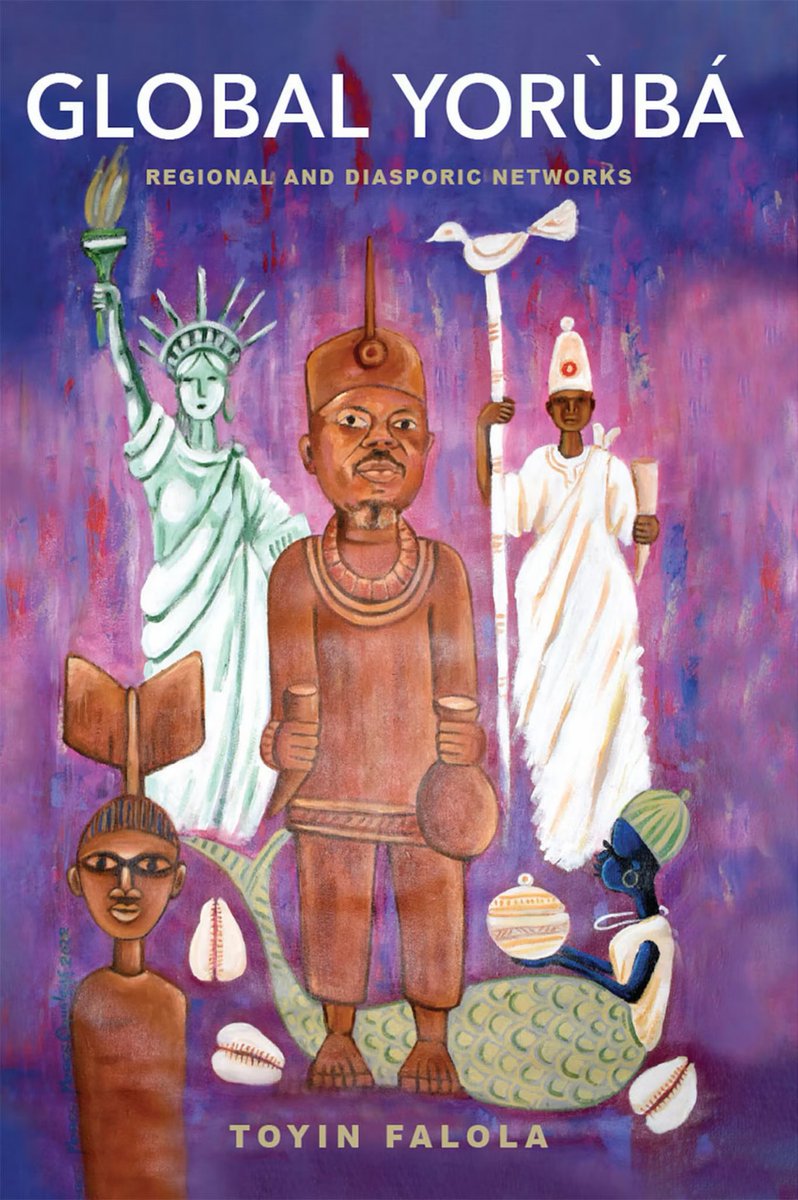
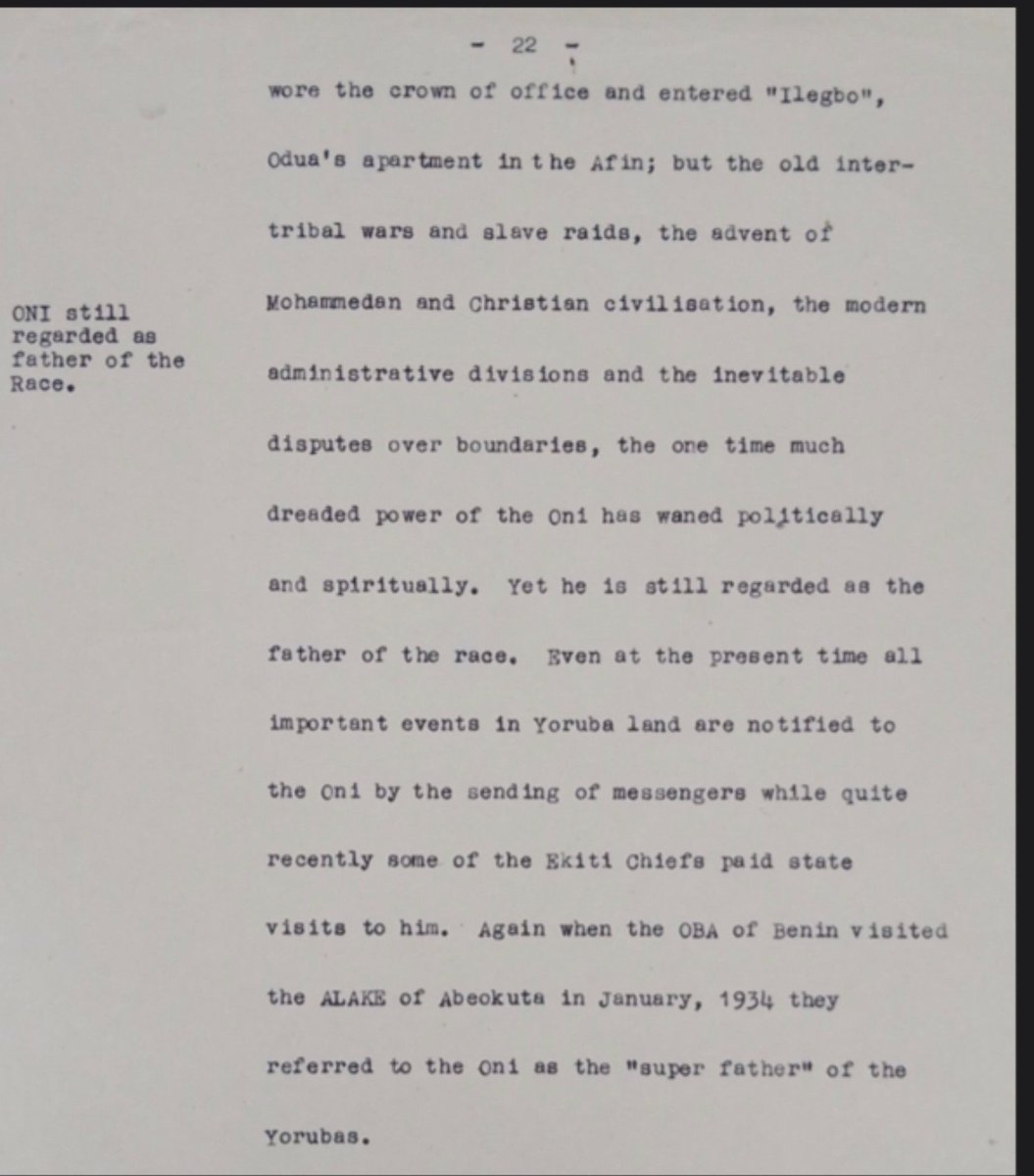
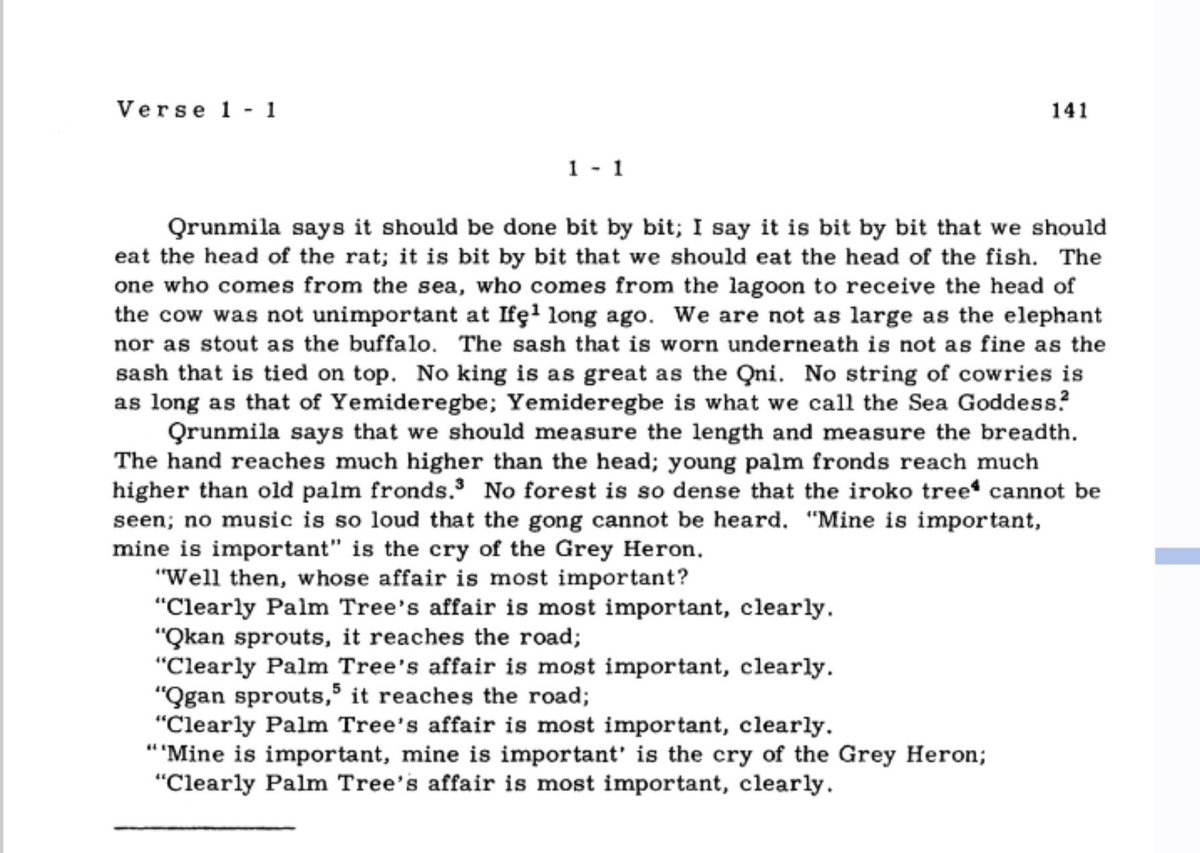
See attached, as also quoted in: 𝗧𝗼𝘆𝗶𝗻 𝗙𝗮𝗹𝗼𝗹���, '𝗚𝗹𝗼𝗯𝗮𝗹 𝗬𝗼𝗿𝘂̀𝗯𝗮��: 𝗥𝗲𝗴𝗶𝗼𝗻𝗮𝗹 𝗮𝗻𝗱 𝗗𝗶𝗮𝘀𝗽𝗼𝗿𝗶𝗰 𝗡𝗲𝘁𝘄𝗼𝗿𝗸𝘀,' 𝟮𝟬𝟮𝟰, 𝗽.𝟱𝟲
Indiana University web version of the attached page: https://t.co/diFlG20GPY
R. Dennet records (on page 25 of his 1910 work) that
𝗔 𝗻𝗲𝘄 𝗔𝗹𝗮́𝗮̀𝗳𝗶𝗻 𝗴𝗼𝗲𝘀 𝘁𝗼 𝗜𝗳𝗲̣̀ 𝘁𝗼 𝗼𝗳𝗳𝗲𝗿 𝗵𝗶𝗺𝘀𝗲𝗹𝗳 𝗶𝗻 𝘀𝘂𝗯𝗺𝗶𝘀𝘀𝗶𝗼𝗻
————
Frame-2 was drawn by C. Arriens for Leo Frobenius
The British Resident (stationed at Ibadan) from 1903 – 1913, Captain Cyril H. Elgee, received the following historical fact, from eyewitnesses & prior Residents:
𝗧𝗵𝗲 𝗲𝗹𝗲𝗰𝘁𝗶𝗼𝗻 𝗼𝗳 𝗮𝗻 𝗔𝗹𝗮́𝗮̀𝗳𝗶𝗻 [by the Ọ̀yọ́-Mèsì] 𝗶𝘀 𝗻𝗼𝘁 𝘆𝗲𝘁 𝗰𝗼𝗺𝗽𝗹𝗲𝘁𝗲 𝘂𝗻𝘁𝗶𝗹 𝘀𝘂𝗰𝗵 𝗔𝗹𝗮́𝗮̀𝗳𝗶𝗻 𝗶𝘀 𝗮𝗽𝗽𝗿𝗼𝘃𝗲���� 𝗯𝘆 𝘁𝗵𝗲 𝗢̣𝗼̣̀𝗻𝗶 𝗜𝗳𝗲̣̀
————
Captain C. H. Elgee, "The Evolution of Ibadan," 𝟭𝟵𝟭𝟰.
The Ọmọ N'Ọba N'Ẹdo (Ọba Ẹwẹka II) testifies in his 1925 letter to the Ọọ̀ni of Ifẹ̀, Ọba Adémilúyì Ajagun.
The Ọba of Benin writes: 𝗧𝗵𝗲 𝗢̣𝗼̣̀𝗻𝗶 𝗼𝗳 𝗜𝗳𝗲̣̀ 𝗶𝘀 𝘁𝗵𝗲 𝗳𝗮𝘁𝗵𝗲𝗿 𝗼𝗳 𝘁𝗵𝗲 𝗢̣𝗯𝗮 𝗼𝗳 𝗕𝗲𝗻𝗶𝗻. 𝗧𝗵𝗲 𝗢̣𝗼̣̀𝗻𝗶 𝗼𝗳 𝗜𝗳𝗲̣̀ 𝗶𝘀 𝗮𝗹𝘀𝗼 𝘁𝗵𝗲 𝗳𝗮𝘁𝗵𝗲𝗿 𝗼𝗳 𝘁𝗵𝗲 𝗔𝗹𝗮́𝗮̀𝗳𝗶𝗻 𝗼𝗳 𝗢̣̀𝘆𝗼̣́. Frame-1 shows the Ọba's letter
@LawalDamilare01@atunwaorunmila It’s not praise. It’s an event that happened in history.
Read the attached document to cry your heart out.
BTW, mommy ẹ o ni soriire — ati daddy ẹ naa tho😂
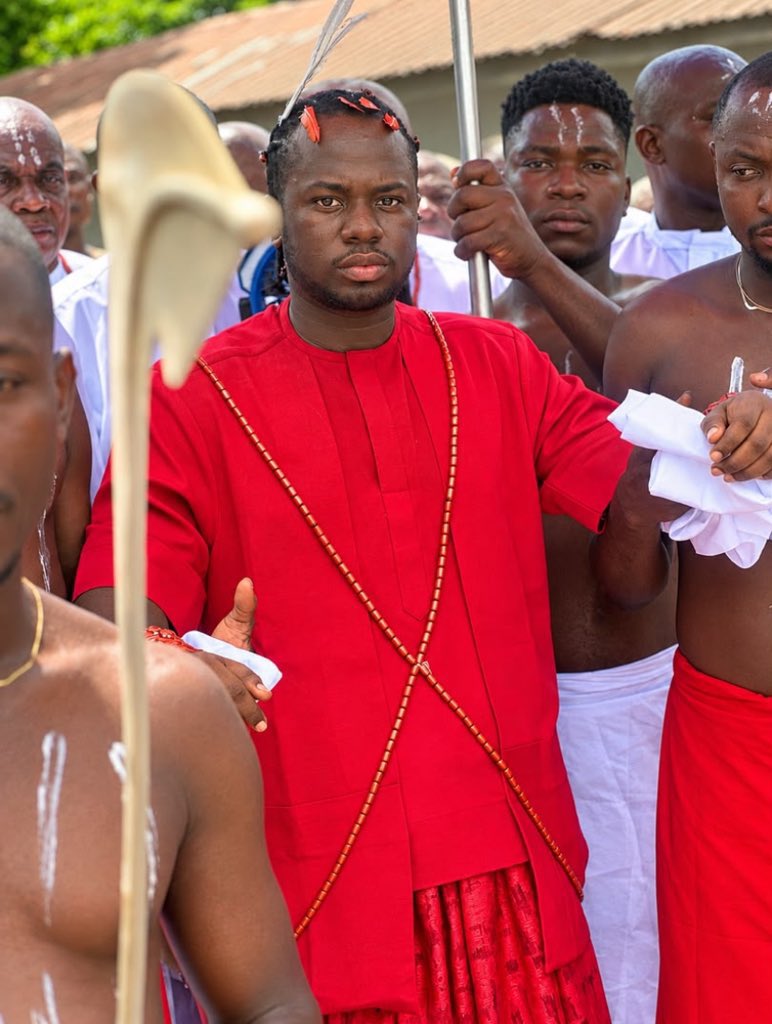
In 𝗙𝗲𝗯𝗿𝘂𝗮𝗿𝘆 𝟭𝟵𝟬𝟯 when the then Ọọ̀ni (Ọba Adélêkàn Olúbùṣe) visited the Lagos Colony, to adjudicate the issue between the Àkárìgbò and the Ẹlẹ́pẹ̀; the then Aláàfin (Ọba Adéyẹmí I Alówólódù) deeming himself undeserving of remaining ọba within his own palace, had to go reside "outside the walls" (in a hastily built hut) in honor of his head king, viz. the Ọọ̀ni of Ilé-Ifẹ̀.
———
𝗙𝗿𝗮𝗺𝗲-𝟭 is exactly as published in 𝗔𝗽𝗿𝗶𝗹 𝟭𝟵𝟬𝟯 by OUP
𝗙𝗿𝗮𝗺𝗲-𝟮: Alâfin in 𝗰𝗶𝗿𝗰𝗮 𝟭𝟵𝟬𝟯 appears to match a hut
An 𝗘̀𝗝𝗜̀-𝗢𝗚𝗕𝗘̀ verse of the 𝗜𝗙𝗔́ orature says & I quote:
"OLÚ-kí-OLÚ kǐ tó ỌỌ̀NI". And this translates as: 𝗡𝗼 𝗦𝗼𝘃𝗲𝗿𝗲𝗶𝗴𝗻, 𝘄𝗵𝗼𝗺𝗲𝘃𝗲���� 𝗵𝗲 𝗺𝗮𝘆 𝗯𝗲, 𝗶𝘀 𝗮𝘀 𝗲𝘅𝗮𝗹𝘁𝗲𝗱 𝗮𝘀 𝗢̣̀𝗼̣̀𝗻𝗶.
———
𝗙𝗿𝗮𝗺𝗲-𝟭: An Ọ̀yọ́ dialect snippet-recital, c. 2026.
𝗙𝗿𝗮𝗺𝗲-𝟮: Full recitation in the Ifẹ̀ dialect, c. 2025.
𝗙𝗿𝗮𝗺𝗲-𝟯: William Bascom, "Ifa Divination," (1969).
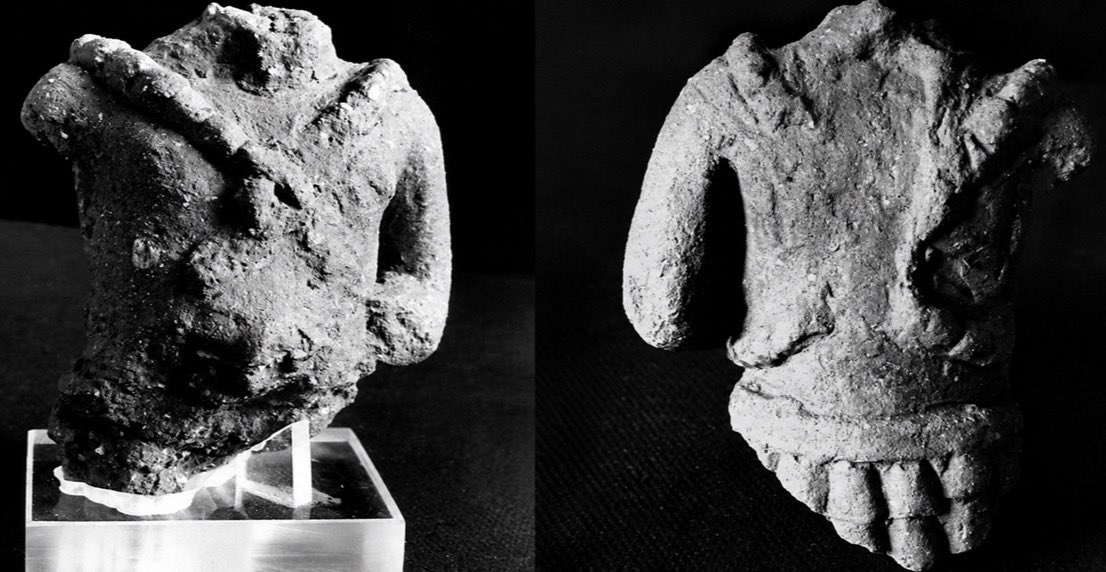
An abraded terracotta 𝘁𝗼𝗿𝘀𝗼 from Classical Era 𝗜𝗳𝗲̣̀, 𝗰. 𝟭𝟮𝟬𝟬𝗖.𝗘., apparently wearing 𝘁𝘄𝗼 𝗰𝗿𝗼𝘀𝘀𝗲𝗱 𝗯𝗮𝗹𝗱𝗿𝗶𝗰𝘀 𝗼𝗳 𝗯𝗲𝗮𝗱𝘀. Part of the wrap-skirt survives at the back, as is obvious from the skirt's 𝘄𝗮𝗶𝘀𝘁-𝗳𝗼𝗹𝗱 and its 𝗳𝗹𝗼𝘂𝗻𝗰𝗲𝘀.
This Ifẹ̀ style survives in some descendant-states of Ilé-Ifẹ̀ such as Ọ̀ɣọ̀ [Ọ̀wọ̀], Òkèlusẹ̀, Ẹ̀dó-Benin, et al.
————
Frank Willett, "The Art of Ife," CD-ROM, 2004: T537.
"Again when the Oba of Benin visited the Alake of Abeokuta in January ,1934 they referred to the Oni as the "Super father" of the Yorubas"
*Intelligence Report on Ile Ife, Captain Mackenzie, 1934.
Alake Ti Ilu Abeokuta, consistent as ever!.
"The sash that is worn underneath is not as fine as the sash that is tied on top. NO KING IS AS GREAT AS THE ONI. No string of cowries is as long as that of yemideregbe, Yemideregbe is what we call the sea Goddess"
Ogbe Meji, Verse 1.
Odu IFA.
Ẹṣẹ́ fún ìmọ̀ràn,Ọ̀rúnmìlà!
You tried to hit me with page numbers and dates, but you exposed that you did not even understand what you read. You are mixing up the Kingdom of Oyo with the entire Yoruba nation, and you completely twisted Samuel Johnson's own words.
Look at how your timeline collapses under actual historical facts:
1. You Confused "Oyo" with All of Yorubaland
You claim Samuel Johnson said Ifá entered Yorubaland during the reign of Alaafin Onigbogi around 1500 CE.
If you actually open pages 158 to 159 of Johnson's book, Onigbogi’s mother, Arugba Ifá, was an Ota woman! She brought Ifá to the palace in Oyo from southern Yorubaland (Ota)!
• Oyo was just one Yoruba kingdom, and they were late to adopt Ifá as a royal court practice.
• For an Ota woman to bring Ifá to Oyo in the 1500s means Ifá was already fully established in southern Yorubaland long before Oyo accepted it.
• In traditional Yoruba history, Ifá began in Ilé-Ifẹ̀, not Oyo.
Oyo accepting a religion in 1500 CE is not proof of when the religion was created—just like Rome accepting Christianity under Emperor Constantine in 313 CE does not mean Christianity was invented in 313 CE.
2. You Don't Know Where Ìyẹ̀ròsùn Comes From
You claim that spreading Ìyẹ̀ròsùn powder on the wooden tray (Ọpọ́n Ifá) is a copy of Arab sand writing (Khatt al-Raml).
This shows a complete lack of basic botany and West African ecology:
• Ìyẹ̀ròsùn is not sand. It is wood dust eaten out of the Irosun tree (Baphia nitida), a sacred hardwood native only to the West African rainforest belt.
• The Yoruba did not need desert sand. They used the sacred yellow dust of their own forest trees.
• To look at indigenous rainforest tree dust and call it "imported Arab desert sand" is trying to force an African tradition into an Arab box.
3. Archaeology Overrules Your 1500 CE Timeline
You asked for proof before 1100 CE.
Archaeologists (like Frank Willett and Peter Shinnie) carbon-dated classical Ilé-Ifẹ̀ back to the 9th to 12th century CE. At those exact ancient layers, archaeologists uncovered sacred potsherd pavements, ritual glass bead crucibles, and ritual sites that prove Ifẹ̀ was already an advanced urban and spiritual empire hundreds of years before your supposed 1500 CE Oyo story.
Furthermore, you still have not answered the central question: Where are the Arabic loanwords?
If Arabs or their students brought this system down into West Africa, why does the 256 Odu matrix have zero Arabic names? Why is every single tool—Ikin, Ọ̀pẹ̀lẹ̀, Ọpọ́n, Àpètèbí, Babaláwo—100% Niger-Congo Yoruba vocabulary?
So,
1. The 16-figure binary grid is a universal mathematical truth. Just as China invented binary hexagrams (I Ching) and the Maya invented zero without Arabs, Africans developed binary base-2 math on their own.
2. Samuel Johnson proved that Oyo received Ifá from Ota (another Yoruba town), not from across the Sahara.
3. Ìyẹ̀ròsùn is forest wood dust, not desert sand.
You quoted a chapter you didn't even understand. Next time you drop page numbers, make sure you actually read what happened to Arugba Ifá from Ota.