💡 Today’s Domaining Tip💡
Today’s Domaining Tip
Since I see many domainers mess this up:
A brandable domain does NOT mean only made-up words.
There are many types of brandables:
• Invented names (Google, Zillow)
• Real dictionary words used creatively (Stripe, Square)
• Compound words (Shopify, Facebook)
• Two-keyword brandables (very underrated)
– Strong + Simple (OpenAI, Basecamp)
– Verb + Noun (PayPal, DropBox)
– Adjective + Noun (Fastly, CalmApp)
• Modified words / phonetic tweaks (Fiverr, Tumblr)
• Abstract words with strong sound & meaning (Uber, Slack)
• Short acronyms that feel like words (Asana, Roku)
What makes a domain brandable is memorability, pronunciation, emotion, and flexibility not whether the word exists in a dictionary.
Domain investing is NOT for people who don’t have patience.
If you buy domains and need to sell them before renewals because you don’t have enough cash flow to cover expenses, you’ll either:
1. Switch models to wholesaling
2. Learn to outbound
3. Leave the industry
No shame in any of the options above.
You don’t need to invest in domains like everyone else to be successful.
You can buy premiums
You can buy closeouts
You can buy auctions <$100
You can hunt for others
You can hand reg and do outbound
You can invest in industries
You can invest in niches
You can invent brandables
You can buy exact match
You can buy single words in ccTLDs
You can hand reg trending words
You can hand reg tech words made up today
You can purchase failing business domains with SEO value
You can flip for profit
You can hold for decades for capital appreciation
You can buy expired domains with backlink value
You can target geographic/local domains
You can invest in emerging TLDs
You can buy domains with existing traffic
You can focus on short numerical domains
You can target seasonal/event-based domains
You can buy domains related to future technologies
You can invest in domains related to emerging markets
You can buy domains with built-in communities
You can acquire domains with historical significance
You can target industry-specific extensions
You can buy domains related to upcoming regulations
You can invest in multilingual domains
You can acquire domains with memorable patterns
There’s no single correct answer for how YOU invest
Over 5 million domains added to SellerHub. More than 2,300 sold.
That’s a lot of movement. And also, a lot of names are still waiting.
We’ve already explored how pricing impacts sales.
But what else hides behind a successful domain sale?
Is it the name itself, luck, pure skill, or maybe all of them combined?
We looked deeper into domain selling strategies: when they work, what tends to hold them back, and the patterns we keep seeing 👇
☑️ Landing page that converts
When and why it works: when the name already gets some type-in traffic or feels brandable. A clean sale page with clear messaging and pricing options builds instant trust.
What can hold it back: cluttered, outdated design, unclear pricing.
☑️ Developing a simple site for the domain
When and why it works: when the name has clear potential – a niche keyword or strong brand idea. Even a one-page site built with AI tools can help buyers visualize how it could work as a business or product.
What can hold it back: investing too much time. The goal is to show potential, not to run a project.
☑️ Targeted outreach
When and why it works: ideal for names that naturally fit certain companies – for example, businesses using the keyword, operating in the niche, or running something similar. Short, personalized messages that show why the name makes sense for them often open doors.
What can hold it back: mass emails, templates, or pushy tone. Outreach works when it feels researched and human.
☑️ Brandable marketplaces
When and why it works: perfect for creative, short, or emotional names. Marketplaces, including the Brand Store we are building, add logos and storytelling that help buyers see a ready-made brand.
What can hold it back: keyword-heavy, long, or confusing names. They rarely fit brandable platforms.
☑️ Community and visibility
When and why it works: engaging in domain discussions, sharing insights, and being active in places like X or NamePros builds recognition. Over time, people associate you with quality and reach out naturally.
What can hold it back: showing up only to promote. Conversations build reputation; promotion alone rarely does.
☑️ Brokers for premium names
When and why it works: when the domain has clear brand weight and genuinely high-value potential. Brokers bring networks, negotiation skills, and trust.
What can hold it back: handing out average names. The commission structure only really makes sense when the domain’s upside matches the effort.
There is no single formula.
Most successful sales come from a mix of visibility, timing, and patience.
Domains tend to sell when they’re seen, understood, and offered at the right moment.
Agree? – 🩵
What else would you add to the list?
Make sure to give this video a thumbs up and comment if you find value in the information I share.
There are lots of ways you could leverage this video to help sell your domain names.
The impact the very foundation and future of a brand.
https://t.co/10vFh5Tt8H
💡 Today’s Domaining Tip 💡
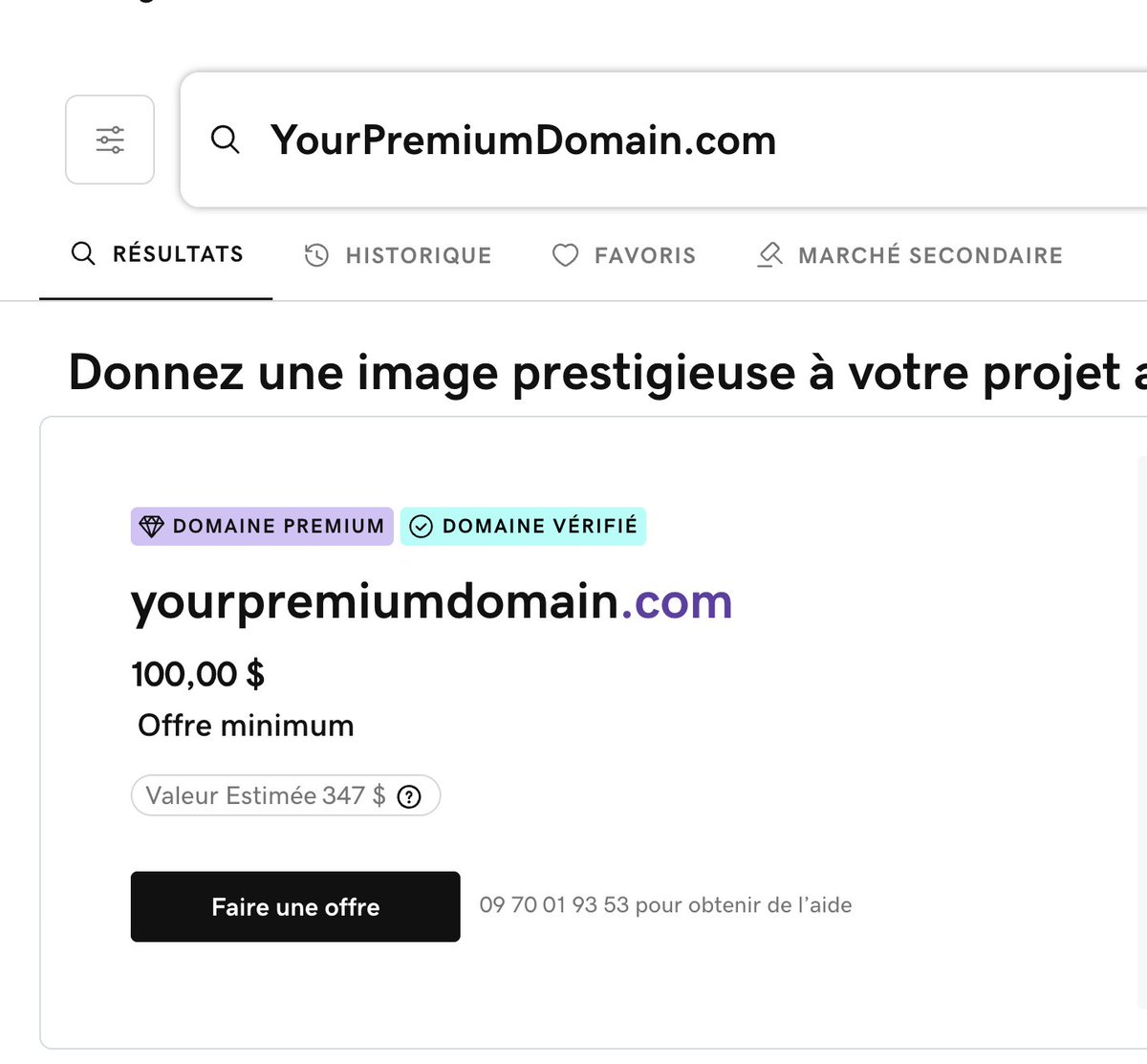
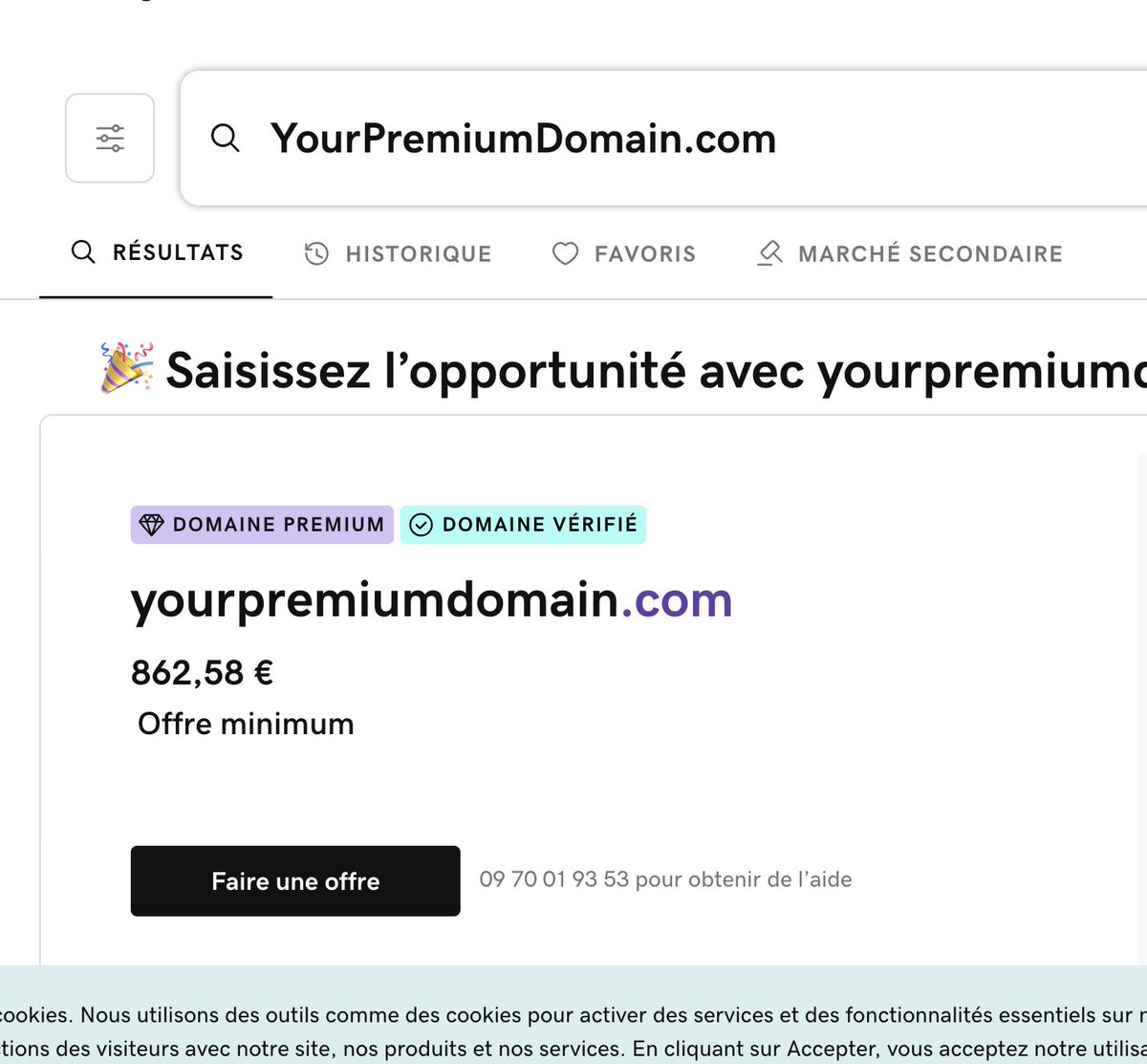
Don’t list your domains as “Make Offer” on Afternic, they’ll show the GoDaddy Value, which (IYKYK) misleads buyers.
Set a minimum price around $399 to make that valuation disappear.
💡Today's Domaining Tip 💡
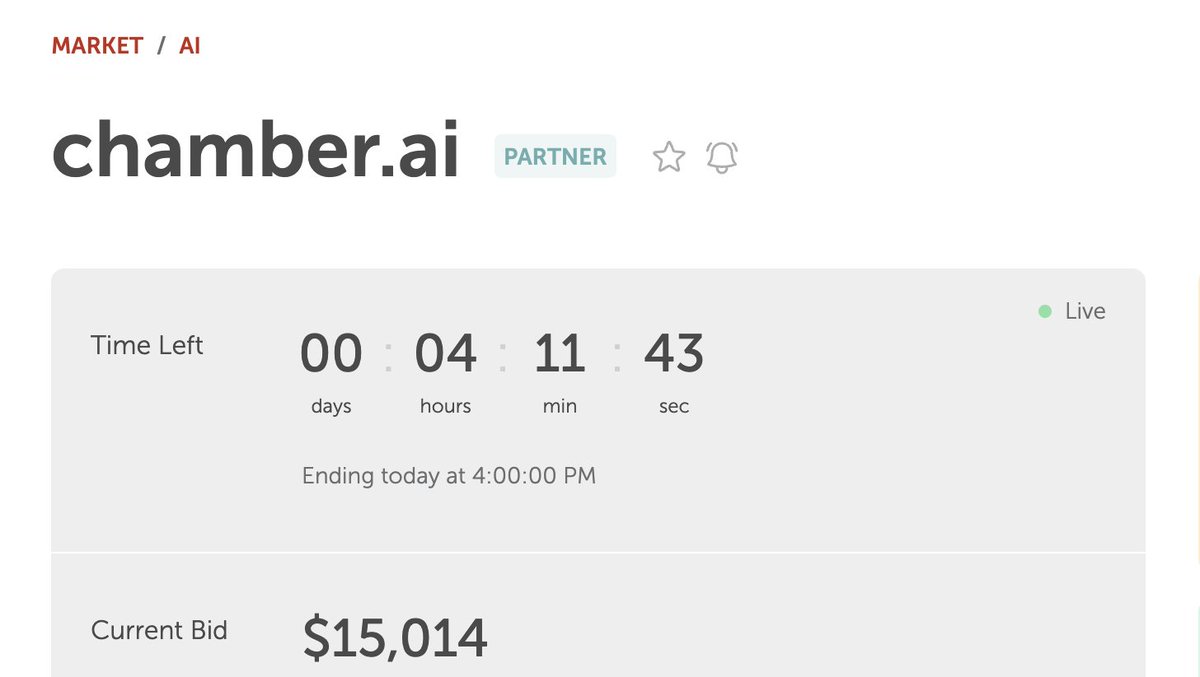
Before bidding on a .ai domain at auction, here’s my process 👇
Let’s take https://t.co/Wahb1nE0Nx as an example (currently in Namecheap auction).
I first check the name’s quality using the TLD checker at https://t.co/6qGflbtbsd - then I look at the major extensions:
https://t.co/IMXNZUaUUe → taken by Brave Browser ✅ not for sale
https://t.co/GXls22quYY → ✅not for sale
https://t.co/FPaewH2hRX → ✅developed
https://t.co/jTPhkvMh5A → ✅taken, not for sale
https://t.co/FlQfJ4atgR → for sale at $50K (the only potential overlap) 🚫
These are the main extensions startups usually go for.
If most are taken and not for sale, your chances of selling the .ai version drop significantly.
💡Today’s Domaining Tip 💡
Following a discussion on Telegram, I want to repeat something I’ve said many times: yes, I hand-register domains and I do it a lot. But what most people don’t see is the work behind it. Before I register anything, I spend days running deep data analysis… way more than you’d imagine.
For example, I recently hand-registered a batch of hundred names after three full days of research. Because of that preparation, I can now outbound them confidently and I’m also positioned to receive inbound interest naturally.
The point is: hand-reg isn’t guessing. It’s strategy. If you do the research, hand-reg can absolutely work.
💬 Got questions? Drop them in the comments!
👍 Like & share this post if you find it useful, it really helps keep me motivated to keep sharing these insights with you all. 🙏🔥
Great example of a marketing domain used for PPC.
https://t.co/gfQXexp6lK
Owned by https://t.co/rN55CMcZqy
Remember the four domain strategies:
1) Brand
2) Sub-brand
3) Marketing
4) Defensive
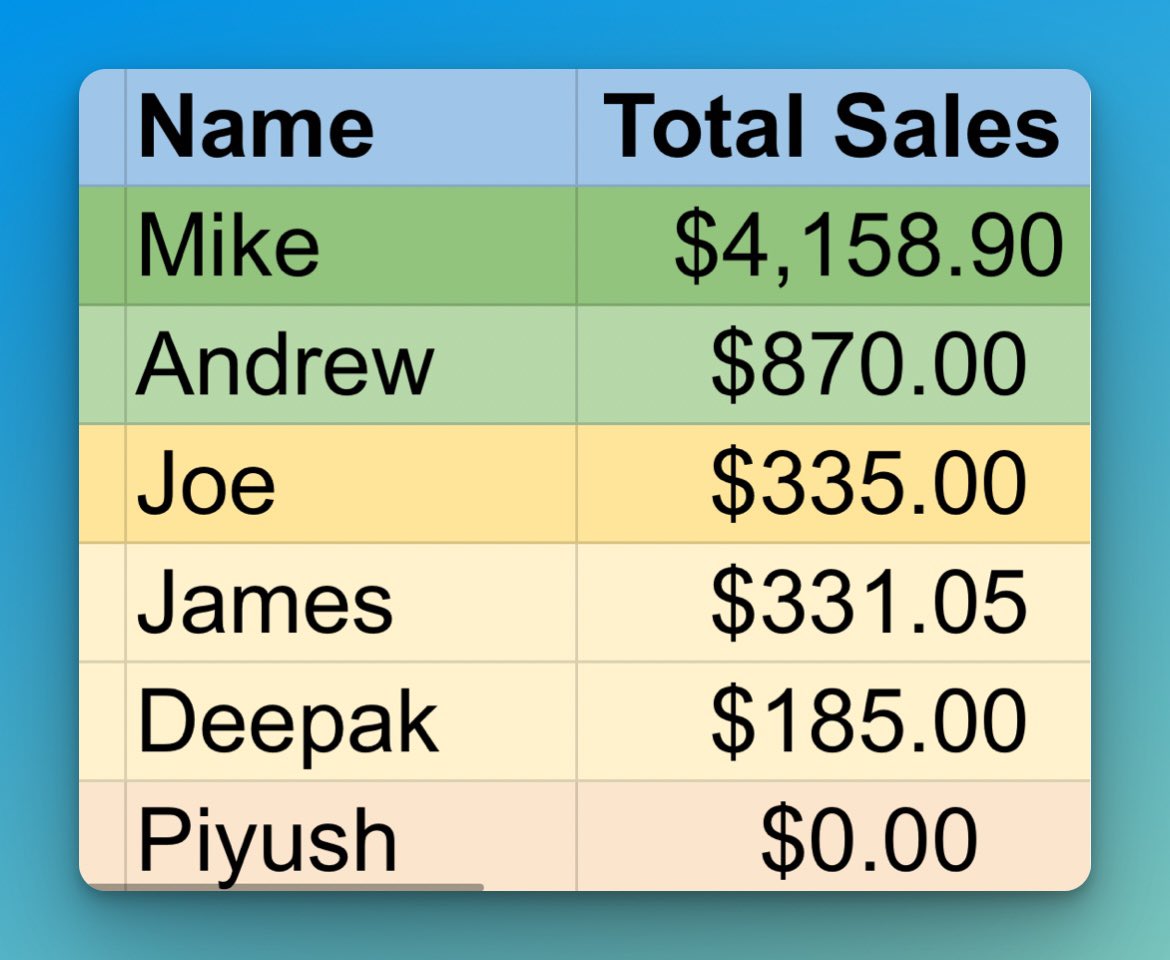
Sold 2 more domains as part of the @DNAcademy Investor Challenge.
Bought both for $1 plus reg fee.
Pre-sold a 3rd domain that I haven’t received yet ($149).
Noticed @DomainNameWire sold 2 and @NamesCon. 👏
Full details: https://t.co/MQuiFoFelg
Click through to my site, then to the Google sheet to see ALL of the details of who’s buying what, for how much, how they’re selling, and for what profit.
GM.
🚀 I am giving away this tool 100% FREE!
All you need to do is 🩷Like + ↪️Retweet to unlock access.
Tell me what other tools you’d love to see.
Together, we’ll build the ultimate toolkit for the domaining industry. Let’s shape the future of domaining, forever. 🌐✨
https://t.co/6qGflbtbsd