Strongly condemning the cowardly act of violence at the White House Correspondents’ Association Dinner. Relieved to learn that the @POTUS, the First lady and others are unharmed. We stand firmly against all forms of violence.
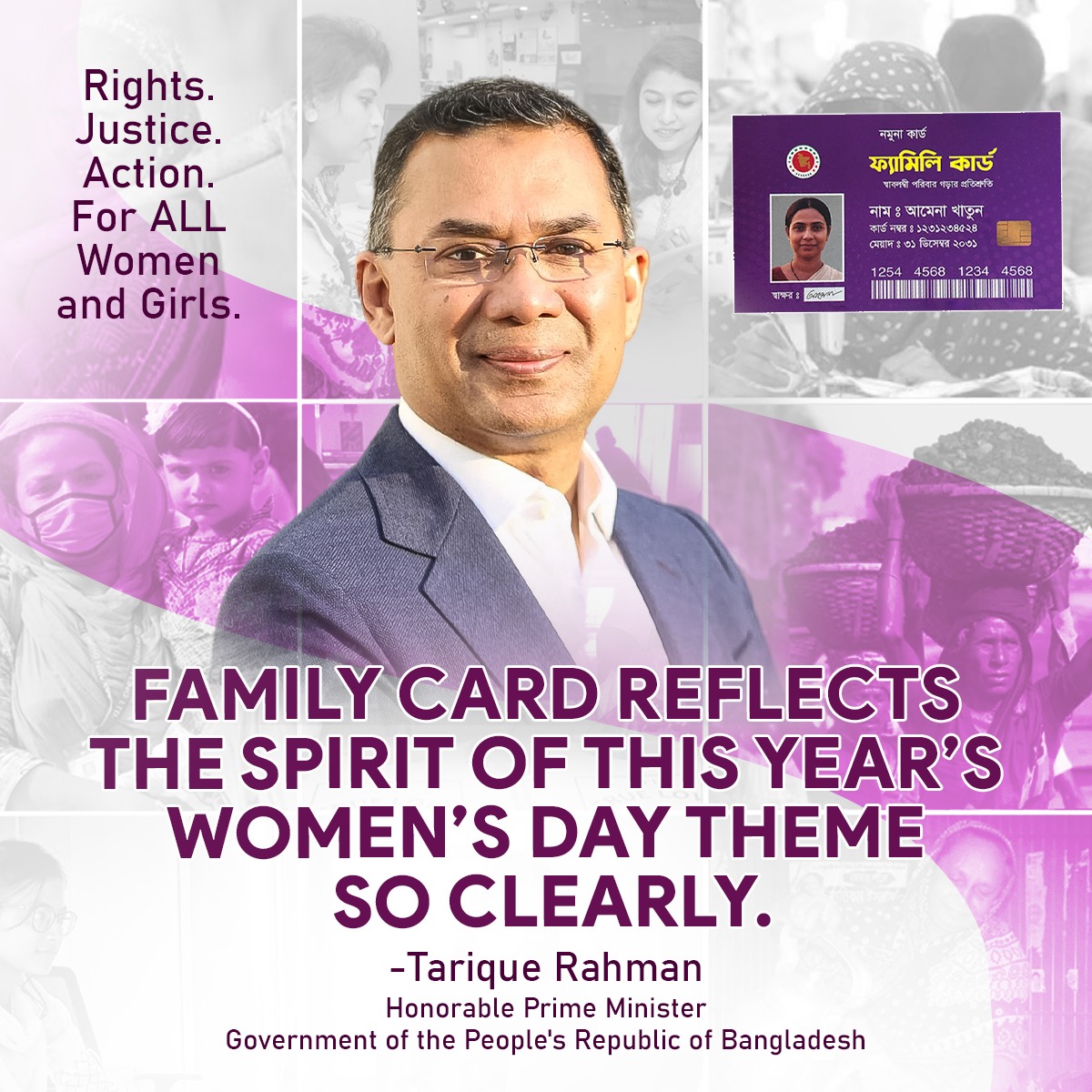
On the occasion of International Women’s Day, I extend my heartfelt greetings and best wishes to all women in Bangladesh and across the world.
This year’s theme, 'Rights. Justice. Action. For ALL Women and Girls', is both timely and deeply meaningful. It reminds us that the advancement of women cannot be secured by words alone. Rights must be protected in practice, justice must be felt in everyday life, and action must bring real improvement to the lives of women and girls.
For Bangladesh, this message carries special importance. Women are not only half of our population; they are the strength of our families, the foundation of our communities, and an essential force in our national progress. Their contribution is visible in every sphere of life - in the home, in education, in agriculture, in industry, in public service, and in leadership. No nation can achieve balanced and sustainable development unless women are empowered to participate fully, live with dignity, and move forward with confidence and security.
It is in this broader national vision that the Family Card holds such significance. This is a pioneering initiative, not only in design but in purpose. By issuing the card in the name of the mother or female head of the household, it recognises a simple but profound truth: in countless families across our country, women are the main pillar of resilience, sacrifice, and care. They carry the responsibility of holding families together through hardship, managing limited resources, and safeguarding the well-being of children and elders alike.
The true value of this initiative lies in what it can mean for ordinary people. For a woman facing economic hardship, direct support can provide a measure of financial security and dignity. For a household living close to poverty, it can offer stability in uncertain times. For children, it can help protect nutrition, education, and health. When support reaches women directly, it strengthens not only the individual woman, but the entire family unit. In this way, the Family Card can become a powerful instrument for reducing vulnerability, easing the burden of poverty, and creating a more secure social foundation.
That is why the Family Card reflects the spirit of this year’s Women’s Day theme so clearly. It speaks to rights, by affirming the place of women at the centre of family and national life. It speaks to justice, by seeking to support those families who bear the greatest economic burden. And it speaks to action, by translating commitment into practical assistance that can improve daily life.
Women’s empowerment must not be understood in narrow terms. It is not only a matter of representation; it is a matter of human dignity, social balance, and national development. A stronger woman means a stronger family. A stronger family means a stronger society. And a stronger society means a stronger Bangladesh.
On this International Women’s Day, let us renew our collective commitment to building a Bangladesh where every woman can live in safety, walk in dignity, and contribute with full confidence to the future of the nation.
Let rights be meaningful, justice be visible, and action bring lasting change to the lives of all women and girls.
I congratulate Prime Minister @takaichi_sanae and her party on their decisive victory in Japan’s parliamentary elections.
The result reflects the confidence of the Japanese people in democratic participation and accountable leadership. Japan once again demonstrates how credible elections can produce stability, clarity of direction, and renewed public trust in institutions.
As Bangladesh approaches its own national elections, this moment carries an important lesson for all democracies: when citizens are allowed to freely exercise their right to vote, the outcome strengthens the nation, regardless of political affiliation. Free, fair, and peaceful elections are the foundation of progress, empowering citizens to shape their future and affirm the legitimacy of governance.
I hope Prime Minister Takaichi’s leadership will further deepen the long-standing friendship between Japan and Bangladesh, and contribute to peace, prosperity, and democratic values across Asia.
As the three-day national mourning period for Begum Khaleda Zia comes to a close, our family has been deeply moved by the continued outpouring of condolences and prayers from across the country and from friends abroad. These three days have shown us the many ways in which my mother meant something different to different people, often in ways we may not have fully known or seen.
To many she came to symbolise the courage to stand up for what one truly believes in and remain steadfast in conviction, despite the hardship. That lesson resonates far beyond politics, touching people wherever they are and whoever they may be.
We are eternally thankful to the interim government, and to Professor Muhammad Yunus and his Cabinet, whose leadership and swift coordination made it possible to arrange such an honourific farewell in such a short time.
To the international community, our neighbours, friends, diplomats, and partners around the world, you have warmed our hearts with your compassion and solidarity. The presence of dignitaries at the funeral, the letters and messages of condolence, the words written in condolence books, the countless expressions shared through social media, and official statements by leaders, local missions in Bangladesh, and organisations across the country has been incredible to see.
Once again, we are deeply grateful to all the servicemen and women involved, across the armed forces and law-enforcement agencies, across coordinating administrations and ministries. My family and I were truly touched by your sense of duty and care during my mother’s final farewell.
We remain grateful to all who helped ensure these days of mourning were conducted with dignity and care. I wish to offer special thanks to the President Guard Regiment, whose solemn guard of honour and final salute paid the highest tribute to my mother’s life and service. By escorting Begum Khaleda Zia with such respect to her final resting place, you embodied the nation’s reverence and ensured that her last journey was marked with the honour it deserved.
I am also mindful that many others, whose names or roles may not have been mentioned, contributed in countless ways to ensuring the day unfolded seamlessly. To all who served behind the scenes or beyond public view, please accept my heartfelt thanks. Your efforts made it possible, Alhamdulillah, for our family and for the nation to honour her memory with dignity.
And finally, to the people of Bangladesh. To see so many of you, from every corner of the nation, gather in reverence for my mother was something our family could never have anticipated. It was a powerful and unifying moment that reflected the compassion and shared humanity of our people.
On behalf of our family and the Bangladesh Nationalist Party, we thank everyone who stood with us in grief and remembrance. Your kindness and solidarity have been a source of comfort and strength, and we carry them forward with gratitude.
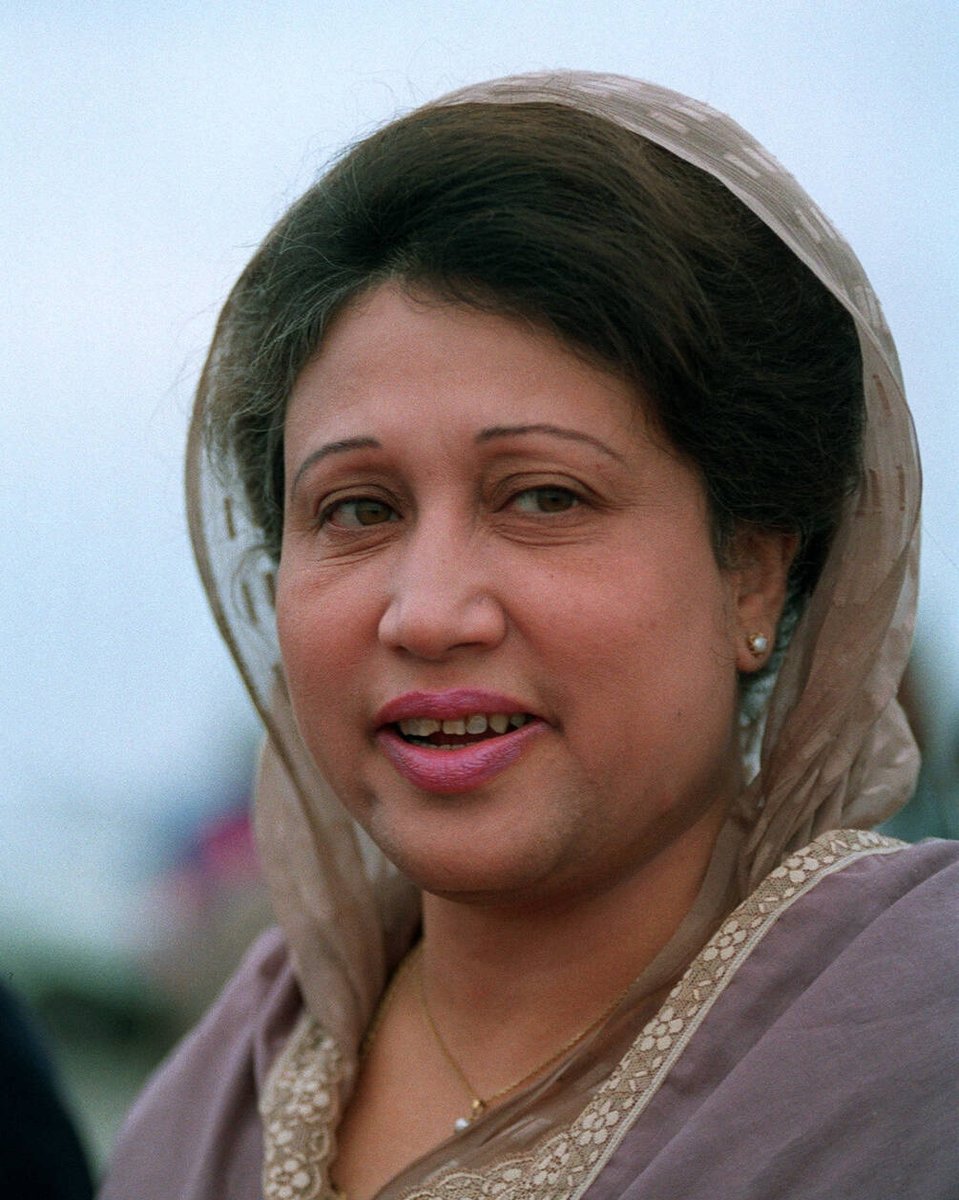
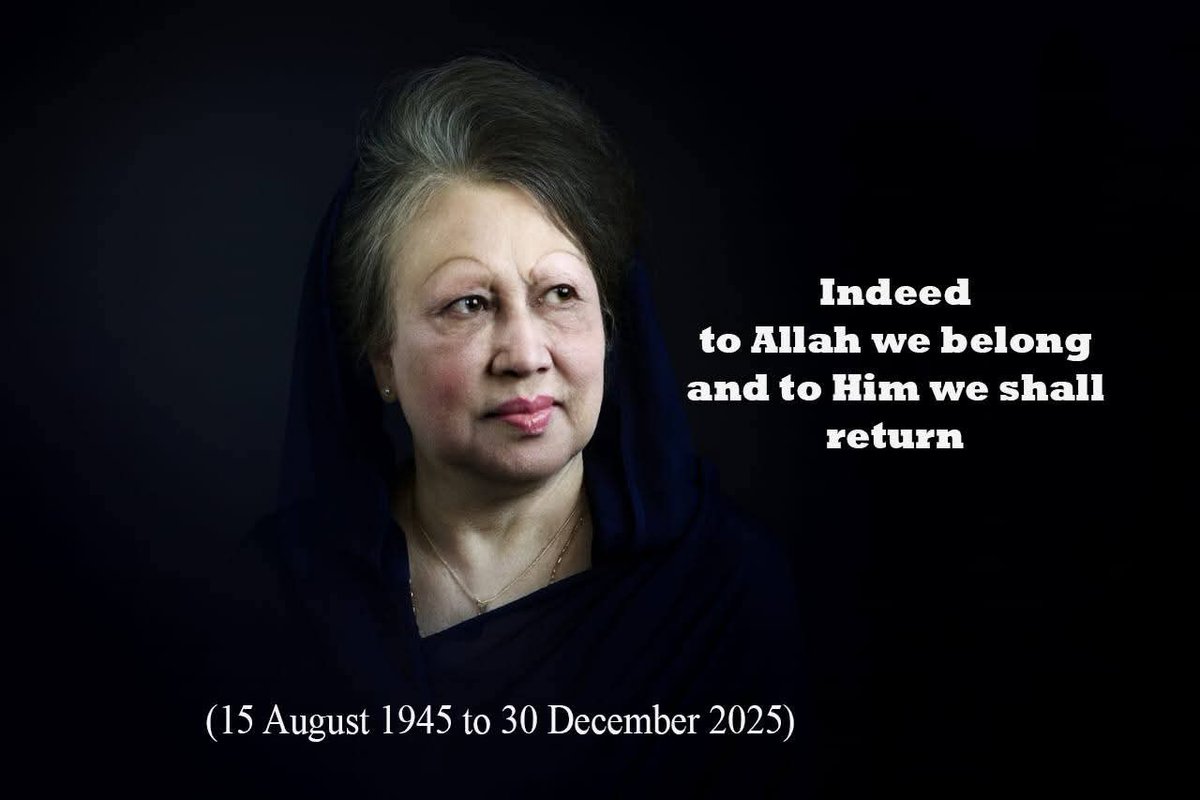
My mother, BNP Chairperson Begum Khaleda Zia, has responded to the call of Almighty Allah and left us today. Inna lillahi wa inna ilayhi raji'un (Indeed, we belong to Allah, and to Him we shall return).
To many, she was the leader of the nation, an uncompromising leader, the Mother of Democracy, the Mother of Bangladesh. Today, the country mourns the loss of a guiding presence that shaped its democratic aspirations.
To me, Khaleda Zia was a tender and loving mother who devoted her entire life to the country and its people. Throughout her life, she stood firm against autocracy, fascism, and domination, leading the struggle for freedom, sovereignty, and the restoration of democracy.
Though her life was illuminated by sacrifice and struggle, at home she was our truest guardian, a mother whose infinite love gave us strength in our darkest moments. She endured repeated arrests, denial of medical care, and relentless persecution. Yet even in pain, confinement, and uncertainty, she never stopped sheltering her family with courage and compassion. Her resilience was not loud, but it was unbreakable.
For the country, she lost her husband; she lost her child. In that loss, this nation and its people became her family, her purpose, her very soul. She leaves behind an unforgettable legacy of patriotism, sacrifice, and resistance, a legacy that will live on in the democratic conscience of Bangladesh.
I ask you all to pray for my mother. For the profound emotion, love, and respect shown by the people of this country and by the world, my family and I remain eternally grateful.
বিএনপি চেয়ারপারসন ও সাবেক প্রধানমন্ত্রী বেগম খালেদা জিয়া আর নেই। আ�� সকাল ৬টায় রাজধানীর এভার কেয়ার হাসপাতালে চিকিৎসাধীন অবস্থায় তিনি ইন্তেকাল করেছেন। ইন্না লিল্লাহি ওয়া ইন্না ইলাইহি রাজিউন।
The BNP Chairperson and former Prime Minister, Begum Khaleda Zia, passed away today at 6:00 a.m., shortly after the Fajr prayer. Inna lillahi wa inna ilayhi raji‘un. We pray for the forgiveness of her soul and request everyone to offer prayers for her departed soul.
Dear friends, sisters, and brothers across Bangladesh,
Last Thursday is a day I will carry in my heart forever, the day I returned to the soil of my homeland after 17 long years. The warmth of your welcome, the sea of faces along the roads of Dhaka, and the prayers of millions are moments, I will never forget.
My deepest thanks to all. Words cannot fully express the respect and love my family and I feel for this homecoming. To our supporters who stood by us through every trial and never lost hope, your courage continues to give me strength.
To members of civil society, youth, professionals, farmers, workers, and citizens from all walks of life, thank you for reminding us that the true power of Bangladesh always lies in its people, when united.
I sincerely thank the media for covering this historic moment with professionalism and care, and all those who serve our nation, including those who ensured safety and calm during my return. Your service matters.
I also wish to acknowledge and thank leaders of other political parties and movements who welcomed my homecoming. I appreciate the thoughtful reflections that emphasised democracy, multiparty coexistence, and the enduring will of the people. I am grateful for the warm welcomes and for the hope expressed for a democratic, peaceful political culture, as well as the call to move beyond politics driven by vengeance. I take these words with humility and respect.
When I spoke yesterday, I spoke of a plan, not just a dream, for Bangladesh’s future: a country where peace and dignity thrive, where every community feels secure and valued, and where every child can grow with hope.
This is a plan for all Bangladeshis. A united, inclusive Bangladesh. A Bangladesh that moves forward together.
Thank you for welcoming me home. May Allah bless Bangladesh and all of you, now and always.
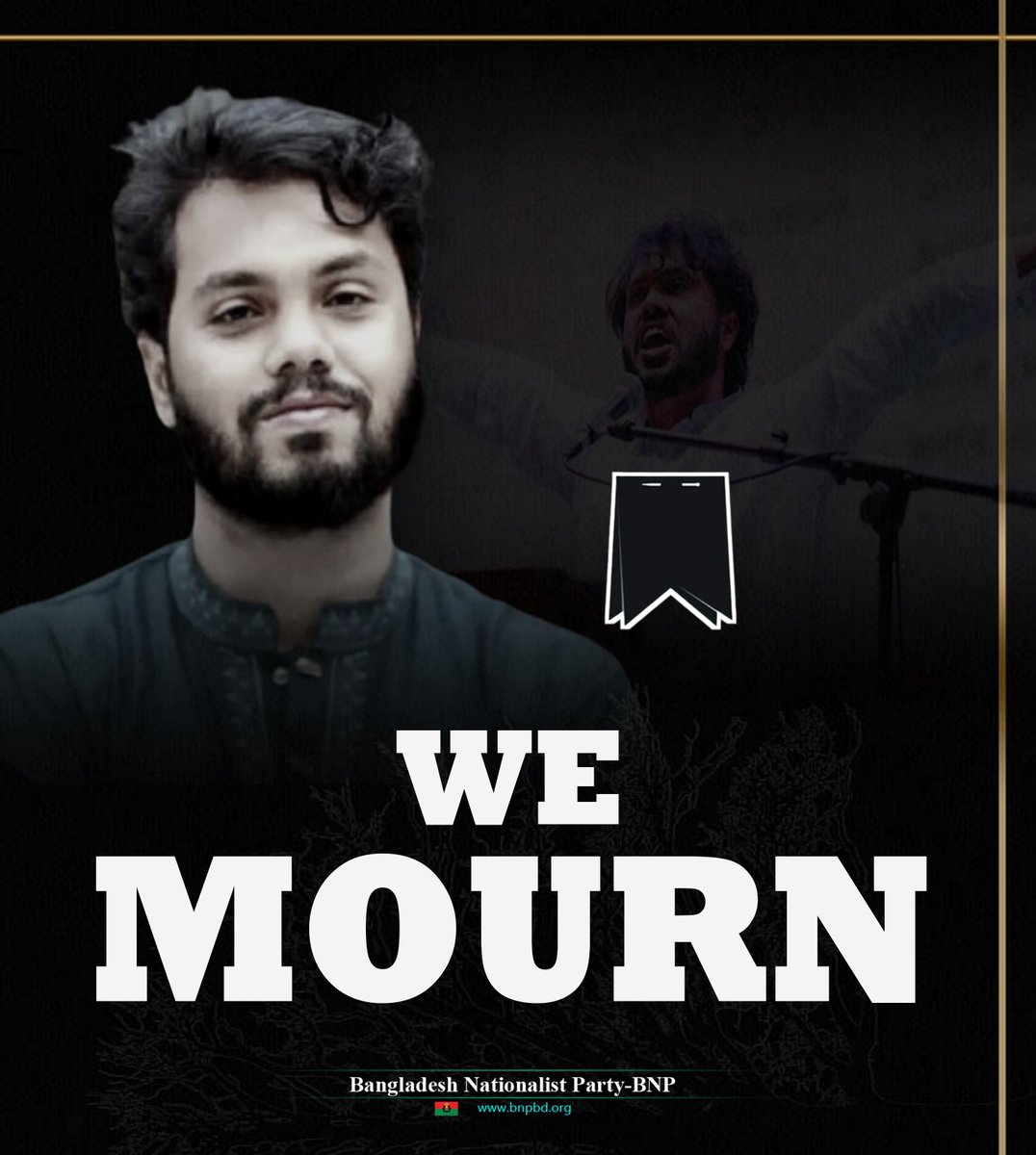
I am deeply saddened by the tragic killing of Sharif Osman Hadi. May Allah grant his soul forgiveness and place him in Jannat. This untimely death is a grave reminder of the human cost of political violence.
Hadi was a brave political activist and a clear, fearless voice who always stood up against injustice. After the July mass uprising, as the spokesperson of Inqilab Moncho, he played an incredible role in defending the rights of the July fighters, upholding democratic values, and protecting national interests.
I express my deepest condolences to the grieving family, loved ones, and fellow activists. I also call upon the interim government to conduct swift investigation, with the utmost priority, so that perpetrators are apprehended, punished, and justice is served.
Together, we must safeguard every citizen and prevent any such incident aiming to destabilise Bangladesh and undermine our democratic aspirations.
আমি শরীফ ওসমান হাদীর মর্মান্তিক হত্যাকাণ্ডে গভীরভাবে শোকাহত। আল্লাহ যেন তার রুহ���র মাগফিরাত করে তাঁকে বেহেশত নসীব করেন। তাঁর এই অকাল শহীদি মৃত্যু আবারও মনে করিয়ে দিল- রাজনৈতিক সহিংসতা কত বড় মানবিক মূল্য দাবি করে।
হাদি ছিলেন এক সাহসী রাজনৈতিক কর্মী এবং নির্ভীক কণ্ঠস্বর, যিনি সব সময় অন্যায়ের বিরুদ্ধে দাঁড়াতেন। জুলাই গণঅভ্যুত্থানের পর ইনকিলাব মঞ্চের মুখপাত্র হিসেবে তিনি জুলাইয়ের যোদ্ধাদের অধিকার রক্ষা, গণতান্ত্রিক মূল্যবোধ ধরে রাখা এবং জাতীয় স্বার্থ সুর���্ষায় অসাধারণ ভূমিকা রেখেছিলেন।
আমি তাঁর শোকাহত পরিবার, স্বজন ও সহযোদ্ধাদের প্রতি গভীর সমবেদনা জানাই। একই সঙ্গে অন্তবর্তীকালীন সরকারের প্রতি আহ্বান জানাই, দ্রুত তদন্ত করে অপর��ধীদের গ্রেপ্তার, শাস্তি এবং ন্যায়বিচার নিশ্চিত করতে হবে।
আমাদের সবাইকে একসঙ্গে কাজ করে প্রতিটি নাগরিকের নিরাপত্তা নিশ্চিত করতে হবে, যাতে আর কোনো ঘটনা বাংলাদেশকে অস্থিতিশীল করতে না পারে বা আমাদের গণতান্ত্রিক আকাঙ্ক্ষাকে আঘাত না করে।
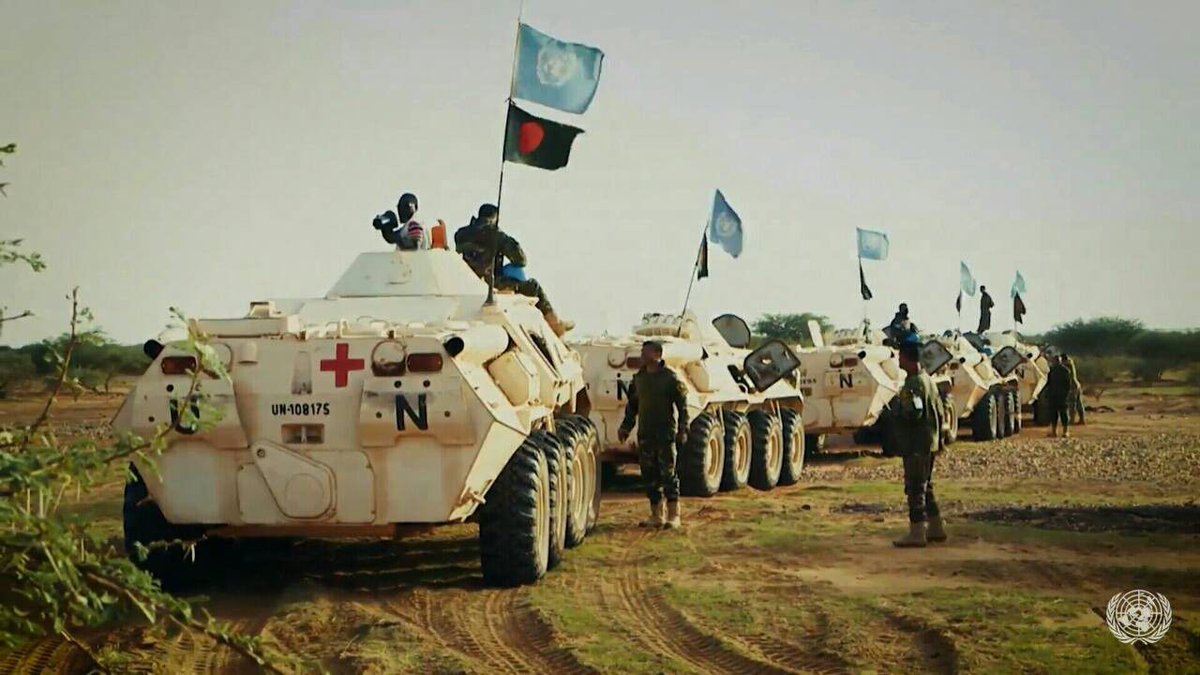
I am deeply saddened and heartbroken by the news that six brave Bangladeshi peacekeepers were killed, and eight others, including three female soldiers were injured in a brutal terrorist attack on a United Nations peacekeeping base in the Abyei area of Sudan.
Our brave soldiers, who gave their lives while serving under the UN flag to protect world peace, are a source of great pride for our nation. Their sacrifice will always be remembered by Bangladesh. I pray for the forgiveness of the souls of the fallen peacekeepers and express my deepest sympathy to their grieving families.
I wish a speedy recovery to the injured soldiers and call on all concerned to stand by them during this difficult time.
As the son of a decorated army officer, I have always been passionately inspired by the exceptional professionalism, courage, and sacrifice of the Bangladesh Army. In the current situation, I believe the international community must take stronger and more effective steps to ensure the safety of peacekeepers.
May Allah accept our brave soldiers as martyrs and grant the injured a swift recovery.
I want to take a moment, on behalf of the Zia family and BNP, to give our most profound thanks for the remarkable outpouring of support for Begum Khaleda Zia's recovery. The widespread expressions of concern from leaders, diplomats, and friends across the world, as well as the overwhelming love and prayers from the people of Bangladesh have been incredible.
This collective support has been a source of immense strength for all of us. We continue to pray for her recovery and appreciate the unity, compassion, and solidarity shown during this difficult moment.
বিশ্বের নানা প্রান্ত থেকে দেশনেত্রী বেগম খালেদা জিয়ার সুস্থতার জন্য যেভাবে সহযোগিতা ও শুভকামনা জানানো হচ্ছে, জিয়া পরিবার ও বিএনপির পক্ষ থেকে আমরা সবা�� প্রতি আন্তরিক ধন্যবাদ জানাই। বিভিন্ন দেশের নেতৃবৃন্দ, কূটনীতিকবৃন্দ ও বন্ধুগণের উদ্বেগ ও উৎকণ্ঠা, পাশাপাশি বাংলাদেশের মানুষের অপরিসীম ভালোবাসা ও দোয়া, সবকিছু আমাদের আবেগ ও অনুভূতিকে গভীরভাবে স্পর্শ করছে।
দেশবাসীর সম্মিলিত সমর্থনই আমাদের পরিবারের শক্তি ও প্রেরণার উ���স। মমতাময়ী দেশনেত্রীর দ্রুত আরোগ্যের জন্য আমরা সবাই নিরন্তর দোয়া করছি। এই কঠিন সময়ে ঐক্য, সহমর্মিতা ও সংহতির জন্য প্রতিটি মানুষের প্রতি অসীম কৃতজ্ঞতা রইলো।
Picture a small garment factory owner in Gazipur. He has spent more than a decade building his business, employing over a hundred workers, managing tight margins, and competing in an unforgiving global market. One day, without any visible ceremony, the tariff advantages that once kept his prices competitive quietly disappear. It leads to his orders slowing down and the pressure rises to keep his factory open, his employees paid, and his family safe.
Now picture a young graduate in Narayanganj, watching her family disappear into uncertainty. Her father works in a factory. He depends on overtime to make ends meet. When export pressure builds, overtime disappears first. Then shifts are cut. Then jobs. These are not headlines. These are silent crises inside ordinary homes.
They never voted on that decision. They were never asked. They were never shown the real numbers.
That is why the debate around Bangladesh’s LDC graduation matters so much more than official statements make it seem.
The BNP has stated this before: that moving ahead with the 2026 graduation timeline without keeping the option of deferral alive is purely a political decision, being taken by an interim government that does not carry an electoral mandate. And yet, is making long-term commitments that will shape the country’s economic future for decades.
We are told that delay is ‘impossible', that even asking for it to be deferred would be a ‘humiliation’ which the United Nations (UN) would not even consider.
But if we all look closer, history tells a more complex story.
Countries such as Angola and Samoa have had their graduation timelines adjusted. The UN rules themselves allow flexibility when countries face economic shocks. Asking for time on country shaping consequences is just responsible governance by an interim government.
But why are we pretending that there is no choice? Why are we limiting our future?
By publicly removing the option of deferral, we weaken our own negotiating power. We enter international discussions with our hands already exposed, giving away leverage before we even sit at the table.
Even the government’s own documents acknowledge the business community in Bangladesh already feeling the pressure on the banking sector, stress on foreign exchange, rising debt risk, slowing exports.
This is not an argument against graduation. Bangladesh has earned the right to move forward. But having the ‘right’ to graduate is not the same as being ‘ready’ to graduate.
I consider real national strength not as the absence of doubt in decision making. Real national strength is to have the discipline to ask hard questions before the cost becomes irreversible.
Now look at Chattogram Port, the gateway to Bangladesh’s economy. What happens there shapes the lives of millions more than any political speech ever will.
Recent long-term decisions about the port are not routine. They are strategic commitments over a national asset, pushed forward by an interim government without a democratic mandate to bind future generations.
What we see at Chattogram Port mirrors what we see with LDC graduation. Strategic options are closed. Public debate is treated as inconvenience. Legitimate concerns are brushed aside in the name of speed and ‘inevitability.’
Let me be very clear: this is not about personalities or attacking individuals. It is about protecting institutions and the principle that decisions which shape decades of national life should be made by governments that are accountable to the people.
No one is saying we should not graduate from LDC status or reform our ports. The argument is simpler, and more fundamental: the future of a nation should not be locked in by a government that the nation did not elect.
Strategic patience is not weakness. Public consultation is not obstruction. Democratic legitimacy is not delay. And in my opinion, perhaps this is the most important truth beneath all of this.
The people of Bangladesh have never been passive about their future. They have endured hardship and sacrifice because they believe in dignity, voice, and choice.
Their ask is simple: to be heard, to participate, to be respected.
That is why so many of us look ahead to the national elections scheduled for February 2026, a chance for the people of Bangladesh to speak, to choose, and to reaffirm a simple truth:
The future of this country must be shaped by those who live in it, believing in ‘Shobar age Bangladesh.’
I am deeply saddened by the tragic loss of lives caused by today’s earthquake in Bangladesh. My prayers are with the departed souls, and my heartfelt condolences go to the families who have lost their loved ones. I stand in solidarity with everyone who has been injured or affected by this devastating disaster.
This heartbreaking moment reminds us that protecting lives must be our highest priority. We urgently need stronger disaster preparedness so that such tragedies do not cause avoidable suffering. Unsafe buildings that ignore earthquake and fire safety codes must be identified and brought under strict oversight, while new construction should be supervised with transparency and accountability.
Equally important is strengthening our emergency response capacity. A coordinated rescue force involving the Fire Service, Army, Navy and Coast Guard is essential. Permanent rescue centers should be established in high-risk areas, and communities must have 24/7 access to drones, paramedics and ambulances, with helicopters and air ambulances ready at all times.
The declining groundwater level in the capital has increased the risk of earthquake damage. Restoring filled canals and excavating new ones is critical to reducing pressure on underground water and improving long-term safety.
Through foresight, accountability and unity, we can build a safer and more resilient Bangladesh for all.
In this moment of national grief, I urge all leaders, activists, and supporters of the Bangladesh Nationalist Party to step forward and extend every possible assistance to the victims. Let us unite to support rescue efforts, provide care to the injured, and help rebuild the lives of those who have lost their homes and livelihoods.
May Allah grant us the strength, compassion, and unity to stand beside our fellow citizens in this difficult time.