@adamdobson123 Yes 6 weeks post op, was back at work in 4 and teaching classes at 5. Now just being allowed to load more, started flexion at 5 weeks and now can get fingers to ankles. Soon be back to fingers to floor, and the bonus no leg pain 😀
Been playing about with some visual ideas. Here is one on Deep Gluteal Syndrome. Previously known as Piriformis Syndrome. I’ve placed it on a spectrum with the ever so rare sciatic neuropathy. Throw in ‘sciatica’ (aka radicular pain) and we’ve got a nomenclature mess for the ages.
Note hip abduction would be preserved in both situations as this is done by the superficial gluteal nerve. (the elusive L5 myotome) 👽
Here are the refs, mainly case studies, retrospective, and speculative stuff.
DGS
https://t.co/qRAaecr3A5
https://t.co/ahxvAxLhIB
Sciatic Neuropathy
https://t.co/sv56h8itp9
https://t.co/1UvjvzZ8KB
https://t.co/AJKqE2BH8J
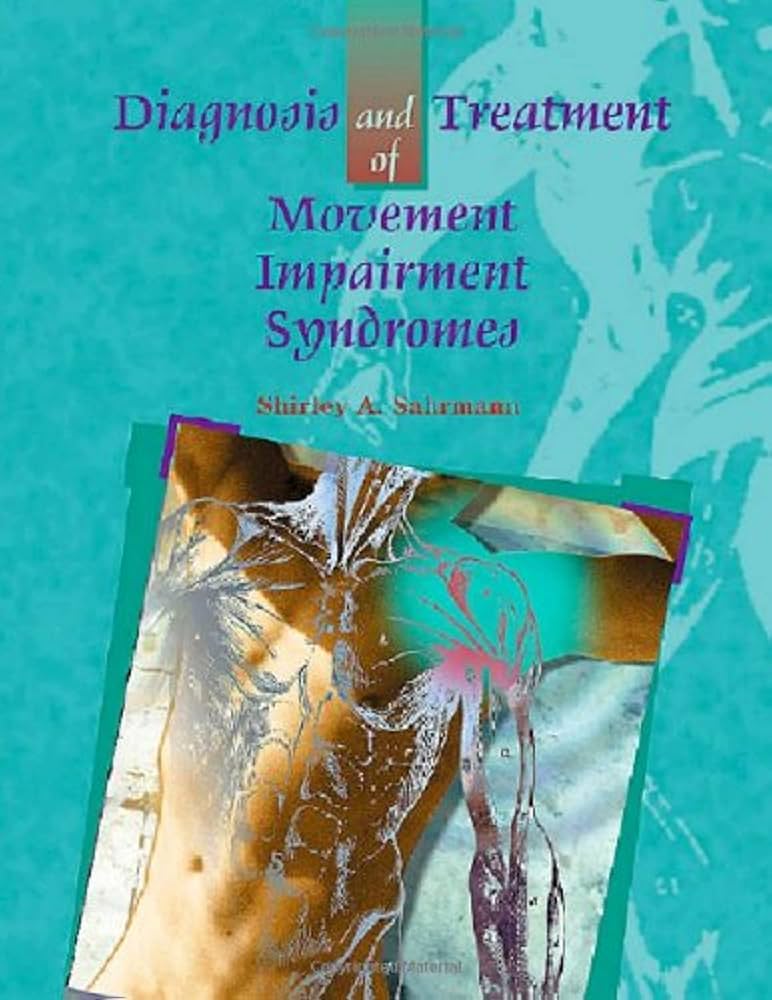
I was recently asked, "What's the most important book you've read in your career?"
The answer was really simple: "Diagnosis and Treatment of Movement Impairment Syndromes," by Shirley Sahrmann.
Early in my career - especially in light of my own shoulder pain history - Sahrmann's work was an amazing contrast to the medical model of care that focused entirely on treating symptoms (medical diagnoses) instead of investigating root causes (movement diagnoses).
Sahrmann proposes countless functional tests and corrective exercise interventions aimed at treating the causes of the problems rather than the compensations that emerge after dysfunction has emerged.
This book has profoundly impacted the way that some of the industry’s greatest minds train their clients and athletes and themselves. To be blunt, Shirley Sahrmann has likely forgotten more than most physical therapists will ever know.
Full disclosure: it reads like stereo instructions, and you may only cover 2-3 pages at a time. However, when you finish the book, you could restart it immediately and learn something new each time you work through. The reason is simple: the movement impairment syndromes model is something that "clicks" with each new client/athlete/patient you encounter. Not every "shoulder impingement" is the same; you appreciate why they're all unique.
If you’re serious about your own education, and have the best interests of your clients and athletes in mind, you owe it to yourself to pick up a copy of this classic.
https://t.co/RQErOP306y
Increases in relative muscular endurance (which accounts for gains in maximum strength) allow us to see how different types of strength training program affect the various adaptations underpinning fatigue resistance.
Nine months ago I embarked on my very first taught, in person CPD course. Four years in the making. Its been tough but highly enjoyable.
Mastering Lumbar Radiculopathy.
All of my knowledge from the spinal clinic, underpinned by science with a lack of fluff.
I have now delivered five of them. Four in-person courses and a very successful six part, six week online version. I also developed a professional website and managed to complete my ACP Masters.🎓
It is maybe not the most well known CPD course but i think the content speaks for itself and I have now properly finalised all of my artwork for the vascular, hip and myelopathy sections of Day 2 💪
Thank you to those who have supported and collaborated with me in 2025.
I will soon announce a 2026 London Date 🤟
https://t.co/tjPkiWsQ6Q
@PrimaryCareMSK@rob_chiro@martinthomas11@clinicalphysio@ClementsCharl96@physiojack@Martin_Nekkolai@BillingMartin@Irish_Physio
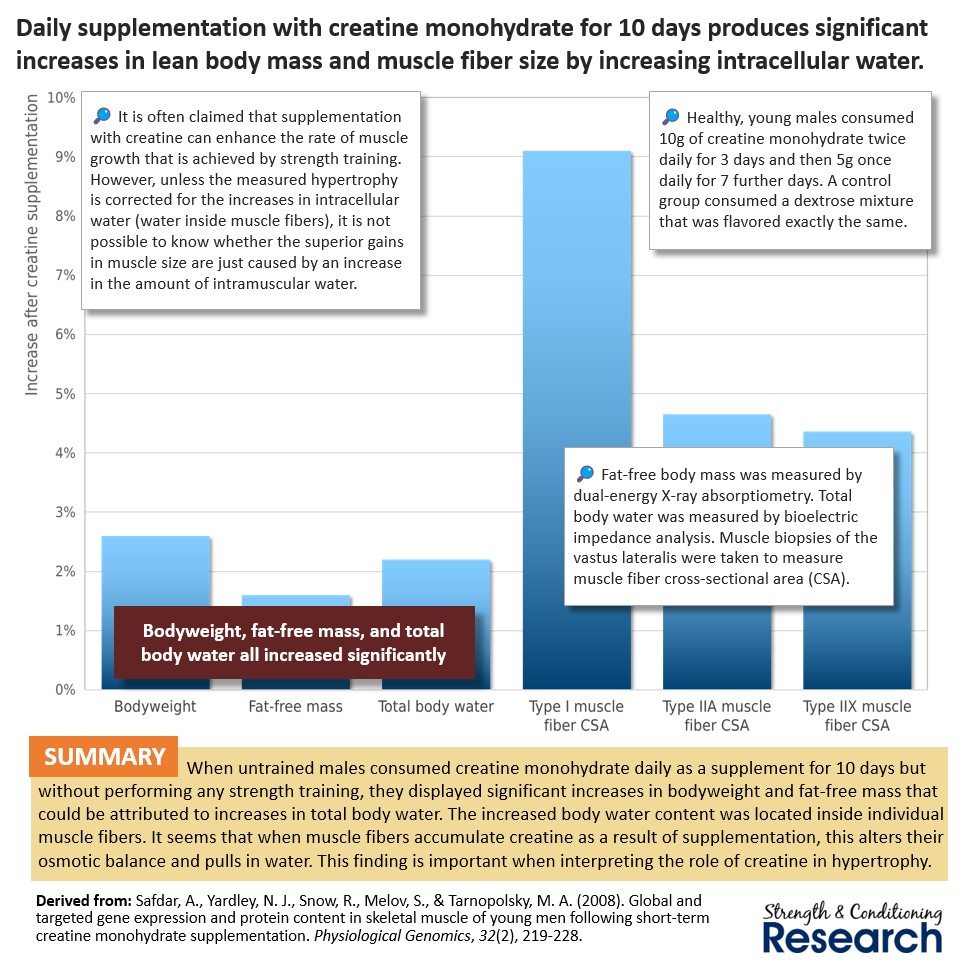
When creatine is consumed when subjects are not carrying out strength training, it causes an increase in muscle size anyway. This increase in muscle size can be attributed to an increase in intracellular water.
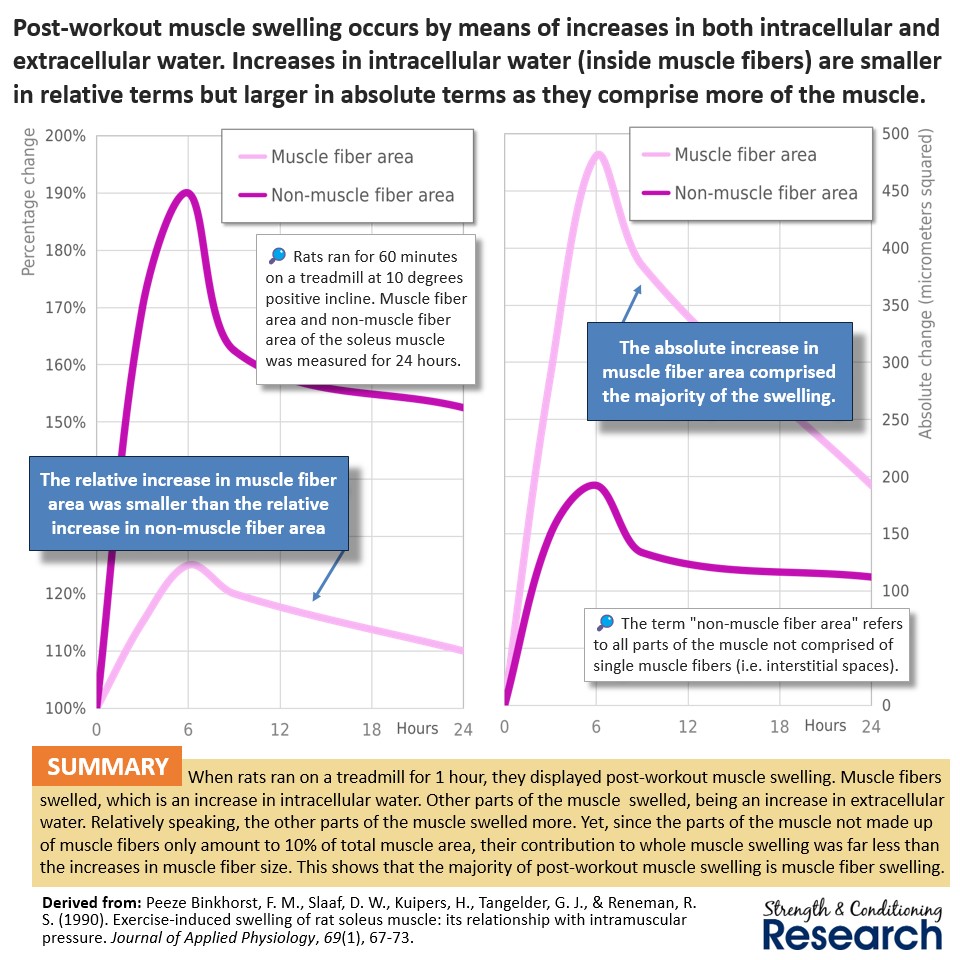
Most of the swelling that is observed after muscle-damaging exercise is caused by individual muscle fibers increasing in size, not by the spaces between muscle fibers increasing in size.
@TDekkersPhysio@marklaslett_NZ I have severe stenosis and facet arthritis plus a central bulge at L4/5 ASLR 90 degrees and can put fingers to floor with legs straight. I do trap bar deadlifts with 80kg 3 x week and teach Bodypump 2 x. Not getting any worse
@tomgoom I had someone recently, a scaffolder with ACL rupture and 2 large meniscus tears. He was told Surgery needed, however 3/12 of strength work and he felt great and was back at work