How I Make AI Image Ads That Print Me $8k/day On My Branded Dropshipping Business👇
It only takes 10 minutes. Here's the full step by step tutorial.
Save this thread.
Step 1: Find native images that grab attention. Go to Google and search "Site:https://t.co/uqcHcJGWJU + [Problem or Circumstance related to your product]".
For example, "Site:https://t.co/uqcHcJGWJU cat peeing outside the litter box".
This will show you images on Facebook related to this topic. Find one that naturally catches your attention and save it to your downloads.
Step 2: Upload this image into an app called Higgsfield and recreate is using Soul and 1:1 aspect ratio. Congrats, you now have a photo realistic remake of the original photo which you can use without worrying about copyright.
Step 3: Write some text overlays with Claude. Go to Claude and ask it for some text overlays for an ad you're creating to get people to read an article. Tell it to use the format of "Most [INSERT YOUR AUDIENCE] don't realize / don't know", and then instruct it to keep these headlines clickbaity and vague to encourage people to click and view the next page (which should be your advertorial).
Step 4: Create the full ad in Canva. Upload your image onto a blank 1:1 canvas, and crop it so that you have some white space on the first half of the canvas. Create enough space for the headline then add the headline in.
Step 5: Repeat steps 2-3 across 4-5 more images to create some variations. At this point, you should now have a handful of variations which you can test this ad format with.
Step 6: Launch in your ad account. Launch these either in the same ad set or in the same CBO as your current winners to see how they compete for spend. This format cut my CPC in half AND took majority of spend in my campaigns.
And that's it.
I don't take credit for inventing this.
I found this ad style by studying larger brands like Clarifion who's ad libraries are a GOLD MINE for ad ideas.
And now it's crushing inside of my ad account.
The larger more important takeaway of this post is that whether things are working or not, you should never stop learning.
Time block 15 mins of every day to doing research on the top brands.
Replicate what their doing and put your own twist on things to innovate.
This is why the copycats will never stop me from making the money I want to make in this business.
And why I'm WAY better off learning and thinking for myself than some random dude ripping me.
Good luck and happy scaling
Follow for more
How I Make $10k/day With "Native Image Ads" (Quit gooning for this)
No video ads. No ripped Kalodata content. No organic TikToks. No hours in CapCut editing.
Just native images + what I call "mini sales letters" and I'm spending $27k/month profitably with 2x ROAS.
I genuinely don't think another dropshipper is teaching this format the way I am lol.
So if you want the full breakdown, go check out my YouTube channel where I show you the actual campaigns, the actual creatives, the actual numbers.
Otherwise, let's break this down step by step FAST so you and I can get back to whatever the f*ck we were doing.
Step 1: Understand the "Native Mini Sales Letter" format.
First, I didn't invent this sh*t. I discovered it after studying countless brands and interacting with people inside my community God Tier Ecom.
These guys were running ads with LONG form copy. Like the copy you see info marketers use for coaching programs. Personal trainers. Service businesses.
Think Alex Hormozi's old Gym Launch ads. Lines and lines and lines of text in the primary copy.
And they were applying this to ecom. Pairing it with images that look NOTHING like ads.
We're doing the complete opposite of what everyone teaches about Facebook static creatives.
The format that works best? Images that look like something someone would post natively to Facebook.
Photos taken with an iPhone. Selfie camera. Back camera. Grandma updating her grandkids type photos.
I've tried a variety of different formats and visual aesthetics. And I'm telling you right now, especially when running long form copy, NATIVE IMAGES crush everything else.
Step 2: Create the native image using Google + AI.
Go to Google and type: site:https://t.co/uqcHcJGWJU [search term related to your audience/problem/product]
Example: If selling a hair loss product, type "site:https://t.co/uqcHcJGWJU male balding"
You're looking for images that look EXACTLY like someone would post to Facebook if they were just sharing with friends and family.
Save that image (for me its a bald man's head). I usually name it something simple like "balding guy.jpeg"
Then go to an app called Ideogram. Upload that image.
Ideogram recreates the image using AI so you can actually use it without legal trouble. No copyright strikes. No DMCA bullshit.
Plus you get four variations of it.
Anything that looks overly staged? Flopping hard.
You want stuff that's super native. You don't want to look like you are a brand or even an ad.
You want to look like a native post to Facebook.
Step 3: Extract the mass desires from your product.
Let's say you have a product page built or a competitor you're modeling.
Take a screenshot of the product. Upload it to Claude.
Very simply say: "Extract the mass desires by listing out all of the performances of this product."
I also attached a copy of Breakthrough Advertising by Eugene Schwartz. Easy to find as a PDF online.
Next, identify the DOMINANT mass desire using prompt number five (all these prompts are in my description for free).
Example output: "I want to look sharp and well groomed every single day without effort. I want to stop wasting money on barber visits and expensive razors. I want to embrace my baldness with confidence instead of hiding it."
Let's say that's our mass desire. Perfect.
Step 4: Write the long-form copy.
Now I haven't done any videos yet on how to manually edit your own copy, which is coming in the future. But honestly guys, the way my prompt is set up, you can pretty much just enter it in and do a little bit of manual refinement.
What I recommend: Read through your copy. Imagine you're a consumer. Approach it as if you're just reading it. You're not selling anything.
Pay attention to any points where it feels like there's friction. Where you have to stop and maybe think about a word. Where you get disinterested and your mind starts to drift.
Those are the areas you want to attack and refine and edit out.
A lot of times the copy that comes out of Claude is going to be very wordy. It uses words that have a very heavy and convoluted mouth feel to them.
What you want is your copy to be like a slippery slide. You want it to be psychologically easy and almost effortless to read through so there's zero friction.
Because at any point of friction, remember this is going to be a Facebook ad. If there's any friction at all, that person is going to scroll away. They're going to go to the next piece of content and completely forget about you.
So it's very important you go through this manually, add some extra line breaks, get rid of those points of friction. Then from there you can run that updated copy.
Step 5: Write a killer headline/hook.
One thing I'm starting to do more of now before just running the copy as-is is I write dedicated headlines and hooks that I put on top of the copy.
I'm using this website called https://t.co/hFXbTD7ARY and they have the hundred greatest headlines ever used.
I'm taking all of these 100 greatest headlines, dumping them into Claude, and using these to START the copy.
The result? Lower cost per clicks. And I'm not having to rely on really heavily clickbait style formats to get clicks on my ad.
When I was using clickbait style formats, I was getting really really low cost per clicks, but often the CPA was quite high on these ads. If I didn't have other native ads in my account to balance this out, it would have completely ruined my campaign performance.
By attaching these legendary headlines, which are just really really attention grabbing, I'm seeing much better results.
This website has a hundred of the greatest headlines ever written. And I'm NOT using these in the headline section of Facebook ads.
To clarify: This is going to go as the FIRST SENTENCE of your ad copy. Because we want to grab their attention.
If we have a relevant enough image, they'll stop and read the first sentence. If they read the first sentence, they'll read the rest of the copy. Then they will be persuaded eventually to buy the product.
Prompt Claude: "Given these 100 of the greatest headlines ever written, I want you to now come up with five potential headlines as first sentences we can use to grab someone's attention and make them want to read the next sentence."
Examples it gave me:
• "Who else wants to stop checking their reflection 50 times a day?"
• "How I went from checking my hairline obsessively to not owning a comb"
• "My seven-year-old daughter finally started hugging me again"
That last one is insane. I could see something like that just being super attention grabbing and relevant to the mass desire and problem our product solves.
You do have to kind of massage it a little bit as you can see. Definitely not perfect. But you get the idea.
Step 6: Put it all together in Facebook Creative Hub.
Add your AI-generated native image as your media.
Insert your primary text. Go back into Claude and grab your copy. Make sure there's no Claude artifacts like "oh this is the copy" or ending sentences. You just want the copy.
Enter some space at the top so you can type above your first sentence of the copy.
Now grab one of your beautifully written hooks and paste that as your opening line.
For the actual Facebook headline, use something very vague. An audience callout or problem callout.
Example: "Read if you are tired of hiding under your baseball cap ↑" I usually put like arrow down or arrow up just like this.
So now we have our primary text and we have our headline. We're not going to do any description.
Call to action: Leave as "Learn More" if going to an advertorial or listicle. Set to "Shop Now" if going to a product page.
Turn OFF all of those f*cking creative enhancements. Text improvements, enhanced CTA. You don't want any of that sh*t on.
Step 7: What the final ad looks like.
Keep in mind as people are scrolling, Facebook feed, the mobile feed in particular, is probably going to be 90% of your placements.
The first thing they see is this big ass photo of this guy balding. Then the headline goes "Who else wants to stop hiding under baseball caps and start owning every room they walk into?"
Then they press "see more" and read the copy, which is long as f*ck.
But this is basically the strategy. They're going to go through this copy and by the time they get to the bottom, they're going to feel like "Holy sh*t I need this product." And I need it really really badly.
That's where your product page will come into play. Your advertorial will come into play.
But that is basically the style of image ad creative I'm using. This is the format that's responsible for allowing me to hit the kinds of numbers I'm hitting right now on my brand and dropshipping business.
Alright, that's $10k days broken down into a format most people aren't using.
This is what worked for me. $27k spend last 30 days. 2x ROAS. Multiple winning creatives in this exact format.
If you want to see the full breakdown with actual campaign screenshots, actual creatives I'm running, go look at my YouTube channel. I show everything.
All the prompts and resources I used are linked in the description for free. As always.
I read all the comments. There's a really good chance if you leave one, I'm going to make a video on that topic.
I'm trying to upload every 48 hours. So drop a comment right now.
Otherwise, hope you got a ton of value out of this.
Happy scaling. Follow for more.
most native ads fail before the image is even made.
if you want yours to stop the scroll, and get insane clickthrough rates, read this:
step 1: angle
target symptoms people experience every day but can't explain.
not "do you struggle with weight loss"
something weird
something specific
something that makes them stop and think "wait, that happens to me"
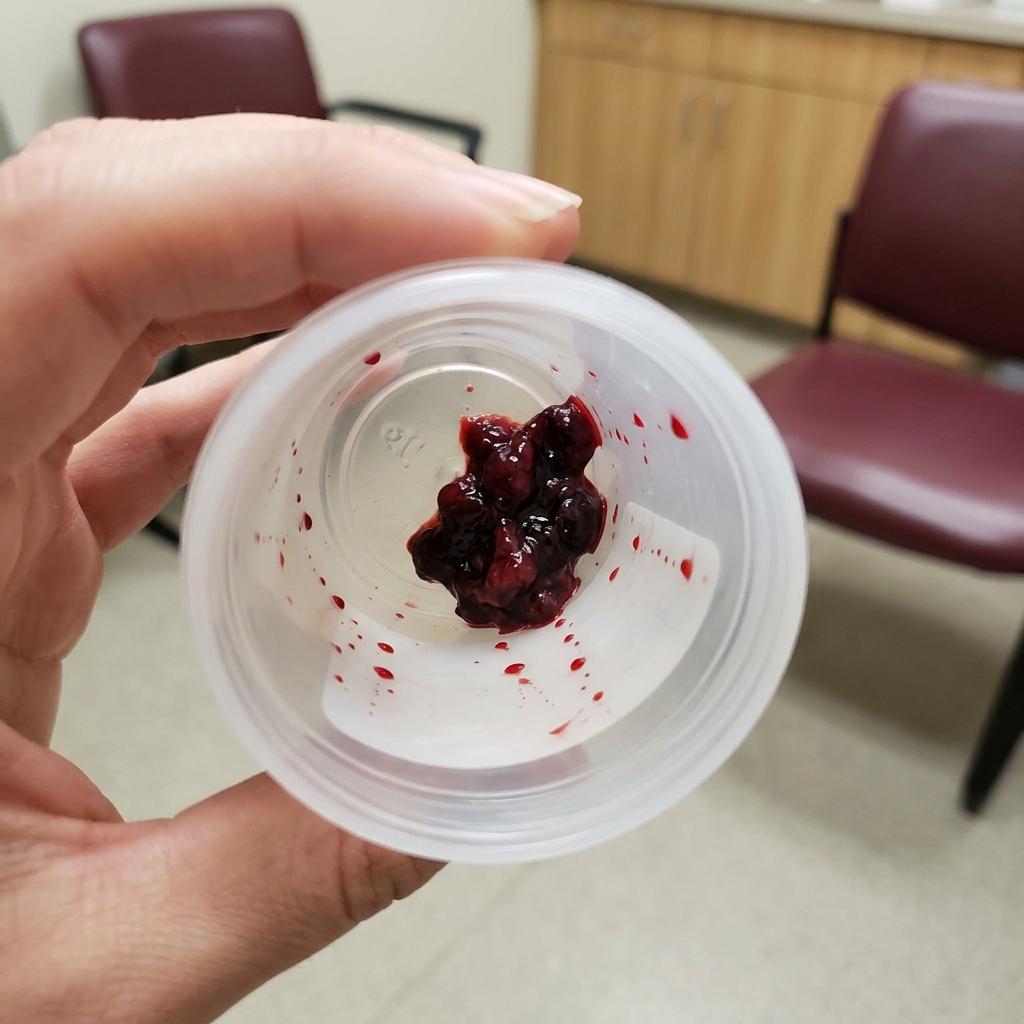
could be a tongue that looks whiter than normal
those dizzy spots you see when you stand up too fast
you're targeting unaware people so they don't know they have a problem yet.
your job is to make them feel it.
step 2: image
your only job with this is to stop the scroll.
with something that makes people go "what the fuck am i looking at"
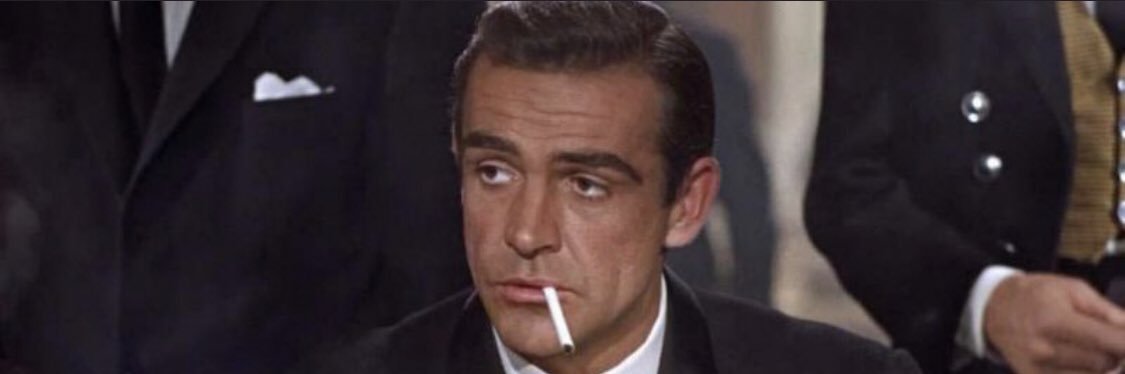
a guy with a massive vein running through a yam (iykyk)
a stick of something coming out of someone's mouth that has blisters on it
a gay 50 year old in a crop top
just think of the weirdest thing you've seen all day.
it should look like something someone posted it because they had no choice but to share it.
if you see it and think "yeah that's a normal ad image" you've already lost.
step 3: primary text
write a story with a real person going through a real situation that has a real problem
40-year-old woman
works 12 hours a day
woke up one morning
noticed her tongue looked different
started googling
move them through every awareness level.
by the time they hit the lander they're already warm.
don't write it yourself. give claude the full idea - the avatar, the symptom, the story arc and let it fill in the words.
you give it the idea but you don't let it decide.
if it sounds like an ad at any point, start over.
step 4: lander
your job is to make the primary text congruent with the lander.
native gets them curious.
lander closes them.
sounds like a simple process but a lot of brands mess it up.
if you want a full audit of your brand to see how much you can scale with the apptics Max team behind it, check the tweet below
These 6 Meta Ad libraries should be treated as ‘Ad Bibles’ for eComm brands that want to scale past $1m/month
Native Ads:
https://t.co/awiZMSz2zs
Spokesperson content:
https://t.co/rjePEzus7V
Hooks that will blow your mind:
https://t.co/0cbZCFhV0W
Creative Diversity (the most creative ad account I’ve seen):
https://t.co/kIAOrHgIrb
VSL ads:
https://t.co/FRIlWGxKUo
This is Meta advertising at its finest.
We run one of those accounts. If you want to work with a world-class creative agency, my DMs are open.
Comment faire des native ads qui convertissent. Le guide complet.
(thread)
La native ad est le format publicitaire le plus puissant qui existe en 2026. Pas le plus connu. Le plus puissant.
Voilà pourquoi — et surtout comment en créer une de zéro.
C'est quoi une native ad exactement.
C'est une publicité qui ne ressemble pas à une publicité.
Elle ressemble à un témoignage. Un post Facebook organique. Une note iPhone. Un commentaire sous une vidéo. Un article de blog. Une conversation WhatsApp.
Le cerveau humain a un filtre anti-pub intégré. Dès qu'il détecte "c'est une pub" — il décroche. Il scroll. Il ignore.
La native ad bypass ce filtre parce que le cerveau ne la catégorise pas comme pub.
C'est pas de la manipulation. C'est de la psychologie de l'attention.
La différence fondamentale avec une pub classique.
Pub classique : "Notre complément sommeil est révolutionnaire. Commandez maintenant -30%."
Native ad : "J'ai 43 ans. Je dormais 5h par nuit depuis 2 ans. J'avais essayé la mélatonine, la valériane, le magnésium. Rien. Et puis j'ai compris quelque chose que personne ne m'avait expliqué sur le cortisol nocturne..."
L'une vend. L'autre raconte — puis vend.
Le cerveau accepte l'une. Il filtre l'autre.
La structure qui marche. Dans cet ordre. Toujours.
1. L'identification
Les 3 premières lignes sont tout.
Ton lecteur doit se reconnaître immédiatement. Pas "peut-être que c'est moi." Exactement moi.
Pour ça tu cibles UNE personne précise avec UN problème précis dans UN contexte précis.
Pas "si vous avez des problèmes de sommeil." Mais "si vous vous réveillez à 3h du matin et vous fixez le plafond pendant 2 heures."
La spécificité crée la reconnaissance. La reconnaissance crée l'attention.
2. Le problème — tout essayé
Liste tout ce qu'il a essayé. Avec les prix. Avec les durées. Avec les résultats décevants.
"J'ai essayé la mélatonine 3mg pendant 3 mois. J'ai essayé le magnésium bisglycinate. J'ai vu un médecin du sommeil à 180€ la consultation. J'ai arrêté la caféine après 14h. J'ai acheté un masque de sommeil, des bouchons d'oreilles, un matelas à 900€."
Pourquoi c'est important.
Parce que ton lecteur a probablement fait la même chose. Et quand il voit sa propre trajectoire écrite noir sur blanc — il se sent compris. Et quelqu'un qui se sent compris continue à lire.
3. La révélation — le mécanisme unique
C'est le coeur de la native ad. Et c'est là où 90% des gens ratent.
La révélation c'est une information que ton lecteur ne connaissait pas. Une explication de POURQUOI ses tentatives précédentes ont échoué. Pas parce qu'il a mal fait. Parce qu'il ciblait le mauvais mécanisme.
Exemple sommeil :
"Ce que personne ne m'avait dit : la mélatonine aide à s'endormir. Elle ne fait rien sur les réveils nocturnes. Parce que les réveils à 3h du matin ne sont pas un problème de mélatonine. C'est un pic de cortisol. Deux systèmes complètement différents. J'avais passé 2 ans à traiter le mauvais problème."
Cette révélation fait deux choses.
Elle explique les échecs passés — ce qui supprime la honte et recrée la croyance que ça peut marcher.
Elle pose ton produit comme la première solution qui cible le bon mécanisme.
4. La solution — ton produit arrive naturellement
Ton produit n'apparaît jamais avant la révélation.
Jamais.
Il arrive comme la conclusion logique d'une enquête. Pas comme un pitch. Le lecteur doit avoir l'impression que le produit est la réponse évidente à ce qu'il vient de comprendre.
"J'ai cherché ce qui cible spécifiquement le cortisol nocturne. Pas la mélatonine. Pas les tisanes génériques. Quelque chose qui agit sur ce mécanisme précis. J'ai trouvé [produit]. Ashwagandha KSM-66 + phosphatidylsérine. Les deux seuls actifs documentés pour réduire le cortisol nocturne. En format liquide pour une absorption directe."
Tu introduis le produit. Tu expliques pourquoi CE produit et pas un autre. Tu renforces le mécanisme unique.
5. Les résultats — progressifs et crédibles
Jamais "j'ai dormi 8h dès la première nuit."
Toujours progressif. Toujours spécifique. Toujours avec des détails qui sonnent vrais.
"Nuit 3 : je me suis réveillé à 3h comme d'habitude. Mais je me suis rendormi en 20 minutes au lieu de rester éveillé 2 heures.
Semaine 2 : les réveils sont moins fréquents. Je sors du lit à 7h sans avoir l'impression d'avoir été écrasé par un camion.
Semaine 4 : ma femme m'a demandé si j'avais changé quelque chose. Elle avait remarqué avant moi."
Les détails spécifiques créent la crédibilité. Les détails flous créent le scepticisme.
6. Le CTA — sans pression
Jamais "achetez maintenant stocks limités offre expire ce soir."
Toujours logique et naturel.
"Si vous vous réveillez la nuit et que vous avez essayé la mélatonine sans résultat — ce n'est peut-être pas un problème de mélatonine. Le lien est en dessous. Garanti 30 jours."
C'est tout. Pas de pression. Pas d'urgence artificielle. Juste la conclusion évidente d'une histoire cohérente.
Les formats qui marchent le mieux.
Post Facebook organique
Le plus scalable. Le plus facile à croire.
Tu écris comme une vraie personne qui partage une découverte. Prénom. Localisation. Photo de profil floue. Réactions et commentaires stylisés.
L'algorithme Facebook aime ce format parce qu'il génère de l'engagement organique avant même que tu paies.
Note iPhone screenshot
Très fort pour les produits santé et bien-être.
La note iPhone a quelque chose d'intime. C'est ce que quelqu'un écrit pour lui-même à 23h. Pas pour être lu. Et c'est pour ça qu'on le croit.
Conversation WhatsApp
Idéal pour créer de la proximité et de la recommandation entre amies.
La structure : une amie partage une découverte à une autre. L'autre hésite. La première convainc avec des détails spécifiques. Résultat visible. CTA naturel.
Témoignage long forme
Le format le plus puissant pour les produits complexes ou les marchés sceptiques.
Structure narrative complète. 800 à 1500 mots. Écrit à la première personne. Le produit n'apparaît qu'au tiers ou à la moitié du texte.
C'est le format qui a le meilleur CVR sur cold traffic quand il est bien écrit.
Où trouver les images. Pinterest est une mine d'or et personne n'en parle.
Pour les native ads tu as besoin d'images qui ne ressemblent pas à des images de stock.
Images réelles. Imparfaites. Authentiques.
Pinterest te donne accès à des millions de photos lifestyle organiques. Vraies personnes. Vrais intérieurs. Vraie lumière naturelle. Zéro studio.
Comment chercher sur Pinterest pour tes native ads :
Pour un produit sommeil : "morning routine aesthetic" — "bedroom cozy morning" — "woman tired morning real" — "sleep problems real photo"
Pour un produit minceur : "women body confidence real" — "before after lifestyle" — "healthy lifestyle candid"
Pour un produit anti-âge : "skincare routine real woman" — "40s woman lifestyle" — "natural beauty no filter"
La règle : cherche des images qui montrent le PROBLÈME ou le MOMENT de vie — pas la solution.
L'image de ton produit arrive plus tard. L'image d'accroche montre l'état émotionnel du lecteur.
Autres sources gratuites :
Unsplash — photos haute résolution libres de droits. Pexels — même chose avec plus de diversité. Reddit — les subreddits de ta niche ont des photos ultra-réelles postées par de vraies personnes. TikTok sans son — les thumbnails de vraies vidéos UGC sont parfaites pour les native ads images.
Les erreurs qui tuent une native ad.
Mettre le nom du produit dans les 3 premières phrases. Le lecteur décroche immédiatement.
Écrire "j'ai découvert un produit incroyable qui a changé ma vie." Trop vendeur. Pas crédible.
Des résultats trop rapides et trop parfaits. "J'ai perdu 8kg en 2 semaines." Personne ne croit ça.
Un CTA agressif à la fin d'un texte qui était jusque-là naturel. Tu casses le ton.
Des images trop propres. Si l'image ressemble à une pub — la native ad ressemble à une pub.
La règle d'or.
Quand tu relis ta native ad demande-toi une seule chose.
Si quelqu'un la voit sans contexte sur son feed — est-ce qu'il peut penser pendant 10 secondes que c'est un vrai post d'une vraie personne ?
Si oui — c'est une bonne native ad.
Si non — recommence.
C'est le format que j'utilise sur toutes les marques que j'accompagne. Cold traffic. Marchés sceptiques. Produits complexes.
Quand la native ad est bien écrite elle éduque le prospect, construit la croyance, et vend — sans jamais avoir l'air de vendre.
C'est pour ça que c'est le format qui scale.
freshly updated native long ad copy swipe file
300+ ads across beauty, health, and pet brands
not polished brand awareness stuff
actual direct response image ads with long copy, ugly layouts, strong claims, and angles that clearly sell
the kind of ads you look at and think:
“why is this still running?”
then realize it probably prints because the copy does all the work
inside you’ll find hooks, product angles, advertorial-style images, proof sections, problem callouts, and full native ad layouts you can model
use it to write better ads faster
or just steal the structure and plug in your own offer
rt + comment "nativecopy" and i’ll send it
(follow for dm)
2.2+ ROAS ads are starting to look exactly like this
not ugc creators, not influencers, and not doctors explaining things on camera
just simple animated visuals that clearly show a problem and hint at the solution
clean character design, strong curiosity hook, and a message anyone can understand instantly
it feels easy to watch and doesn’t trigger that “this is an ad” reaction
and that’s exactly why it converts so well
no friction, no overthinking, just a visual that makes the problem obvious in seconds
these animations are now being used across almost every niche
weight loss, gut health, skincare, supplements, and more
same visual style, different product behind it, and endless variations to test
one concept can be turned into dozens of ads and scaled quickly
rt + comment “animated” and I’ll send the setup
(follow for dm)
$90k/month pet brands are quietly scaling with animated animal ads like this
not influencers, not product demos, and not vets explaining things on camera
just dogs acting out problems every owner instantly recognizes
a dog reacting to bad food, a bulldog struggling, a doberman showing the “healthy” version
one simple scenario, one emotion, one clear takeaway
you don’t need an explanation because the story is happening in front of you
that’s why people stop scrolling and actually watch
same characters, same style, new situation every video, endless variations to test
ai builds the scenes, volume finds the winners
rt + comment “pets” and i’ll send you the framework
(follow for dm)


![avcanthony_'s tweet photo. How I Make AI Image Ads That Print Me $8k/day On My Branded Dropshipping Business👇
It only takes 10 minutes. Here's the full step by step tutorial.
Save this thread.
Step 1: Find native images that grab attention. Go to Google and search "Site:https://t.co/uqcHcJGWJU + [Problem or Circumstance related to your product]".
For example, "Site:https://t.co/uqcHcJGWJU cat peeing outside the litter box".
This will show you images on Facebook related to this topic. Find one that naturally catches your attention and save it to your downloads.
Step 2: Upload this image into an app called Higgsfield and recreate is using Soul and 1:1 aspect ratio. Congrats, you now have a photo realistic remake of the original photo which you can use without worrying about copyright.
Step 3: Write some text overlays with Claude. Go to Claude and ask it for some text overlays for an ad you're creating to get people to read an article. Tell it to use the format of "Most [INSERT YOUR AUDIENCE] don't realize / don't know", and then instruct it to keep these headlines clickbaity and vague to encourage people to click and view the next page (which should be your advertorial).
Step 4: Create the full ad in Canva. Upload your image onto a blank 1:1 canvas, and crop it so that you have some white space on the first half of the canvas. Create enough space for the headline then add the headline in.
Step 5: Repeat steps 2-3 across 4-5 more images to create some variations. At this point, you should now have a handful of variations which you can test this ad format with.
Step 6: Launch in your ad account. Launch these either in the same ad set or in the same CBO as your current winners to see how they compete for spend. This format cut my CPC in half AND took majority of spend in my campaigns.
And that's it.
I don't take credit for inventing this.
I found this ad style by studying larger brands like Clarifion who's ad libraries are a GOLD MINE for ad ideas.
And now it's crushing inside of my ad account.
The larger more important takeaway of this post is that whether things are working or not, you should never stop learning.
Time block 15 mins of every day to doing research on the top brands.
Replicate what their doing and put your own twist on things to innovate.
This is why the copycats will never stop me from making the money I want to make in this business.
And why I'm WAY better off learning and thinking for myself than some random dude ripping me.
Good luck and happy scaling
Follow for more](https://pbs.twimg.com/media/G0fcX-vbUAAZ3gQ.jpg)
![avcanthony_'s tweet photo. How I Make AI Image Ads That Print Me $8k/day On My Branded Dropshipping Business👇
It only takes 10 minutes. Here's the full step by step tutorial.
Save this thread.
Step 1: Find native images that grab attention. Go to Google and search "Site:https://t.co/uqcHcJGWJU + [Problem or Circumstance related to your product]".
For example, "Site:https://t.co/uqcHcJGWJU cat peeing outside the litter box".
This will show you images on Facebook related to this topic. Find one that naturally catches your attention and save it to your downloads.
Step 2: Upload this image into an app called Higgsfield and recreate is using Soul and 1:1 aspect ratio. Congrats, you now have a photo realistic remake of the original photo which you can use without worrying about copyright.
Step 3: Write some text overlays with Claude. Go to Claude and ask it for some text overlays for an ad you're creating to get people to read an article. Tell it to use the format of "Most [INSERT YOUR AUDIENCE] don't realize / don't know", and then instruct it to keep these headlines clickbaity and vague to encourage people to click and view the next page (which should be your advertorial).
Step 4: Create the full ad in Canva. Upload your image onto a blank 1:1 canvas, and crop it so that you have some white space on the first half of the canvas. Create enough space for the headline then add the headline in.
Step 5: Repeat steps 2-3 across 4-5 more images to create some variations. At this point, you should now have a handful of variations which you can test this ad format with.
Step 6: Launch in your ad account. Launch these either in the same ad set or in the same CBO as your current winners to see how they compete for spend. This format cut my CPC in half AND took majority of spend in my campaigns.
And that's it.
I don't take credit for inventing this.
I found this ad style by studying larger brands like Clarifion who's ad libraries are a GOLD MINE for ad ideas.
And now it's crushing inside of my ad account.
The larger more important takeaway of this post is that whether things are working or not, you should never stop learning.
Time block 15 mins of every day to doing research on the top brands.
Replicate what their doing and put your own twist on things to innovate.
This is why the copycats will never stop me from making the money I want to make in this business.
And why I'm WAY better off learning and thinking for myself than some random dude ripping me.
Good luck and happy scaling
Follow for more](https://pbs.twimg.com/media/G0fcR21aIAAwiRm.png)





![avcanthony_'s tweet photo. How I Make AI Image Ads That Print Me $8k/day On My Branded Dropshipping Business👇
It only takes 10 minutes. Here's the full step by step tutorial.
Save this thread.
Step 1: Find native images that grab attention. Go to Google and search "Site:https://t.co/uqcHcJGWJU + [Problem or Circumstance related to your product]".
For example, "Site:https://t.co/uqcHcJGWJU cat peeing outside the litter box".
This will show you images on Facebook related to this topic. Find one that naturally catches your attention and save it to your downloads.
Step 2: Upload this image into an app called Higgsfield and recreate is using Soul and 1:1 aspect ratio. Congrats, you now have a photo realistic remake of the original photo which you can use without worrying about copyright.
Step 3: Write some text overlays with Claude. Go to Claude and ask it for some text overlays for an ad you're creating to get people to read an article. Tell it to use the format of "Most [INSERT YOUR AUDIENCE] don't realize / don't know", and then instruct it to keep these headlines clickbaity and vague to encourage people to click and view the next page (which should be your advertorial).
Step 4: Create the full ad in Canva. Upload your image onto a blank 1:1 canvas, and crop it so that you have some white space on the first half of the canvas. Create enough space for the headline then add the headline in.
Step 5: Repeat steps 2-3 across 4-5 more images to create some variations. At this point, you should now have a handful of variations which you can test this ad format with.
Step 6: Launch in your ad account. Launch these either in the same ad set or in the same CBO as your current winners to see how they compete for spend. This format cut my CPC in half AND took majority of spend in my campaigns.
And that's it.
I don't take credit for inventing this.
I found this ad style by studying larger brands like Clarifion who's ad libraries are a GOLD MINE for ad ideas.
And now it's crushing inside of my ad account.
The larger more important takeaway of this post is that whether things are working or not, you should never stop learning.
Time block 15 mins of every day to doing research on the top brands.
Replicate what their doing and put your own twist on things to innovate.
This is why the copycats will never stop me from making the money I want to make in this business.
And why I'm WAY better off learning and thinking for myself than some random dude ripping me.
Good luck and happy scaling
Follow for more](https://pbs.twimg.com/media/G0fcf2yaIAAIWTH.jpg)
![mohatnsr's tweet photo. Comment faire des native ads qui convertissent. Le guide complet.
(thread)
La native ad est le format publicitaire le plus puissant qui existe en 2026. Pas le plus connu. Le plus puissant.
Voilà pourquoi — et surtout comment en créer une de zéro.
C'est quoi une native ad exactement.
C'est une publicité qui ne ressemble pas à une publicité.
Elle ressemble à un témoignage. Un post Facebook organique. Une note iPhone. Un commentaire sous une vidéo. Un article de blog. Une conversation WhatsApp.
Le cerveau humain a un filtre anti-pub intégré. Dès qu'il détecte "c'est une pub" — il décroche. Il scroll. Il ignore.
La native ad bypass ce filtre parce que le cerveau ne la catégorise pas comme pub.
C'est pas de la manipulation. C'est de la psychologie de l'attention.
La différence fondamentale avec une pub classique.
Pub classique : "Notre complément sommeil est révolutionnaire. Commandez maintenant -30%."
Native ad : "J'ai 43 ans. Je dormais 5h par nuit depuis 2 ans. J'avais essayé la mélatonine, la valériane, le magnésium. Rien. Et puis j'ai compris quelque chose que personne ne m'avait expliqué sur le cortisol nocturne..."
L'une vend. L'autre raconte — puis vend.
Le cerveau accepte l'une. Il filtre l'autre.
La structure qui marche. Dans cet ordre. Toujours.
1. L'identification
Les 3 premières lignes sont tout.
Ton lecteur doit se reconnaître immédiatement. Pas "peut-être que c'est moi." Exactement moi.
Pour ça tu cibles UNE personne précise avec UN problème précis dans UN contexte précis.
Pas "si vous avez des problèmes de sommeil." Mais "si vous vous réveillez à 3h du matin et vous fixez le plafond pendant 2 heures."
La spécificité crée la reconnaissance. La reconnaissance crée l'attention.
2. Le problème — tout essayé
Liste tout ce qu'il a essayé. Avec les prix. Avec les durées. Avec les résultats décevants.
"J'ai essayé la mélatonine 3mg pendant 3 mois. J'ai essayé le magnésium bisglycinate. J'ai vu un médecin du sommeil à 180€ la consultation. J'ai arrêté la caféine après 14h. J'ai acheté un masque de sommeil, des bouchons d'oreilles, un matelas à 900€."
Pourquoi c'est important.
Parce que ton lecteur a probablement fait la même chose. Et quand il voit sa propre trajectoire écrite noir sur blanc — il se sent compris. Et quelqu'un qui se sent compris continue à lire.
3. La révélation — le mécanisme unique
C'est le coeur de la native ad. Et c'est là où 90% des gens ratent.
La révélation c'est une information que ton lecteur ne connaissait pas. Une explication de POURQUOI ses tentatives précédentes ont échoué. Pas parce qu'il a mal fait. Parce qu'il ciblait le mauvais mécanisme.
Exemple sommeil :
"Ce que personne ne m'avait dit : la mélatonine aide à s'endormir. Elle ne fait rien sur les réveils nocturnes. Parce que les réveils à 3h du matin ne sont pas un problème de mélatonine. C'est un pic de cortisol. Deux systèmes complètement différents. J'avais passé 2 ans à traiter le mauvais problème."
Cette révélation fait deux choses.
Elle explique les échecs passés — ce qui supprime la honte et recrée la croyance que ça peut marcher.
Elle pose ton produit comme la première solution qui cible le bon mécanisme.
4. La solution — ton produit arrive naturellement
Ton produit n'apparaît jamais avant la révélation.
Jamais.
Il arrive comme la conclusion logique d'une enquête. Pas comme un pitch. Le lecteur doit avoir l'impression que le produit est la réponse évidente à ce qu'il vient de comprendre.
"J'ai cherché ce qui cible spécifiquement le cortisol nocturne. Pas la mélatonine. Pas les tisanes génériques. Quelque chose qui agit sur ce mécanisme précis. J'ai trouvé [produit]. Ashwagandha KSM-66 + phosphatidylsérine. Les deux seuls actifs documentés pour réduire le cortisol nocturne. En format liquide pour une absorption directe."
Tu introduis le produit. Tu expliques pourquoi CE produit et pas un autre. Tu renforces le mécanisme unique.
5. Les résultats — progressifs et crédibles
Jamais "j'ai dormi 8h dès la première nuit."
Toujours progressif. Toujours spécifique. Toujours avec des détails qui sonnent vrais.
"Nuit 3 : je me suis réveillé à 3h comme d'habitude. Mais je me suis rendormi en 20 minutes au lieu de rester éveillé 2 heures.
Semaine 2 : les réveils sont moins fréquents. Je sors du lit à 7h sans avoir l'impression d'avoir été écrasé par un camion.
Semaine 4 : ma femme m'a demandé si j'avais changé quelque chose. Elle avait remarqué avant moi."
Les détails spécifiques créent la crédibilité. Les détails flous créent le scepticisme.
6. Le CTA — sans pression
Jamais "achetez maintenant stocks limités offre expire ce soir."
Toujours logique et naturel.
"Si vous vous réveillez la nuit et que vous avez essayé la mélatonine sans résultat — ce n'est peut-être pas un problème de mélatonine. Le lien est en dessous. Garanti 30 jours."
C'est tout. Pas de pression. Pas d'urgence artificielle. Juste la conclusion évidente d'une histoire cohérente.
Les formats qui marchent le mieux.
Post Facebook organique
Le plus scalable. Le plus facile à croire.
Tu écris comme une vraie personne qui partage une découverte. Prénom. Localisation. Photo de profil floue. Réactions et commentaires stylisés.
L'algorithme Facebook aime ce format parce qu'il génère de l'engagement organique avant même que tu paies.
Note iPhone screenshot
Très fort pour les produits santé et bien-être.
La note iPhone a quelque chose d'intime. C'est ce que quelqu'un écrit pour lui-même à 23h. Pas pour être lu. Et c'est pour ça qu'on le croit.
Conversation WhatsApp
Idéal pour créer de la proximité et de la recommandation entre amies.
La structure : une amie partage une découverte à une autre. L'autre hésite. La première convainc avec des détails spécifiques. Résultat visible. CTA naturel.
Témoignage long forme
Le format le plus puissant pour les produits complexes ou les marchés sceptiques.
Structure narrative complète. 800 à 1500 mots. Écrit à la première personne. Le produit n'apparaît qu'au tiers ou à la moitié du texte.
C'est le format qui a le meilleur CVR sur cold traffic quand il est bien écrit.
Où trouver les images. Pinterest est une mine d'or et personne n'en parle.
Pour les native ads tu as besoin d'images qui ne ressemblent pas à des images de stock.
Images réelles. Imparfaites. Authentiques.
Pinterest te donne accès à des millions de photos lifestyle organiques. Vraies personnes. Vrais intérieurs. Vraie lumière naturelle. Zéro studio.
Comment chercher sur Pinterest pour tes native ads :
Pour un produit sommeil : "morning routine aesthetic" — "bedroom cozy morning" — "woman tired morning real" — "sleep problems real photo"
Pour un produit minceur : "women body confidence real" — "before after lifestyle" — "healthy lifestyle candid"
Pour un produit anti-âge : "skincare routine real woman" — "40s woman lifestyle" — "natural beauty no filter"
La règle : cherche des images qui montrent le PROBLÈME ou le MOMENT de vie — pas la solution.
L'image de ton produit arrive plus tard. L'image d'accroche montre l'état émotionnel du lecteur.
Autres sources gratuites :
Unsplash — photos haute résolution libres de droits. Pexels — même chose avec plus de diversité. Reddit — les subreddits de ta niche ont des photos ultra-réelles postées par de vraies personnes. TikTok sans son — les thumbnails de vraies vidéos UGC sont parfaites pour les native ads images.
Les erreurs qui tuent une native ad.
Mettre le nom du produit dans les 3 premières phrases. Le lecteur décroche immédiatement.
Écrire "j'ai découvert un produit incroyable qui a changé ma vie." Trop vendeur. Pas crédible.
Des résultats trop rapides et trop parfaits. "J'ai perdu 8kg en 2 semaines." Personne ne croit ça.
Un CTA agressif à la fin d'un texte qui était jusque-là naturel. Tu casses le ton.
Des images trop propres. Si l'image ressemble à une pub — la native ad ressemble à une pub.
La règle d'or.
Quand tu relis ta native ad demande-toi une seule chose.
Si quelqu'un la voit sans contexte sur son feed — est-ce qu'il peut penser pendant 10 secondes que c'est un vrai post d'une vraie personne ?
Si oui — c'est une bonne native ad.
Si non — recommence.
C'est le format que j'utilise sur toutes les marques que j'accompagne. Cold traffic. Marchés sceptiques. Produits complexes.
Quand la native ad est bien écrite elle éduque le prospect, construit la croyance, et vend — sans jamais avoir l'air de vendre.
C'est pour ça que c'est le format qui scale.](https://pbs.twimg.com/media/HIDfIoLXMAEqDSF.jpg)


