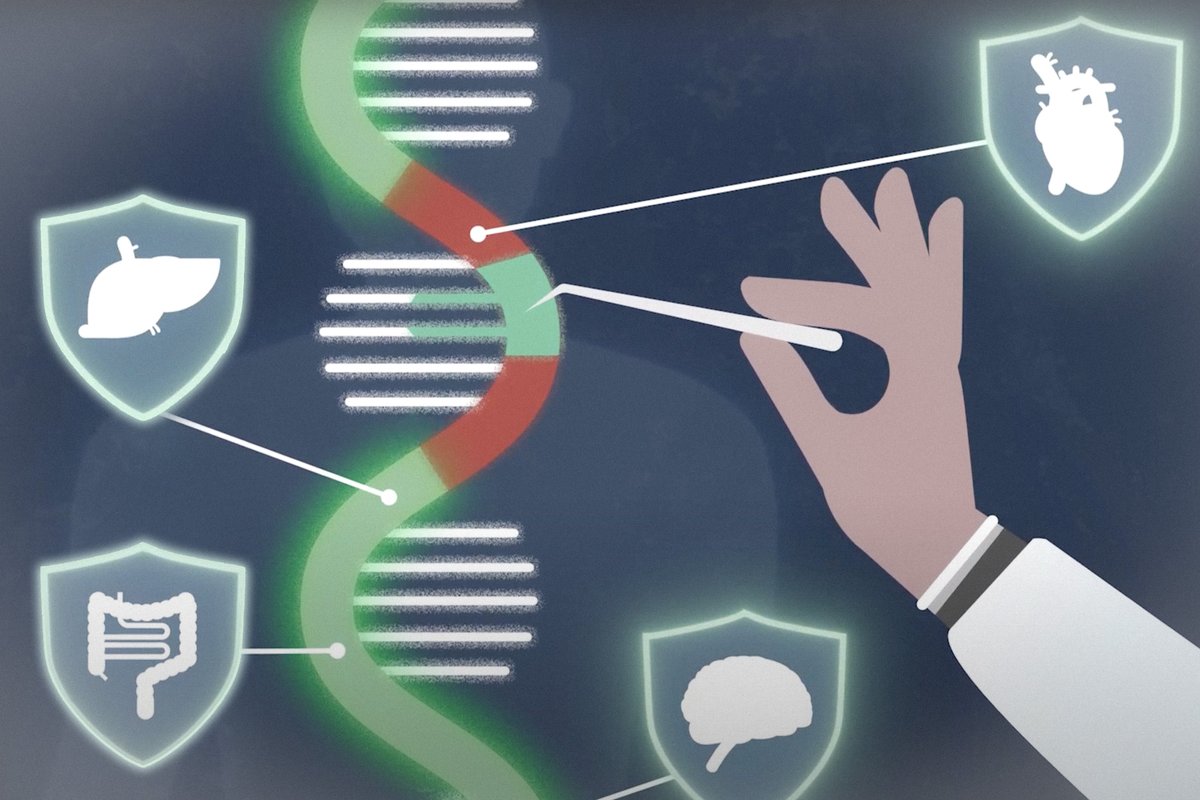
Using AI, researchers in Associate Professor Giovanni Traverso's lab have come up with a new way to design nanoparticles that can more efficiently deliver RNA vaccines and other types of RNA therapies.
https://t.co/ya1yXf7Xr2
Me: “I like coding”
Also me: “Why won’t this freaking code run?!”
(rage mode for a good 10 minutes)
1 hour later...
Also also me: “Oh wait... missing comma.”
Conclusion: coding 5% logic, 95% hunting syntax errors fr 🔍💻
#relatable#CodingChallenge#CodingLife
@MIT_CSAIL Generative AI is just the beginning. Just like what Jensen Huang said, Generative AI is like the brain, physical AI (robots) will become the body. This is just the beginning.
Evelyn N. Wang ’00, MIT's VP for climate and Ford Professor of Engineering in the Dept. of Mechanical Engineering, was elected to the National Academy of Engineering (NAE) for 2025. 8 MIT researchers and 13 alumni were also elected as new members. https://t.co/UItkDoL1GV
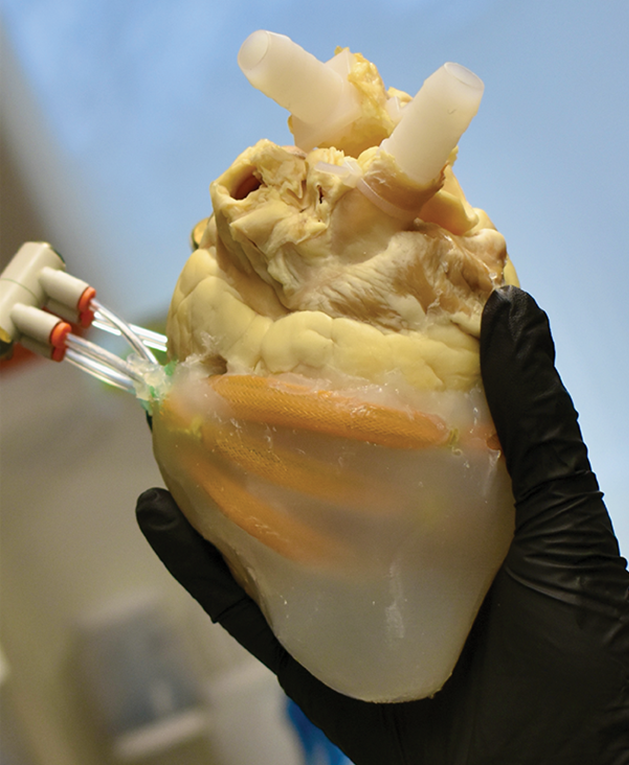
Professor Ellen Roche and her team have developed a soft robotic biohybrid heart and computational fluid models to support valve assessment for Tetralogy of Fallot, a heart defect in newborns.
@elonmuskADO Sorry, I like twitter better Mr. Musk. Also, I was wondering from a business point of view, how do you find employees that you can trust blindly that has lead you to own more than 5 companies!
Halina Rubinsztein-Dunlop is a scientist who made a huge dent in nanophotonics, sculpting LIGHT at the nanoscale, going as small as quantom atoms to cells.
Neuromorphic computing are computations that are done by the brain, using artificial synapses and neurons to compute information outputted from the brain. Nanotechnology allows for huge information to be processed as a chip and helps with the electronics, revolutionizing BCIs.
Nanobots are little molecular machines that were initially thought to cure heart diseases. However, it have evolved to multiple medical fields such as chemotherapy and drug delivery while playing a role in aided molecular manipulation.