The count down is ON to the Bannockburn BioBlitz this Saturday! In this video from @nataliewildife we learn how to identify an oak tree AND learn a cool fact about Robert the Bruce! Get down on the day to help with our BioBlitzing effort!
🦋 Learn about butterfly lifecycles, habitats and the skills needed to identify native butterflies 🦋
Come along, Wednesday 4th August 2-4pm.
Book through eventbrite: https://t.co/BLPjE633Qs
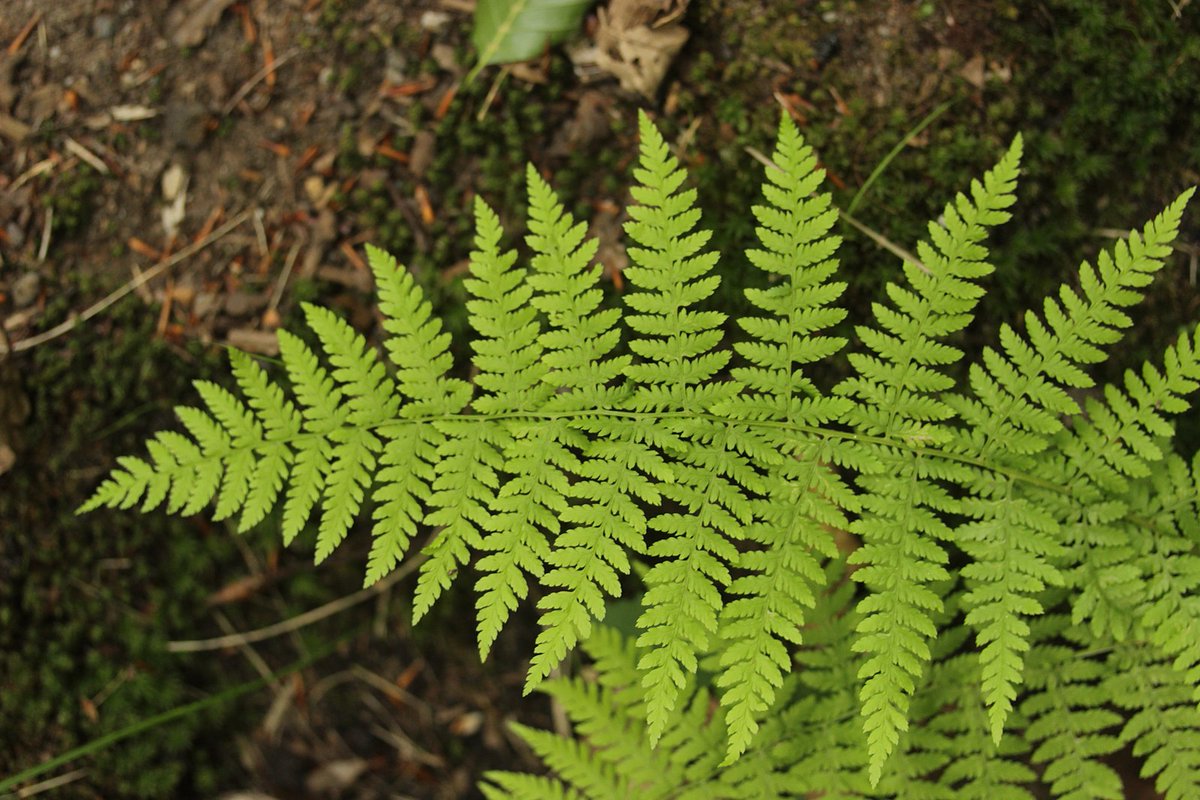
Bracken is found on all continents but Antarctica. It provides habitat for wildlife and is eaten by many caterpillars. Bracken can take over areas quickly at the expense of other species however.
https://t.co/V3Rcylxm7N
@univofstandrews@KidsGoneWildUK@GreatSciShare
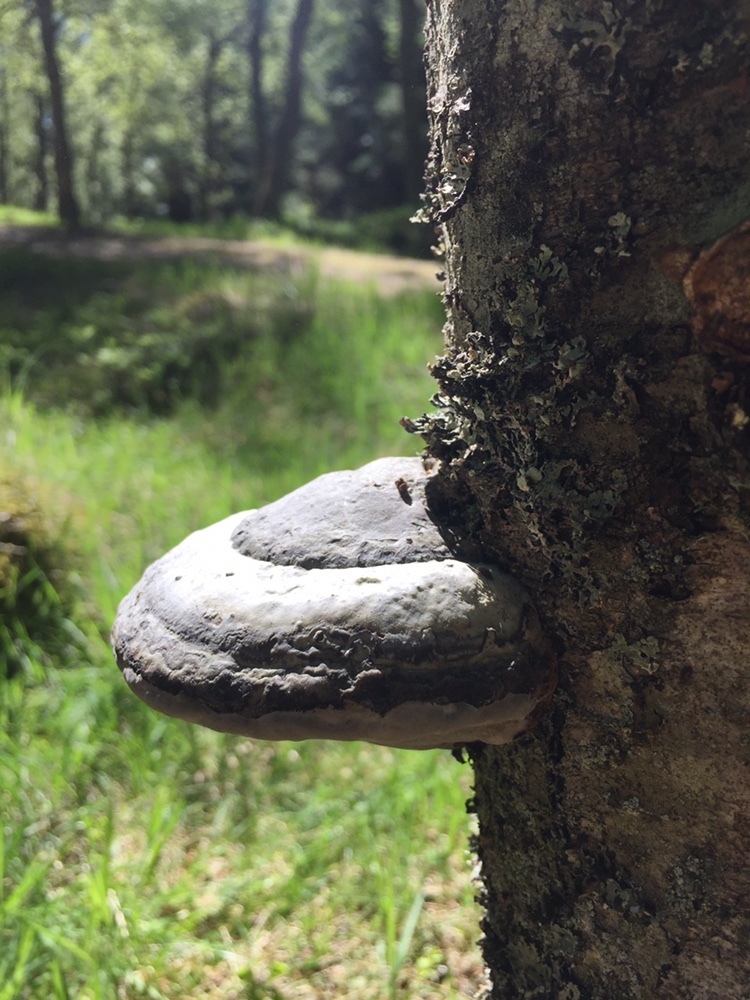
Hoof fungi play an important role in forest nutrient cycling and provide habitat for many beetles, like the forked fungus beetle which rely on them as food.
https://t.co/V3Rcylxm7N
@univofstandrews@KidsGoneWildUK@GreatSciShare
Scots pine, the national tree of Scotland, can live over 700 years. It’s the only native pine in the UK. They provide habitat for many animals like red squirrels which commonly eat their seeds.
https://t.co/V3Rcylxm7N
@univofstandrews@KidsGoneWildUK@GreatSciShare
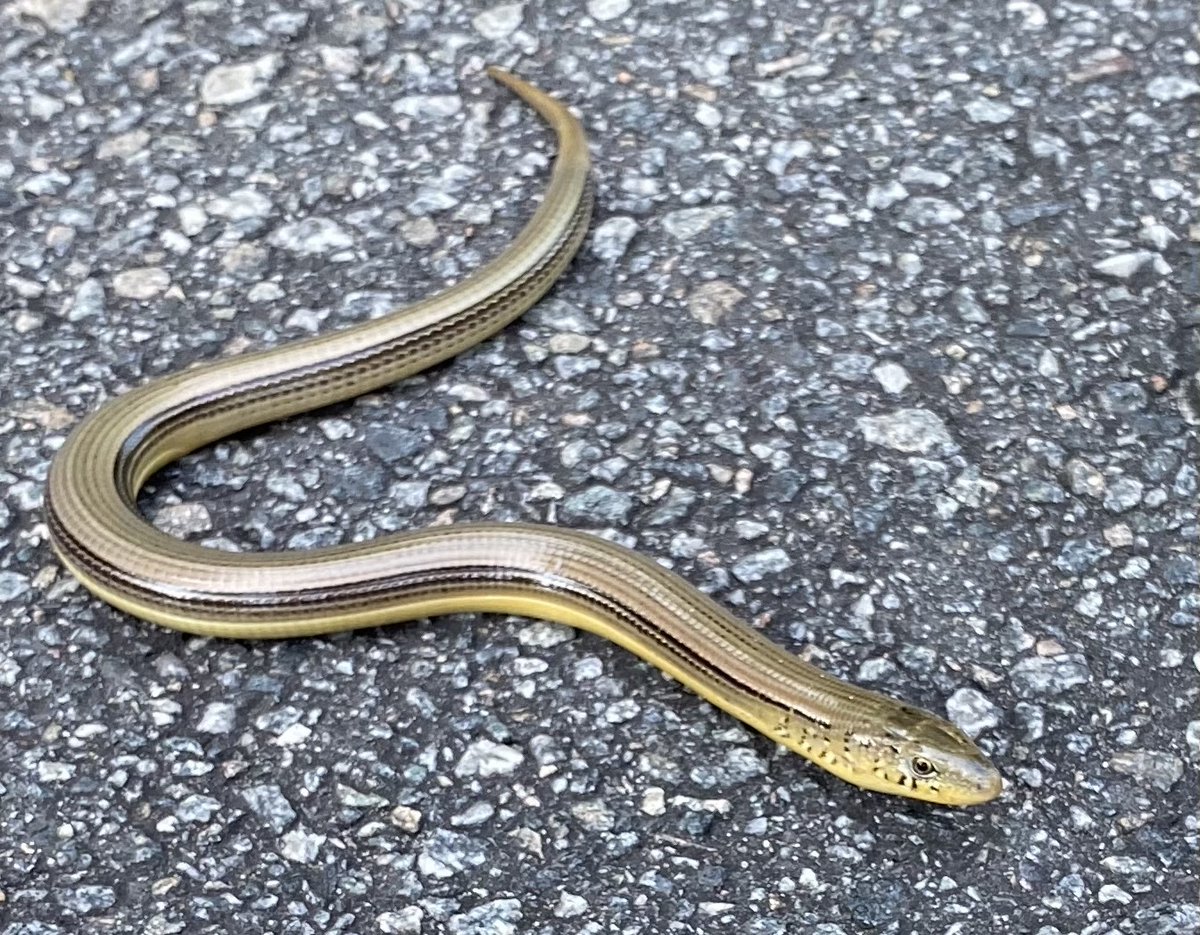
The eastern glass lizard is a legless lizard endemic to the south-eastern US. When threatened, the lizard will break off part of its tail to distract the predator, and regrow it later.
https://t.co/V3Rcylxm7N
@univofstandrews@KidsGoneWildUK@GreatSciShare
We are pleased to announce the winner of our photography contest is debheartsnap! CONGRATULATIONS! Thank you to everyone for sending in your amazing photos!
https://t.co/V3Rcylxm7N
@univofstandrews@KidsGoneWildUK@GreatSciShare
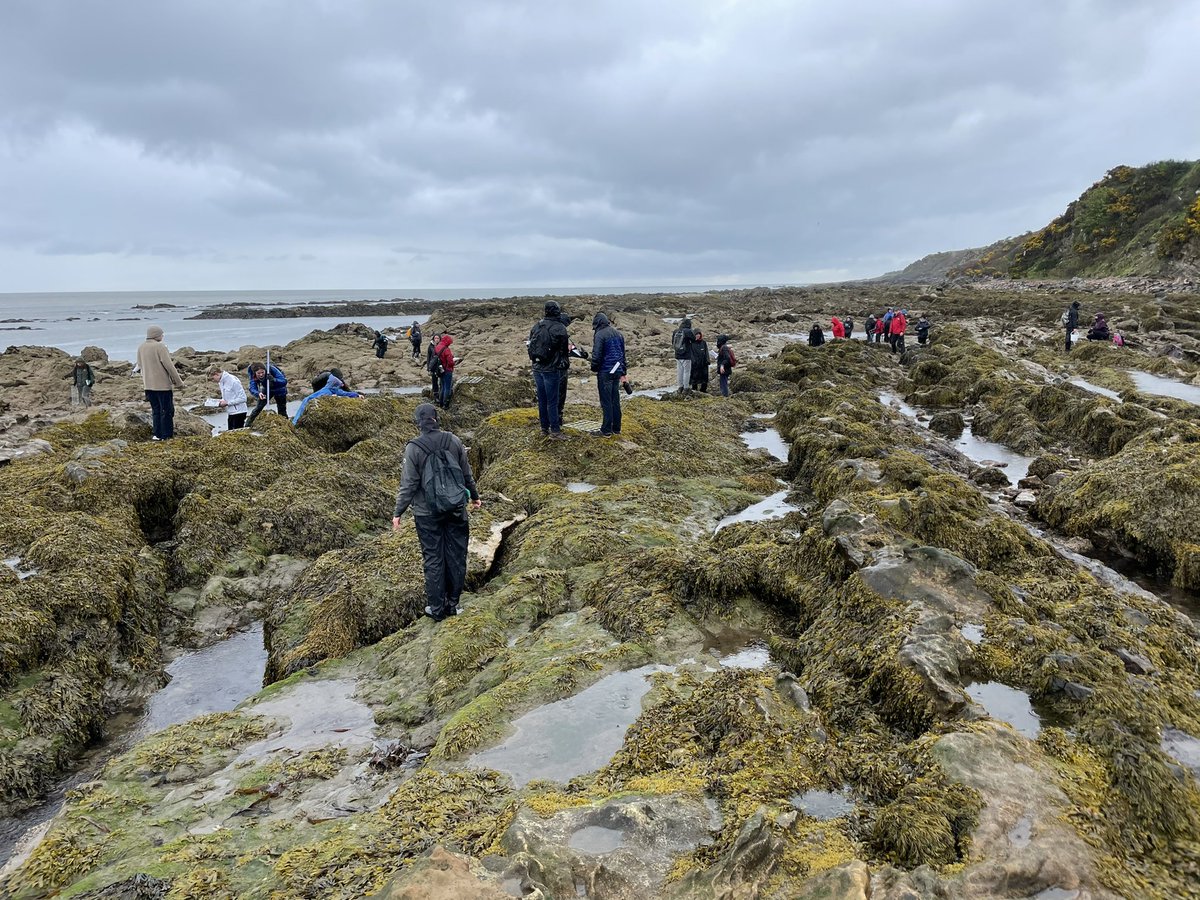
The BL3000 @univofstandrews undergraduates tell us about some charismatic coastal animals during their field course with @marbef22 @DavidMShuker @Drhyperborea. Their own preparation for @BBioblitz !