The results are in😃!
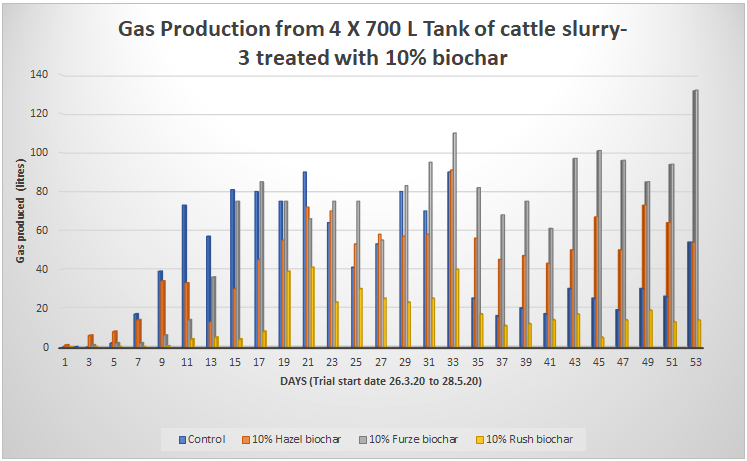
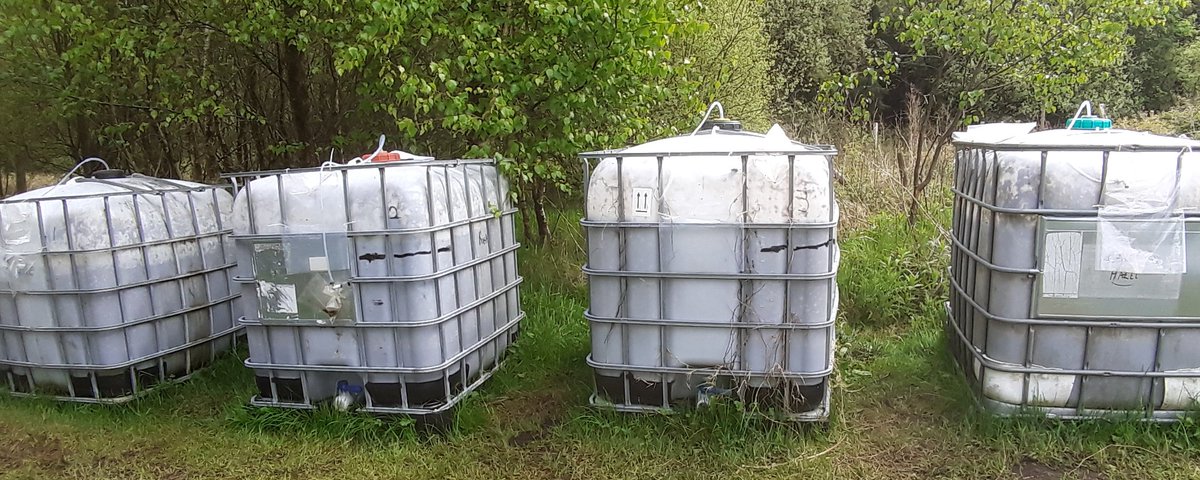
4 tanks x 700 L cattle slurry: 1 control & 3 with 10% biochar (furze, hazel & rush). Gas vol measured over 2 months.
Initial results:
Hazel no effect.
Furze biochar ~25% more gas than control
Rush biochar ~60% less gas than control!
Marie Donnelly said the challenge lies in convincing those who own land to invest in forestry.
Sorry Mary it isn't that simple anymore, plenty of landowners interested but they not allowed to plant their land that could have been planted say 10 years ago!
1/2
Very bright future for wood particularly for the less durable species fast growing species eg Aspen and Black Poplar. Superwood is so strong and durable that it can compete with steel, titanium alloys, and even carbon fibre–but at an infinitely much lower price point.
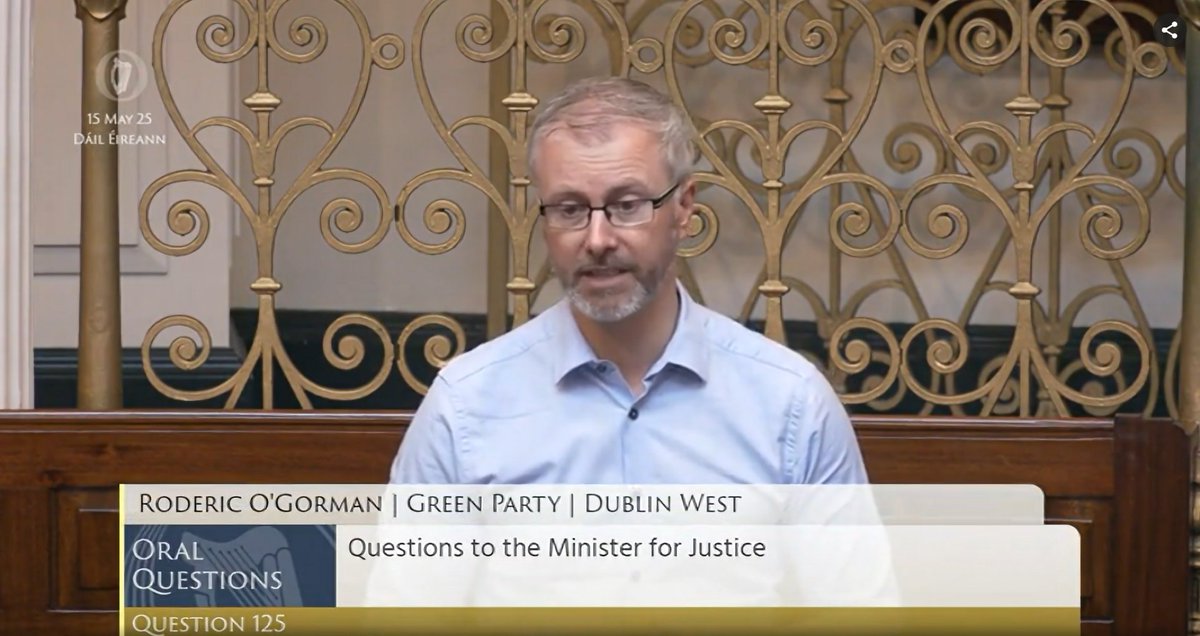
On May 15th, Deputy Roderick O’Gorman (the only remaining Green Party TD) sacrificed valuable speaking time in the Dail to try to justify the science-less, economically juvenile forestry position of the Green Party and in doing so, stir up propaganda and climate scaremongering.
SEEFA and its members support the protection of Ireland's undisturbed blanket peatlands.
Undisturbed deep peat bogs are vital to Ireland's biodiversity and act as a necessary carbon store.
#SEEFA#SaveIrishForestry
Not all peatlands in Ireland are undisturbed, & many are no longer acting as usable carbon stores.
Peatlands that have already been drained & are involved in alternative land use can be viable for forestry, improving the land's biodiversity & carbon sequestration potential.
Researchers were monitoring the bioelectrical impulses of spruce trees, when a solar eclipse passed over. The trees not only responded to the solar eclipse – they actively anticipated it, by synchronising their bioelectrical signals hours in advance
https://t.co/qcqEWwcpb0
New research sheds light on the incredible, invisible mycelial networks beneath our feet—where plants and fungi engage in a complex trade of carbon and nutrients. Using cutting-edge robotic imaging, scientists have uncovered how mycorrhizal fungi form efficient, dynamic underground supply chains. This groundbreaking study reveals the fascinating behaviors of these networks and their crucial role in carbon sequestration.
Repost 🔁: @newscientist
🎥 Dr. Loreto Oyarte Galvez and Dr. Corentin Bisot/SPUN (@spununderground)
These eager beavers saved the Czech government $1.2 million. 7 years of government agencies filling out forms and nothing done, but in a few days the beavers got on with the job !!
https://t.co/9iIEOb7L78
Similar efforts are underway here in Ireland with Daniel Buckley, who has spent several years collecting Black poplar clones. A clone bank is expected to be established at JFK Arboretum in Wexford within the next year or two.
https://t.co/KHNub3532E
New study uses Gamma rays to put Ireland at the forefront of peatland mapping research.
Using this new research approach, the area of soil considered “peaty” within the Tellus geophysical survey potentially increased from 24 % to 30 %.
https://t.co/0ckR8Dprop
Ireland facing EU fines of up to €26 billion if climate targets missed.
Wasn't the annual afforestation target of 8,000ha suppose to offset some of this bill?
https://t.co/1qRC26aFmg
Farmer Joel Salatin on bird flu immunity:
"The thing that gets me about avian influenza is the response to it. In any flock that gets avian influenza, there are always survivors—many times, more survivors than not.
Now, you would think that if the people in charge were actually thinking, they would say, "Huh, we’ve got a flock here of chickens. Some got it, some didn’t. Why don’t we save the ones that didn’t?
We’ll take their genetics, breed them, and maybe we’ll actually breed in more robust immune systems. Wow, fancy that! Wouldn’t that be cool?"
"No. If you have 10,000 birds in a flock and one bird’s got avian influenza, immediately, by government decree, all of them must be exterminated."
All of them—survivors, non-survivors—everything.
Back many years ago, when a pathogenic influenza hit Indochina—remember when it came through Vietnam, Laos, Cambodia, and all that?—the UK did some experiments. They found that if a chicken eats two fresh blades of grass a day—two blades of fresh grass a day—she doesn’t get avian influenza."