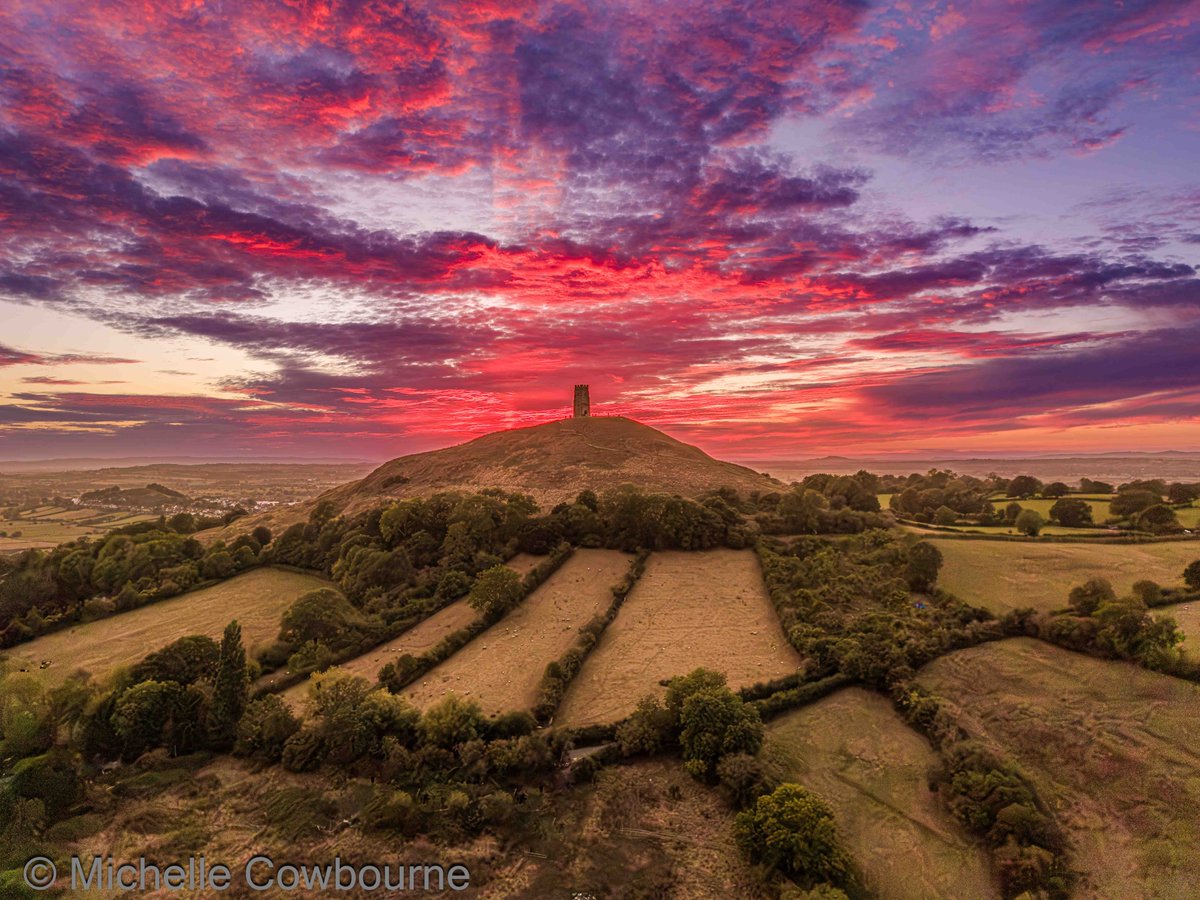
Solitude at sunrise. There is something so peaceful sitting on the edge of Glastonbury Tor looking down over the Somerset Levels bathed in golden light.
Fiery Embers. Photo taken from St Michael's tower on Glastonbury Tor as the sun rises. I would remove the person ordinarily as people might not always want to be in the images I post but when I use the remove people tool on Lightroom it flags as AI on X and then I get message after message about how I shouldn't be using AI 😂
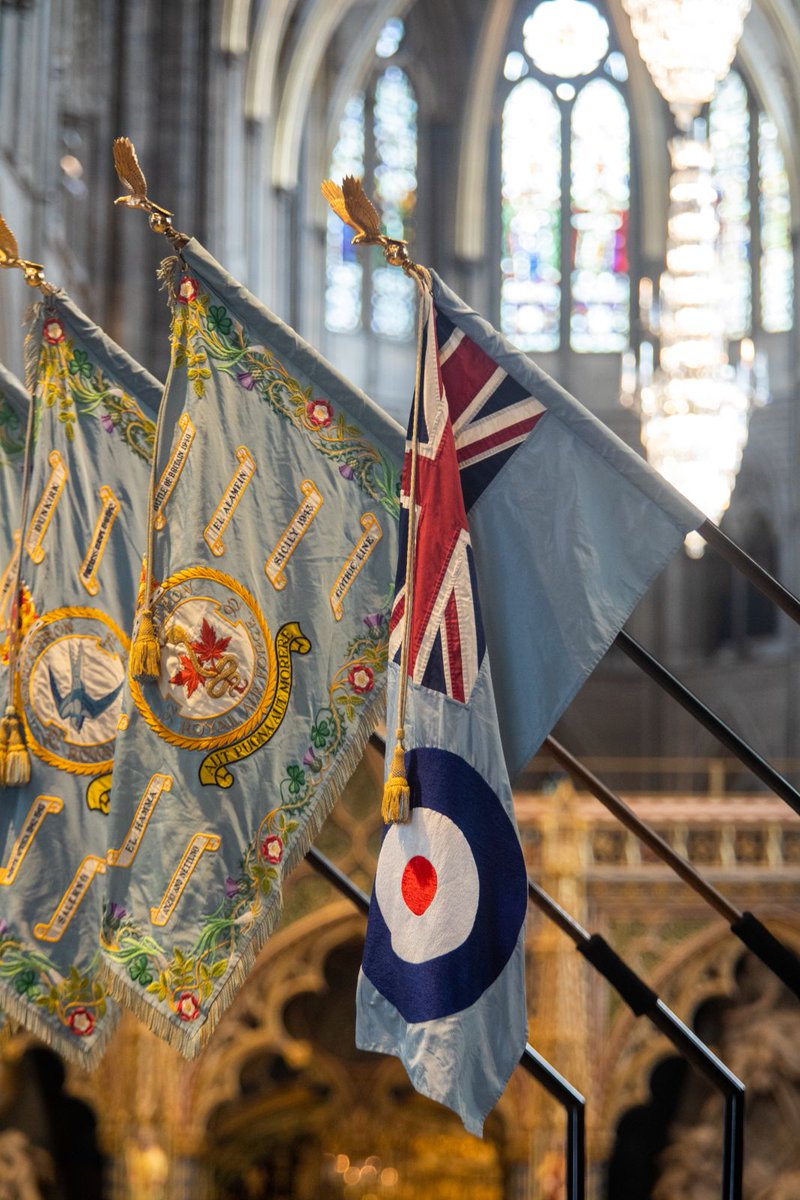
This morning we'll be remembering the sacrifice of the pilots and aircrew who fought in the #BattleOfBritain at our annual Service of Thanksgiving and Rededication. We'll be streaming the service from 11:00am (BST) and you can watch live or on demand at: https://t.co/uFHhkV6Ers
The Battle - a 112-day fight for control of Britain's skies between July and October 1940 - was the first decisive battle in history fought entirely in the air, and one which proved to be a dramatic turning point in the Second World War.
#BattleofBritain #BattleofBritainSunday
There are some really wonderful & brilliant nurses... But there are also nurses who are less so! My visit to hospital was a real eye-opener! One for the Bucket List! 🤣😂🤣
I am not very well... Was hospitalised last week. The Ward was a combination of 'One Flew Over The Cuckoo's Nest' & 'Fawlty Towers', manic, bewildering and very comical experience. I would not venture to return to hospital again, only if death was a certainty. 🤣😂🤣
Ahead of our annual service of thanksgiving and rededication on Battle of Britain Sunday this weekend, we're looking back at the Abbey’s role in honouring 'The Few' – the pilots and aircrew who fought against extraordinary odds to defend the country from invasion during the Second World War.
The Battle of Britain – a 112-day fight for control of Britain’s skies – was the first decisive battle in history fought entirely in the air, and one which proved to be a dramatic turning point in the Second World War.
The German objective in the summer of 1940 was to eliminate the Royal Air Force, both in the air and on the ground, in order to obtain air superiority in preparation for a potential invasion. Operating principally from airfields in France and Belgium, the Luftwaffe began their first heavy onslaught early in July 1940, directed against British shipping and the Channel ports. The intent behind this first phase of the battle was not only to sink shipping but also to draw the Royal Air Force into combat and wear down its strength. The second phase, from 8th to 18th August, consisted of intensive day operations against coastal radar stations and fighter airfields. The third phase began after a five-day lull due to poor weather, with attacks on fighter airfields in the London area and increased night attacks on Britain’s cities.
The first daylight assault on London was made on 7th September and marked the beginning of the fourth phase, lasting most of that month, during which the capital became the Luftwaffe’s primary target. These attacks, although serious in themselves, brought vital relief to the fighter airfields, which until that time had been under considerable pressure. The Battle reached a climax on 15th September, when the Luftwaffe flew more than 1,000 sorties over England during daylight hours. On that occasion, the Luftwaffe lost 56 aircraft. Throughout October, the fifth and final phase of the Battle saw the decline of enemy daylight attacks on London and an increase in the night bombing of Britain’s major ports and industrial centres.
At the beginning of the struggle the Luftwaffe had approximately 2,700 aircraft to launch against England. Britain had fewer than 60 fighter squadrons – around 700 aircraft – and the groundcrew had to work sometimes 16 hours a day to keep aircraft in the air. Fighter Command lost over 1,000 aircraft during the Battle and the Luftwaffe nearly 1,900. Through the efforts of fewer than 3,000 aircrew from Britain, the Commonwealth, and Allied nations, many firmly under Nazi control, along with some from neutral countries, together with the men and women who supported them from the ground, Hitler’s Third Reich suffered its first significant strategic defeat.
In all 544 aircrew from Fighter Command were killed during the Battle, and a further 791 died before the end of the War. The cost was grievous but the stakes immeasurably high. The campaign was, in Sir Winston Churchill’s words: ‘One of the decisive battles of the war.’ In a speech that has gone down in history Churchill went on to say: ‘The gratitude of every home in our Island, in our Empire, and indeed throughout the world… goes out to the British airmen who, undaunted by odds, unwearied in their constant challenge and mortal danger, are turning the tide of world war by their prowess and by their devotion. Never in the field of human conflict was so much owed by so many to so few.’
The Battle drew to a close with the onset of winter and the Luftwaffe used the longer nights to mount its night-time Blitz which lasted until May of the following year, when Hitler turned eastwards to attack the Soviet Union. With the home base now reasonably secure, the Royal Air Force could turn to wider tasks: including the long fight for Malta, North Africa, and control of the Mediterranean; the mounting bomber offensive against Germany; the struggle for air supremacy over North-West Europe without which the Normandy Invasion would have been impossible; and support of the invasion and liberation campaign itself. Without these essential contributions, victory in Europe would not have been possible.
Westminster Abbey has played a central role in remembering the sacrifice of those who fought in the battle, holding a service of thanksgiving and rededication on Battle of Britain Sunday every year since 1944.
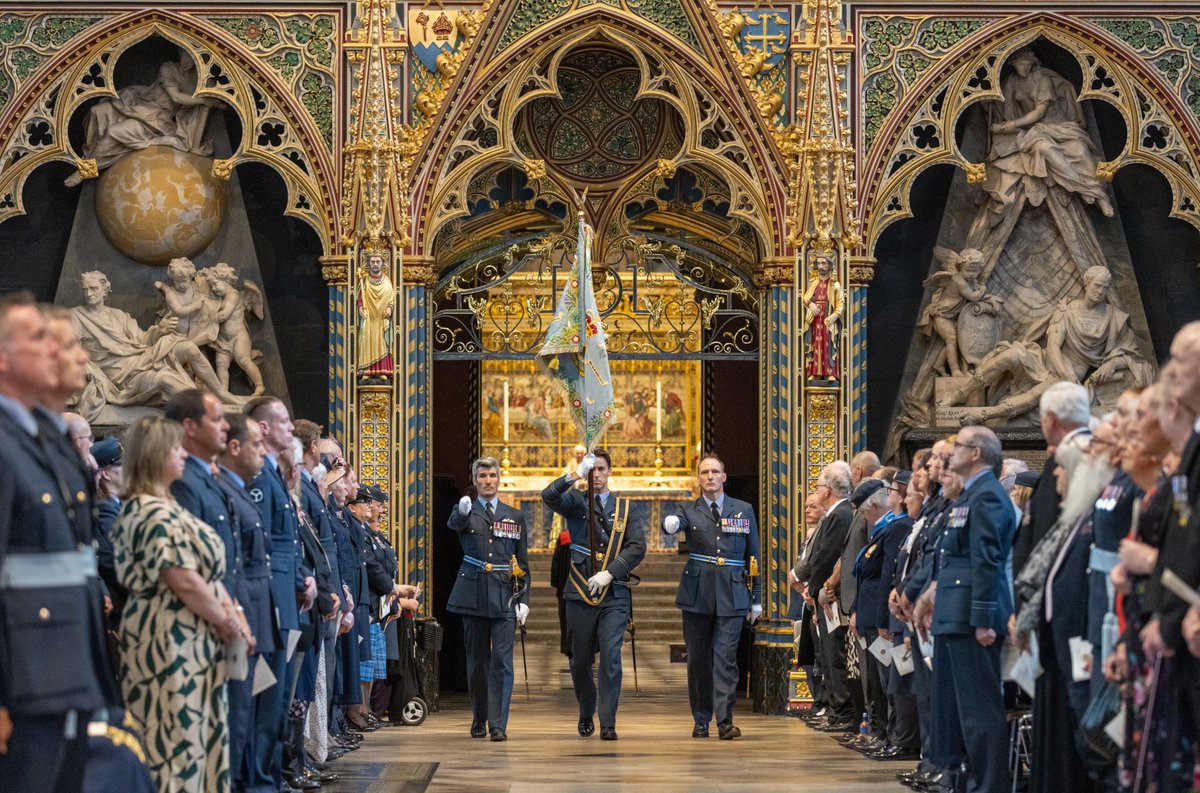
Often held in the presence of a senior member of the Royal Family, the service is attended by representatives of the government and the RAF alongside veterans and their families, and is an annual opportunity to remember the heroism of the young pilots and aircrew of the RAF, many of them in their teens, who defended Britain’s skies. The service includes an Act of Rededication ‘to building a world where there is justice and peace for all, and where women, men and children live a life of full human dignity.’
The 2015 service was particularly poignant marking as it did the 75th anniversary of the Battle. At the start of the service, HM The King (the then Prince of Wales) laid a wreath at the memorial to Sir Winston Churchill in the nave, marking 50 years since the stone to the wartime Prime Minister was unveiled by his mother, HM Queen Elizabeth II, at the Battle of Britain service in 1965.
Afterwards, aircraft from the Battle of Britain Memorial Flight – including four Spitfires and two Hurricanes – took part in a flypast over the Abbey, watched by hundreds of veterans, serving military personnel and their families.
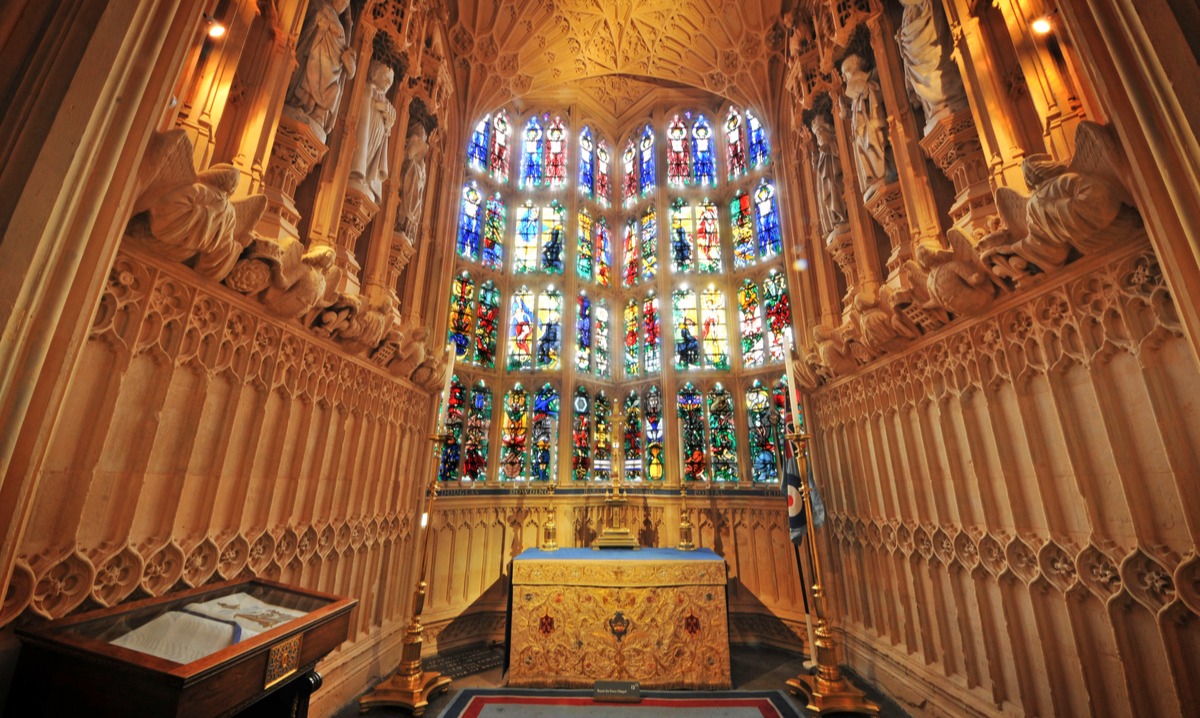
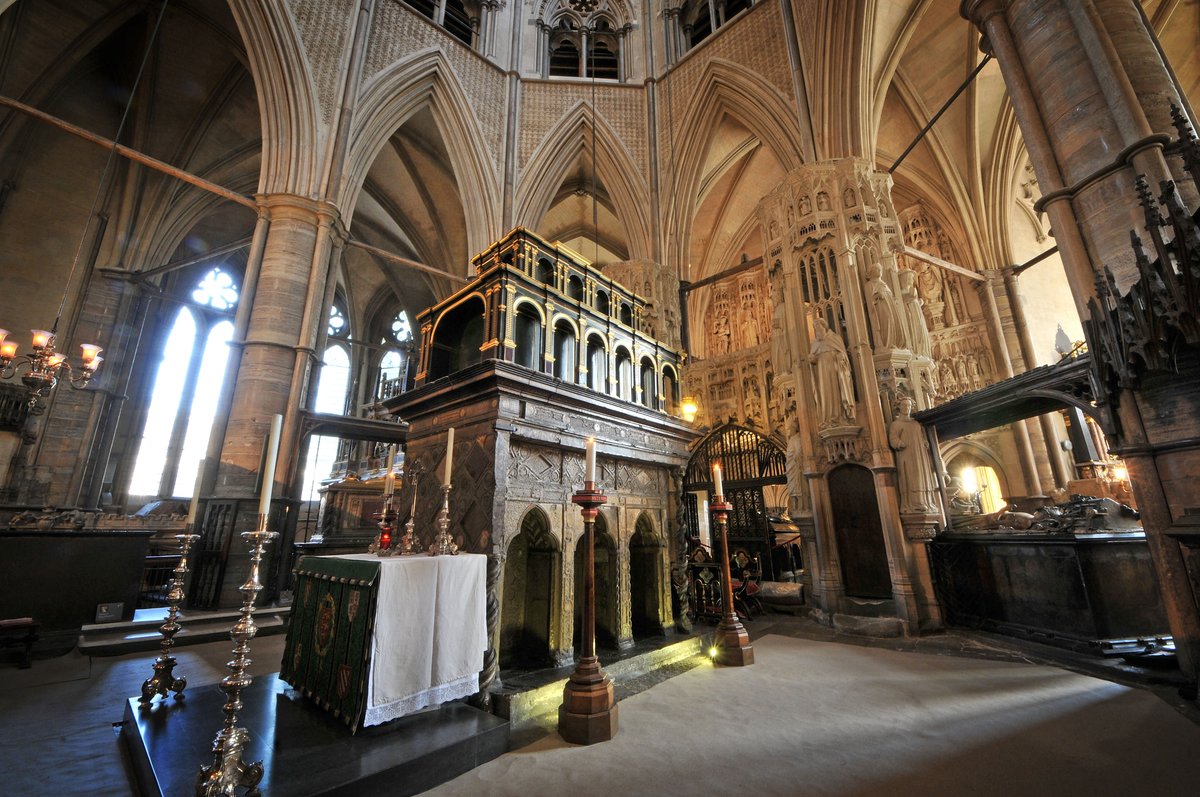
In 1947, a chapel at the east end of the Abbey was dedicated to the men of the Royal Air Force who lost their lives in the Battle. The idea of a permanent memorial had been suggested to the Dean of Westminster, the Right Reverend Paul de Labilliere, by Mr N. Viner-Brady in 1943, and he chose this small chapel as one suitable for the purpose. Lord Trenchard (Marshal of the RAF) and Lord Dowding (Air Officer Commanding-in-Chief of RAF Fighter Command in 1940) headed a committee to raise funds for the furnishing of the chapel.
The chapel was dedicated at a service on 10th July 1947 attended by King George VI and Queen Elizabeth, accompanied by Queen Mary and Princesses Elizabeth and Margaret. Standing at the entrance to the chapel, the King asked Alan Campbell Don, Paul de Labilliere’s successor as Dean: 'With proud thanksgiving we ordain that this chapel be set apart for all time as a memorial of the men of the flying forces who gave their lives in the Battle of Britain, and we charge you, Mr Dean, to dedicate it and the gifts wherewith it is adorned to the worship of Almighty God'.
The chapel’s magnificent stained glass window, designed by Hugh Easton, contains the badges of all the fighter squadrons that took part in the Battle. In the central section are the Royal Arms, the badge of the Fleet Air Arm and the badge and motto of the RAF, ‘Per Ardua ad Astra’ (Through struggle to the Stars), together with the furled flags of New Zealand, Canada, Australia, South Africa, Czechoslovakia, Poland, Belgium, and the United States of America, acknowledging the vital contribution of these nations to the victory.
In two of the bottom panels are words from Shakespeare's Henry V: ‘We few, we happy few, we band of brothers’. Painted on the stonework below the glass are the names of six RAF war leaders. The ashes of both Trenchard and Dowding are buried in the chapel.
A Roll of Honour, kept in the chapel, contains the names of 1,497 pilots and aircrew killed or mortally wounded during the Battle, of which 449 were in Fighter Command (whom the window specially commemorates), 732 in Bomber Command, 268 in Coastal Command, 14 in other RAF commands and 34 in the Fleet Air Arm.
The names include those of 47 Canadians, 47 New Zealanders, 35 Poles, 24 Australians, 20 Czechoslovaks, 17 South Africans, 6 Belgians and one American, as well as those from the United Kingdom and Colonies.
Every year at the Battle of Britain Sunday service, the roll of honour is borne through the Abbey by a serving RAF pilot, accompanied by sons and grandsons of veterans, and placed on the High Altar – a fitting tribute to all those who took part in the Battle and without whose extraordinary efforts it is difficult to see how the Second World War could have been won.
When a Man knows himself and has nothing, to attack him, to persecute him and try to destroy his spirit is a futile exercise as you can't get blood out of a stone.
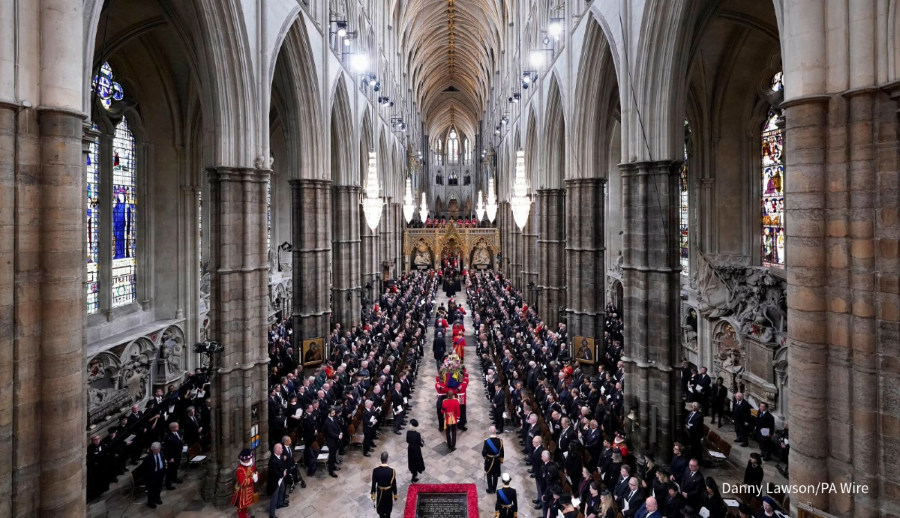
The State Funeral of Her late Majesty Queen Elizabeth II was held here at the Abbey four years ago today, on 19 September 2022.
‘I am the resurrection and the life. Those who believe in me, even though they die, will live, and everyone who lives and believes in me will never die.’
'In the beginning was the Word, and the Word was with God, and the Word was God. He was in the beginning with God. All things came into being through him, and without him not one thing came into being'
John 1: 1-3
'The Lord is my shepherd, I shall not want. He makes me lie down in green pastures; he leads me beside still waters; he restores my soul. He leads me in right paths for his name’s sake.'
Psalm 23: 1-3