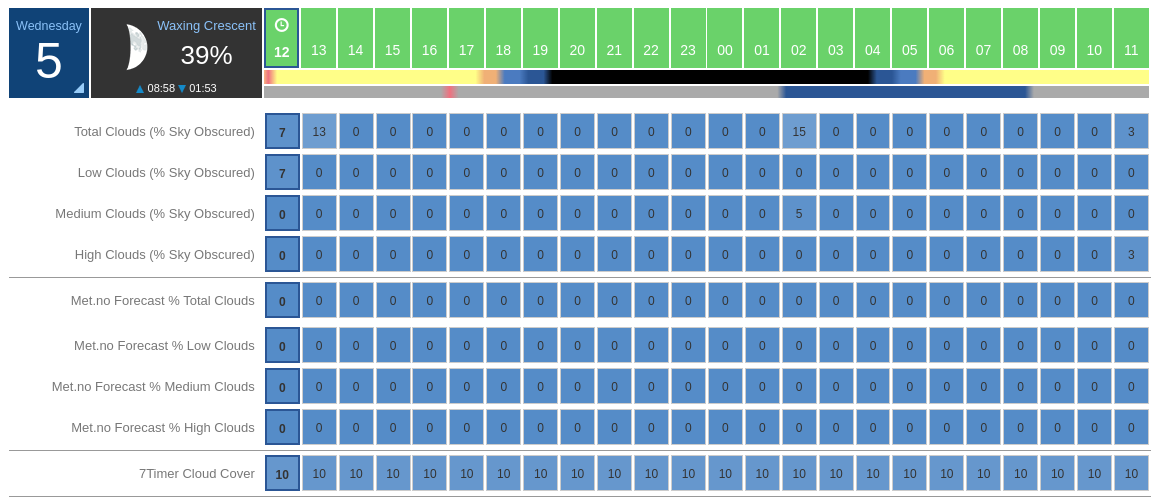
Well, March had very good weather. We observed on 21 of the 31 nights and gathered data for a grand total of 131.39 hours. That is a new record for observing hours by month - beating February 2019 by 6 min 😁 - and more than twice the average for March.
I think we broke our record of consecutive nights with at least some observing. We have now had 14 nights where at least some (from 2.25hr up to 9.9hr) observations have taken place. We observed for a total of 94.7hr in those two weeks. 🤓
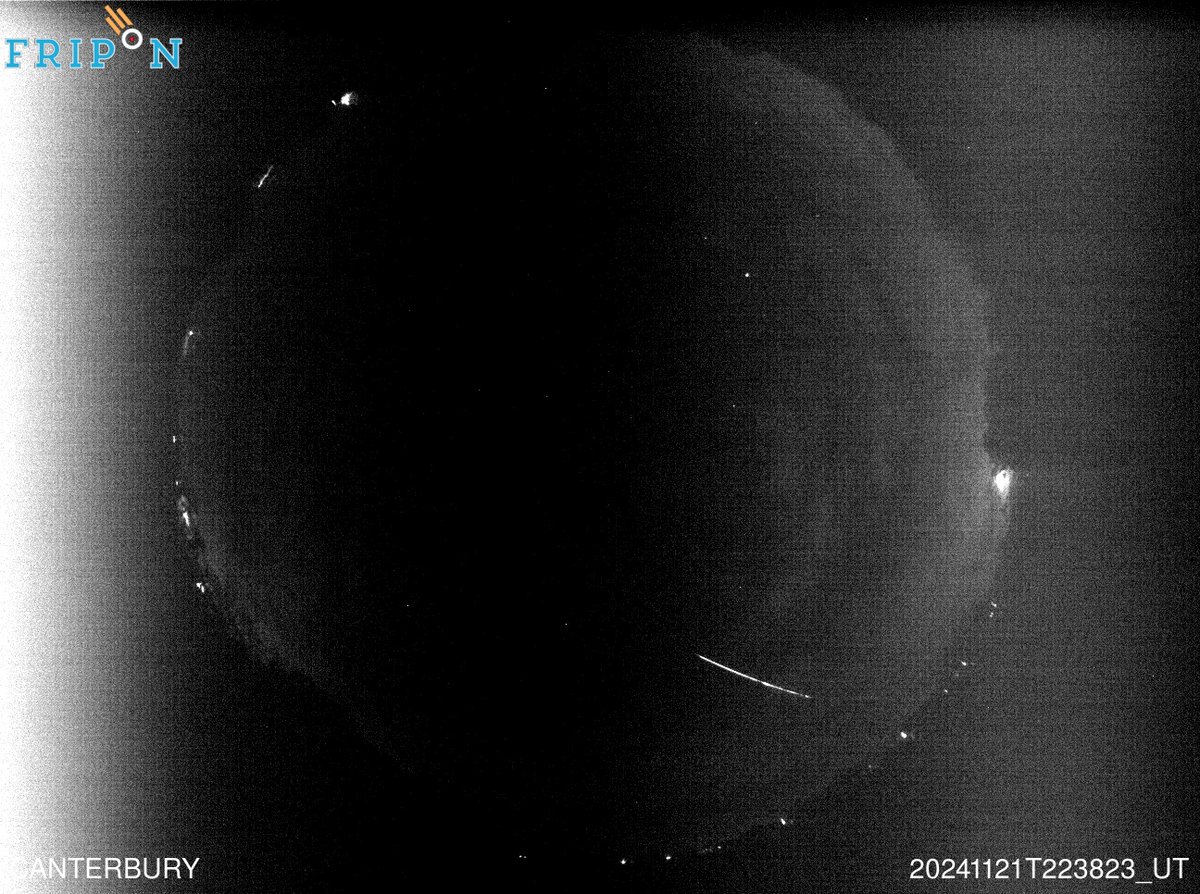
After a brief outage due to a problem with a cable, the fireball camera is now back operational since a week. And we detected a nice one on Thursday night.
While the observatory remains under a constant blanket of clouds ☁️☁️☁️ since October 27th, that last observing night has pushed our total time of taking science data over 6000hrs. 🤓
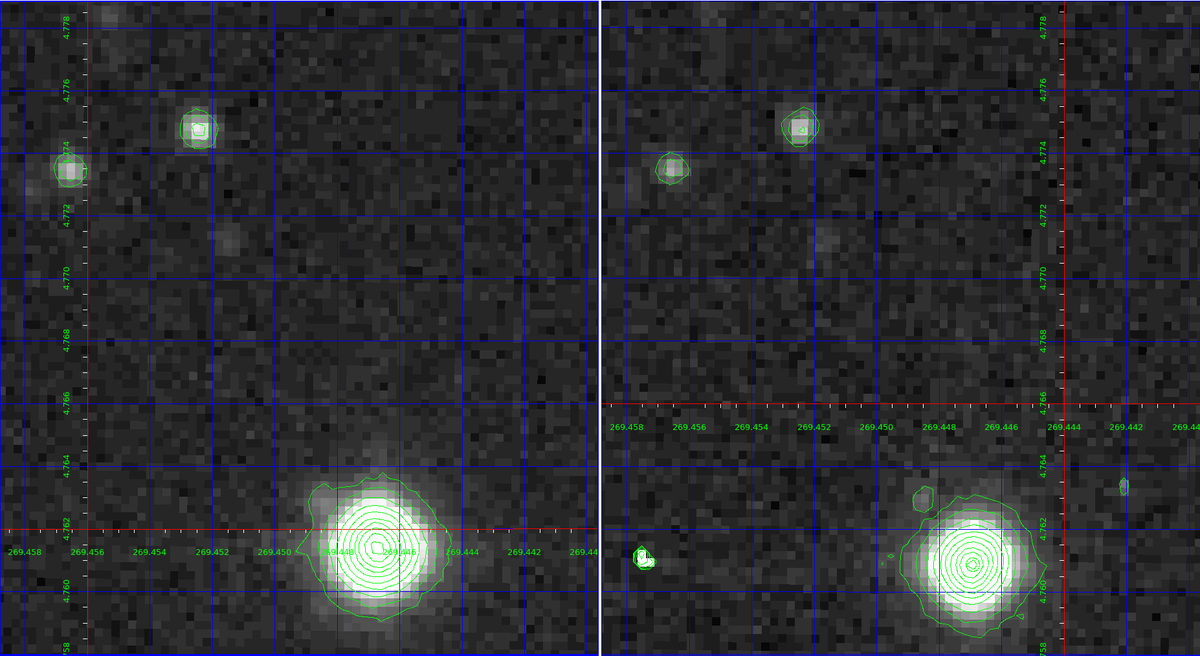
So within the errors we have the PMs right after one year, and once we covered more of the parallax ellipse, we should get closer to the correct parallax as well. Shall make a good UG student project in future.
Can we measure accurate parallax and proper motion values with a 40cm telescope, 1arcsec pixels, 2.5arcsec seeing, and 30min of telescope time? Yes we can - at least for Barnard's Star.
The Gaia values are: Plx = 0.5470", PM_RA=-0.8016"/yr, PM_DE=10.3624"/yr.
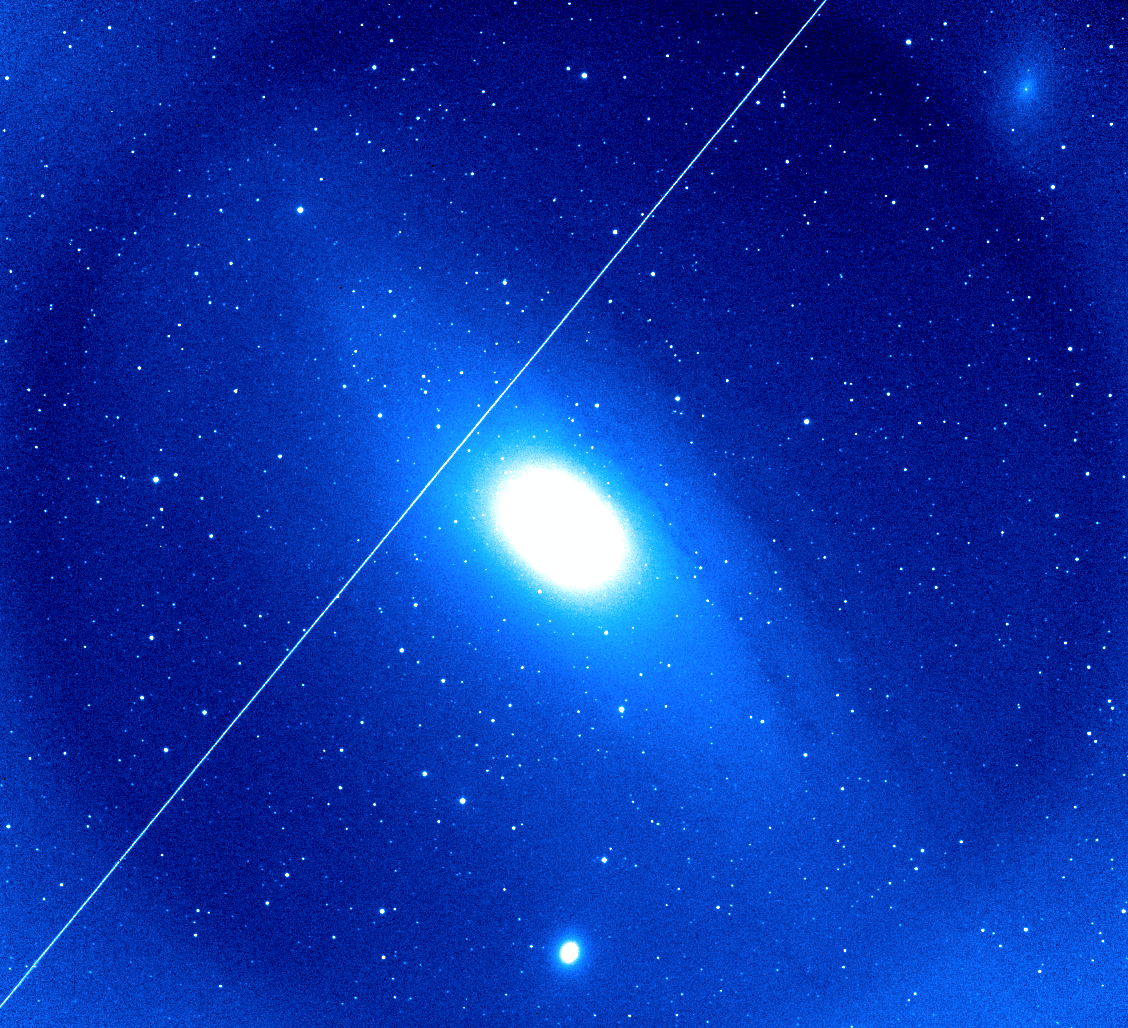
We did some guider testing last night during twilight, and picked M31 as a random target. It is obviously too large for our FoV and we only did a single 2min I-Band exposure with a still very bright background gradient.
Our Fireball Camera also picks up Auroras. Below are a few processed frames from the Aurora on May 10 this year (22UTC). This one did not ruin any observations as the humidity was far too high on that night ;-)
Finally some good weather, and the mount has given up working again. We are exploring what might be wrong - first things unsuccessful. At the least it is still under warranty....
More data for the new Astro lab: Asteroid Amphitrite observed about one hour apart. Clearly moving - we observed it at the point of its slowest possible apparent motion. Task: Measure it's apparent motion on the sky.
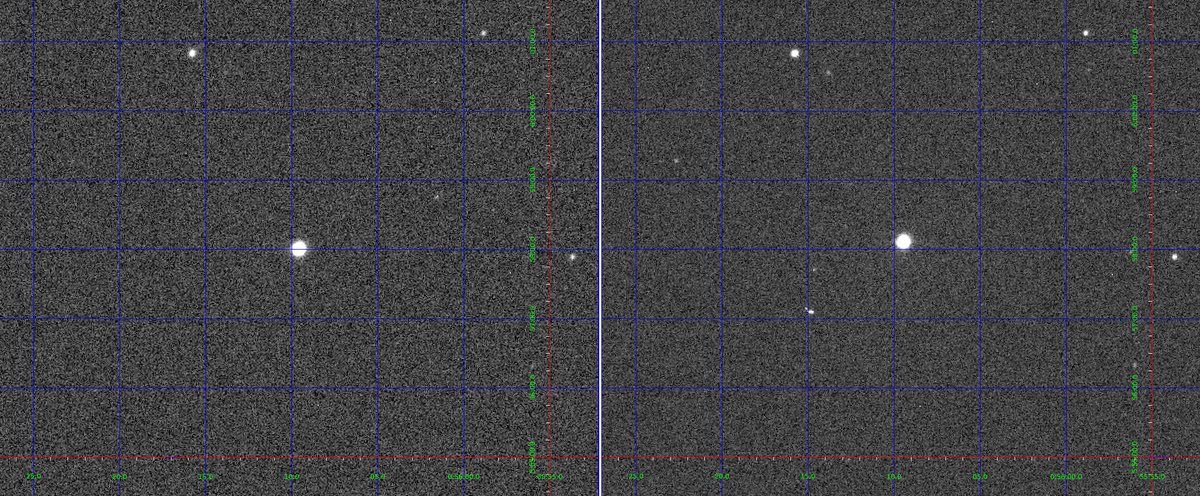
Barnard's Star (the bright one at the bottom) observed May 24th (right) and Aug 9th (left). A rough analysis shows it moved 2.1", i.e. it has a proper motion of 9.9"/yr. That's close to the real value of 10.4"/yr.
It then slew to the position, found a guide star, guided on its own (with 0.2-0.3arcsec accuracy) and took the image. A lot more to do until we can leave it doing everything by itself, but we made a start....
This image does not look much, but after a lot of experimenting, this is the first image the telescope took all by itself (22:50:00 on 21.06.2023). All it got told was where to point and how long and in what filter the image was for.
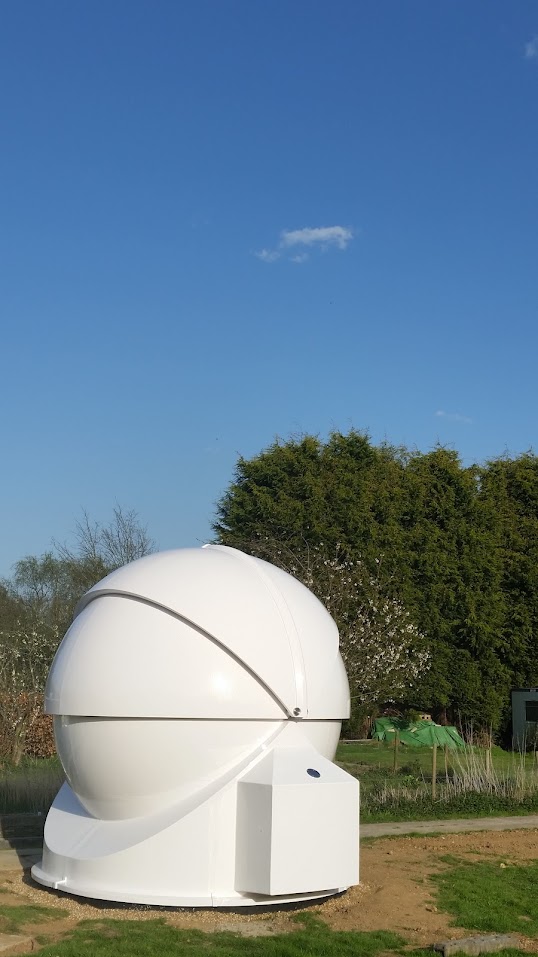
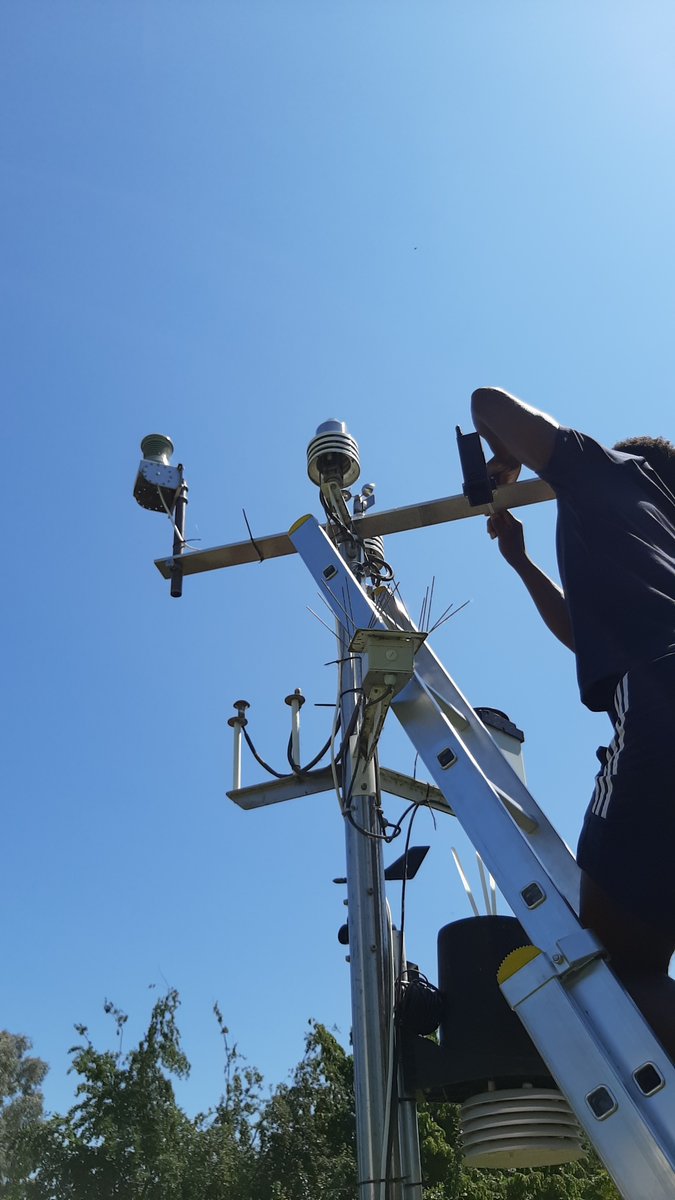
Thanks to Luke and Tosin. We have put the new cloud sensor onto the mast today and it is sending data. One step closer to making the observatory robotic.....
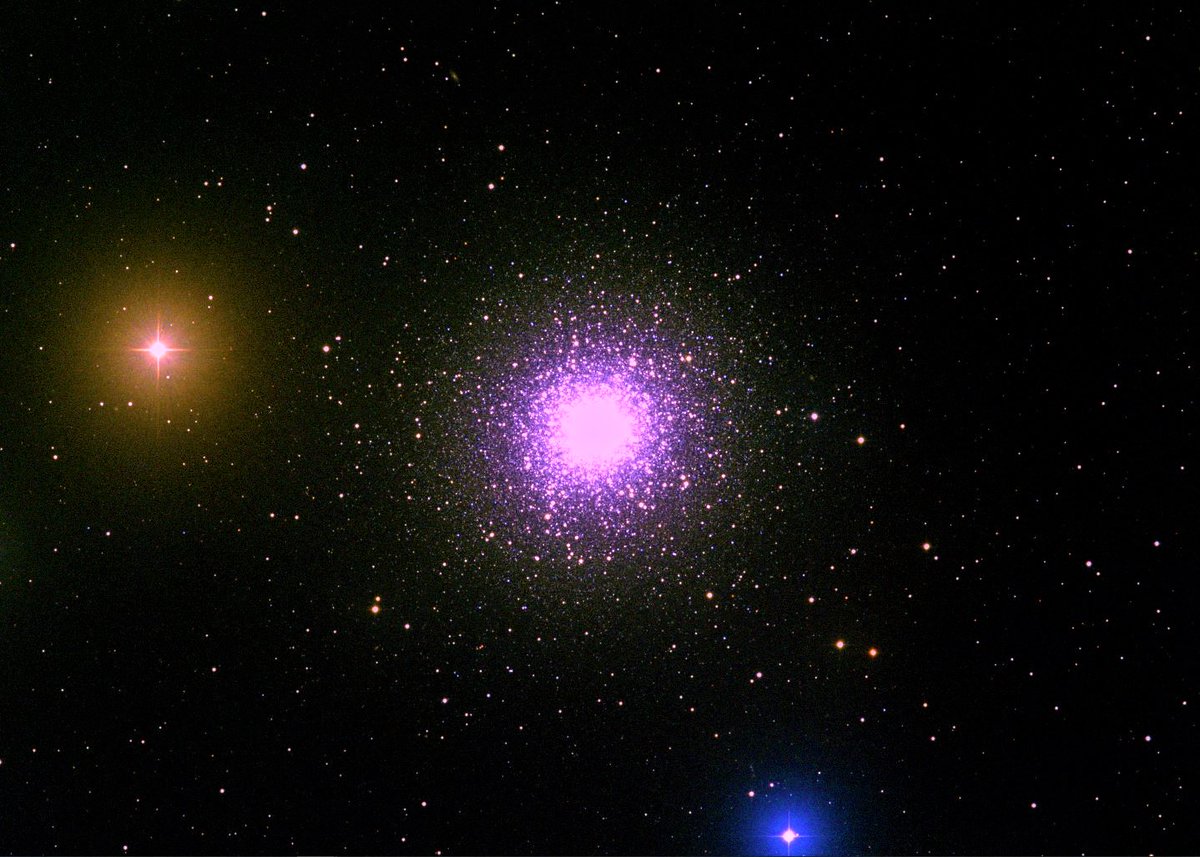
Two versions of a B,R,I colour composite of the M13 images from last night. One is 45'x32x and the other one 11'x8'. In the latter the colour stretch has been adapted to see the individual stars.