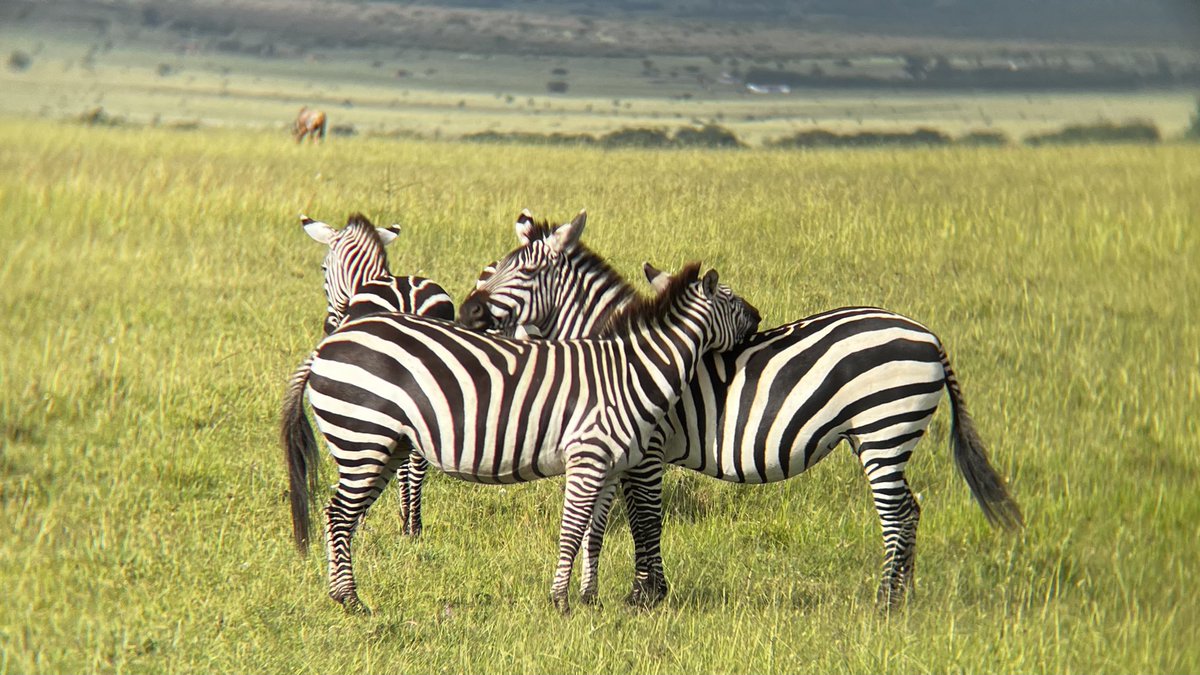
For the first research project, my group performed a combination of scan and all-occurrence sampling to examine zebra social behavior! Below is a prime example of head resting! - HEB
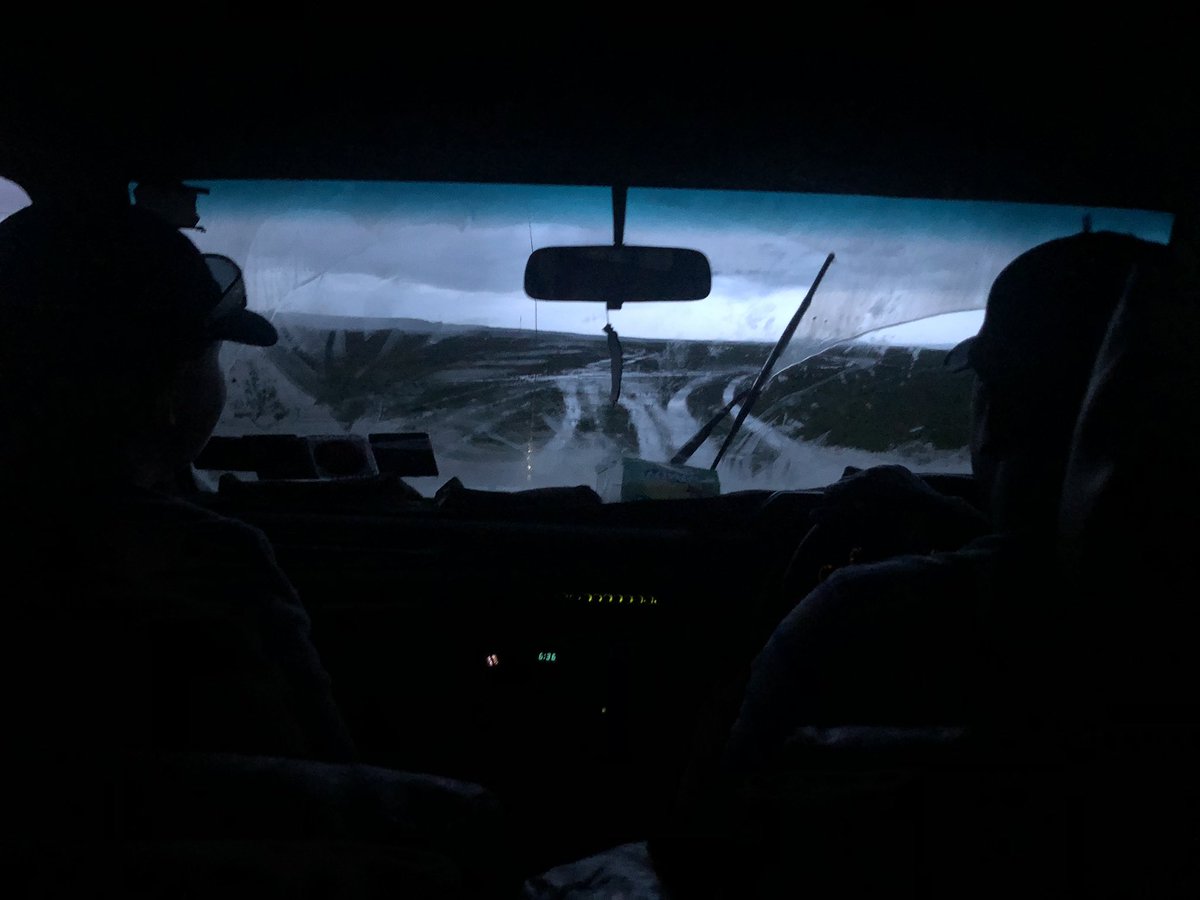
One of my favorite parts of the Maasai Mara National Reserve, unrelated to animals, has been the numerous thunderstorms - even if they stop us from going out on game drives! - HEB
Why is the neck and legs of the male ostrich such a dark pinkish hue? This is because the male is in heat and looking for females to reproduce with. -IS
This line of over 10 cars were all trying to capture images of two female lions. Many travelers don’t understand the impact of overcrowding and the stress it can create for the animals. No more than 3 cars should be present when viewing an animal at a time. -IS
Litter is something that every place in the world deals with. No one ever thinks about how it impacts the animals. The olive baboon shown in the picture could have been injured or ingested the metal from the can. It’s important to reduce your carbon footprint when traveling. -IS
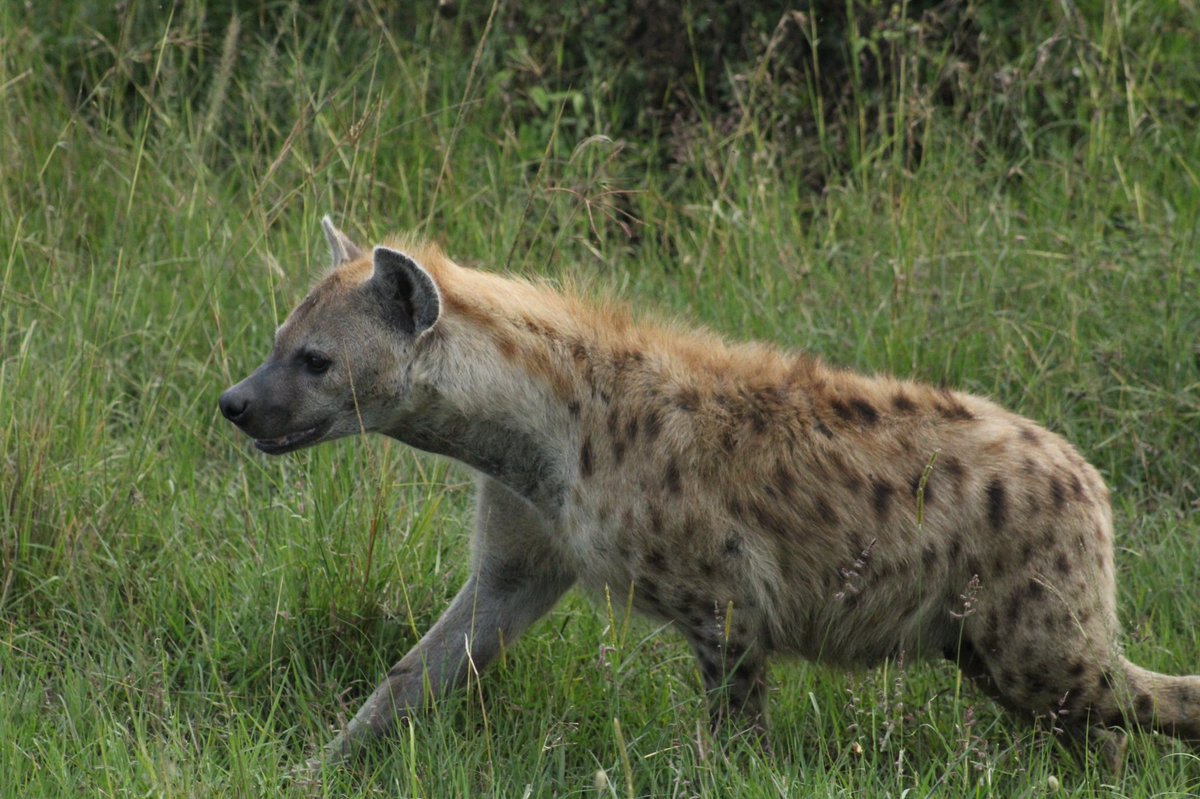
Today we witnessed many interactions/behaviors between spotted hyenas. One of which included submissiveness of a sub-adult female in the presence of her mother. Unlike other animals, submissiveness is exhibited when their teeth are shown off in a “snarl” and their ears are back.
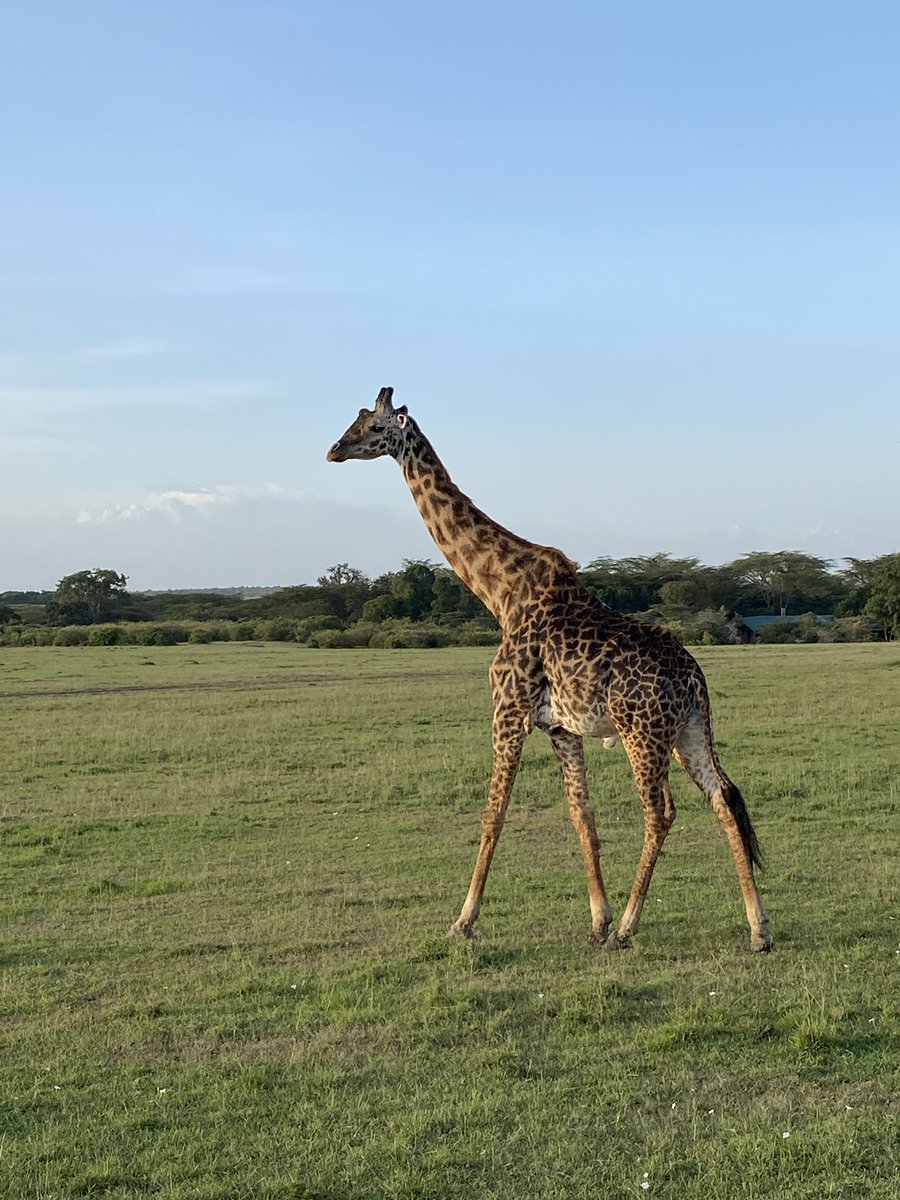
Here is a male giraffe we saw crossing the road in front of our car during one of our game drives! You can tell it’s a male giraffe by the lack of hair on his 2 main ossicones and his 3rd ossicone, which only male giraffes have! EW
With the help of their fur coloration and tall grass, big cats have amazing camouflage in their habitats! Can you spot the big cats in these photos? (Hint: one picture is of a leopard and the other is of a male and female lion). EW
Do you know the Leopard is solitary and territorial? Here is the Leopard walking slowly at the road edge and a lot of vehicles try to follow him and make him stress. At Maasai Mara National Reserve -SK
On our last set of observations for project 2 last night, my car took a detour from studying topi to hangout with a matriarch elephant and her herd 🐘🤍-LC
We have experienced a lot of heavy rains in the evenings this week. This has hindered some of our observations as it can be difficult to hear animal sounds through the rain- RG
Spotted hyenas are a highly social species that can be compared to many of our domesticated companions. Studying their behavior can be very revealing in our understanding of complex emotions and thought. What behaviors in our four-legged family members are “feral” or “wild”? ~ JH
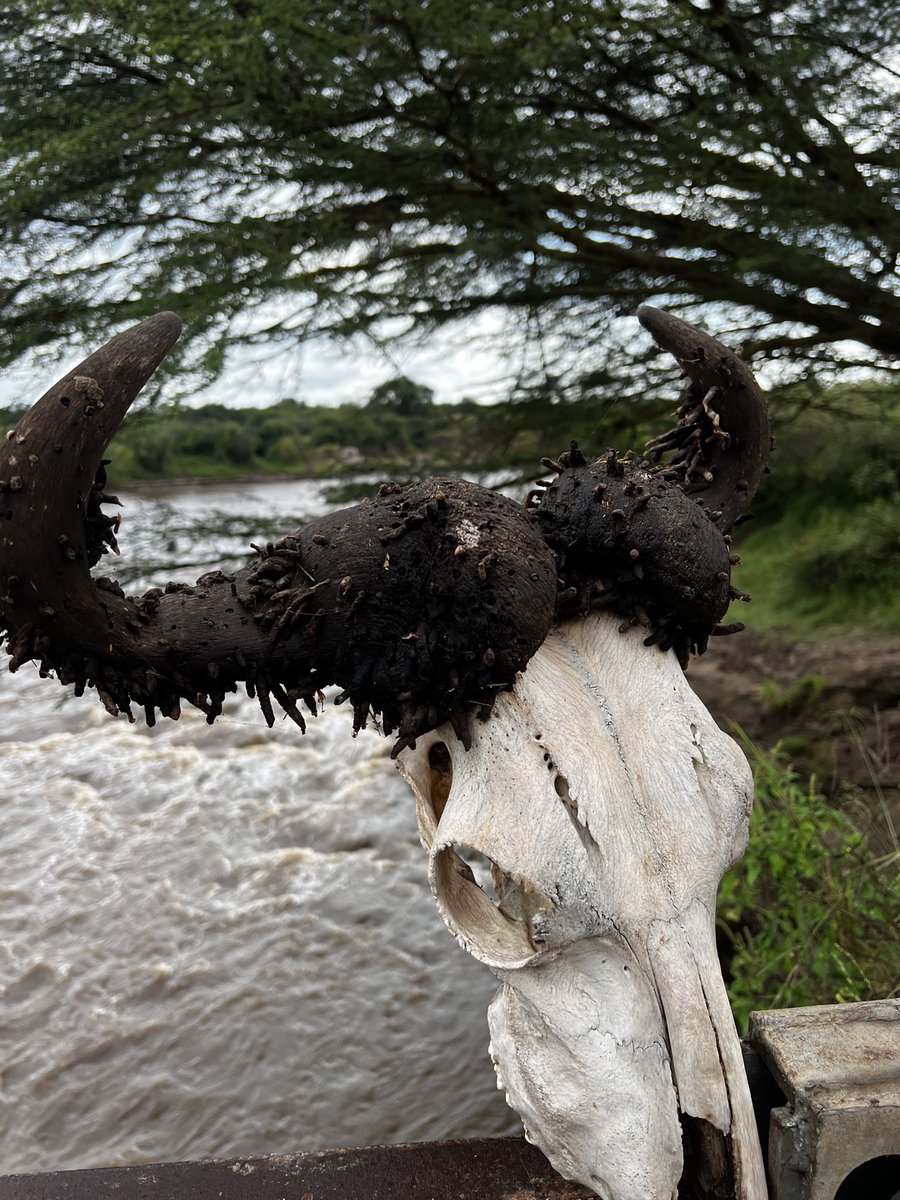
The horn-borer moth is a very interesting species that decomposes keratin. The larvae can break down and consume the horns and hooves of many ungulates, thereby returning nutrients to the ecosystem. Despite their ecological benefit, the sight can be somewhat grotesque.
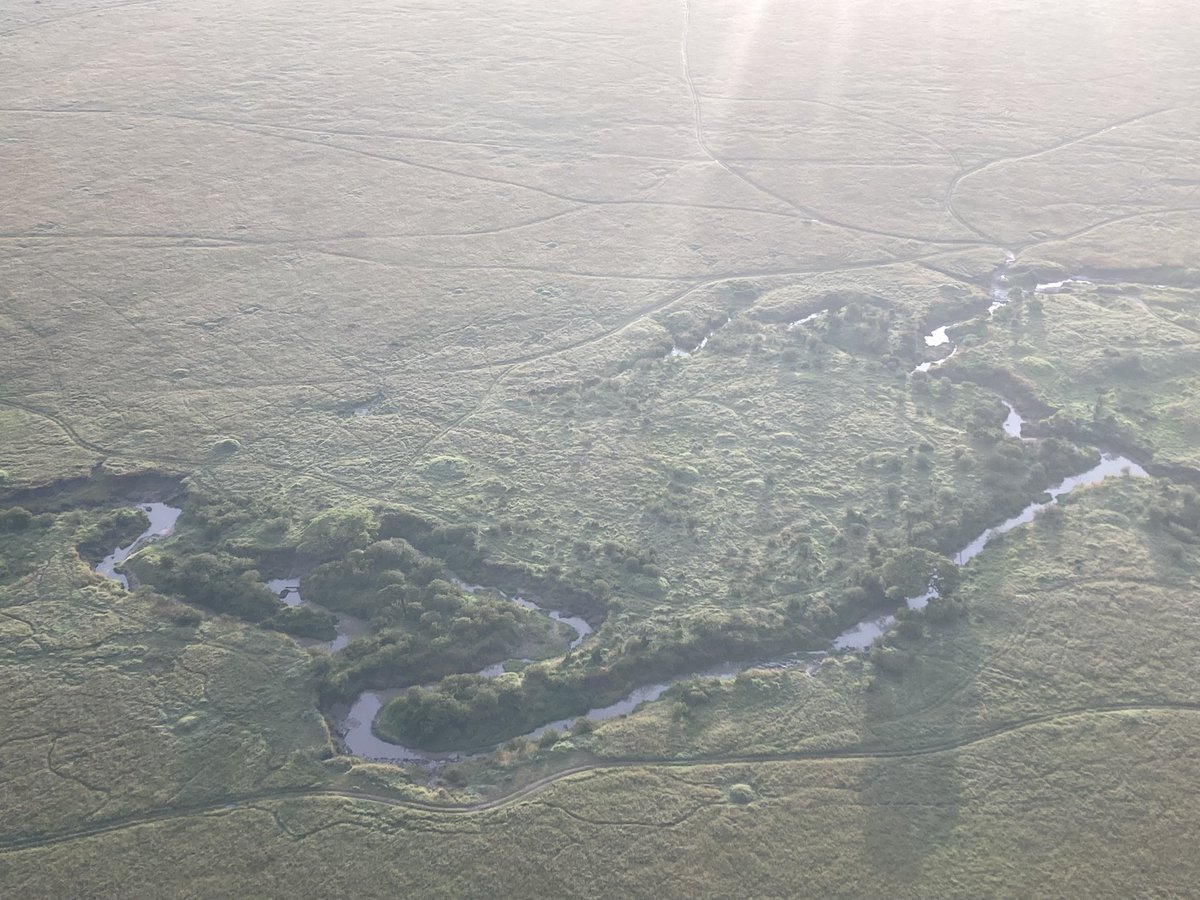
Many animals meet at luggas like this one due to the water and plant life around it. Because of this, many of my observations on mammal behavior have been done in these areas. Yet, does mammal behavior change when observing animals here versus other areas? -EM
This morning, we got a new perspective on Mara wildlife: from above! You can see all of the trails elephants make walking through the tall grass. It’s incredible to see how the local wildlife changes the savannah with every step. - DL