#FirstGen Political Scientist @uscpoir. Interests in civil war, mercenaries, undergraduate research and research transparency. PI @SPECLabUSC. She/Hers
I'm proud of this one: I examine the incentives of military officers at the onset of civil war to remain loyal, side with the rebels, or resign (thread)
Rebel, Remain, or Resign? Military Elites’ Decision-Making at the Onset of the American Civil War https://t.co/18pCU3qWhx
Looking forward to my first EPSA next week! I’ll be presenting on a great panel on the Political Economy of Conflict and discussing some fascinating papers on Coups and Defections. Looking forward to Scotland!
📣New! on First View🌟 Critical perspectives on Addressing the “Hidden Curriculum” in Political Science Publishing. @britanlar and Hannah Phillips introduce the collection that bring together a comprehensive overview of the publishing process 📒 1/6 https://t.co/d9zUi0foJ6
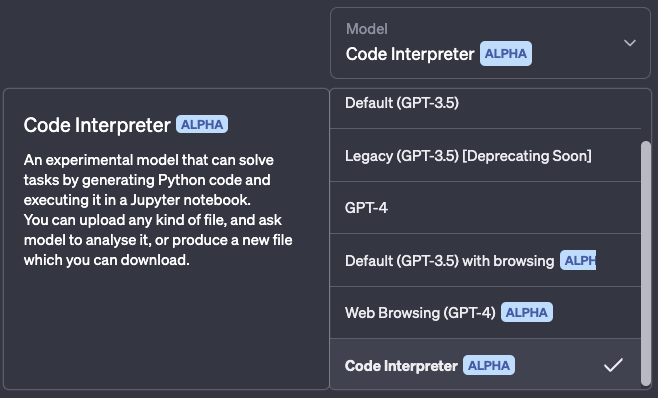
ChatGPT code interpreter is the best product to come out of @openai since GPT4.
It gives everyone a personal data analyst.
If you haven't tried it yet, let me show you exactly how it works:
Do you study civil conflict or political violence?
Please take 5-10 minutes to fill out our survey! We want to know how you would resolve some of the common ethical dilemmas faced by conflict researchers.
Your answers will help us @ESoConflict develop non-binding principles
🚨Job🚨 Come work with me, @graemedblair & @n_ichino as @EGAPTweets & @C_Dem_Canada pre or postdoc fellow. Among other things, you'll help to improve the accessibility of methods for the design and analysis of randomized trials. More info: https://t.co/ZNDNfFOVrR
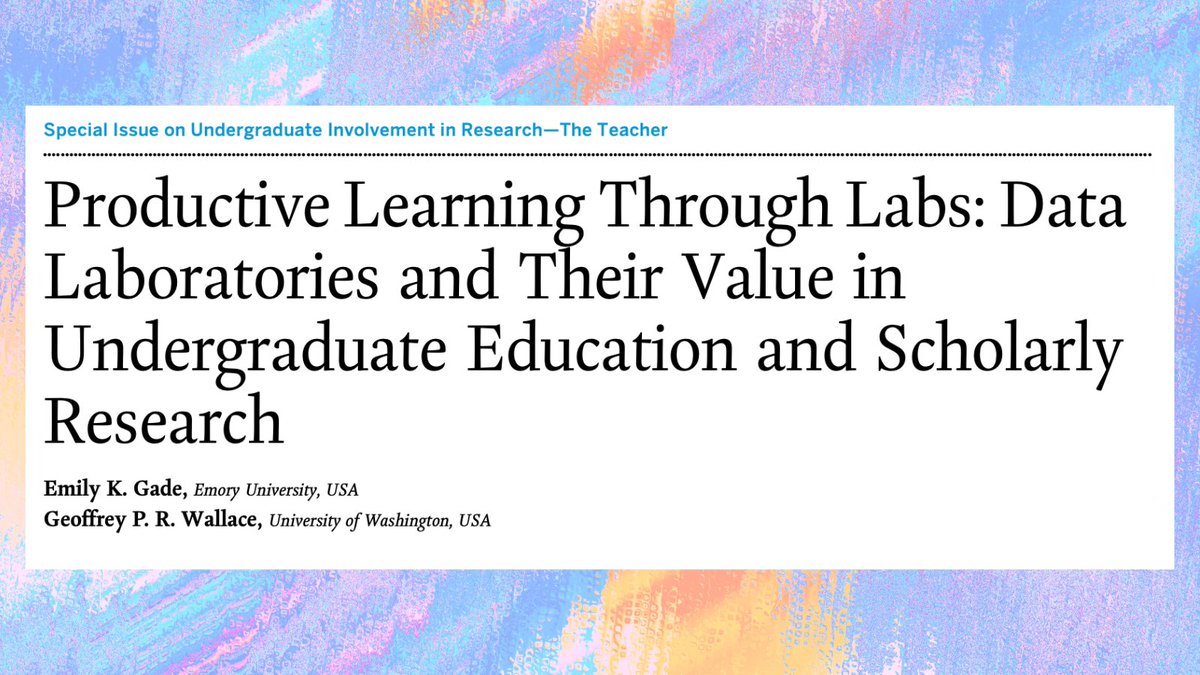
Data collection is great way to get students involved in research. It doesn’t require previous experience, lets them get a peak at a part of the process they are unlikely to see otherwise, and has tangible results. For profs, it can help get a big project off the ground.
Now on FirstView ft. Geoffrey Wallace and @ekgade
"We envision Data Labs as a “productive learning” approach in which students are taught about data collection through collaborative engagement in the production of social science knowledge."
https://t.co/21ZdUTKPHp
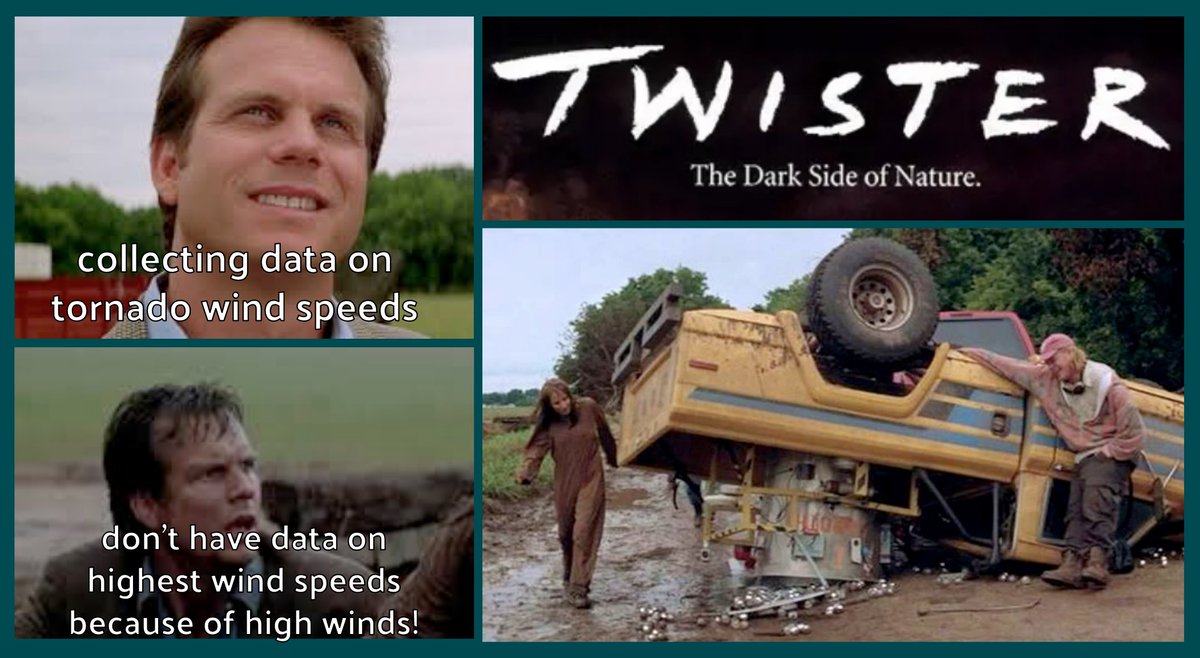
Inspired by @henananabatman's reminder of awesome this movie is, a 2 part thread revisiting my favorite MNAR (missing not at random) examples:
🧵1/2. Favorite fictional MNAR:
We're hiring a Research Support Associate @MITPoliSci to work with me, @evlieb, @maiohassan, and @lab_diversity on research on politics in Africa and the Global South.
This is a great position for those interested in a future phd. More details here: 1/
https://t.co/GJiQtm6mIU
Honored and elated to share that "Leaning on Legionnaires: Why Modern States Recruit Foreign Soldiers" has won the @ISSS_ISA best article award! @isanet @Journal_IS @DrJLHazelton@MorganLKaplan@DukeSanford - take a look at: https://t.co/UGFFZYBKSj
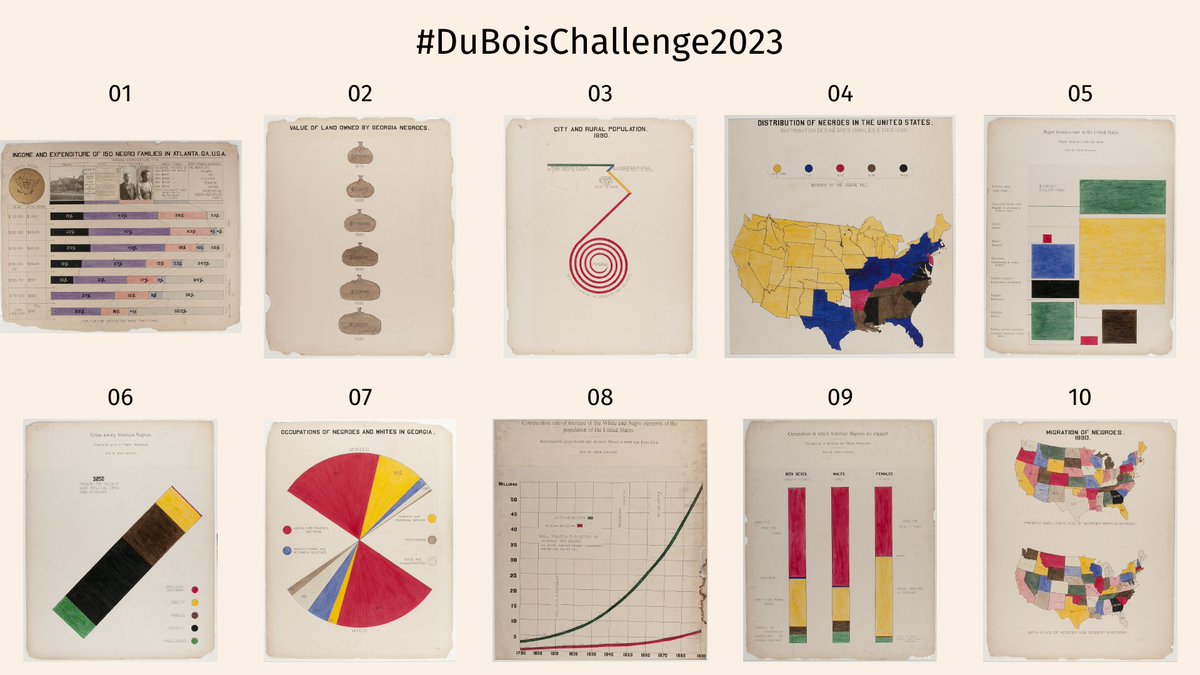
Welcome to the #DuboisChallenge2023, where we ask the community over 10 weeks to recreate the visuals of W.E.B Du Bois from the Paris Expo of 1900. In this thread, I'll describe each visual.
see: https://t.co/aqWmj9bd9j
Get ready for International Love Data Week 2023! February 13-17, join us in celebrating the power of data to bring about change #LoveData23#ICPSR https://t.co/9eXoswfVRJ
Alt: Let's go!
Academic journals have responded to the replicability crisis by promoting open science, including through awarding badges, for example for providing open access to data. How well do these badges work? That’s what we tried to find out! https://t.co/nhYmjOkiR6
🧵1/