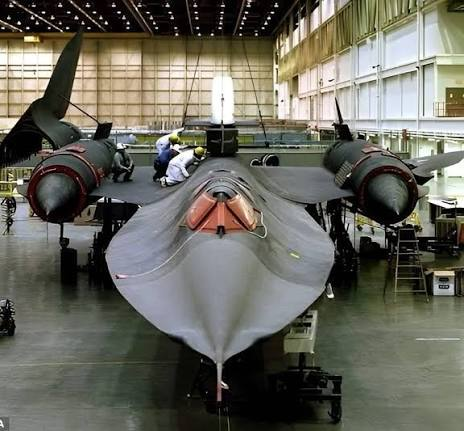
For reviving the SR-71, learning from the journey could be just as valuable as the actual flight testing.
The whole NASA reviving the SR-71 thing is largely framed in terms of advancing high-speed research, and clearly that would be the primary objective. This is very relevant again and especially in the regime the Blackbird could operate in, but the exercise in just achieving any flight testing at all has outsized value.
The reverse engineering, rapidly rebuilding supply chains, leveraging additive manufacturing and rapid prototyping, injecting new material, avionics, propulsion and other technologies where applicable, and above all else, building the digital toolkit to make it all happen as fast and efficiently as possible, are all exercises of great learning value.
I would not be surprised if a 'digital twin' is being created right now of the SR-71 using tail 844. Once the model exists, breakthroughs in digital engineering can be brought to bear to see how fast the program can be accelerated, both in terms of development and flight test.
Just in the act of doing all this, we can learn a LOT. And this is not an unprecedented concept, just look at programs like the X-55.
So, yes, the goal will be high-speed flight test, but so much can be learned in the journey to get there that it to must be quantified in a 'business case' for reviving the Blackbird.