Policy sci-fi translator. Law student. Writer navigating gig economy limbo. Lazy tweeter. Previous work published on Common Dreams, NTEN, Global Ageing Network.
The FCC Seeks to Hinder Female and Minority Broadcast Ownership for Policies Favoring Concentrated Corporate Ownership - https://t.co/mgC3eu1QIK via @commondreams
"I have been intentionally sterilized. And I have been lied to."
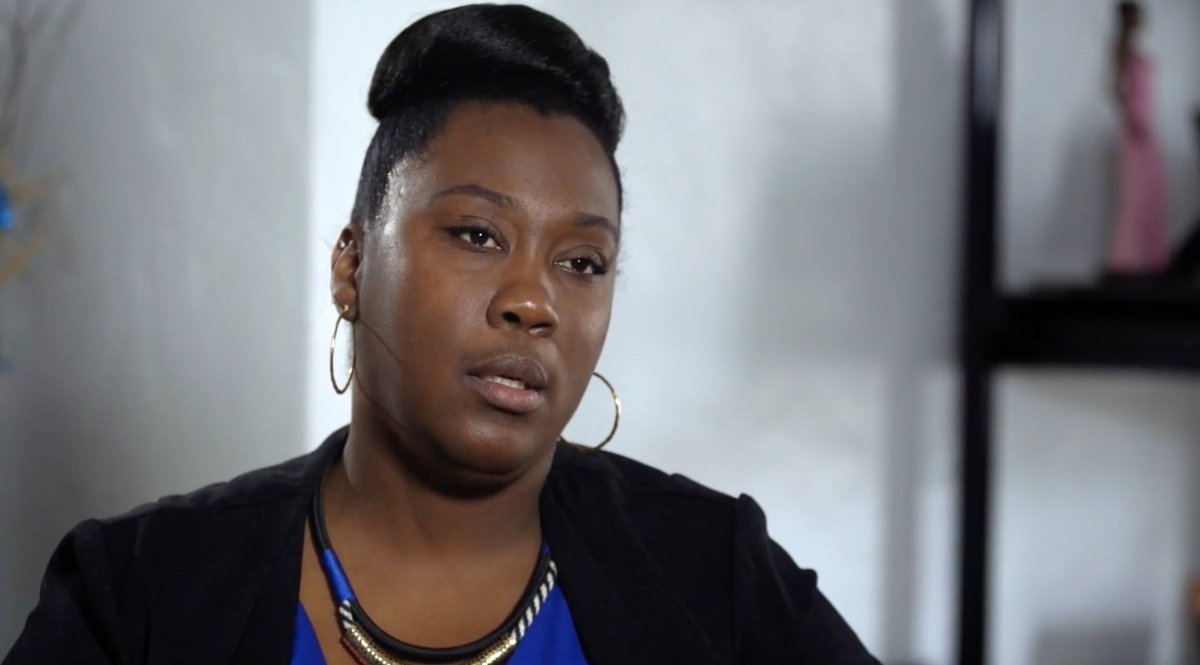
Meet Kelli Dillon. While she was incarcerated in California prison she was the victim of *systemic modern-day eugenics.* Then she discovered she wasn't alone. Doctor's response: "It's cheaper than welfare." More:
Oklahoma 58th Legislature introduced House Bill 1648 synopsis, "An Act relating to game and fish; directing the Oklahoma Wildlife Conservation Commission to establish a big foot hunting season"
Josh,
Do you remember when you came to my Yale talk on the history of affirmative action? You disrupted it, aggressively held the floor during Q&A, wouldn't let anyone else ask a ?, & refused to sit down. When I said you were rude & had no right to muzzle the audience, you left.
I'm finna tell yall why @Google fired me- their MOST successful diversity recruiter in the history of their company- with the receipts to support that statement.
5) We can be mindful of the ways that these problems especially impact black and brown folks, from musicians whose labor is exploited by overwhelmingly white radio executives, to local communities who've lost minority-owned media outlets in the march to consolidation.
Radio industry workers *are* facing real pressure, but that's largely a function of ownership consolidation & dereg within the radio industry, predatory behavior by private equity, and monopoly issues in the broader ad-tech marketplace. It's not because of music royalties.
This is a lot of money! Of the 5,545 lobbying organizations tracked by Open Secrets in 2019, the National Association of Broadcasters ranked #20 in lobbying spending! https://t.co/6jO1lz3Jy9
When you fire all the local DJs and replace them with out of town robots, this is basically what you can expect to happen. So it's understandable that artists wouldn't worry much about a medium that's unlikely to ever play their music.
Since the 1996 telecommunications act, we've seen rampant ownership consolidation in radio broadcasting, and with that, more and more cookie-cutter playlists, homogenous formats, less diversity, and less local music.