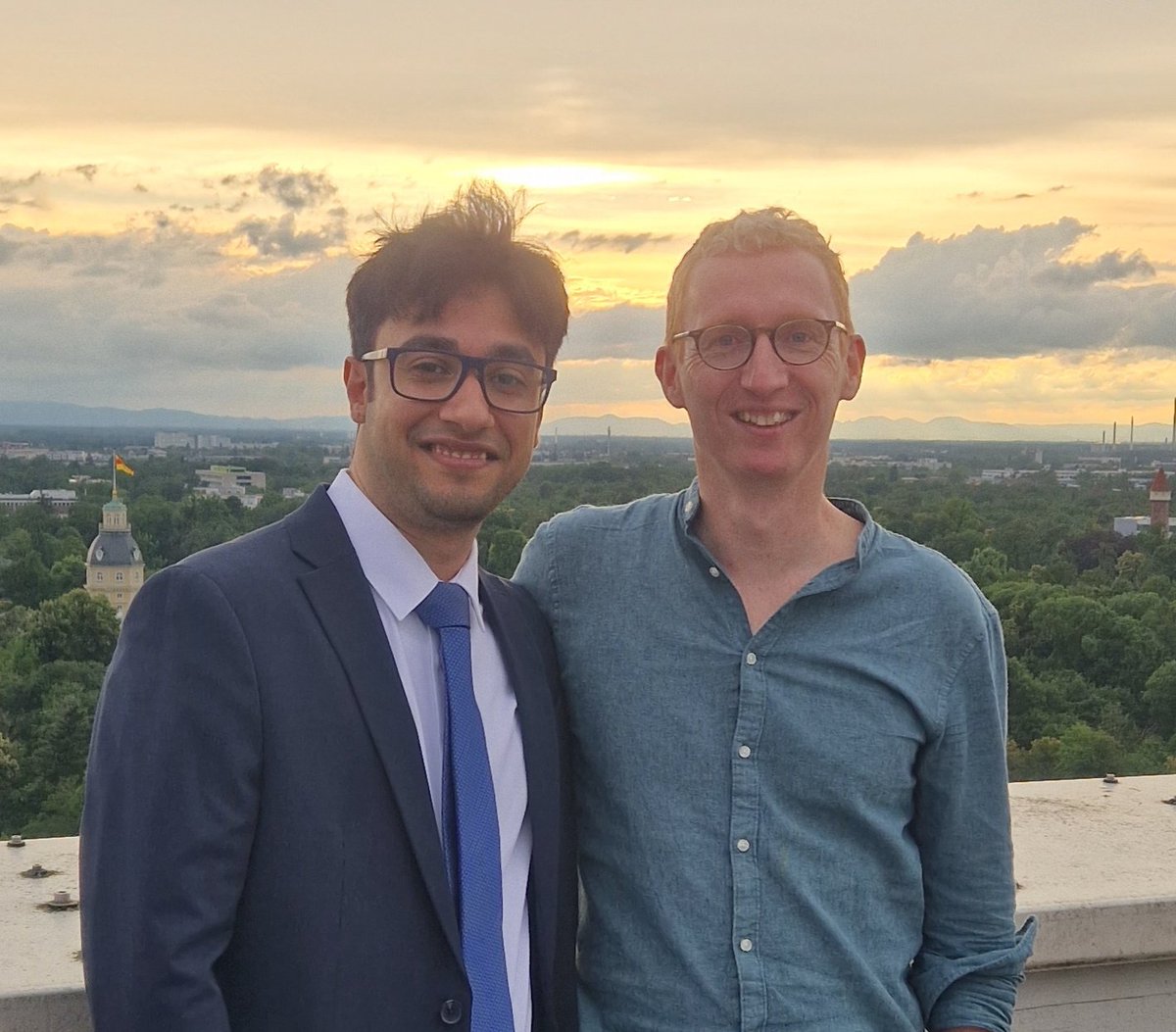
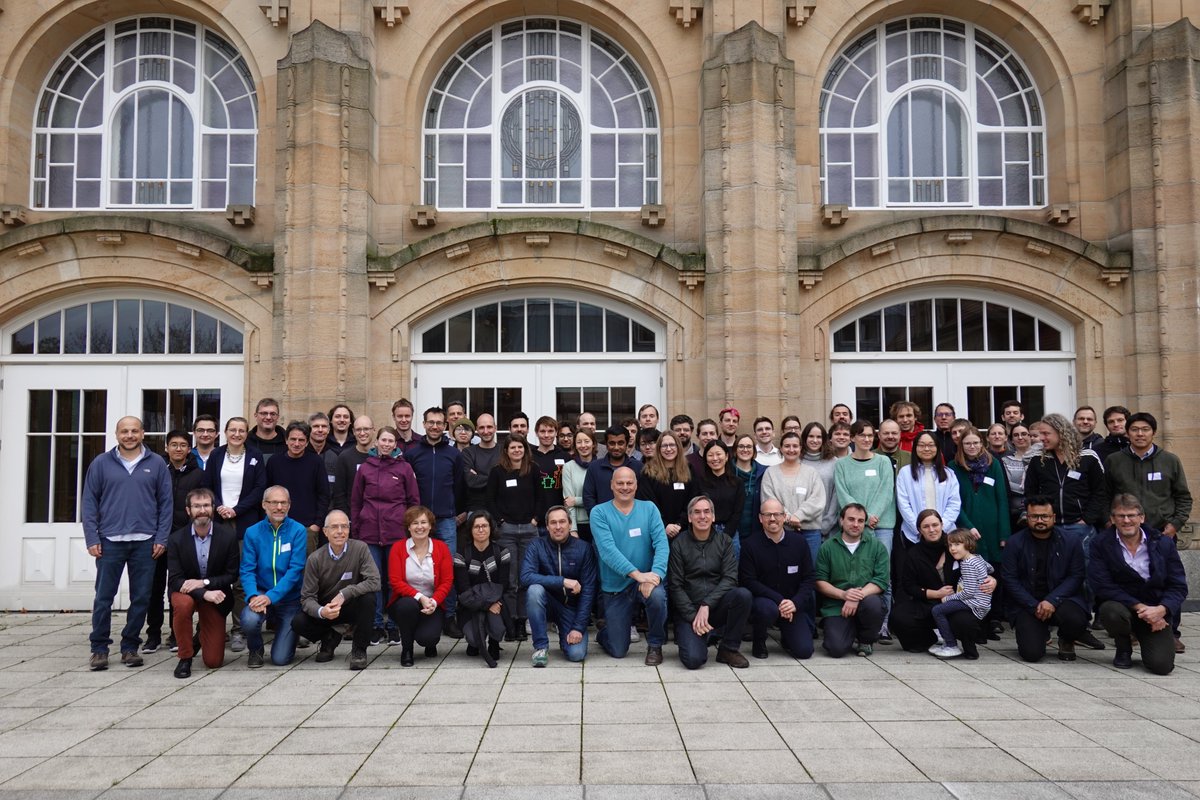
Hooray 🎉 🎓 Doctor Behrooz is here. What an incredible journey it has been. Huge thanks to my great supervisor @aikovoigt for his unwavering support through this journey. Here's to celebrating this milestone with immense gratitude and looking forward to the next chapter with joy
Our new paper with @aikovoigt, Bernhard Mayer and Corinna Hoose is published online. Here we assessed the uncertainty in cloud-radiative heating within an extratropical cyclone. A big computational work to examine the importance of 3D radiative effects, ice optics and ...
Great final meeting of W2W in Landau this week! It was a balancing act between exciting recent results, and empowering legacy of W2W, both leading to a bright future of our community, continuing to look for the limits of weather predictability!
https://t.co/zXjk54ZQBY
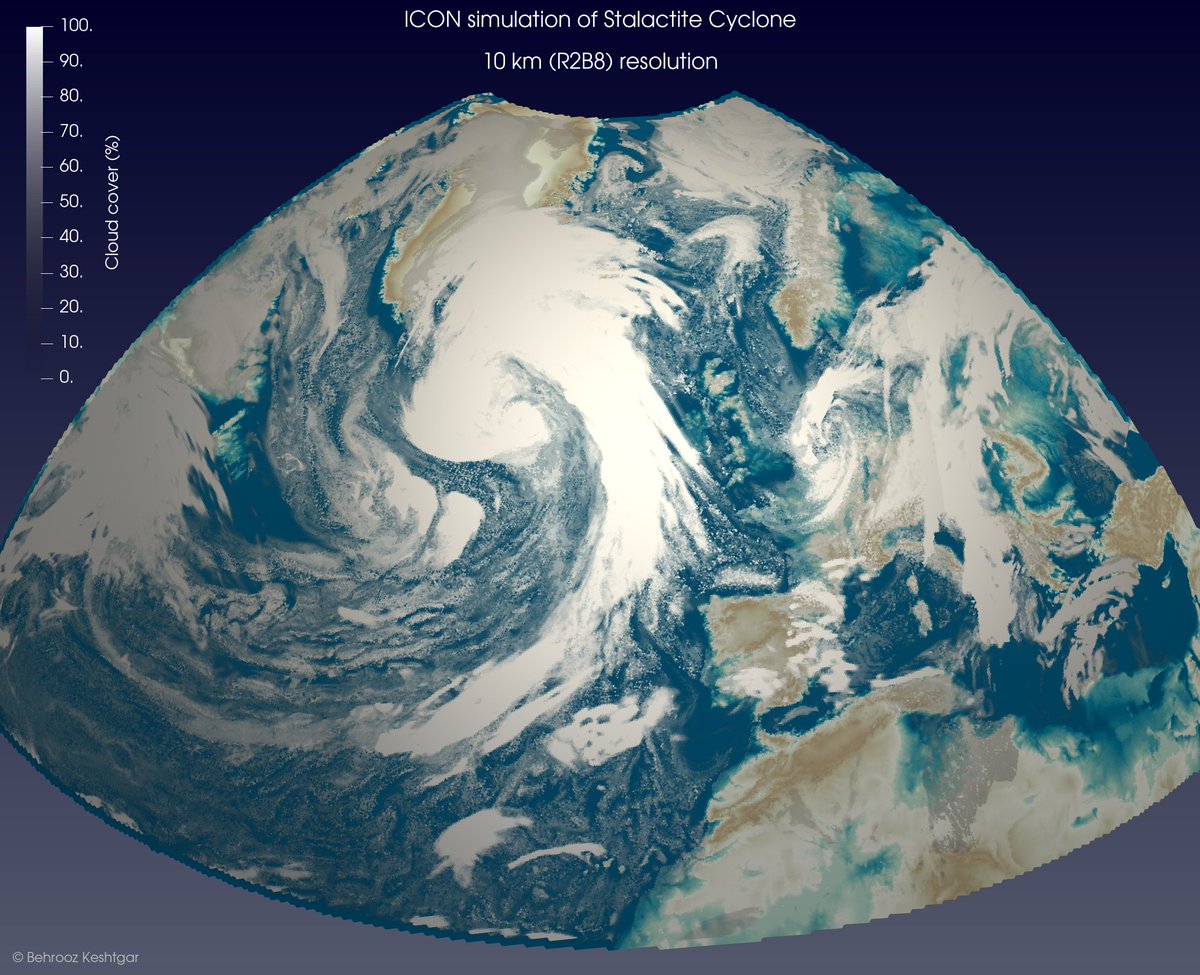
A fun part of doing high-resolution simulations is when you get some time to do some interesting visualization. I have been using #paraview from time to time and I really enjoy playing with it. This is the Stalactite cyclone, a very intense cyclone that occurred in October 2016.
New paper in GRL @theAGU on ☁️ cloud -radiative heating and extratropical 🌀 cyclones together with @BehroozKg and @klarabutz.
We show that low and high clouds have opposing impacts on cyclone intensity.
https://t.co/88063ml2e5
I just started my PhD when we started this and it was a great opportunity for me to learn a lot, both scientifically and in data analysis (basically I learned Python from this work😉) from my supervisor @aikovoigt and my research team members.
It feels great to see this work published😎. https://t.co/MSsGcTIBLy
We started this project in a non-traditional Hackathon format where our research group members gather intermittently over 2 years for data analysis and discussion.
Playing around with some AI tools and came across this mind-blowing AI art generator, NVIDIA Canvas, that turns simple brush painting to real images so quickly, and with so many details and control. I guess there is no need for me to go out and take pictures anymore🛌📷.
The best birthday gift that I could get myself finally arrived🤩. Best collection of meteorological photos gathered in 5 years from around the world and great photographers. Hopefully, someday, one of my photos can find its way to this collection✌
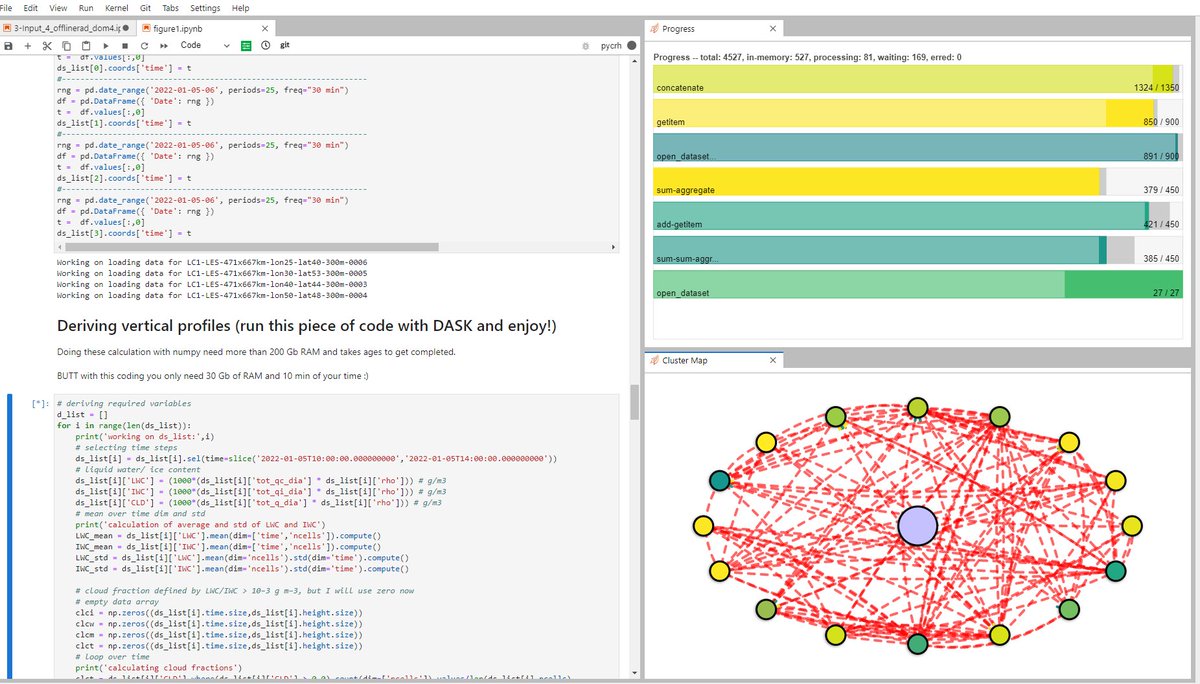
Spending Friday drinking coffee and coding using #Dask. I love it, the more I use it the more I like it. Dealing with big amounts of data from LES simulations needs better coding. From hours of waiting and running out of memory with old habit coding to 10 minutes of enjoyment😌
The annual meeting of #EarlyCareerScientist in #Speyer was a wonderful experience! Thank you, @Maria__Madsen and Lisa-Ann Kautz @KITKarlsruhe for your keynote talks! Thank you, @OriolTNT for your data management workshop and #EscapeGame using @irods!
More: https://t.co/Dmria5MzoR
Our first B4 @WavesToWeather and my Ph.D. paper is out for review :). Through this work, we show how the interaction between clouds and radiation affects an idealized extratropical cyclone dynamics and its predictability.
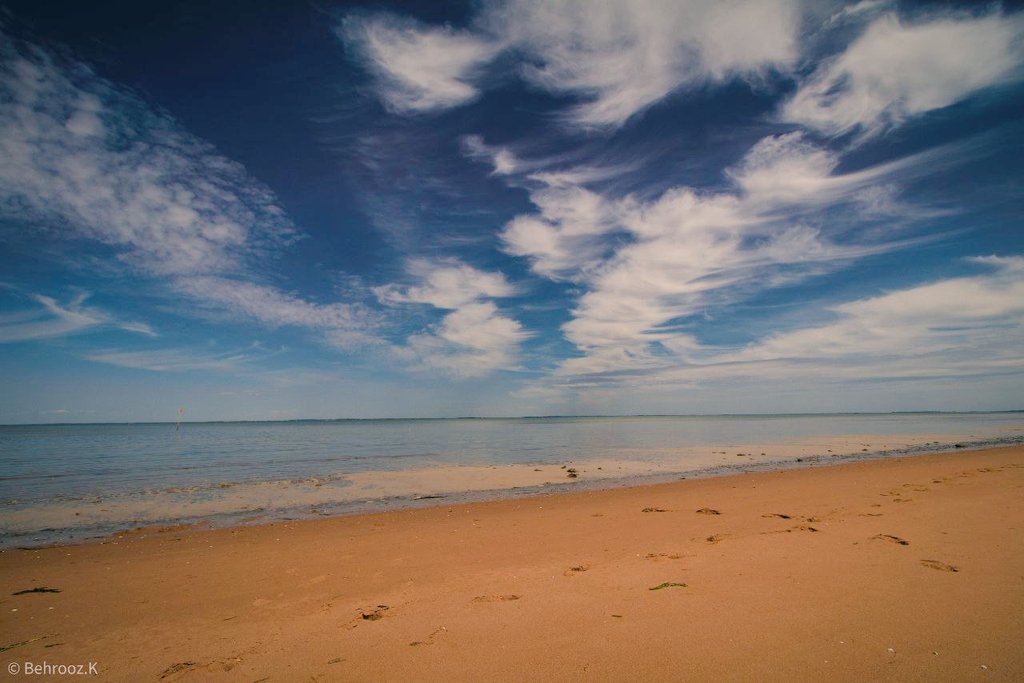
Clouds, atmosphere and radiation.🙌 Capturing them📸 and presenting my research about them in the #stormtrack22 workshop in Oleron Island, France. Such a perfect combination.
#EGU22, are you interested to know how the interaction between clouds and radiation affects the dynamics of an extratropical cyclone? Check out my talk on Tue at session AS1.11 at 15:38
https://t.co/BfLoRr23vV
Also, the talk by @aikovoigt
https://t.co/7cJqTs16e9 at 16:8
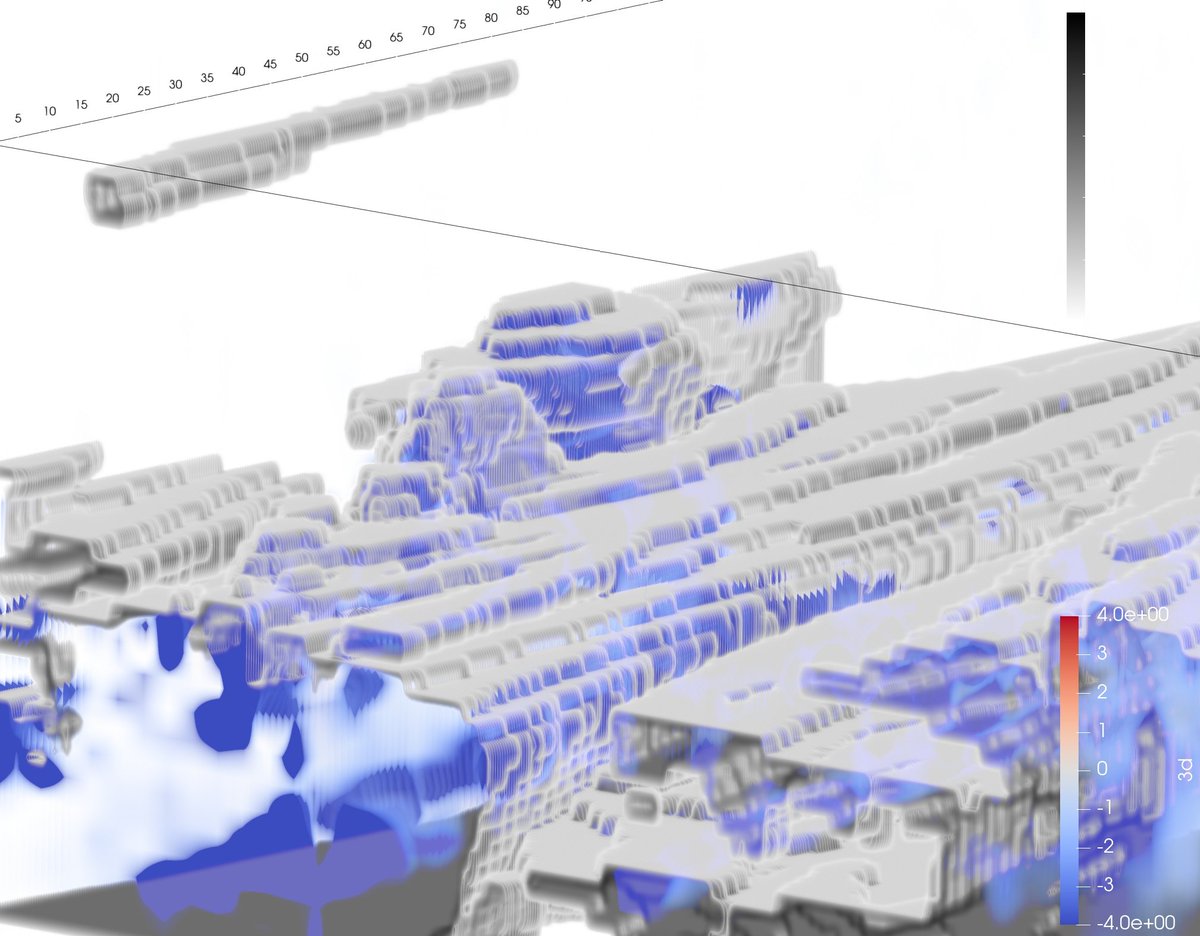
Huh, these photons from cloud side trying to escape from me 😅. Blue shadings show the cloud radiative cooling from the sides. In fact, they come from the difference between 3D and 1D radiation schemes. I will expose your role in forecast error💪. At least, that's the hope!
@ClareESinger Thanks, I came across your paper weeks ago. Interesting work also a question: mentioned in the method that you used the atmospheric background from the LES in libradtran, 1D atmosphere or 3D?