🚀 Want to Get Your Press Release Featured on Major Canadian News Platforms? 🇨🇦
Looking to boost your brand visibility, build credibility, and get your business in front of a wider audience?
I’m offering Canada Authority Newswires Press Release Distribution, with placements across major Canadian media platforms, including:
📰 Financial Post
📰 National Post
📰 Toronto Sun
📰 The Globe and Mail
🌐 50+ additional Canadian newswire websites
✅ Expand your brand’s online visibility
✅ Share your company news with a wider audience
✅ Strengthen your digital PR strategy
✅ Get your press release in front of Canadian media readers
📢 Planning to announce a new product, business milestone, company update, or major achievement? This distribution package could be a great fit for your next PR campaign.
📩 DM me for pricing, package details, and submission requirements.
⚠️ All press releases are subject to editorial review and approval. Publication is not guaranteed, and content must comply with the distribution guidelines.
#PressRelease #DigitalPR #MediaDistribution #LinkBuilding #SEO #PublicRelations #Canada
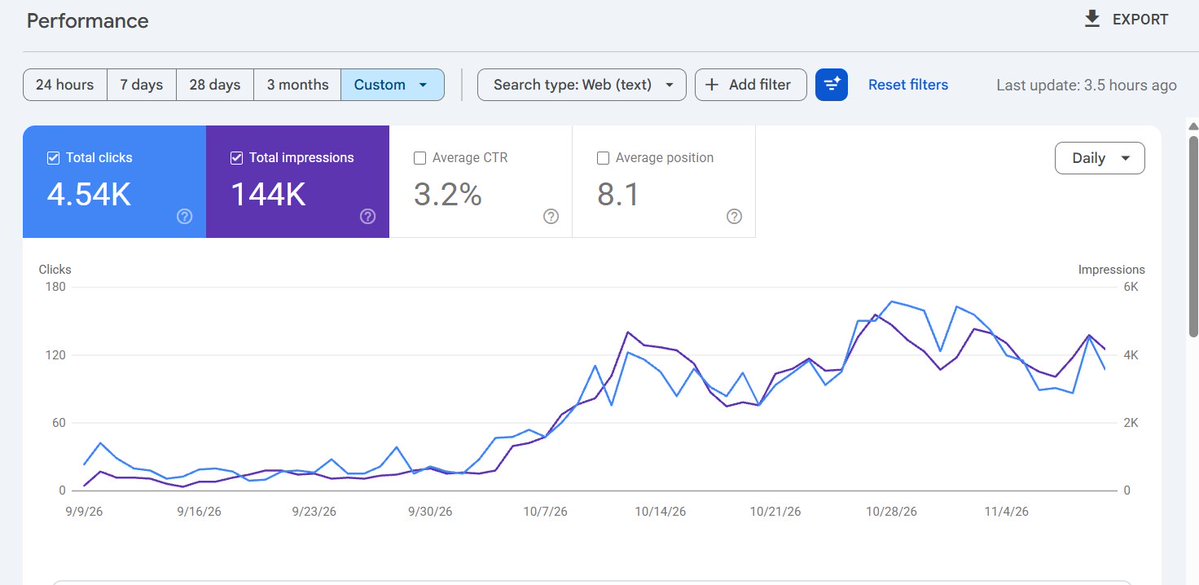
144K Impressions. 4.54K Clicks. One Strategic Content Framework. 🚀
How we approached SEO growth for a hotel business using TOFU, MOFU & BOFU content strategies.
It's about understanding what your potential customers are searching for and creating content that matches their intent at every stage of the buying journey.
Here's what we achieved for one of our hotel industry clients using a strategic content approach.
📊 The Google Search Console Results:
✅ 144K Total Impressions
✅ 4.54K Organic Clicks
✅ 3.2% Average CTR
✅ 8.1 Average Position
So, what's behind this growth?
We focused on a strategic content framework built around three important stages of the marketing funnel:
🔵 TOFU (Top of the Funnel). Awareness
We created informational content to attract travellers who were researching destinations, travel experiences, attractions, and things to do.
🟣 MOFU (Middle of the Funnel). Consideration
We targeted users comparing hotels, exploring accommodation options, checking amenities, and looking for the best places to stay.
🟢 BOFU (Bottom of the Funnel). Conversion
We focused on high-intent keywords and booking-related content to attract travellers who were ready to choose their hotel and make a reservation.
The real SEO strategy?
👉 Attract users with helpful content.
👉 Build trust with relevant information.
👉 Capture booking intent with conversion-focused pages.
We didn't just focus on bringing more traffic. We focused on attracting the right audience at the right stage of their journey.
Because in the hotel industry, visibility is only the beginning. Turning search demand into bookings is the bigger goal.
My takeaway: Great SEO is not about ranking one keyword. It's about building a content ecosystem that supports the entire customer journey.
💬 What does your SEO content strategy look like? Are you targeting all three funnel stages or focusing only on BOFU keywords?
#SEO #HotelSEO #ContentMarketing #ContentStrategy #OrganicGrowth #TOFU #MOFU #BOFU #DigitalMarketing #HospitalityMarketing
🚀 From Almost Zero Google Search Traffic to 36.7K Clicks. 3.27 MILLION Impressions!
What happens when you combine SEO, strategic content planning, and a customer-focused approach for a business in the hotel and restaurant industry? 👇
📊 Here’s a look at the Google Search Console results from the last 6 months.
✅ 36.7K total clicks
✅ 3.27M total impressions
✅ 1.1% average CTR
✅ 6.6 average search position
But here's what makes this interesting.
It's not just about ranking keywords.
It's about understanding what potential guests are searching for, creating content that matches their intent, and guiding them from discovery to booking. 🏨
💡 Here's how we approach content strategy using TOFU, MOFU, and BOFU.
🔹 TOFU. Top of the Funnel: Get Discovered
At this stage, potential guests are exploring destinations, food options, experiences, and places to stay.
Our focus:
• Informational blog content
• Destination and local attraction guides
• Travel tips and food-related topics
• Search-optimized content that answers real questions
🎯 Goal: Introduce the brand to people who haven't discovered it yet.
🔹 MOFU. Middle of the Funnel: Build Trust
Now, potential customers are comparing their options.
Our focus:
• Hotel and restaurant comparison content
• Guides highlighting amenities, dining experiences, and unique features
• Helpful FAQs
• Content that addresses customer concerns and expectations
🎯 Goal: Build trust and help potential guests make informed decisions.
🔹 BOFU. Bottom of the Funnel: Turn Intent Into Bookings
This is where search intent becomes especially valuable.
Our focus:
• Optimized room, menu, and service pages
• Location-specific landing pages
• Booking-focused content
• Strong calls to action
• Clear information about pricing, amenities, and experiences
🎯 Goal: Turn qualified organic traffic into direct bookings, reservations, and enquiries.
🤖 And where does AI SEO fit in?
Search is evolving.
People are discovering hotels and restaurants through traditional Google results, AI Overviews, and conversational AI tools.
That's why our strategy goes beyond inserting keywords into content.
We focus on:
✅ Helpful, experience-driven content
✅ Clear answers to customer questions
✅ Strong topical relevance
✅ Consistent business information
✅ Technical SEO and crawlability
✅ Content structured around real search intent
The objective is simple: Make the business easier to discover, easier to trust, and easier to choose.
📈 These results demonstrate the visibility generated over six months. The next step is to connect that visibility with qualified traffic, enquiries, and actual bookings.
Because rankings are great.
But organic traffic that contributes to business growth is what really matters. 🔥
💬 Hotel owners, restaurant owners, and hospitality marketers.
Are you still publishing blogs just to target keywords, or are you building a content strategy that guides customers from discovery to booking?
Let's talk! 👇
#SEO #AISEO #ContentStrategy #HotelSEO #RestaurantSEO #LocalSEO #GenerativeEngineOptimization #DigitalMarketing
📊 Website Traffic Is Great. But What About Conversions?
Another interesting insight from Google Analytics 4! 🚀
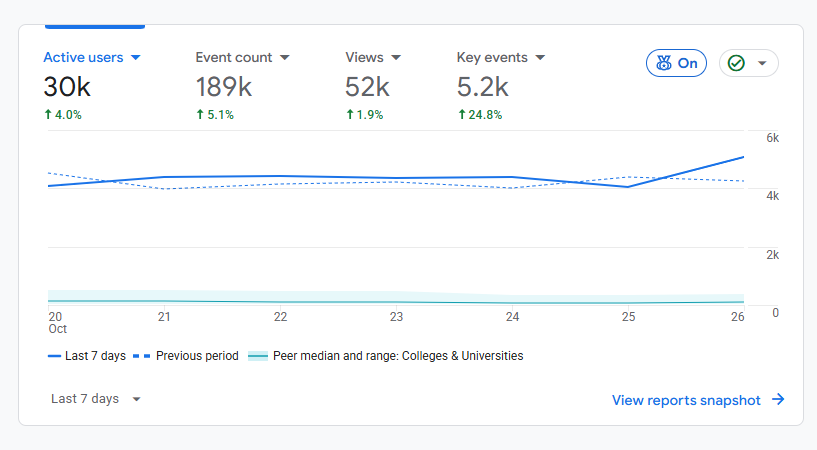
Looking at the last 7 days of website performance, the numbers are moving in the right direction.
Here’s what the data shows 👇
📈 Active Users: 30K
⬆️ Up 4.0%
⚡ Event Count: 189K
⬆️ Up 5.1%
👀 Views: 52K
⬆️ Up 1.9%
🎯 Key Events: 5.2K
⬆️ Up 24.8%
But one number really caught my attention. 👀
Key events increased by 24.8%, while active users increased by just 4%.
That's worth investigating!
Why? Because website performance isn't just about attracting more visitors. It's also about understanding what those visitors do after they arrive.
Are they submitting forms?
Are they completing purchases?
Are they booking appointments?
Are they taking other meaningful actions?
These are the questions that matter when connecting SEO performance with business outcomes.
💡 Here's my approach to analyzing website growth:
✅ Track organic traffic, not just total traffic.
✅ Identify which landing pages attract the right audience.
✅ Analyze user behavior and engagement.
✅ Monitor conversions and key events in GA4.
✅ Connect SEO metrics with actual business goals.
One important point: an increase in key events doesn't automatically mean more revenue or qualified leads. You need to verify which events increased and whether tracking remained consistent.
That's why I believe SEO reporting should go beyond rankings, traffic, and impressions.
The real goal is to understand how organic visibility contributes to business growth.
📊 Data tells us what happened. The right analysis helps us understand why it happened and what to do next.
A question for SEO professionals: 👇
When reporting SEO results to clients, what matters most to you?
1️⃣ Organic traffic growth
2️⃣ Keyword ranking improvements
3️⃣ Leads and conversions
4️⃣ Organic revenue
Share your thoughts in the comments! 💬
#SEO #GoogleAnalytics4 #DigitalMarketing #OrganicGrowth #SEOAnalytics #DataDrivenMarketing
That’s a really interesting point! I think this is where Local SEO is heading. Ranking on Google is important, but understanding how AI assistants discover and recommend local businesses is becoming equally important. It’s not just about getting visibility anymore. It’s about making sure businesses are visible where customers are searching. 🚀
🚨 Google Business Profile Is Getting a HUGE Update! Is This the Future of Local SEO? 🔥
Imagine managing your Google Business Profile, Google Ads, YouTube, and Merchant Center from ONE dashboard.
Sounds exciting, right? 👀
Google is developing Google Business Home, a centralized dashboard designed to bring multiple Google business tools together. And as someone working in Local SEO, I believe this is an update worth watching!
Here's why. 👇
💡 What Could Google Business Home Bring to Local Businesses?
✅ One Centralized Dashboard
Manage multiple Google platforms without constantly switching between different tools.
⭐ Smarter Review Management
Respond to customer reviews and use AI to identify what customers appreciate most about your business.
📊 Better Performance Insights
Monitor business performance and discover opportunities to improve your online visibility.
📍 Simplified Multi-Location Management
Make managing multiple business locations more convenient.
🤖 AI-Powered Recommendations
Get tailored suggestions to help your business grow using insights from your own business data.
But here's the feature that really caught my attention. 👇
Imagine asking Gemini:
"What do customers consistently praise about our business, and how can we highlight those strengths on our website?"
Instead of manually reviewing hundreds of customer reviews, AI could help identify recurring themes and turn them into actionable content ideas.
🔥 Now imagine AI detecting a surge in AC repair searches during a heatwave and helping an HVAC company identify an opportunity to promote a timely offer.
That's where local marketing could become more proactive and data-driven!
🎯 What Does This Mean for Local SEO Professionals?
The opportunity goes beyond rankings.
We need to focus on:
🔹 Understanding customer intent.
🔹 Turning reviews into conversion-focused content.
🔹 Using data to identify new opportunities.
🔹 Connecting local visibility with leads and revenue.
🔹 Using AI to make smarter marketing decisions.
📢 One important note: Google Business Home is reportedly in closed beta for selected business categories in the US and UK. Its availability and final features may evolve.
I'm excited to see how this develops!
👇 What's your take?
Which feature would be most valuable for your business?
A) AI-powered review insights
B) One dashboard for all Google tools
C) Automated marketing recommendations
D) Advanced performance insights
Share your thoughts in the comments! 👇
Source: https://t.co/hByls9ViwI
@Google@googlesearchc@sejournal@sengineland
#LocalSEO #GoogleBusinessProfile #GoogleBusinessHome #ArtificialIntelligence #DigitalMarketing #SEONews
🍽️ How We Helped a Restaurant Generate 158K Profile Views Through Local SEO & Content Strategy! 📈
Most restaurants focus on getting more reviews, uploading food photos, and keeping their Google Business Profile updated.
But what if I told you that getting more customers starts long before they walk through your restaurant's door? 👀
It starts when they search for a place to eat.
Here are the results from our restaurant's Google Business Profile for June to October 2026. 👇
📊 The Results:
✅ 158K profile views, up 47.8% 📈
✅ 24,293 customer interactions, up 2.7%
✅ 65,935 searches showed the restaurant's profile in search results, up 37.5%
✅ 2,282 bookings, up 45.1%
✅ 11,651 menu interactions, up 9.2%
✅ 872 Google reviews with a 4.6-star rating ⭐
These numbers tell an important story.
People are discovering the restaurant, exploring its menu, checking its reputation, and taking action.
But this kind of growth isn't just about rankings.
It's about building a content strategy around the customer's journey. 🎯
Here's how we approach it using the TOFU, MOFU, and BOFU framework.
🔵 1. TOFU: Top of the Funnel. Build Awareness
At this stage, potential customers are exploring their options.
They might search for:
🍕 Best restaurants near me
🍽️ Best places for dinner
🥗 Popular food spots in the area
Our focus is on creating helpful, relevant content that increases visibility and introduces the restaurant to potential customers.
The goal? Get discovered when people are looking for their next dining experience.
🟡 2. MOFU: Middle of the Funnel. Build Trust
Now, customers are comparing restaurants.
They want to know:
⭐ What do other customers say?
📸 What does the food look like?
📋 What's on the menu?
💰 Is the restaurant worth visiting?
This is where high-quality food photography, menu optimization, customer reviews, Google Business Profile updates, and useful website content make a difference.
The goal? Give customers compelling reasons to choose this restaurant over its competitors.
🟢 3. BOFU: Bottom of the Funnel. Drive Action
This is where interest turns into action.
Customers are ready to:
📍 Get directions
📞 Call the restaurant
📅 Make a booking
🌐 Visit the website
We focus on optimizing the Google Business Profile, making essential information easy to find, and creating clear paths for customers to take the next step.
The goal? Turn search visibility into meaningful customer interactions and bookings.
🔥 The Biggest Lesson?
SEO isn't just about ranking higher on Google.
It's about understanding what customers need at every stage of their journey and creating content that helps them move from discovery to decision.
For restaurants, the right combination of Local SEO, Google Business Profile optimization, and funnel-based content strategy can create a stronger foundation for sustainable growth.
💬 Restaurant owners and marketers, which stage do you think most businesses overlook: TOFU, MOFU, or BOFU?
Let's discuss in the comments! 👇
#LocalSEO #RestaurantMarketing #GoogleBusinessProfile #ContentMarketing #SEO #DigitalMarketing #RestaurantSEO
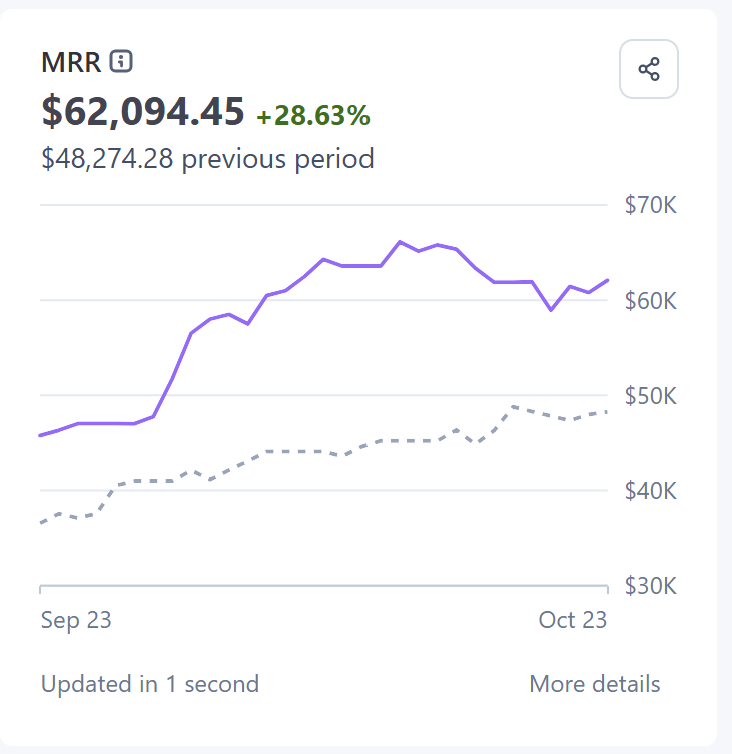
🚀 From Organic SEO to Revenue Growth: How We Helped a Hotel Business Grow Its Monthly Recurring Revenue by 28.63%
SEO isn't just about rankings, traffic, or getting more clicks.
Real SEO success happens when organic visibility contributes to business growth and revenue. 📈
Recently, we worked on the SEO strategy for a hotel business, focusing on building a stronger organic presence and attracting potential guests through a structured content strategy.
And the numbers tell an interesting story. 👇
📊 Here’s what the results look like:
✅ Current MRR: $62,094.45
✅ Previous period: $48,274.28
✅ Growth: +28.63%
That's an increase of approximately $13,820 in monthly recurring revenue compared with the previous period.
But what was behind this growth?
It wasn't about publishing random blog posts or targeting keywords just because they had high search volume.
We focused on a content strategy aligned with the customer journey using the TOFU, MOFU, and BOFU framework. 🎯
Here's how we approached it.
🔹 1. TOFU: Top of the Funnel. Build Awareness
At this stage, potential guests are exploring destinations, planning trips, and looking for information before choosing a hotel.
Our focus was on creating helpful, relevant content that answered their questions and introduced the hotel to people searching online.
The goal?
📍 Reach potential guests earlier in their decision-making journey.
📍 Target relevant informational search intent.
📍 Build organic visibility and attract qualified visitors.
🔹 2. MOFU: Middle of the Funnel. Build Trust
Getting visitors to a website is only the beginning.
Potential guests need reasons to trust a hotel before making a booking.
This is where we focused on content that helped users compare their options, understand the hotel's offerings, and make more informed decisions.
The objective was to connect informational searches with content that moved potential guests closer to booking.
💡 More relevant content. Better user journeys. Stronger consideration.
🔹 3. BOFU: Bottom of the Funnel. Drive Conversions
This is where the strategy becomes closely connected to business outcomes.
We focused on reaching users with stronger booking intent through relevant hotel pages, service-related content, and landing pages designed to support conversion.
The goal was to make it easier for potential guests to find the information they needed and take the next step.
Because ranking for the right keywords matters more than simply ranking for more keywords.
🔥 The biggest lesson?
TOFU attracts attention.
MOFU builds trust.
BOFU turns intent into action.
When these three stages work together, content becomes more than a traffic-generation tool. It becomes part of a measurable business growth strategy.
Of course, revenue growth depends on several factors, including seasonality, pricing, conversion rates, and demand. SEO works best when measured alongside these business metrics.
For hotel businesses, the opportunity is huge when organic search, content strategy, and conversion optimization work together.
My takeaway: Don't build content just to fill your blog. Build content to guide potential customers from discovery to decision.
👇 Question for hotel owners and SEO professionals:
Are you still measuring SEO success mainly through rankings and organic traffic, or are you connecting your content strategy to actual revenue?
#HotelSEO #SEOResults #ContentStrategy #OrganicGrowth #TechnicalSEO #DigitalMarketing
📉 A Google update hit our hotel client's website. We focused on rebuilding its organic search performance.
When a Google update affects a website, the first reaction is often to publish more content or build more backlinks.
But that's not always the answer.
For our hotel niche client, we took a more structured approach. We focused on identifying technical SEO issues, improving the website's foundation, and developing a content strategy aligned with the traveler's customer journey.
Here's what we worked on. 👇
🔧 1. Technical SEO: Fixing the Foundation
Before scaling content, we reviewed the website's technical health.
Our focus included:
✅ Analyzing crawling and indexing issues.
✅ Reviewing website structure and internal linking.
✅ Identifying affected pages and organic search trends.
✅ Improving how important pages connect with relevant search intent.
The objective was to help search engines better understand the website while making important pages easier for potential guests to discover.
📝 2. Content Strategy: TOFU, MOFU & BOFU
We structured our content around three stages of the customer journey.
🔹 TOFU (Top of Funnel): Informational content targeting travelers researching destinations, travel tips, local attractions, and places to stay.
🔹 MOFU (Middle of Funnel): Comparison-focused content helping travelers evaluate hotel locations, amenities, accommodation options, and experiences.
🔹 BOFU (Bottom of Funnel): High-intent content targeting people actively looking for hotels, specific amenities, and accommodation options before making a booking.
This approach helps attract potential guests at different stages instead of targeting only visitors who are ready to book immediately.
📊 3. What Does Google Search Console Show?
Our screenshot highlights these key metrics:
✅ 21.7K total clicks
✅ 1.47M total impressions
✅ 1.5% average CTR
✅ 7.4 average search position
The data shows substantial search visibility beginning in June 2026, followed by continued organic activity in the months shown.
🎯 The biggest lesson?
SEO recovery requires more than chasing rankings.
It requires technical analysis, useful content, search-intent alignment, and continuous performance monitoring.
For hotel businesses, the ultimate goal isn't just more traffic. It's attracting the right travelers and creating more opportunities to generate direct bookings.
💬 Have you ever recovered a website after a Google update? What made the biggest difference?
#HotelSEO #TechnicalSEO #ContentStrategy #SEO #OrganicTraffic
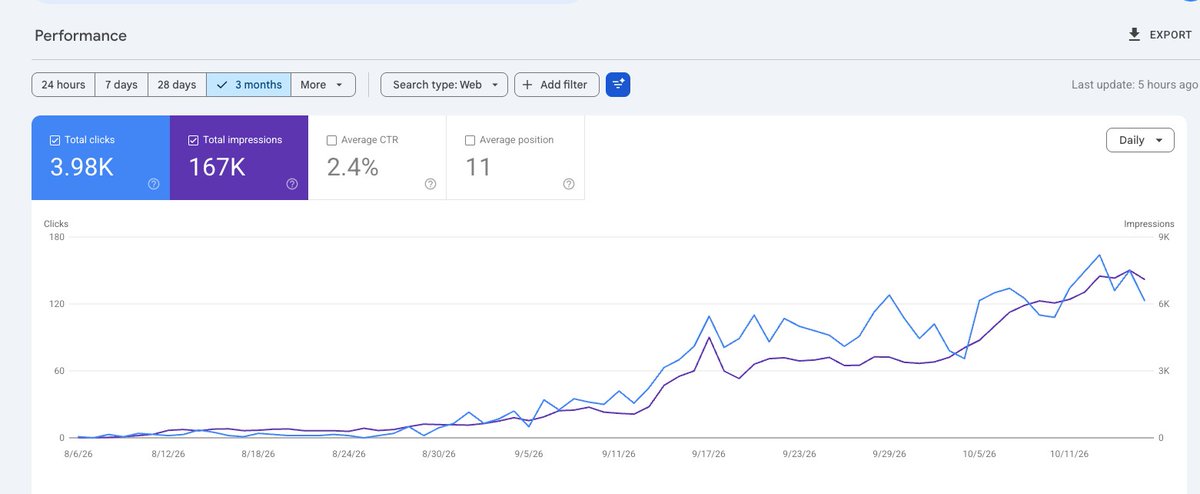
⛳ 3 months of SEO growth for an e-commerce golf products business. And this is what a proper content strategy can do.
SEO isn't just about ranking keywords. It's about getting your products in front of the right people when they're searching, comparing options, and getting ready to buy.
For this e-commerce golf brand, we focused on building organic visibility through SEO and a structured content strategy using the TOFU, MOFU, and BOFU framework.
Here's what the results look like after 3 months:
📈 167K impressions
👆 3.98K organic clicks
🎯 2.4% average CTR
🔍 11 average search position
But what actually went into this growth?
We didn't just publish random blog posts and hope Google would rank them. We worked on creating content that matched different stages of the customer's buying journey.
🔹 TOFU (Top of Funnel): Getting discovered
At this stage, potential customers are looking for information, answers, and solutions.
We focused on informational content around golf products, equipment, product selection, and common questions golfers ask before making a purchase.
The goal? Get the brand in front of people who might not know it exists yet.
🔹 MOFU (Middle of Funnel): Building trust
Once people start exploring their options, they need more than basic information.
We focused on comparison-based content, detailed product guides, and articles that help golfers understand which products suit their needs.
This helps build trust and gives potential customers a reason to consider the brand.
🔹 BOFU (Bottom of Funnel): Supporting conversions
This is where buying decisions happen.
We aligned our SEO efforts with product and category pages, commercial search intent, and content designed to help users choose the right golf products.
The goal was to connect organic search visibility with pages that support purchasing decisions.
The biggest takeaway?
A successful SEO strategy isn't just about traffic. It's about connecting the right content to the right audience at the right stage of their journey.
Three months in, we're seeing encouraging growth in organic visibility and clicks. The next step is to keep improving rankings, CTR, and the path from search to purchase.
SEO works better when content has a purpose.🚀
How are you using TOFU, MOFU, and BOFU in your content strategy?
Bedsure Heated Blanket Full Size, Soft Electric Blanket with Preheat, Grey.
It is super lightweight yet so cuddly and soft. One side is a luxurious faux fur, and the other is a soft Sherpa fleece-type material. And the heat is perfection... consistent, with 6 levels of heat intensity plus a preheat setting, and offers plenty of timers for max customization. Super easy to install. Will be buying the throw size for my couch! Excellent purchase!!
https://t.co/tYooYmw2ej
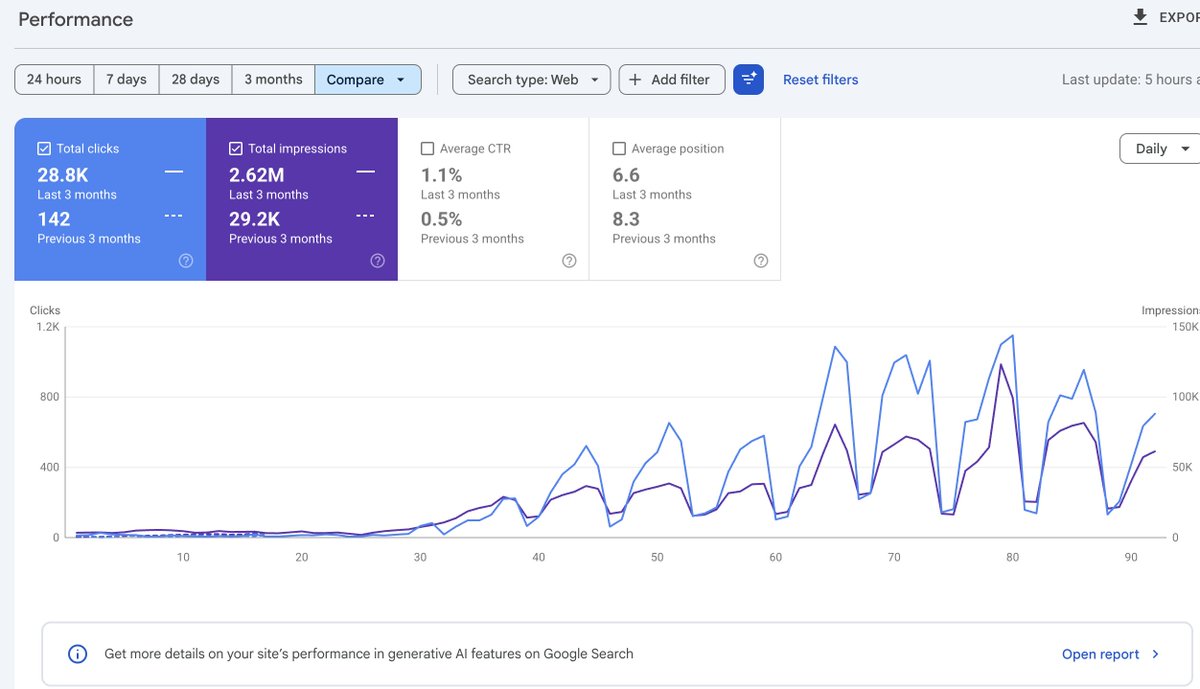
📈 3 Months of SEO Growth for a Law Business. Powered by a Strategic Content Funnel! ⚖️
SEO isn't just about ranking keywords. It's about attracting the right audience, building trust, and turning organic visibility into business opportunities.
Here's what we achieved for a law business in just 3 months using a structured content strategy built around TOFU, MOFU, and BOFU. 👇
📊 The Results (Google Search Console)
✅ 28.8K total clicks from Google Search
✅ 2.62M total impressions
✅ 1.1% average CTR
✅ Average position improved from 8.3 to 6.6
The previous three months recorded just 142 clicks and 29.2K impressions. During the latest three months, the website experienced a significant increase in organic search visibility and traffic.
So, what did we focus on?
🎯 1. TOFU. Top of the Funnel (Awareness)
At this stage, potential clients are looking for answers to legal questions and trying to understand their situations.
Our focus:
• Identifying informational keywords related to legal services.
• Creating helpful, educational content around common legal questions.
• Targeting relevant long-tail keywords to capture early-stage search demand.
• Building topical relevance around the legal services offered.
The goal? Get discovered by people who may need legal assistance.
🔍 2. MOFU. Middle of the Funnel (Consideration)
Once people understand their problem, they start exploring possible solutions and evaluating their options.
Our focus:
• Creating detailed guides explaining legal processes.
• Developing comparison and solution-focused content.
• Strengthening internal links between informational articles and relevant service pages.
• Helping users understand when professional legal support may be appropriate.
The goal? Build trust and move potential clients closer to contacting the business.
🚀 3. BOFU. Bottom of the Funnel (Conversion)
This is where search intent becomes more commercially valuable.
Our focus:
• Optimizing legal service pages for high-intent keywords.
• Improving content relevance for people actively seeking legal representation.
• Connecting supporting blog content with relevant service pages.
• Making it easier for visitors to take the next step and contact the business.
The biggest takeaway?
We didn't rely on random blog publishing. We built a content strategy that addressed the customer journey from awareness to consideration to conversion.
SEO works best when every piece of content has a purpose.
💬 How are you structuring your content strategy: TOFU, MOFU, and BOFU, or focusing mainly on commercial keywords?
#SEO #ContentMarketing #LegalSEO #OrganicTraffic #ContentStrategy
🚀 We helped an e-commerce clothing brand grow its organic search visibility using one strategic approach:
TOFU + MOFU + BOFU content strategy.
No random blog publishing. No targeting keywords without understanding search intent.
Just a structured approach to reaching customers at every stage of their buying journey. 🧵👇
📊 Google Search Console results over 3 months:
✅ 3.76K organic clicks
✅ 185K impressions
✅ 2% average CTR
✅ 8.2 average position
Here's how we approached it.
1️⃣ TOFU. Top of the Funnel
People don't always start their shopping journey by searching for a specific product.
Sometimes, they're looking for outfit inspiration, fashion trends, styling ideas, or answers to clothing-related questions.
We used informational content to reach these potential customers early.
The objective: Build awareness and attract relevant organic traffic.
2️⃣ MOFU. Middle of the Funnel
Getting attention is only the beginning.
People need reasons to trust a brand and consider its products.
We focused on comparison content, buying guides, product selection advice, and content that answered customer questions.
The objective: Build trust and move users closer to a purchase decision.
3️⃣ BOFU. Bottom of the Funnel
This is where purchase intent matters most.
We focused on transactional search opportunities and optimized relevant product and category pages to connect users with products they were actively looking for.
The objective: Capture qualified traffic and support conversions.
🔥 Why does this strategy work?
Because customers don't all search with the same intent.
Some want information.
Some are comparing options.
Others are ready to buy.
If your entire SEO strategy targets only buyers, you miss opportunities to connect with customers earlier in their journey.
And if you focus only on informational traffic, you may struggle to turn visibility into revenue.
The real opportunity is connecting all three stages.
TOFU attracts.
MOFU builds consideration.
BOFU captures buying intent.
That's how we approach content strategy for e-commerce SEO.
One important note: Search visibility and clicks are valuable leading indicators, but revenue and conversions are what ultimately measure business impact.
💬 What's your biggest content strategy focus right now: TOFU, MOFU, or BOFU?
#SEO #EcommerceSEO #ContentStrategy
I think the real shift is happening, but it’s not just about AI. A small team with the right people, AI tools, and a solid process can do what used to require a much bigger agency. But strategy, experience, and understanding the client’s business still matter. AI can speed up the work, but knowing what actually moves the needle is a different game.
@theseoguy_ This is actually a simple way to understand local SEO.
But I’d also look at relevance, proximity, and competition. Reviews help with GBP rankings, and backlinks help organic rankings. Both need the right strategy to get results.
@hridoyreh Yes, absolutely! Backlinks still matter. But getting hundreds of random links won’t do much. I’d rather have a few solid links from relevant websites than thousands of links that bring no real value. Quality over quantity, always.
🚀 92.4K Clicks. 4.27M Impressions. 3 Months.
How did we approach SEO for an IV products e-commerce website?
Through a content strategy built around TOFU, MOFU, and BOFU. Here's the breakdown. 🧵👇
📊 Our Google Search Console results:
✅ 92.4K clicks
✅ 4.27M impressions
✅ 2.2% average CTR
✅ 7.1 average position
1️⃣ TOFU. Awareness
People aren't always ready to purchase. Sometimes, they're just looking for answers.
We focus on informational content, educational articles, helpful guides, and FAQs to reach relevant audiences and build organic visibility.
2️⃣ MOFU. Consideration
Now, users want to explore their options and make informed decisions.
Detailed guides, comparison content, and strategic internal linking help them discover relevant information and navigate toward suitable products.
3️⃣ BOFU. Purchase Intent
At this stage, users may be closer to purchasing.
Optimized product pages, category pages, detailed descriptions, and clear product information help them evaluate their options.
🔥 The key is connecting all three stages.
TOFU attracts attention.
MOFU supports research.
BOFU targets stronger purchase intent.
Instead of publishing random blog posts, build a connected content ecosystem based on search intent and the customer journey.
The biggest SEO lesson?
More content doesn't automatically mean better results.
The right content, targeting the right search intent, with the right internal links, gives every page a clear purpose.
📈 These results demonstrate organic search performance, not confirmed sales or revenue. Conversion data is needed to measure the full business impact.
Are you building your SEO strategy around individual keywords or the entire customer journey?
#SEO #EcommerceSEO #ContentStrategy
A $10K client can destroy an agency.
Yes, even a $10K client.
Because the number itself doesn't tell you the risk.
Imagine that one client represents 35% of your monthly revenue.
They pay on time.
They're easy to work with.
Everything seems perfect.
Until they leave.
Now you have a huge revenue hole.
You might have to cut expenses.
Pause hiring.
Reduce marketing.
Or even let people go.
This is why client concentration matters.
A large client isn't automatically bad.
But depending too heavily on one client creates risk.
I've always liked the idea of building enough diversification that losing one account hurts, but doesn't threaten the company.
It changes how you negotiate too.
When you don't desperately need one client, you can make better decisions.
You can push back when something isn't reasonable.
You can say no to scope creep.
You can walk away from a bad relationship.
That's freedom.
Revenue diversification isn't just a financial strategy.
It's a decision-making strategy.
The goal isn't to avoid large clients.
The goal is to make sure no single client owns your agency's future.
Because the moment one client becomes too important, they gain power.
And your agency starts making decisions around them.
What's the largest percentage of your agency's revenue you'd be comfortable having tied to one client?