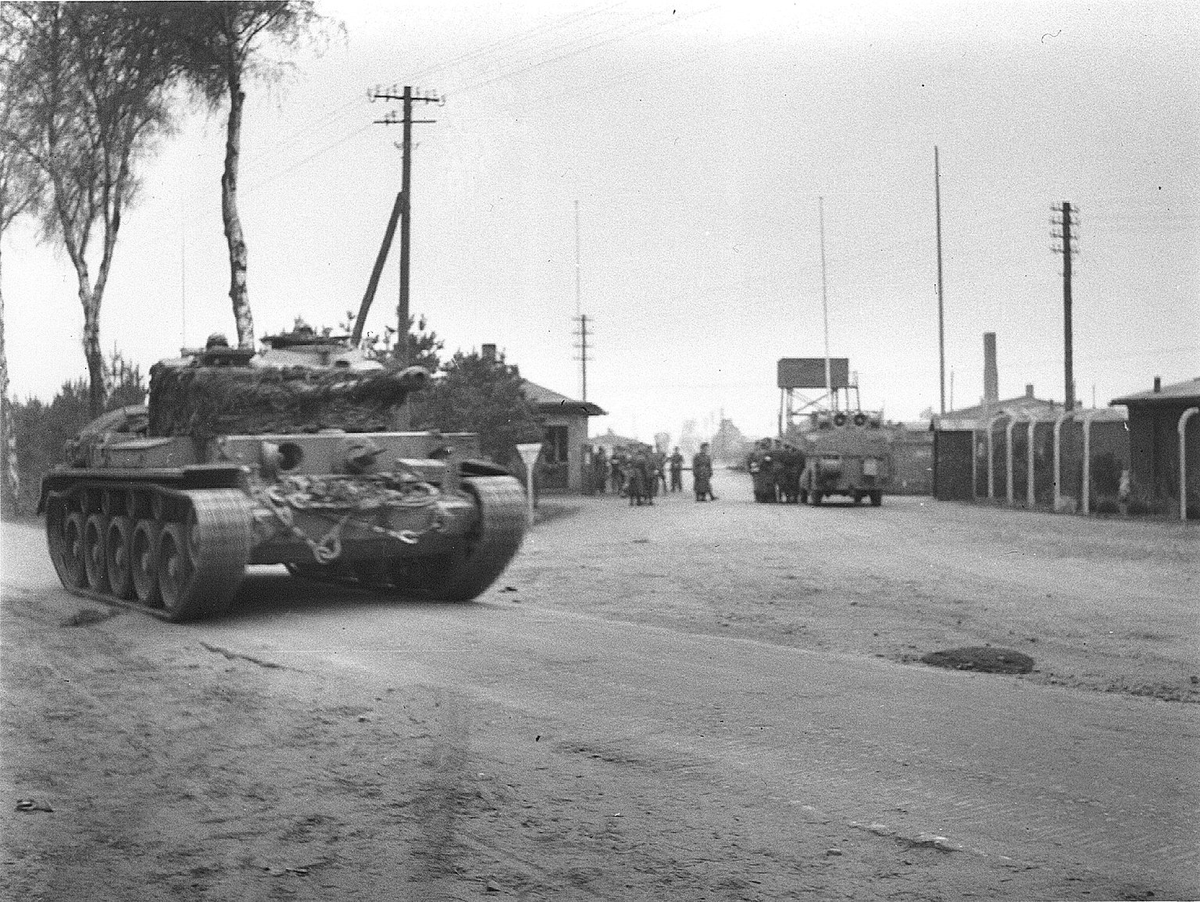
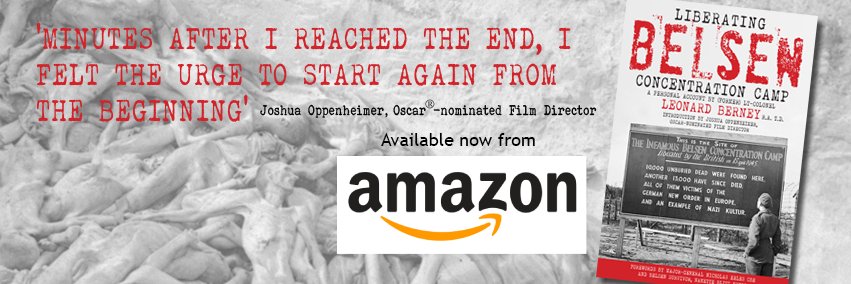
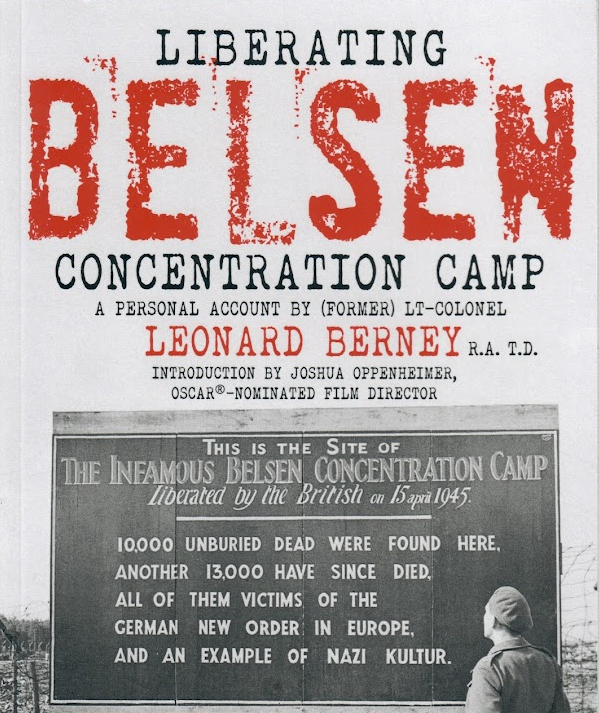
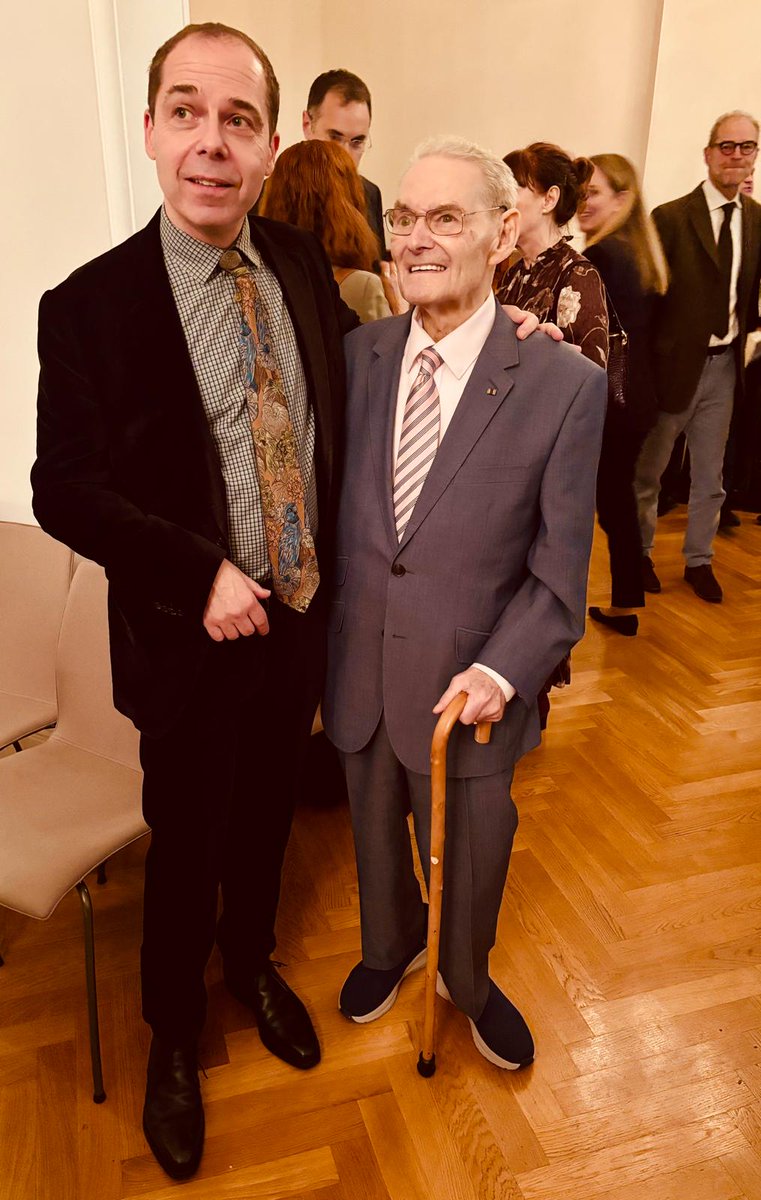
It was 80 years ago today that my father, Major Leonard Berney aged 25, entered Bergen-Belsen concentration camp - one of the first to do so - to be confronted with sheer horror: 60,000 inmates most of whom were gravely ill, and 10,000 unburied dead. "It was an absolute Dante’s inferno. I’ll never forget it." #BergenBelsen #Belsen80 #HolocaustEducation https://t.co/fQgP9UFnxa
Buy Tickets – Forbidden Voices Of WW2: Banned But Not Forgotten Classical Music Concert – City of London School, presented by @JewishBrand in association with @yadvashemUK and @HolocaustCentUK
https://t.co/7Kv81Y4SiI
Very sad to learn of the passing of Belsen survivor, Tomi Reichental. He was a child at Belsen. He told me he used to hide behind piles of corpses when playing hide & seek with other children there. Lovely man and a prolific Holocaust educator. He'd say, "Don't be a bystander"!
We are deeply saddened by the death today of Tomi Reichental.
Tomi’s family story is well known in Ireland and beyond. At the age of nine, he was deported from his home in Slovakia to Bergen-Belsen concentration camp in Germany, where he survived unimaginable hardship until liberation in 1945. Thirty-five members of his family were murdered in the Holocaust.
It was only at the age of 60 that Tomi broke his silence about his childhood experiences. As he often said, “It was not that I didn’t want to speak; I just couldn’t.”
From that moment on, he became a passionate educator on the Holocaust, visiting schools throughout the country and eventually speaking to more than 200,000 students. He also made three documentary films about his experiences and authored two books.
Everyone who met Tomi remarked on his ability to tell his story with honesty, dignity, and humanity. Through his testimony, he demonstrated how easily people can be othered and how entire communities can be demonised. His unwavering contribution to Holocaust education and interfaith relations will never be forgotten.
The Jewish community has lost a beloved son. Ireland has lost a cherished citizen.
On a personal note, Tomi’s friendship, support, and endorsement of the work of HAI, on whose advisory he sat, gave me the confidence and determination to pursue my mission of raising awareness of the Holocaust in Irish society. I will never forget his encouragement, generosity, and kindness. I am honoured to have known him and privileged to continue carrying forward his invaluable legacy.
We offer our heartfelt condolences to Tomi’s family at this difficult time and wish them long life.
May Tomi’s memory be a blessing.
Oliver Sears
Holocaust Awareness Ireland
Desperately saddened to hear that one of Ireland’s last surviving resident Holocaust survivors has passed away.
I had the great pleasure of meeting Mr Reichental in 2016 and was struck by how kind and generous he was in sharing his story with strangers.
https://t.co/9A73mGsVUU
Holocaust survivor Tomi Reichental has died at the age of 90.
Mr Reichental and his family were deported to Bergen-Belsen concentration camp in 1944.
He lost 35 close family members in the Holocaust and came to Ireland in 1960 to build a new life.
https://t.co/pwhFfXrhaI
Two days after all internees were evacuated from Bergen-Belsen, the last hut was set alight by a British flame thrower and burned to the ground due to the thick presence of typhus and lice, 21 May 1945.
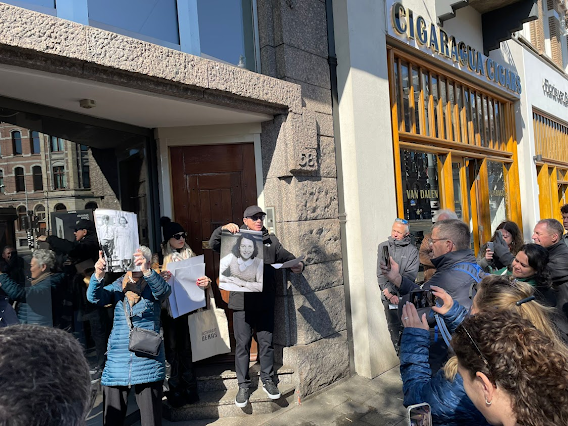
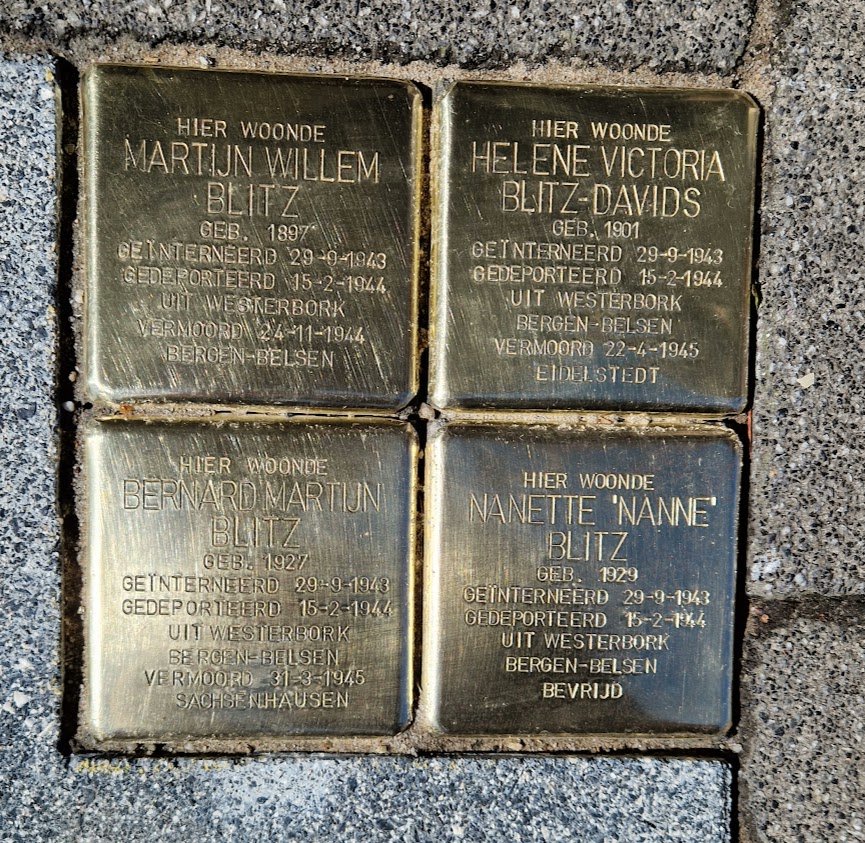
Nearly 80 years after the Holocaust, four small brass plaques were placed on a sidewalk in Amsterdam to restore the memory of a family destroyed by the Nazis.
The Stolpersteine commemorate the family of Nanette Blitz König, a Holocaust survivor and former classmate of Anne Frank.
Installed outside the family’s last freely chosen home, each stone bears the name and fate of a family member: Nanette, her parents, and her brother. Arrested in 1943, they were deported through Westerbork to Nazi concentration camps. Nanette was the only one to survive, liberated from Bergen-Belsen by British troops on 15 April 1945.
Created by German artist Gunter Demnig in the 1990s, Stolpersteine have become the world’s largest decentralized Holocaust memorial project, with more than 100,000 stones laid across Europe. Rather than standing in museums, they are embedded directly into everyday streets, forcing passersby to quite literally “stumble” upon the names of victims where they once lived ordinary lives before persecution and deportation.
Nanette, now 97 and living in Brazil, could not attend the ceremony, but her children and grandchildren traveled from across the world to be present. During the event, her son Martin König said the stones return his family “to the street where their lives were once lived openly and without fear”, ensuring their names remain part of the city’s living memory rather than disappearing into statistics or history books.