Biomedical Genomics Core Lab provides genomic resources, in particular Illumina NGS & Bioinformatics support, to research communities at Uni Brunei Darussalam
.@Genome_gov researchers have assembled the first, fully complete human #YChromosome sequence! This sequence reveals genetic factors with implications for fertility. https://t.co/uOHI6rNCnb (Thread)
Forget Google Scholar. Here are seven AI-powered apps to fast-track your literature review.
1. Research Rabbit
2. Connected Papers
3. Inciteful
4. Litmaps
5. Elicit
6. Iris
7. Scite
Below is a comparison to help you choose the best one for your work:
Our lab is looking for a postdoc with experience in (cancer) genomics and bioinformatics. Details can be found at: https://t.co/glqpyCUs8e
#postdoc#genomics#bioinformatics#NGS
Our lab had the honour to host the visit of the Minister of Health (Brunei), YB Dato Seri Setia Dr. Hj Md Isham bin Hj Jaafar, and his team. Looking forward to working with them #MOHBrunei to progress genomic medicine in the country. #Genomics#Bioinformatics
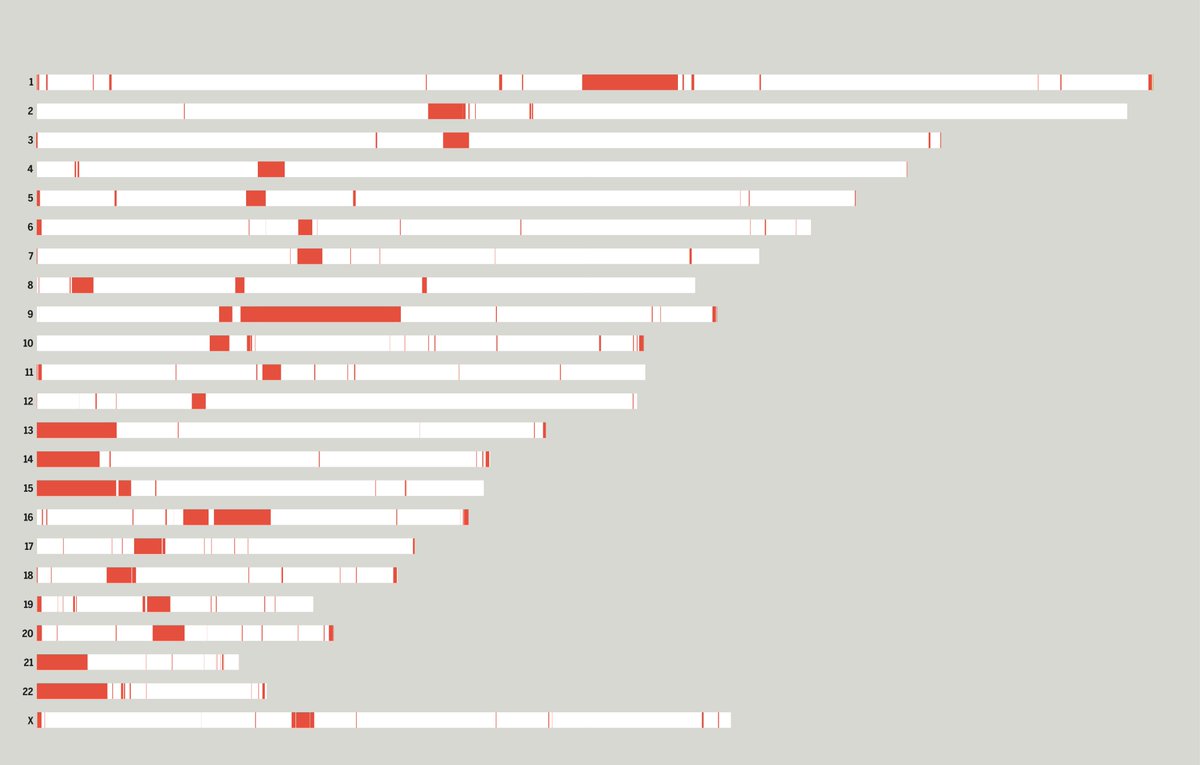
The complete "closure" of the remaining 8% gaps (red segments) in the human genome is indeed one of the most important milestones in human genomics. Reads the works from the T2T consortium in the latest issue of Science: https://t.co/h8R5JFFhOQ
genomics people: GRCh38.p14 is just out, and they've provided a new BED file that masks out multiple large FALSE duplications that were discovered by the CHM13 team including many falsely duplicated genes on chr21. New data here (1/2): https://t.co/z6PIevCco4
Would be interesting to see how comparable is the result from this UBS-powered €99 #PocketPCR (https://t.co/RNJpZBvtOb) against that of the "conventional" PCR machine in our lab.
A new genome sequencing approach developed by Stanford Medicine scientists set the first Guinness World Record for the fastest DNA sequencing technique, producing results for one study participant in just over 5 hours. https://t.co/ygnet56Bd2
@euanashley#Genome#DNA#BigData
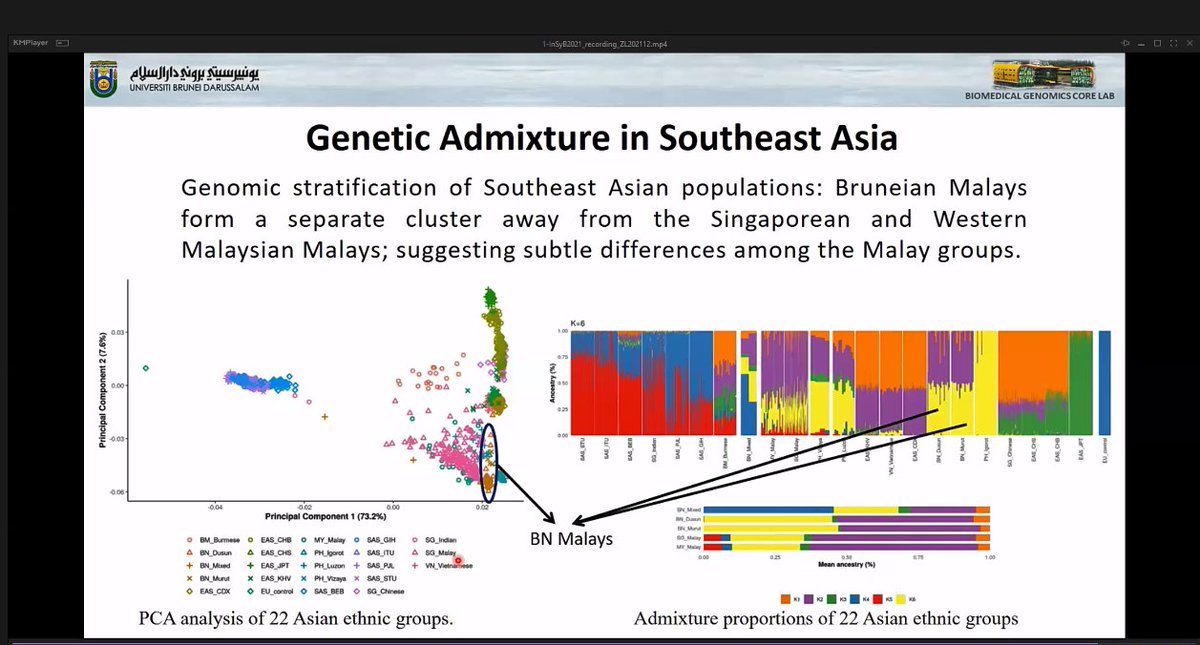
What makes a population? Accurate descriptions of human diversity can have a direct impact on our understanding of genomic variations among people and how these variations affect our health.
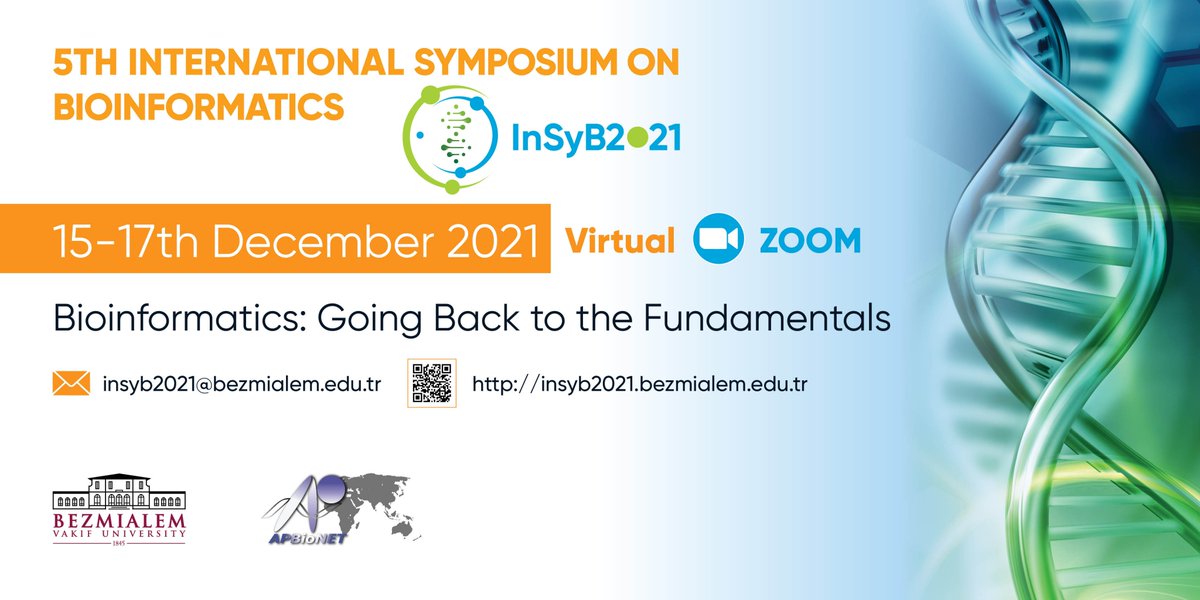
We are delighted to invite you to the 5th International Symposium on Bioinformatics (InSyB2021), to be held virtually from 15-17 December 2021. Admission is FREE! Abstract submission is open till 15th of November 2021.
Application and registration: https://t.co/kQXTInEIbr