Check out our latest paper on the Cardiff Geo-observatory using groundwater head responses to tidal signals to characterise the hydro-geomechanical properties of the aquifer https://t.co/6Joptz459v @BritGeoSurvey@UKGeoenergy@CU_EARTH@GarethFarr1
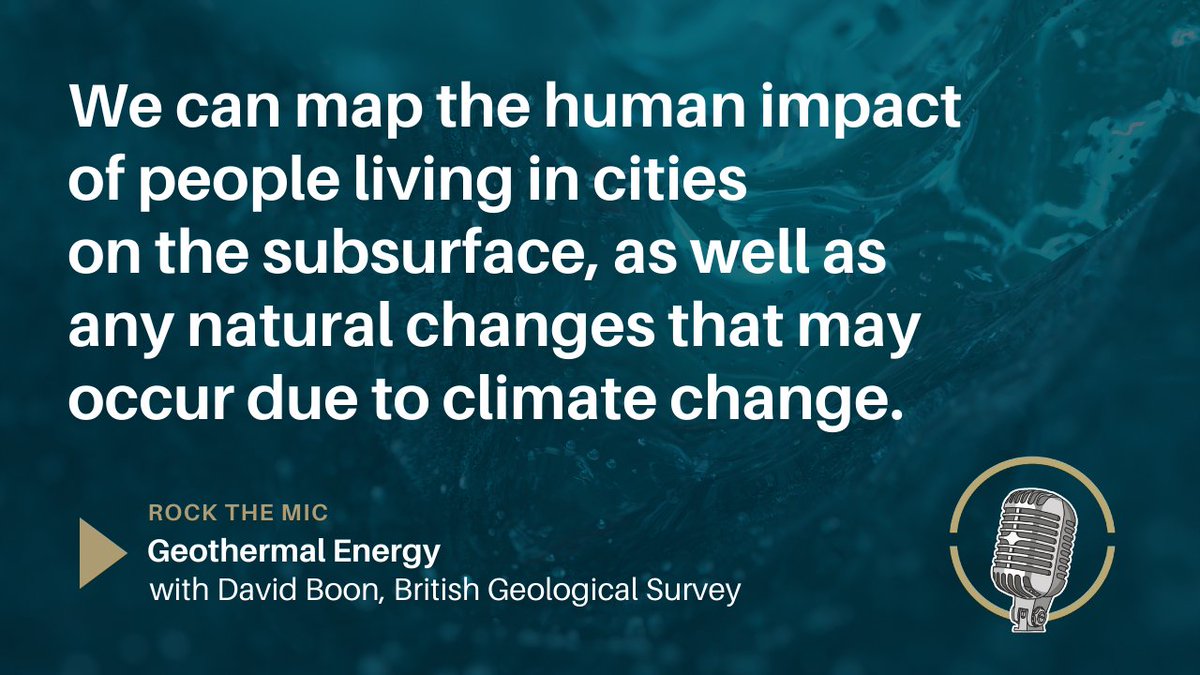
In this month's #RocktheMic, we spoke to David Boon, Engineering Geologist, about how the Cardiff Urban Geo Observatory is using sensors to build a picture of the subsurface.
🎧 Spotify: https://t.co/07jSqPqVte
🎧 Google: https://t.co/TtivuUXziC
🎧 Apple: https://t.co/1Kc435Y7ZK
NEW PODCAST 🎙
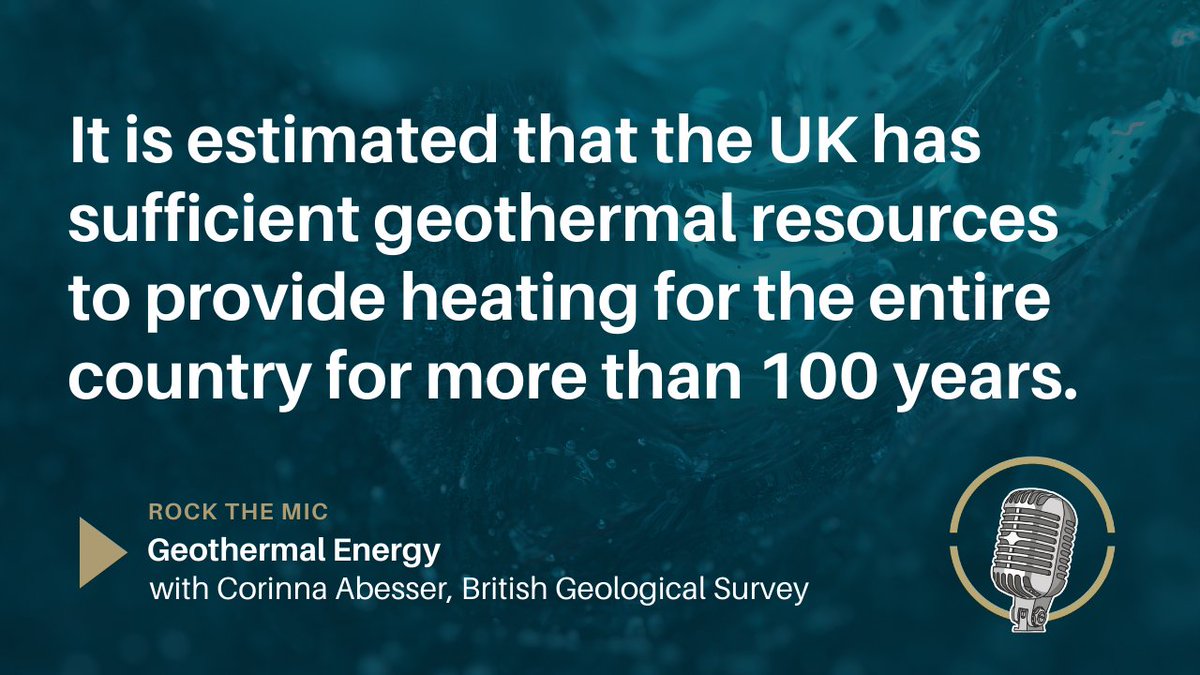
This month, we discuss the future of geothermal energy in the UK & how mine water energy can help decarbonise our heating.
🎧 Spotify: https://t.co/07jSqPqVte
🎧 Google: https://t.co/TtivuUXziC
🎧 Apple: https://t.co/1Kc435Y7ZK
#Geo4NetZero#WorldEnvironmentDay
BGS and @NewportCouncil have been working together to release 4000 new boreholes, previously held as confidential, under an open data agreement. These data are now available through GeoIndex as ‘deposited data for point locations’.
https://t.co/nzGwqLaqUV
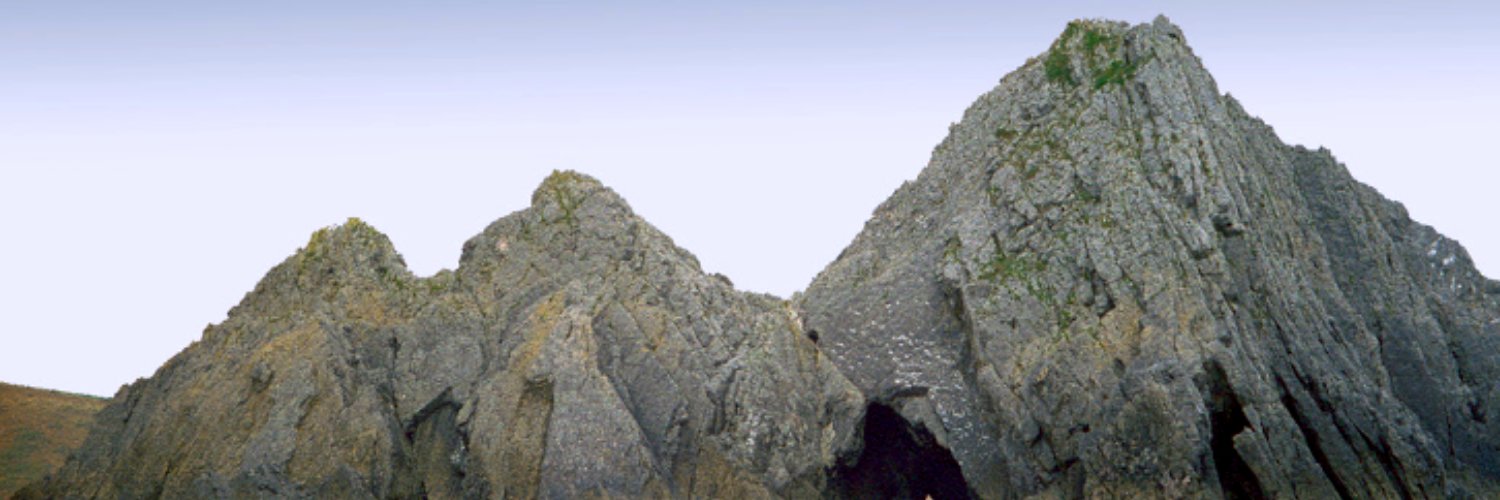
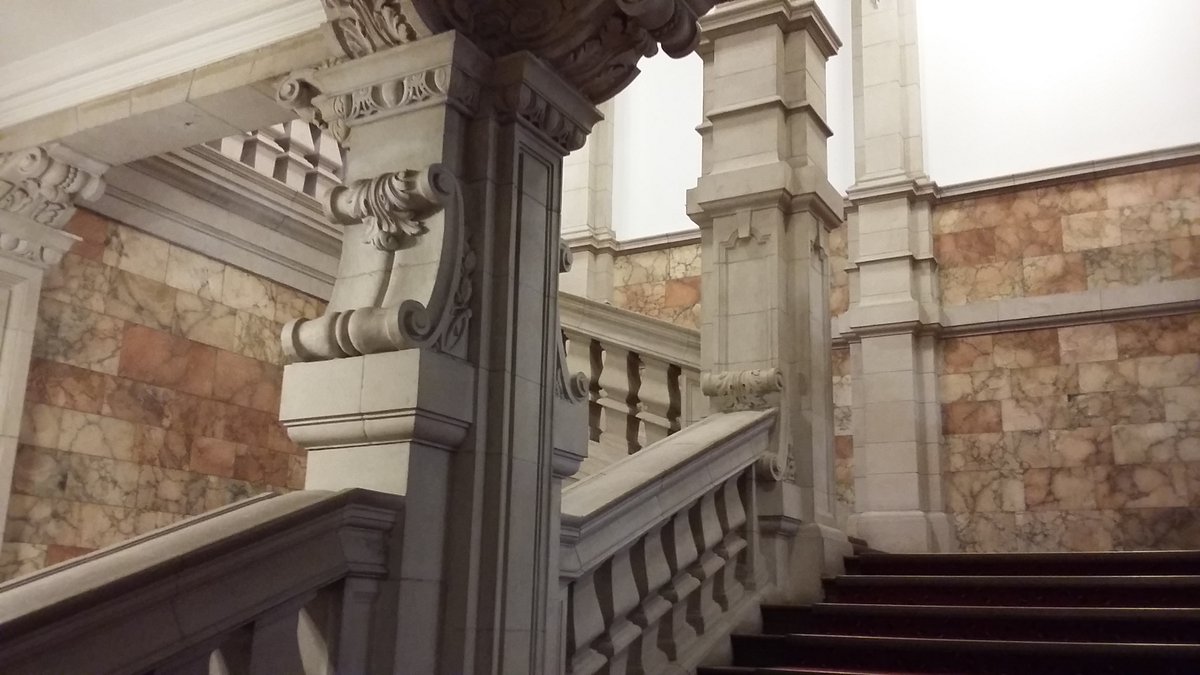
Take a peek at the geology on show around our @BGSWales office, based at @cardiffuni. This includes beautiful pinkish alabaster from Penarth and a ring of Gorsedd Stones commemorating National Eisteddfod.
https://t.co/qTFBwbq1ig
Listen to our much-missed colleague Jez Crooks talking with his usual passion and knowledge about #CleanEnergyFromTheCoalfields in this @iom3 podcast recorded earlier this year - with @GarethFarr1 of @BritGeoSurvey - and released now as a tribute to him.
https://t.co/JyCrSyR5jp
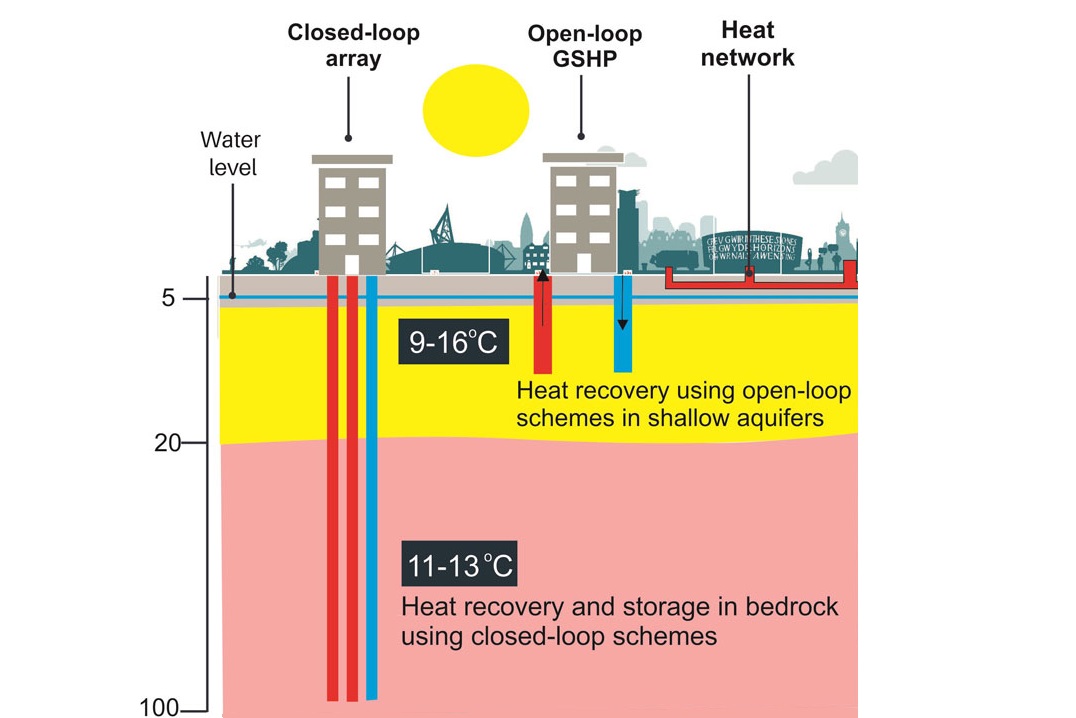
Heat recovery and storage in the urban subsurface could offer part of the solution to decarbonise energy supplies.
Read on to learn how BGS is using novel techniques to understand how the subsurface can best help us reach net zero goals.
#Geo4NetZero
https://t.co/mksu6kX1tL
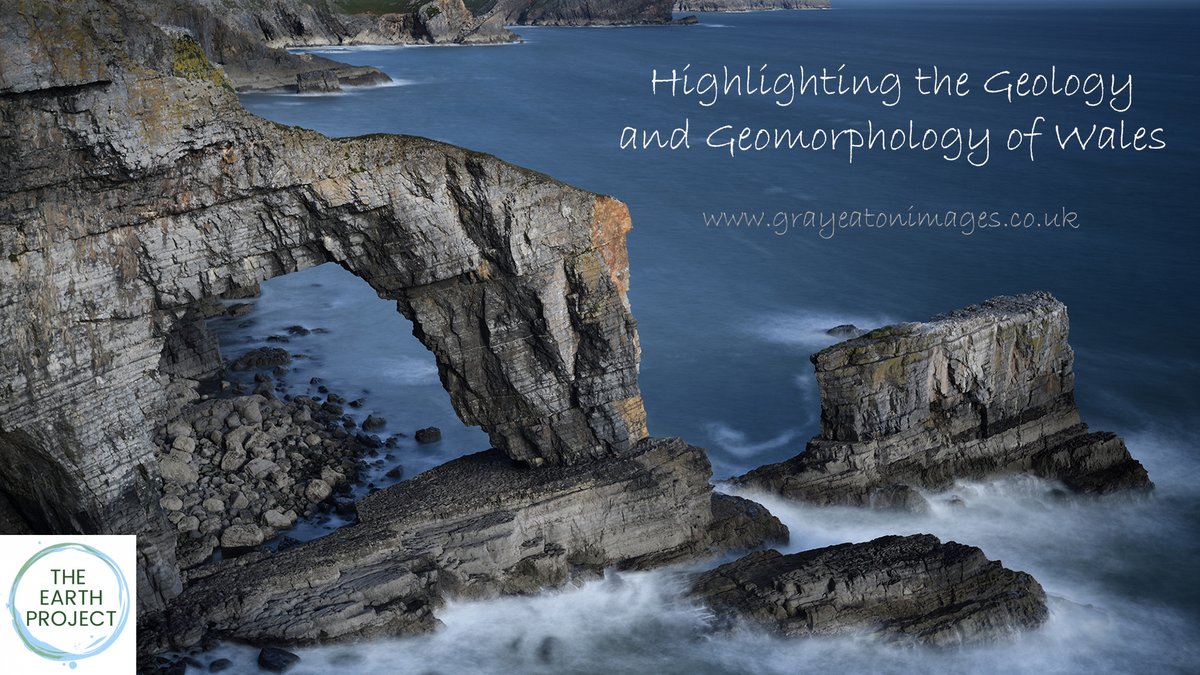
The Earth Project proudly presents our February special feature on the geo-diversity of Wales across the ages and across the country by Gray Eaton. Rhifyn Cymraeg yn dod yn fuan.
https://t.co/g9f53trkyC
@BGSWales@BritishEcolSoc@WTWales@NatResWales@BBCWales@unescoEARTH
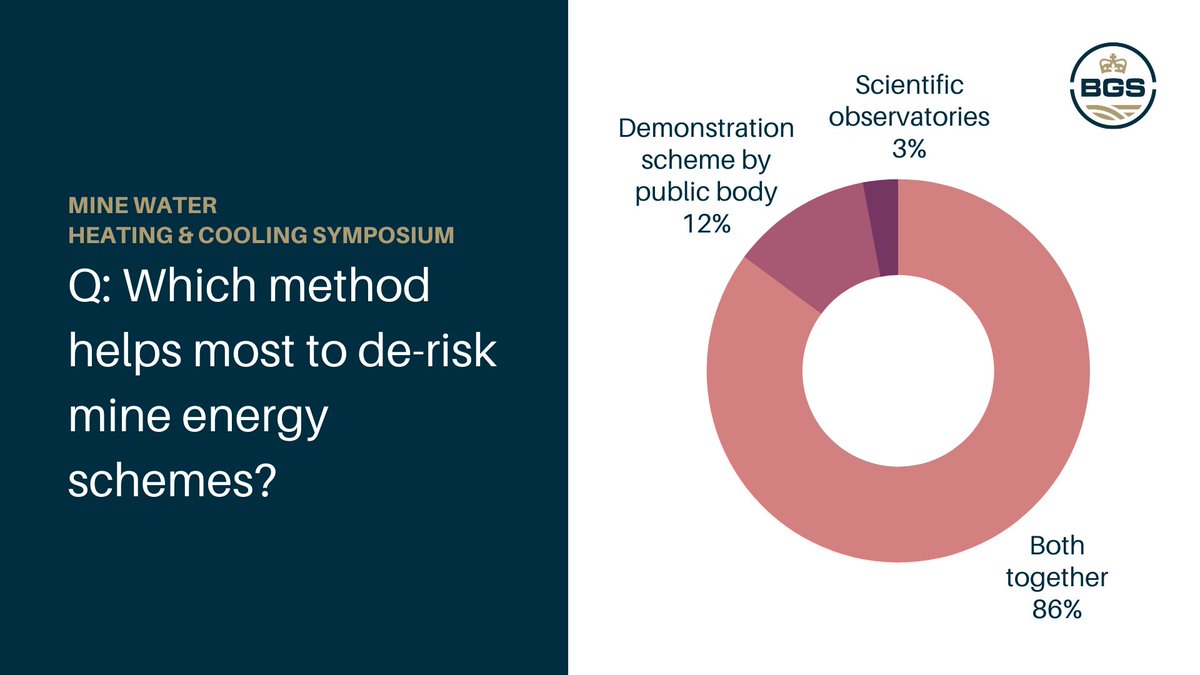
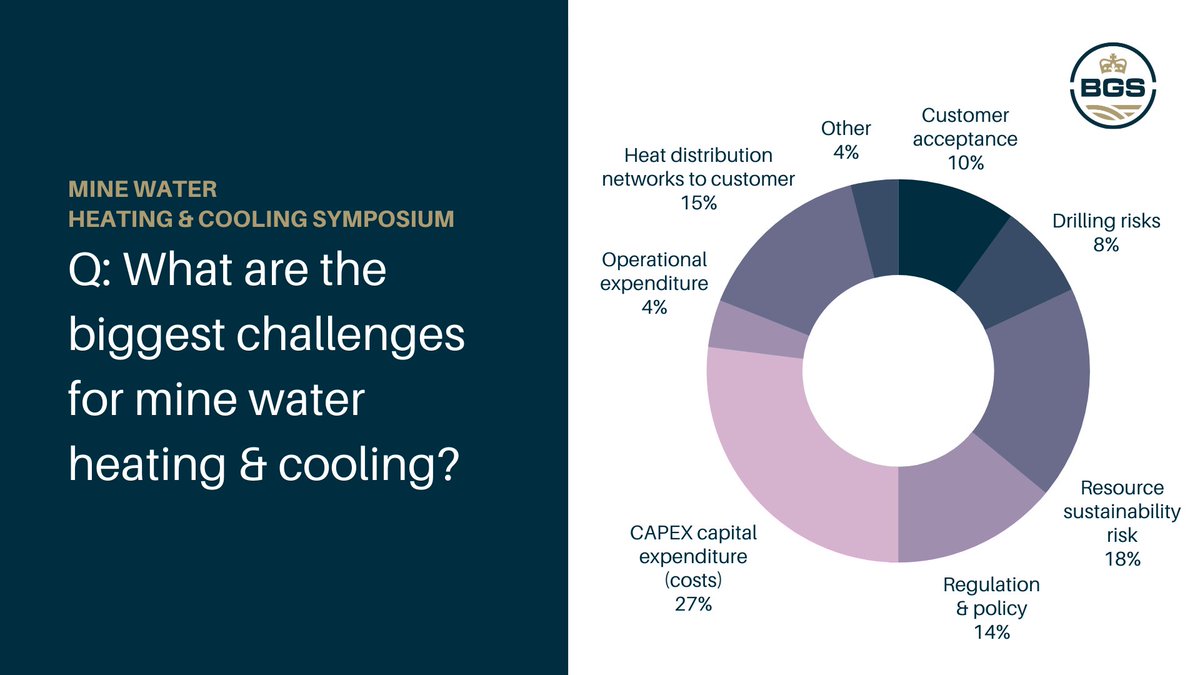
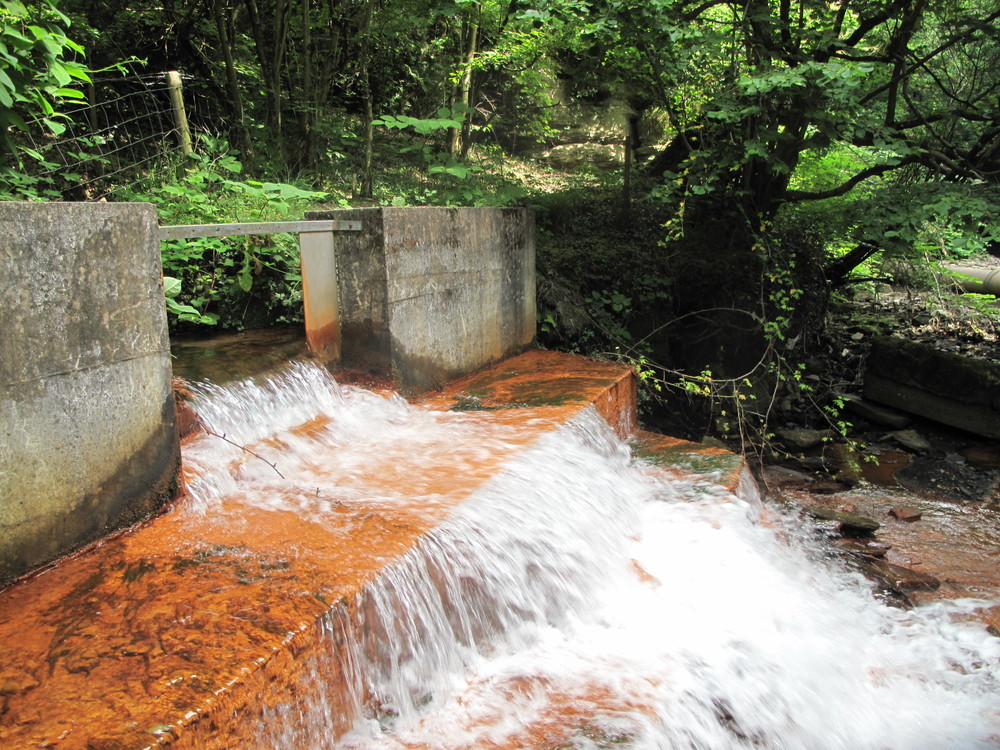
Attendees at today's Mine Water Heating and Cooling Symposium were asked their opinion on the future of mine water as a feasible solution for decarbonising heat.
We'll be sharing these, to help inform further discussion on the topic.
#CleanEnergyFromTheCoalfields#Geo4NetZero
Im delighted to announce that the 'Mine water heating & cooling: a 21st Century Resource for #Decarbonisation' conference is open for FREE registration https://t.co/kNxBmBvsoB
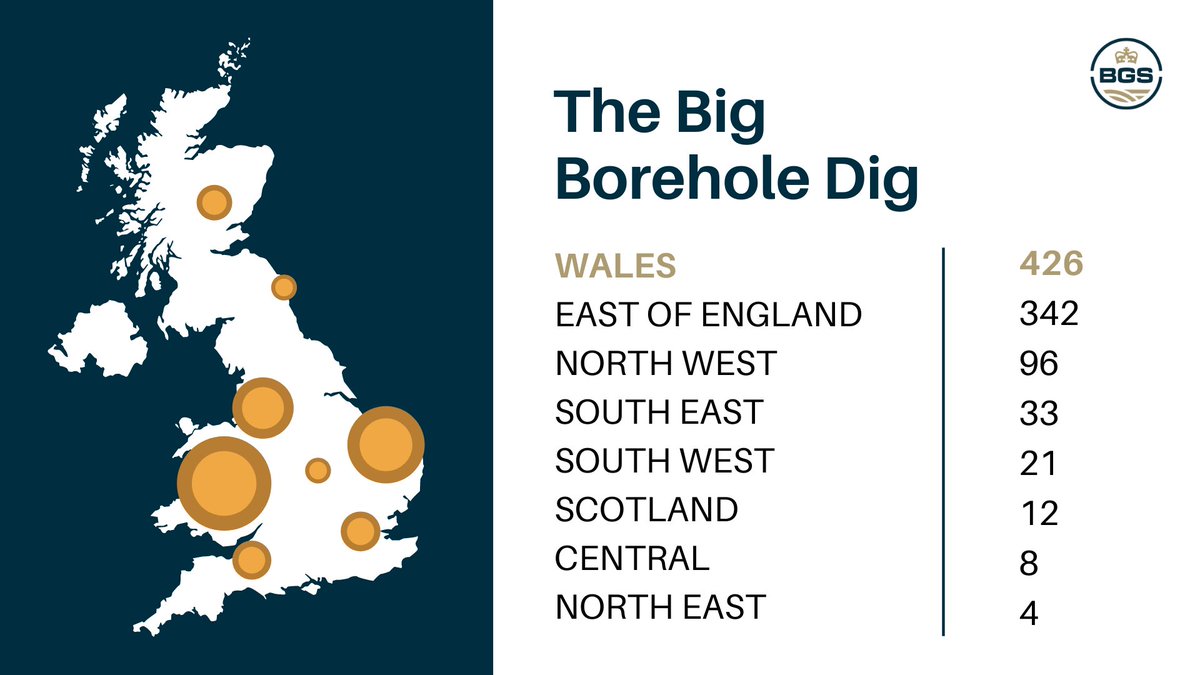
In the #BigBoreholeDig Wales remains the breakout champion with 426 boreholes logged! Just over 50 boreholes until we reach our goal of 1k logged before Christmas!
Get involved in the fun here:
https://t.co/0Te9J1fn5t
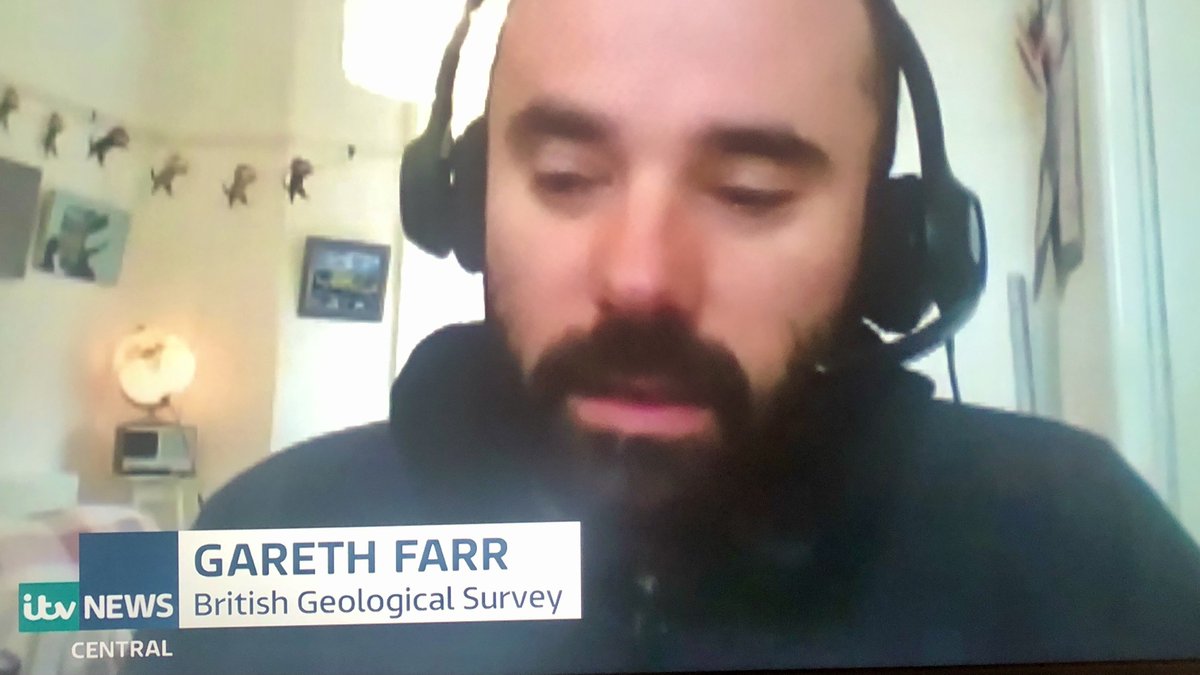
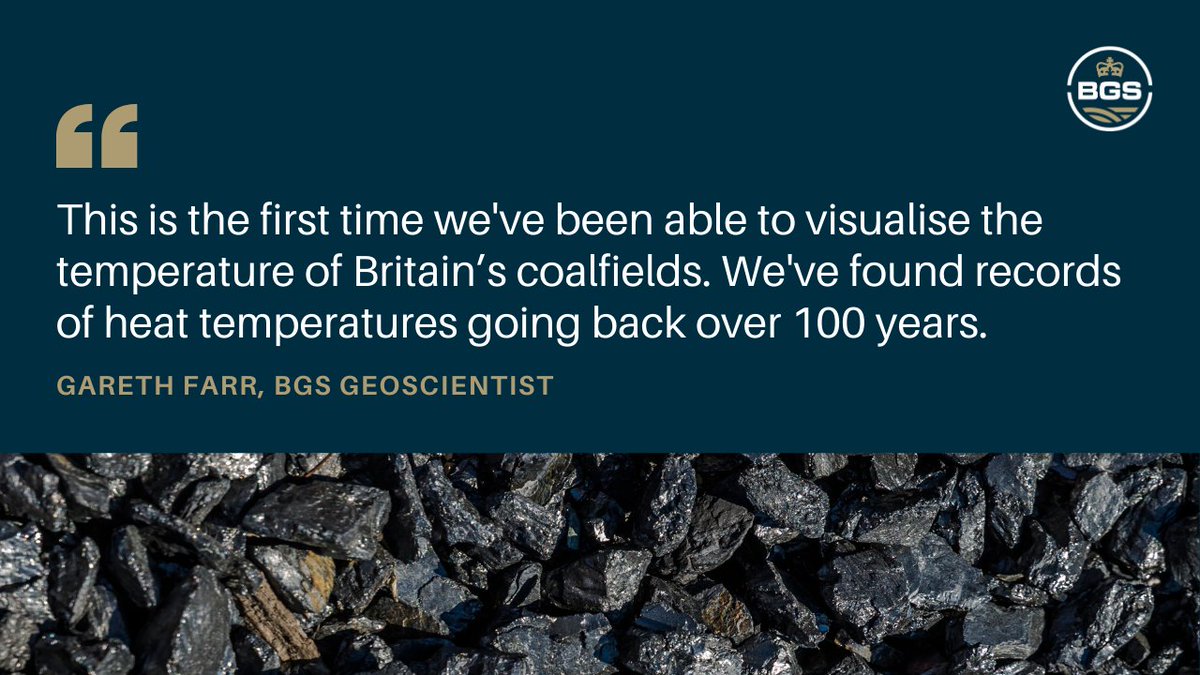
Great to see Jez Crooks, our head of innovation, and @GarethFarr1, of @BritGeoSurvey, on @ITVCentral tonight talking about the new interactive heat mapping tool we worked on together, which could help unlock #CleanEnergyFromTheCoalfields through low carbon mine energy schemes 📺
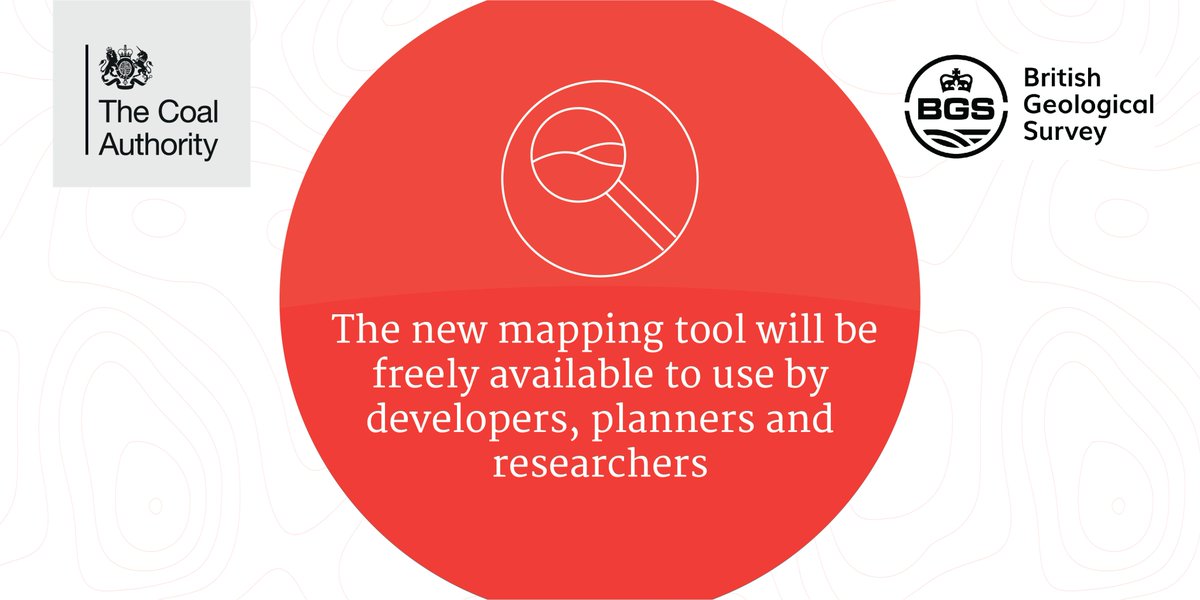
The new mapping tool will be freely available to use by developers, planners and researchers to identify opportunities to investigate the use of mine water as a sustainable heat source. The maps can be viewed online here 👉 https://t.co/SejBIYkCzs 👈
This is the first time the data has been brought together in this way, and illustrates the long-term feasibility of heating homes and buildings using this zero-carbon energy source.
Read the full paper ➡ https://t.co/golrNQVPx6
The new mapping tool shows where the mines are and the extent by which temperatures increase with depth.
It will be freely available to use to identify opportunities to use mine water as a sustainable heat source ♨️
The mapping tool is available here ➡ https://t.co/N6D3JBOLvK
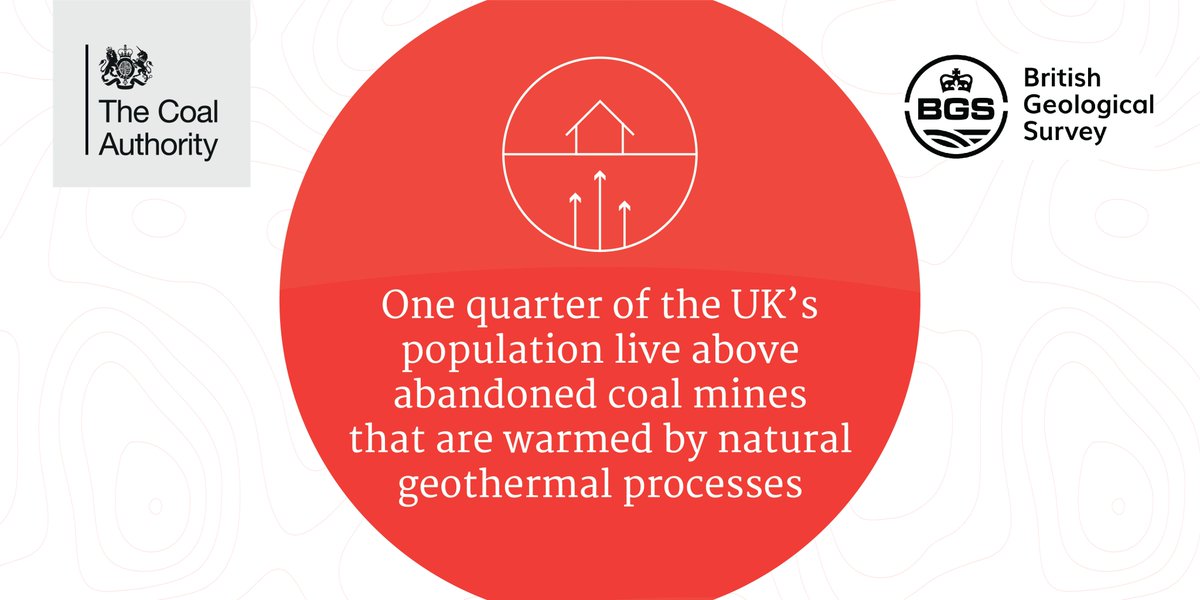
One quarter of the UK’s population live above abandoned coal mines.
Together with @CoalAuthority, we have released maps which for the first time, reveal the extent to which heat is stored in these abandoned mines.
Read more ➡ https://t.co/n3lMA7sN9I
One quarter of the UK’s population live above abandoned coal mines that are warmed by natural geothermal processes. Where these mines flooded, they're now being developed as a source of low carbon energy to heat homes and businesses 🏡🏢