Dear Self,
I promise you to stop only getting points for attendance, to actually participate
I promise you to laugh more especially at pain so that I don’t let it turn into suffering. Ngwino Ubeho!
#BenImana.
Un film rwandais, gabonais, français et norvégien, soutenu également par @RedSeaFilm Fund.
Un film dont les valeurs universelles nous rappellent que notre continent porte en lui des récits profondément humains, qui méritent d’être partagés sur les plus grandes scènes de ce monde.
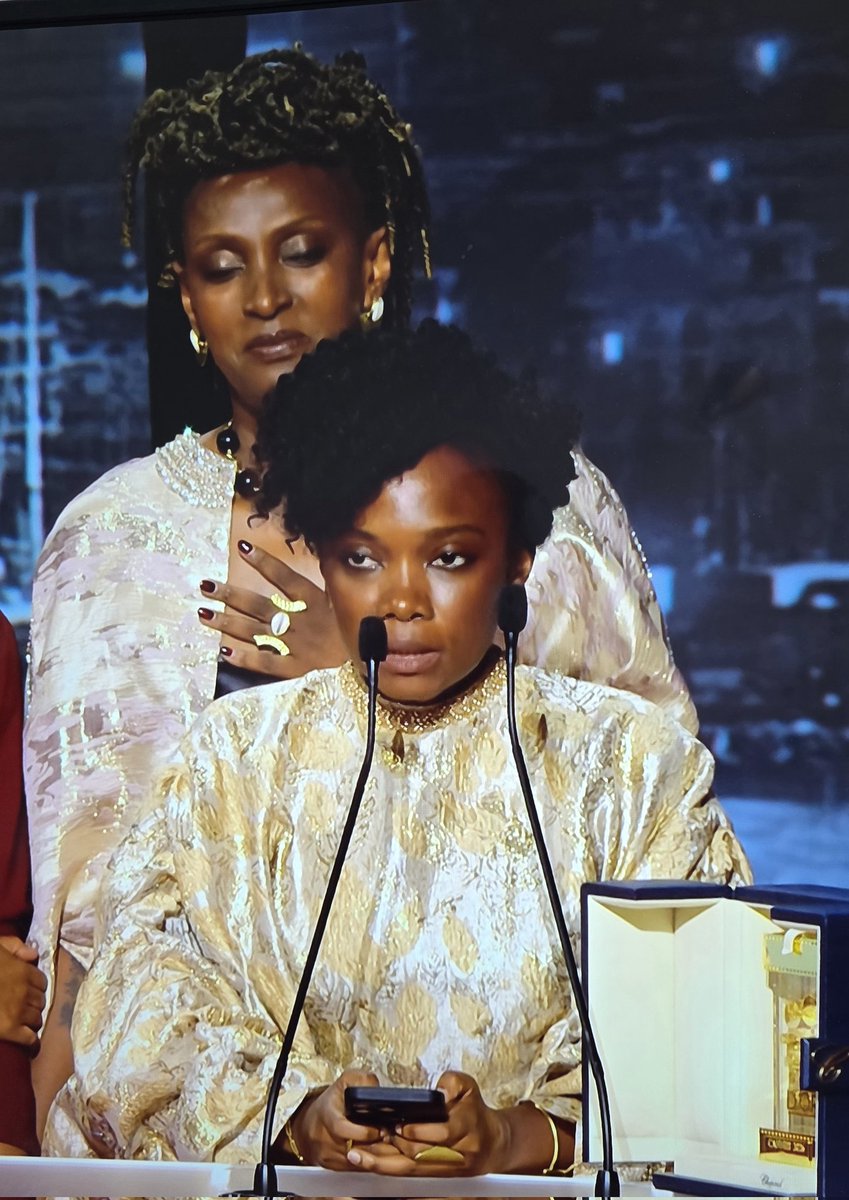
Merci à @dusabejambo, @SamanthaBIFFOT et @FannyUwayezu pour votre détermination à faire exister ce film, avec autant d’authenticité, de sensibilité et d’exigence, au nom de toutes ces mères à qui nous devons tant.
#CameradOr #Fipresci #Cannes2026
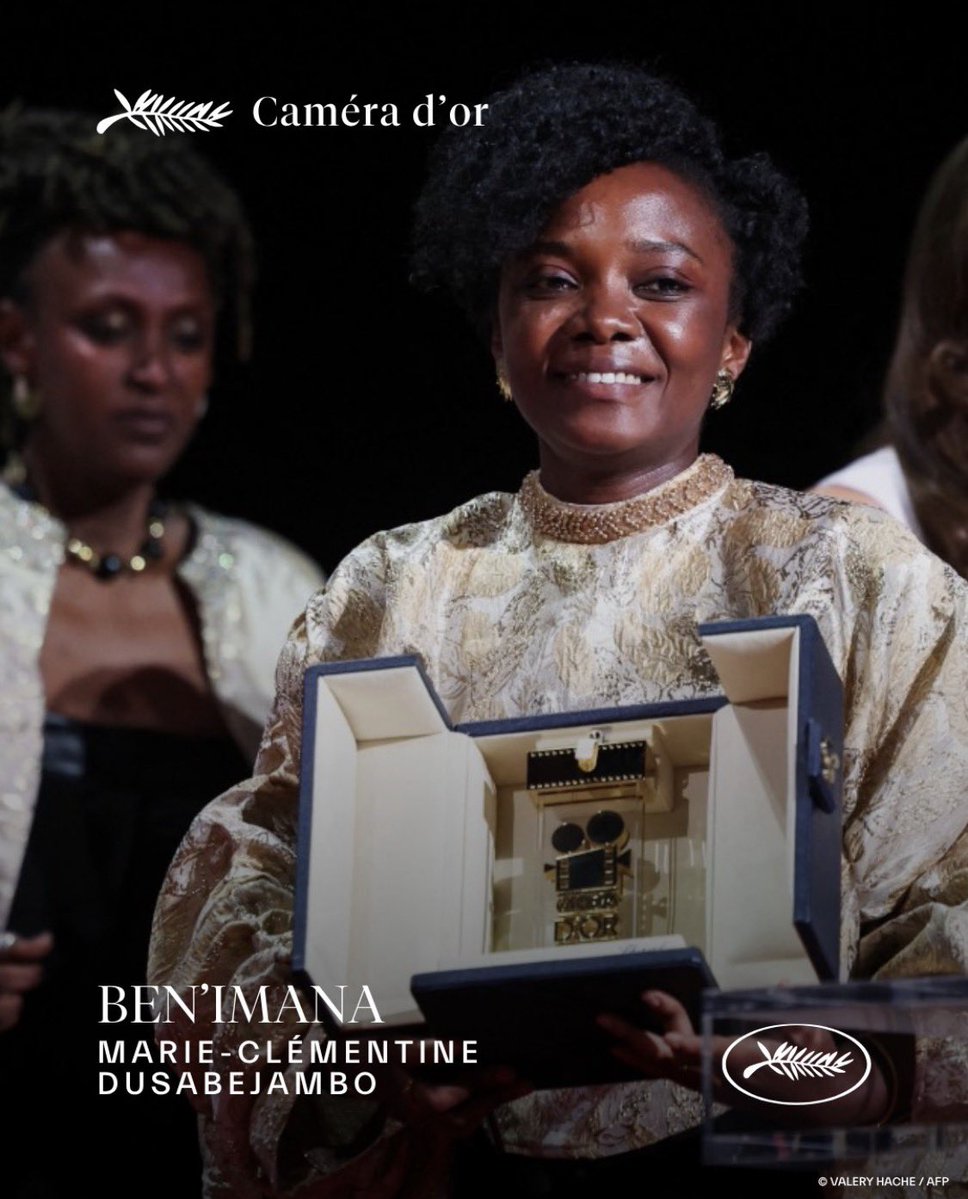
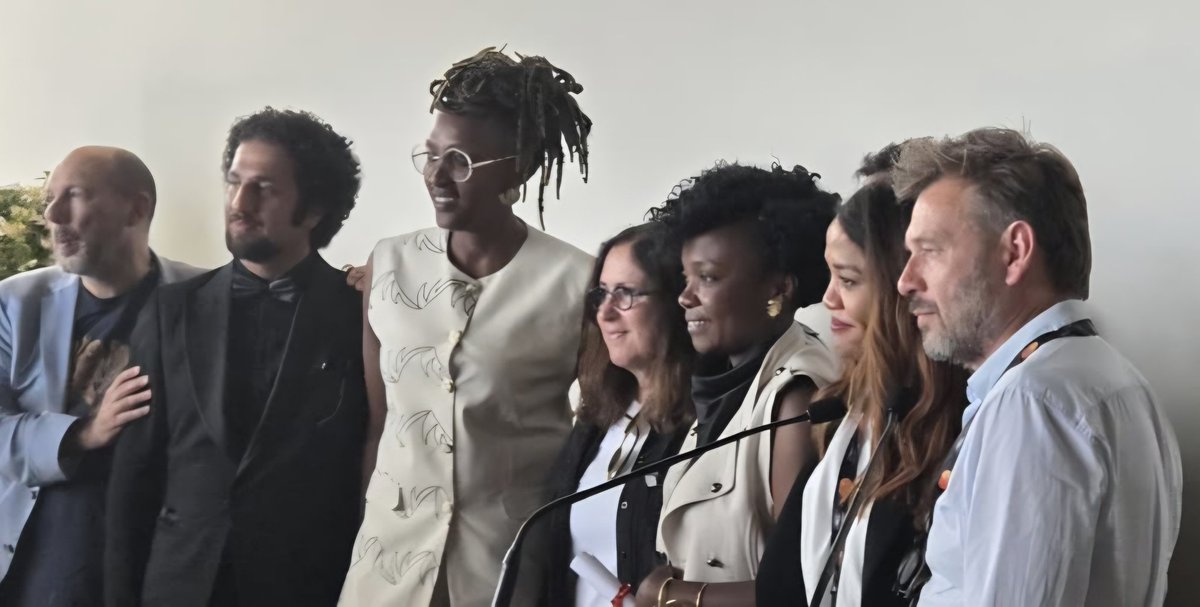
Félicitations à la réalisatrice Marie-Clémentine Dusabejambo et à toute l’équipe du film "Ben’imana", qui décroche la Caméra d’or au @Festival_Cannes, récompensant le meilleur premier film dans toutes les sections du festival.
Soutenu par l’OIF à travers le Fonds Image de la #Francophonie, "Ben’imana" reçoit ainsi une distinction majeure qui témoigne du talent et de la richesse du #Cinéma francophone.
#FestivalDeCannes #Cannes2026
Félicitations à toute l’équipe de Ben’Imana pour cette magnifique consécration à Cannes, avec la Caméra d’Or et le Prix FIPRESCI remportés ce soir lors de cette 79e édition du Festival de Cannes.
#Cannes2026#RwandaAtCannes
🔴 La Caméra d'or, qui récompense le meilleur premier film dans toutes les sections du festival, revient à la réalisatrice rwandaise Marie-Clémentine Dusabejambo pour "Ben'imana".
#Cannes2026
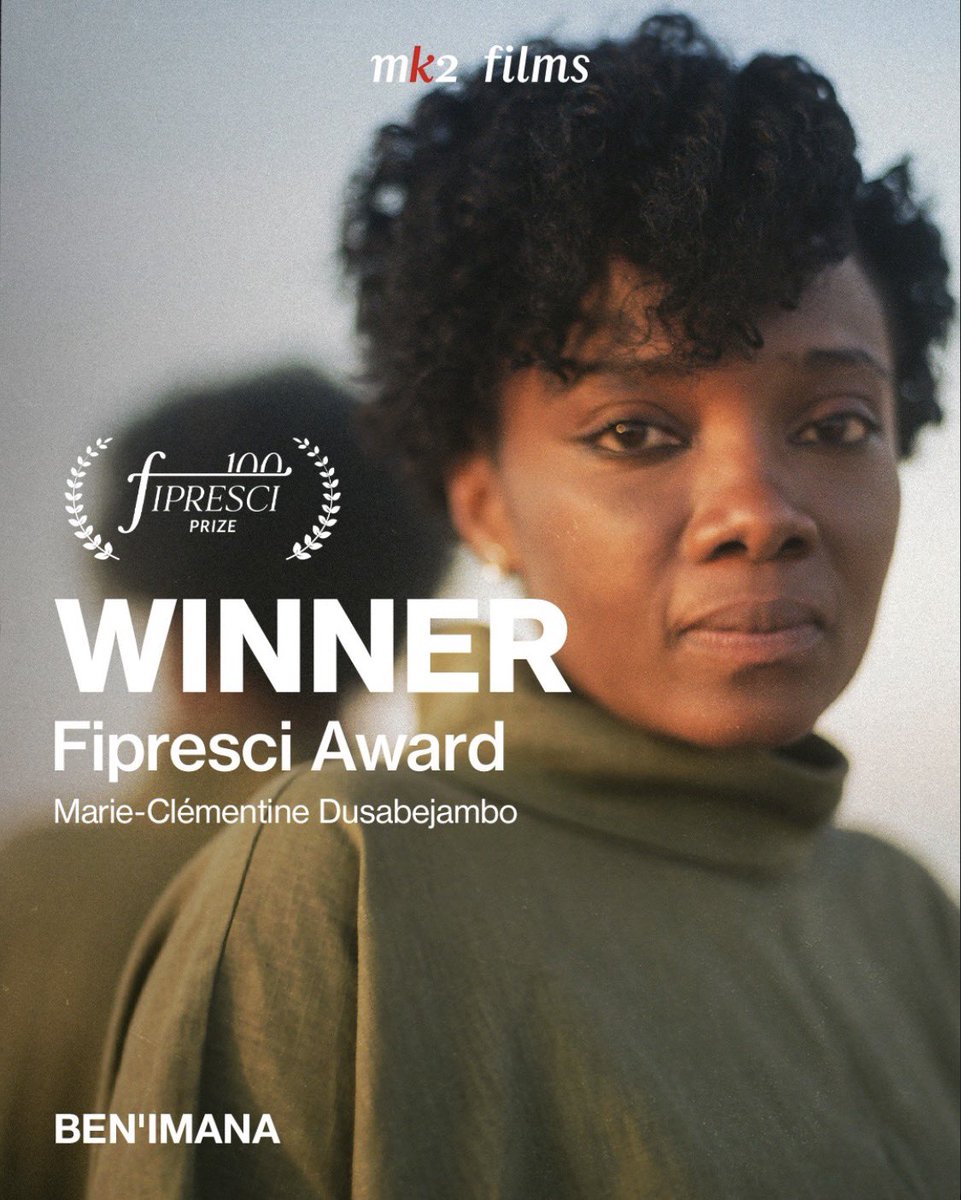
Le film Ben'Imana de @dusabejambo décroche son premier prix au @Festival_Cannes, le Prix FIPRESCI (Prix de la critique internationale)! Bravo👏🏼👏🏼👏🏼😍🇷🇼
Il s'agit d'un Prix remis depuis 1946 par un jury constitué de critiques de cinéma internationaux par l'intermédiaire de la Fédération internationale de la presse cinématographique.
For me, Kwibuka is really about love.
Love for those who are missing from us, and those who survived.
Love for our country, small yet boundless in all that it holds.
Love as witness, as presence, and as wholeness -everything that the genocide meant to take from us.
For survivors, who know genocide intimately, as something that settles in the body, surfaces without warning, and can bring assailing darkness into an ordinary day. The ache of everything missing. And the tender cruelty of living perpetually in “what if.”
We know there is not much we can do to ease certain wounds.
But know this:
Whatever healing you have found. Whatever love, restoration, joy, and peace have helped you find ground beneath your feet. The dreams and hopes you have for your children, and for this country. A future for all of us, together. We will protect all of it fiercely.
That much, we can do.
#Kwibuka32
32 years ago today, something was taken from within us that cannot be described anatomically. I do not know a language that can fully capture that fear, pain, loss, and horror.
By July 1994, Rwanda was shattered in spirit, and in the most practical sense. So when people tell us what we should tolerate, or ignore, I want them to understand that baseline, and what starting from scratch truly took.
I also want them to consider what it says about this country and its people, that we are here today, with what we have built together.
Our rebuilding is, at its heart, an act of remembrance. It is about being alive again and so present, so capable, so impossible to ignore that denial itself becomes the small thing.
To those who survived: You’re here, what a gift. You were Rwanda when Rwanda almost wasn’t. Thank you for holding on, and for telling us what you could find the words for.
To those who were taken from us so brutally: you are not lost to us. You are in everything that is beautiful. You are in the children. You are in the soft evening breeze, and the first light of dawn.
You are in the hills, where your laughter was last heard. And we remember you. Always.
#Kwibuka32
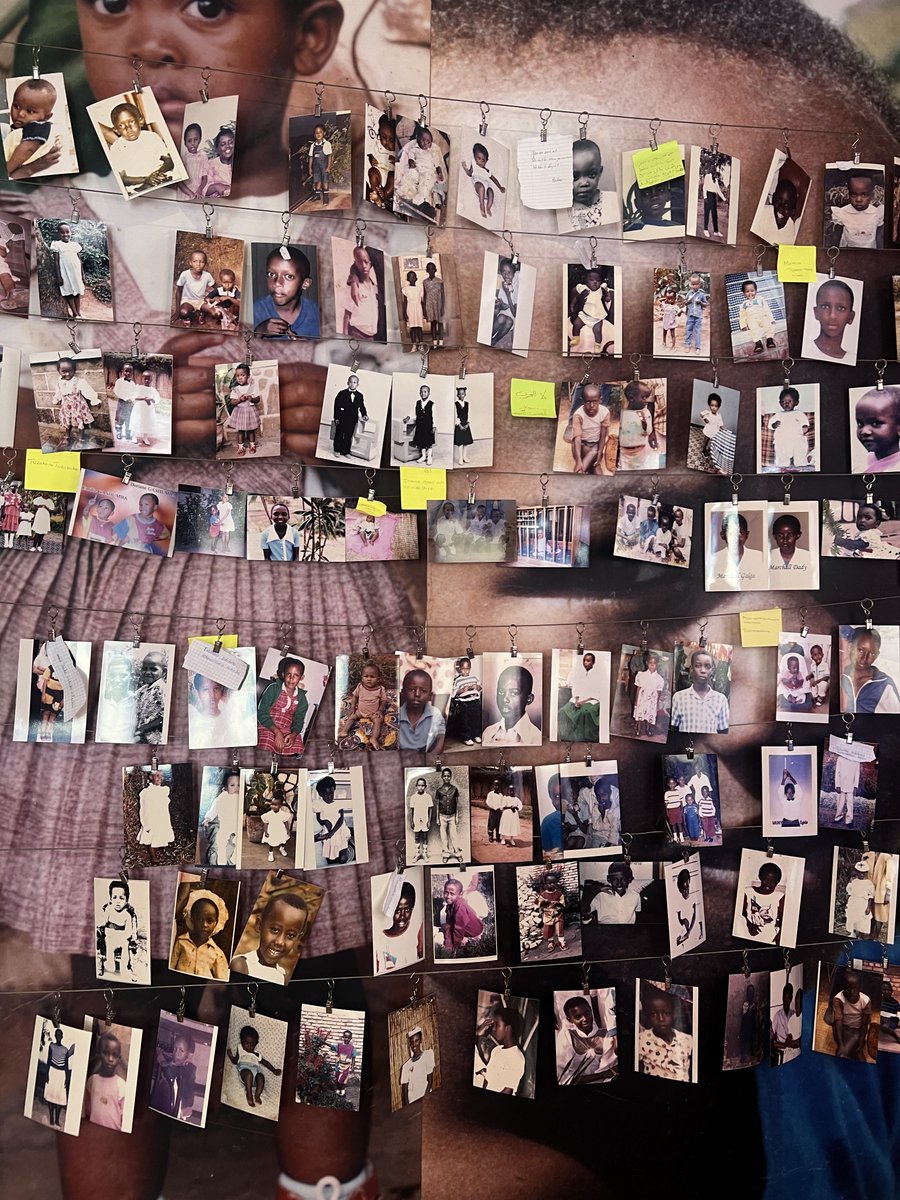
“If you knew me, and you really knew yourself, you would not have killed me” – Quote on a stone wall at the Genocide Memorial in Kigali. It is located in the Children’s Room, a space dedicated to the youngest victims of the 1994 Genocide against the Tutsi and one of the most haunting parts of the memorial. The Genocide is officially recognised as beginning on April 7, 1994. From tomorrow Rwanda will begin the 32nd commemoration (Kwibuka) of the Genocide.