Traces of Texas reader Renee Berry Dudensing graciously sent in this nifty photo of the Jim Garner Familly in Tolar, Texas circa 1893. Renee's grandfather, A.J. Berry, married Beulah Garner and they are the second couple from the left. There's a lot to love here but I think my favorite thing is the architecture/construction of the house itself and the two men/boys on the second floor. Really super.
Thank you, Renee. I love it.
Historians generally estimate that about 20 to 25 percent of the cowboys who drove cattle along the great trails from Texas to Kansas and other northern markets were African American. That's roughly one out of every four or five cowboys.
Most of these men worked during the great cattle-drive era, approximately 1866 to 1890. Many had been enslaved before the Civil War and found employment as cowhands after emancipation. They worked as wranglers, trail hands, cooks, and occasionally trail bosses. Their responsibilities were much the same as those of white cowboys, although their wages and opportunities for advancement differed.
The percentage is an estimate rather than a precise census figure, since complete records of trail-drive crews do not exist.
According to the Library of Congress, historians estimate that 6,000 to 9,000 of approximately 35,000 cowboys were Black, representing roughly 17 to 26 percent. The Witte Museum in San Antonio and the National Park Service both use the familiar one-in-four figure.
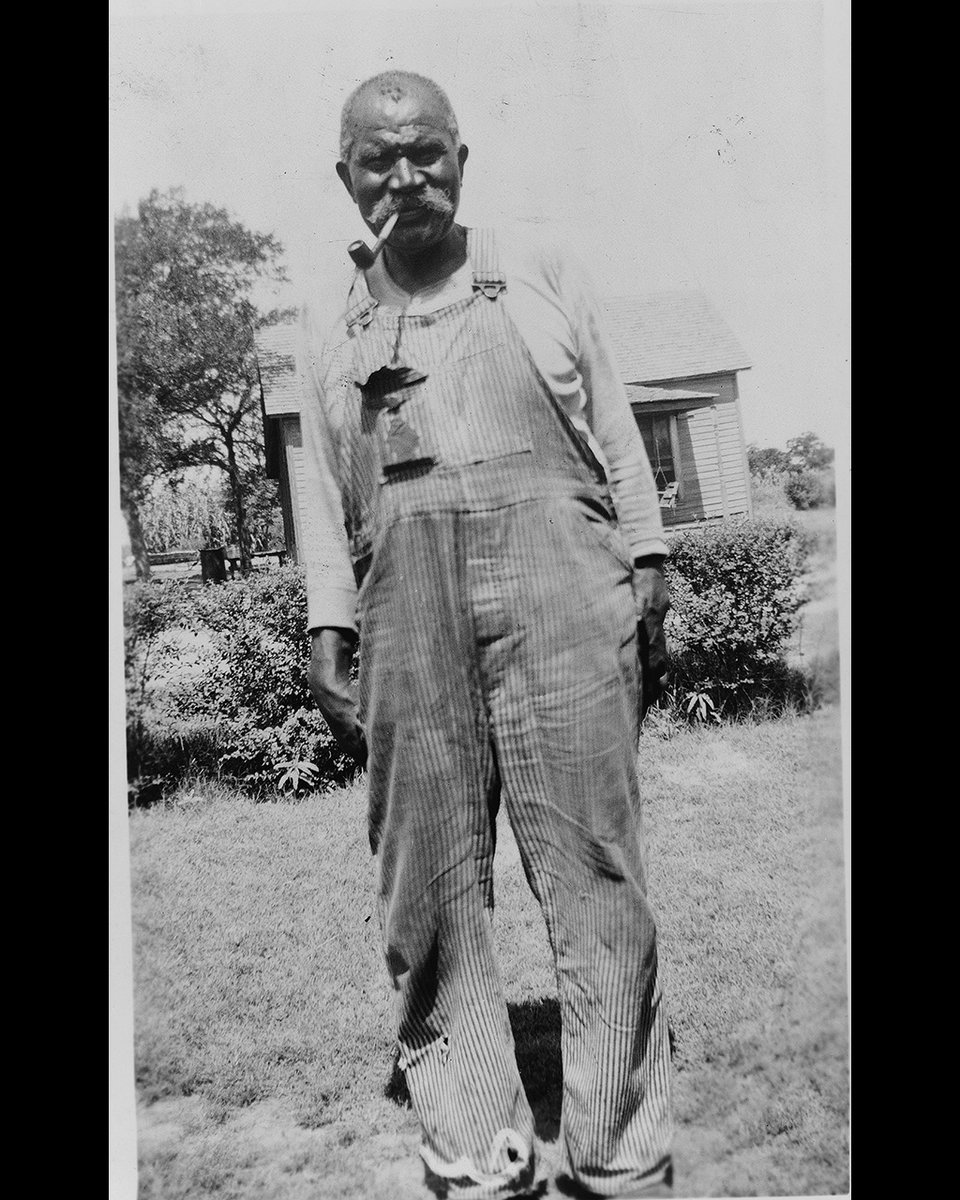
The Texas Quote of the Day is the testimony of ex-slave James Cape, who was more than 100 years old when he was interviewed in Fort Worth in 1937. It is written in his vernacular:
"“I’s bo’n in yonder southeast Texas and I don’ know what month or de year for sho’, but ‘twas more dan 100 years ago. My mammy and pappy was bo’n in Africa, dats what dey’s tol’ me. Dey was owned by Marster Bob Houston and him had de ranch down dere, whar dey have cattle and hosses.
“When I’s old ‘nough to set on de hoss, dey larned me to ride, tendin’ hosses. ‘Cause I’s good hoss rider, dey uses me all de time gwine after hosses. I goes with dem to Mexico. We crosses de river lots of times. I ‘members once when we was a drivin’ ‘bout 200 hosses north’ards. Dey was a bad hail storm comes into de face of de herd and dat herd turns and starts de other way. Dere was five of us riders and we had to keep dem hosses from scatterment. I was de leader and do you know what happens to me if my hoss stumbles? Right dere’s whar I’d still be! Marster give me a new saddle for savin’ de hosses.
“One day Marster Bob comes to me and says, ‘Jim, how you like to jine de army?’ You see, de war had started. I says to him, ‘What does I have to do?’ And he says, ‘Tend hosses and ride ‘em.’ I was young den and thought it would be lots of fun, so I says I’d go. So de first thing I knows, I’s in de army away off east from here, somewhar dis side of St. Louis and in Tennessee and Arkansas and other places. I goes in de army ‘stead of Dr. Carroll.
“After I gits in de army, it wasn’ so much fun, ‘cause tendin’ hosses and ridin’ wasn’ all I does. No, sar, I has to do shootin’ and git shooted at! One time we stops de train, takes Yankee money and lots of other things off dat train. Dat was way up de other side of Tennessee.
“You’s heard of de battle of Independence? Dat’s whar we fights for three days and nights. I’s not tendin’ hosses dat time. Dey gives me a rifle and sends me up front fightin’, when we wasn’ running’. We does a heap of runnin’ and dat suits me. I could do dat better’n advance. When de order comes to ‘treat, I’s all ready.
“I gits shot in de shoulder in dat fight and lots of our soldiers gits killed and we loses our supply, jus’ leaves it and runs. ‘Nother time we fights two days and nights and de Yankees was bad dat time, too, and we had to run through de river. I sho’ thought I’s gwine git drowned den. Dat’s de time we tries to git in St. Louis, but de Yankee mans stop us.
“I’s free after de war and goes back to Texas, to Gonzales County, and gits a job doin’ cowboy work for Marster Ross herdin’ cattle. And right dere’s whar I’s lucky for not gittin’ in jail or hanged. It was dis way: I’s in town and dat man, Ross, says to me, ‘I unnerstan’ you’s a good cowhand,’ and he hires me and takes me way out. No house for miles ‘fore we comes to de ranch with cattle and I goes to work. After I’s workin’ a while, I wonders how come dey brings in sich fine steers so often and I says to myself, ‘Marster Ross mus’ have heaps of money for to buy all dem steers.’ Dey pays no ‘tention to de raisin’ of cattle, jus’ brings ‘em in and drives dem ‘way.
“One time Marster Ross and six mens was gone a week and when dey comes back, one of ‘em was missin’. Dey had no steers dat time and dey talks ‘bout gittin’ frusterated and how one man gits shot. I says to myself, ‘What for was dey chased and shot at?’ Den I ‘members Marster Bob Houston done tol’ me ‘bout rustlers and how dey’s hanged when dey’s caught, and I knows den dat’s how come all dem fine steers is driv in and out all de time. But how to git ‘way, dere’s de puzzlement. I not know which way to go and dere’s no houses anywhere near. I keeps gittin’ scarter, and ever’ time somebody comes, I thinks its de law. But Marster Ross drives de cattle north and I says to him, ‘I’s good hand at de drive. Kin I go with you nex’ time you goes north?’ And not long after dat we starts and we gits to Kansas City. After Marster Ross gets shut of de critters, he says. ‘We’ll res’ for couple days, den starts back.’ I says to me, ‘Not me.'
“I sneaks ‘way and was settin’ on a bench when ‘long comes a white man and he’s tall, had dark hair and was fine lookin’. He says to me, ‘Is you a cowhand?’ So I tells him I is, and he says he wants a hand on his farm in Missouri and he says, ‘Come with me.’ He tells me his name was James and takes me to his farm whar I tends cattle and hosses for three years and he pays me well. He gives me more’n I earns. After three years I leaves, but not ‘cause I larned he was outlaw, ‘cause I larned dat long time afterwa’ds. I’s lonesome for Texas and dat’s how I comes to Fort Worth and here’s whar I’s stayed ever’ since.
“I’s married ‘bout 40 years ago to a woman dat had eight chillens. We sep’rated ‘cause dem chillens cause arg’ments. I can fight one, but not de army."
Shown here: James Cape on June 5, 1937
A married couple in front of the San Augustine County courthouse, 1943. Aren't they fabulous? Such great faces! They look like they've been through a lot together, perhaps some tough times during the Great Depression, and are still hanging on. She looks like the kind of woman who could make a mean sweet potato pie and he looks like the kind of man who could fix just about anything. Also, they kind of remind me of two famous people, actors maybe, but I can't figure out who. Any suggestions?
Lorie is at the Chisholm Trail Expo in Enid Oklahoma with her homemade bread and pecan pies. Also her pretzels. Go by and say hi to her on Saturday and Sunday
The Arcane Texas Fact of the Day: Did you know that you can visit East Texas without ever crossing into the Lone Star State? It's true. East Texas is a community in Pennsylvania's Lehigh Valley, just a short distance southwest of Allentown. It's also fewer than 20 miles from New Jersey. That strikes me as a bit too close. 😀
I kid, I kid! Just tweaking my cousins who live in New Jersey.
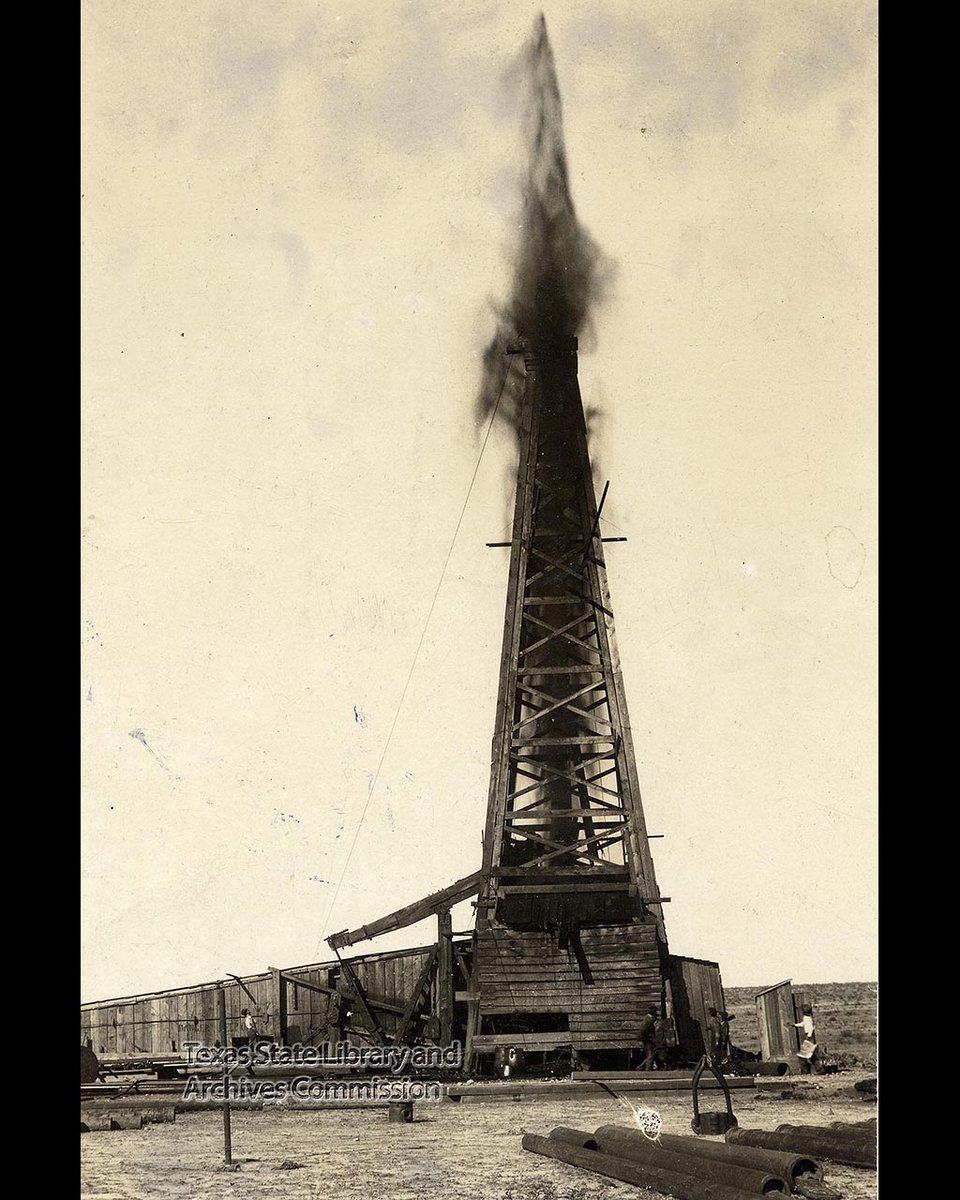
The Texas Quote of the Day needs just a tiny bit of background. After the McClesky No. 1 oil well in Ranger, Texas spudded in on October 21, 1917, and turned Ranger into a boomtown, speculators tried to buy up the rights to drill everywhere in Eastland County. One group even offered 100 thousand dollars to the Baptist Church at nearby Merriam for the rights to drill in its cemetery. A nameless poet wrote the church's response, which is the Texas Quote of the Day:
"All of the oildom knew the answer
When the chairman shook his head.
Pointing past the oilmen
At the city of the dead.
"Why disturb the weary tenants
In yon narrow strip of sod?
'Tis not ours, but theirs ---
The title vested by the word of God.
We, the Board, have talked it over,
Pro and con without avail.
We reject your hundred thousand.
Merriam is not for sale."
Shown here: The McClesky No. 1 oil well comes roaring in, 1917. When this happened, the area around Ranger/Eastland/Cisco went nuclear with business activity overnight.
Photo courtesy the awesome folks at the @TSLAC
This photo of Desdemona, Texas during its short-lived oil boom is big, clear and spectacular. In September 1918 a 2,000-barrel discovery well blew in at 2,960 feet near Desdemona (which was frequently called Hog Town in those days). Unlike the oilfield in nearby Ranger, Desdemona was a small operator's field. Production reached a peak of 7,375,825 barrels in 1919, and then dropped precipitously, mainly because of overdrilling. But look at the details here. The signage, the flimsy buildings etc ... Too great!