crypto marketing is getting harder. and no, it's not just lack of data or lack of marketers.
the harsh reality? we're fighting for a shrinking piece of attention in an exploding ecosystem. the audience has fractured into micro-communities across chains, niches, and regions. many retail investors who got burned have simply disappeared.
meanwhile, the competitive landscape has exploded:
- endless wallets fighting for the same users
- interoperability solutions solving the same problems
- perp dexs battling for the same traders
- chain abstraction projects chasing the same vision
we've gone from monolithic → modular → app chains → purpose chains in just a few years. everyone's fighting to differentiate while targeting an audience that keeps shrinking.
shortened paths to liquidity have attracted the wrong builders – those with no purpose beyond extracting value. they've got marketing budgets that drown out the signal from teams building genuinely revolutionary tech.
traditional marketing wisdom says you need:
- a clear why (what you're building and why it matters)
- competitive positioning (why you're better)
- audience understanding (who needs this)
but the space moves so fast that all three are constantly shifting. marketers need technical partners more than ever just to craft messaging that makes sense.
what's actually working now:
- founder-led communications (authentic voices cut through noise)
- white-glove onboarding (literally in dms and at conferences)
- grassroots campus efforts (the next generation is learning differently)
- experimental content formats (the standard crypto tweet thread is dead)
we love our logo partnerships, but let's be honest – we're all fighting for the same limited attention.
founders who tweet about token prices have the wrong incentive structure and will leave or go insane. founders who publicly buy their own token to support price/sentiment are likely to get rekt.
the projects that survive will be those that realize marketing isn't optional – it's existential. the audience is getting better at spotting value-extractors, and eventually only products that genuinely improve lives will remain.
the rest? just more crypto history nobody will remember.
@VonBurkans@Plasma You are right, that rate can vary from currency to currency. will add the option to specify.
on platinum plasma won’t add any extra fx fees, only visa conversion fee (core has 0.5% on top)
A lot of eyes on the Platinum tier in @Plasma One and if it's worth it or not.
I decided to make a dashboard so anyone can easily calculate whether locking plasma:native makes sense. Also includes a hedge trade.
Will add more stuff later
https://t.co/8mfbkPsJr1
A lot of eyes on the Platinum tier in @Plasma One and if it's worth it or not.
I decided to make a dashboard so anyone can easily calculate whether locking plasma:native makes sense. Also includes a hedge trade.
Will add more stuff later
https://t.co/8mfbkPsJr1
I’ve been thinking about why crypto neobanks rarely use the old-school bank CAC of physical gifts.
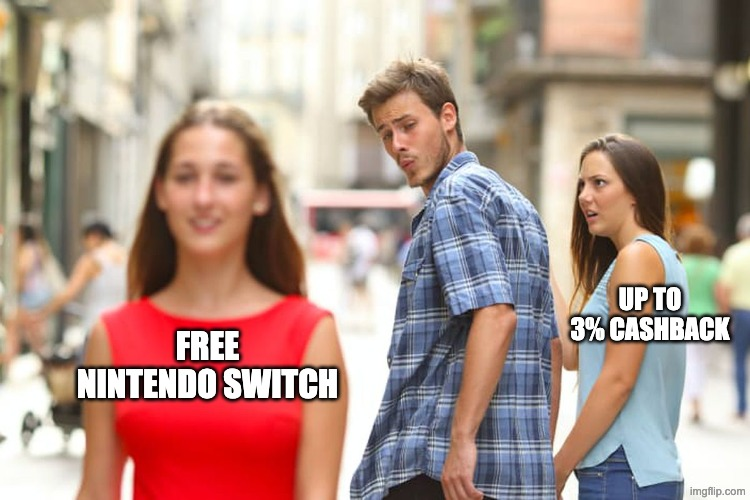
At Standard Chartered, I can open the right account or card and get a free iPad, Nintendo Switch, discounted flights, straight up cash, whatever.
Then you look at crypto cards, and the offer is usually some mix of cashback, FX fees, staking tiers, token rewards and standard Visa benefits.
A free iPad is instantly understood. A 3% cashback tier with conditions is something you have to calculate.
Legacy banks can afford simple physical rewards because one customer can be monetized across deposits, lending, FX, wealth, insurance and cards. There is a whole margin machine behind the promo.
Crypto neobanks like @Plasma, @ether_fi, @gnosispay usually run on thinner margins.
→ less balance sheet
→ fewer revenue channels
→ more pressure on paid tiers, tokenomics, card fees, reward mechanics etc.
At the same time their user base is - by nature - more financially engaged. (they had to get over crypto's entry to barrier first)
→ more likely to compare details
→ harder to subsidize with simple upfront rewards.
So the funny result is: the products became easier to launch, but the customers became harder to subsidize.
>>
Bonus point: the users you acquire through simple physical rewards are probably also better fee customers.
They are less likely to optimize, and low attention becomes another revenue stream.
(Basically the Klarna model)
A lot of eyes on the Platinum tier in @Plasma One and if it's worth it or not.
I decided to make a dashboard so anyone can easily calculate whether locking plasma:native makes sense. Also includes a hedge trade.
Will add more stuff later
https://t.co/8mfbkPsJr1