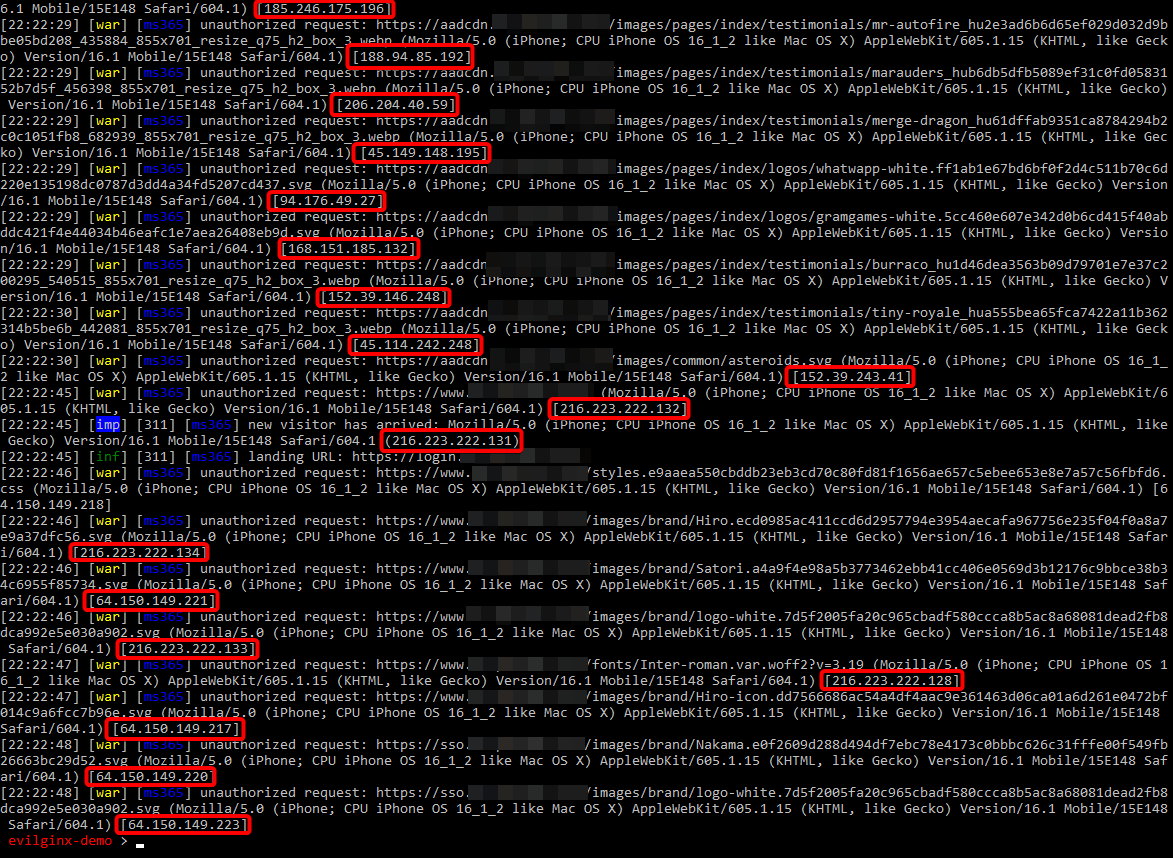
This screenshot shows how external bots try to scan a phishing page, hosted by Evilginx Pro.
Every request is made from a different IP address, which ultimately proves that IP blacklisting is dead as a method to block scanners.
JA4 & browser telemetry analysis is the way to go.
Exciting news! 🚀 Just dropped my blogpost unveiling the universal Linux kernel LPE PoC for CVE-2024-1086 (working on v5.14 - v6.7) used for pwning Debian, Ubuntu, and KernelCTF Mitigation instances, including novel techniques like Dirty Pagedirectory 🧵
https://t.co/zFimVzjgYB
In this post I'll use CVE-2023-6241, a vulnerability in the Arm Mali GPU that I reported last November to gain arbitrary kernel code execution from an untrusted app on a Pixel 8 with MTE enabled. https://t.co/Flsas2jJtv
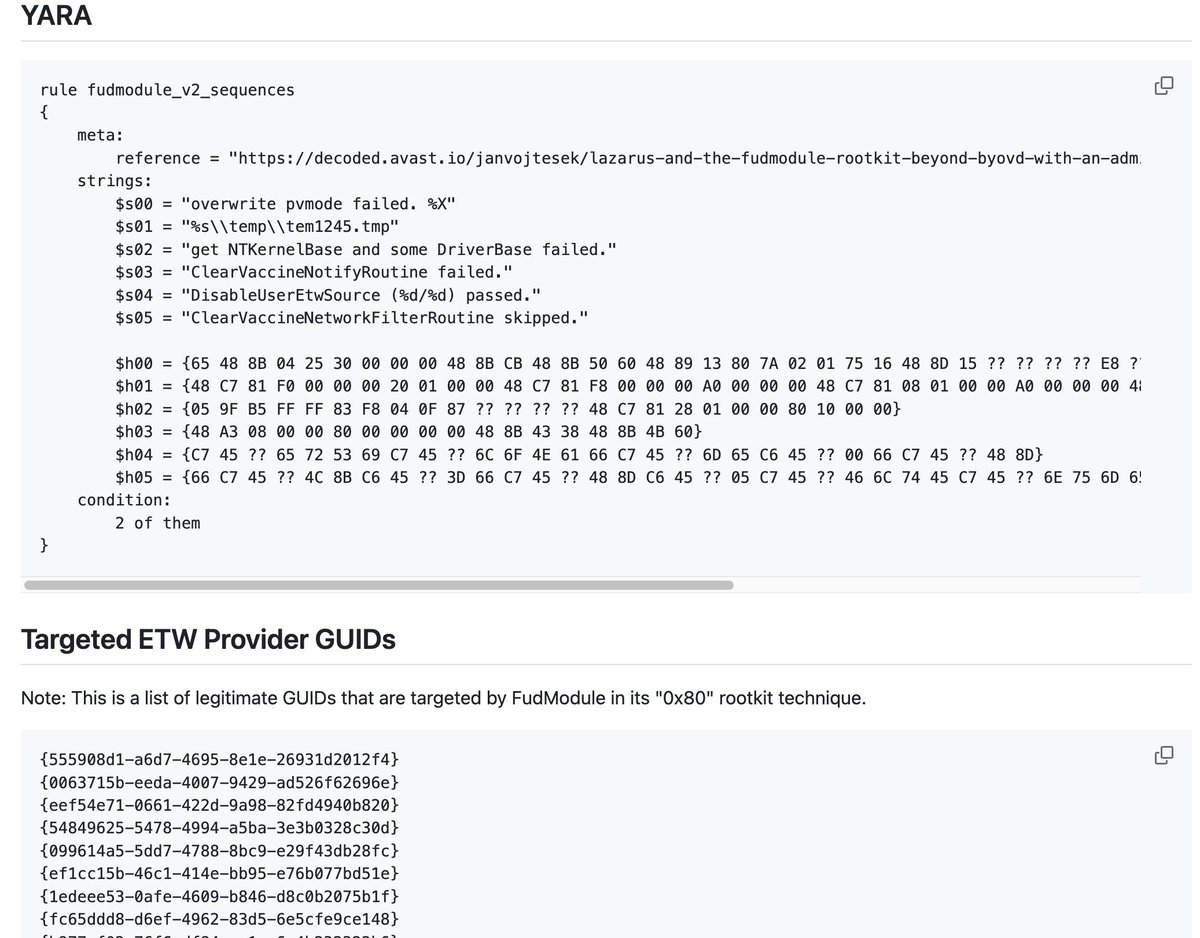
#Lazarus exploited a flaw in the Windows AppLocker driver (appid.sys) as a zero-day to gain kernel-level access and turn off security tools.CVE-2024-21338
Beyond BYOVD with an Admin-to-Kernel Zero-Day
https://t.co/irFNz3Dntt
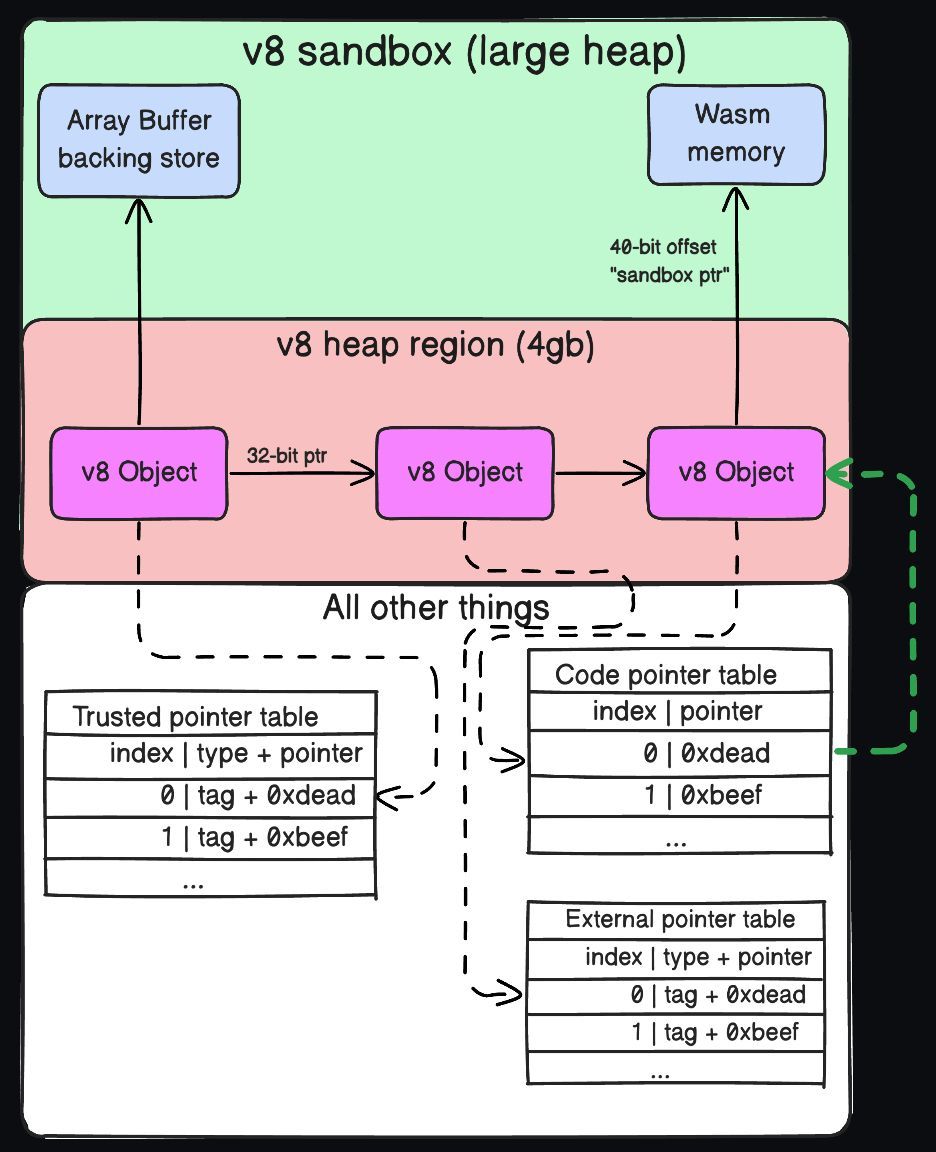
(CVE-2023-6702)[1501326][$16000][promises, async stack traces]Type Confusion in V8 is now open with a PoC:
https://t.co/9AKdB5oc3A
This vulnerability has existed since the `Promise.any` function was introduced.
https://t.co/z8AQbmsGAF
PoC:
./d8 poc.js
https://t.co/O2rMGbEbmf
Short blog post introducing how to add psuedo-syscalls and struct definitions to Syzkaller for Linux kernel vulnerability research
Credits @notselwyn
https://t.co/7KmyUzud5H
#Linux#cybersecurity





![xvonfers's tweet photo. (CVE-2023-6702)[1501326][$16000][promises, async stack traces]Type Confusion in V8 is now open with a PoC:
https://t.co/9AKdB5oc3A
This vulnerability has existed since the `Promise.any` function was introduced.
https://t.co/z8AQbmsGAF
PoC:
./d8 poc.js
https://t.co/O2rMGbEbmf https://t.co/ZhLh8apGfK](https://pbs.twimg.com/media/GG9iaGsWEAAZTfX.jpg)





