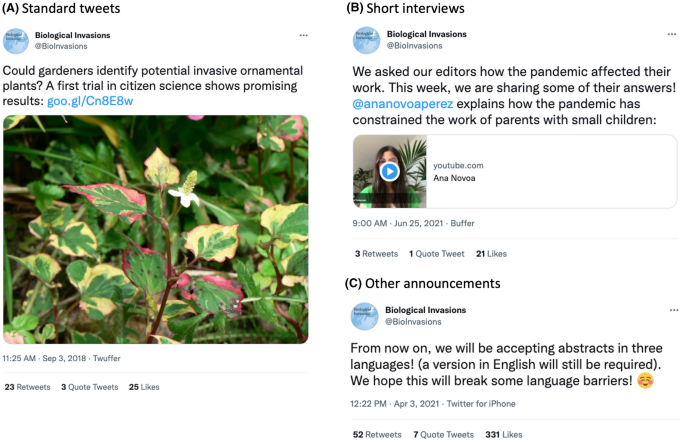
Wondering what we have been up to for the last 5 years? Check out our new publication! :)
https://t.co/vXqdZUBfNb
@ananovoaperez @SuzyCanavan @drdeahlieurance @DSimberloff@lameyerson
A little teaser: Responses are currently more diverse than I would have expected 🤓
If you work #invasionscience, pls take part (& retweet 🙂) in my survey on defining an #alienspecies where uncertainty remains on how it arrived in its new habitat 🐟🇮🇸
#invasivespecies
link ⬇️
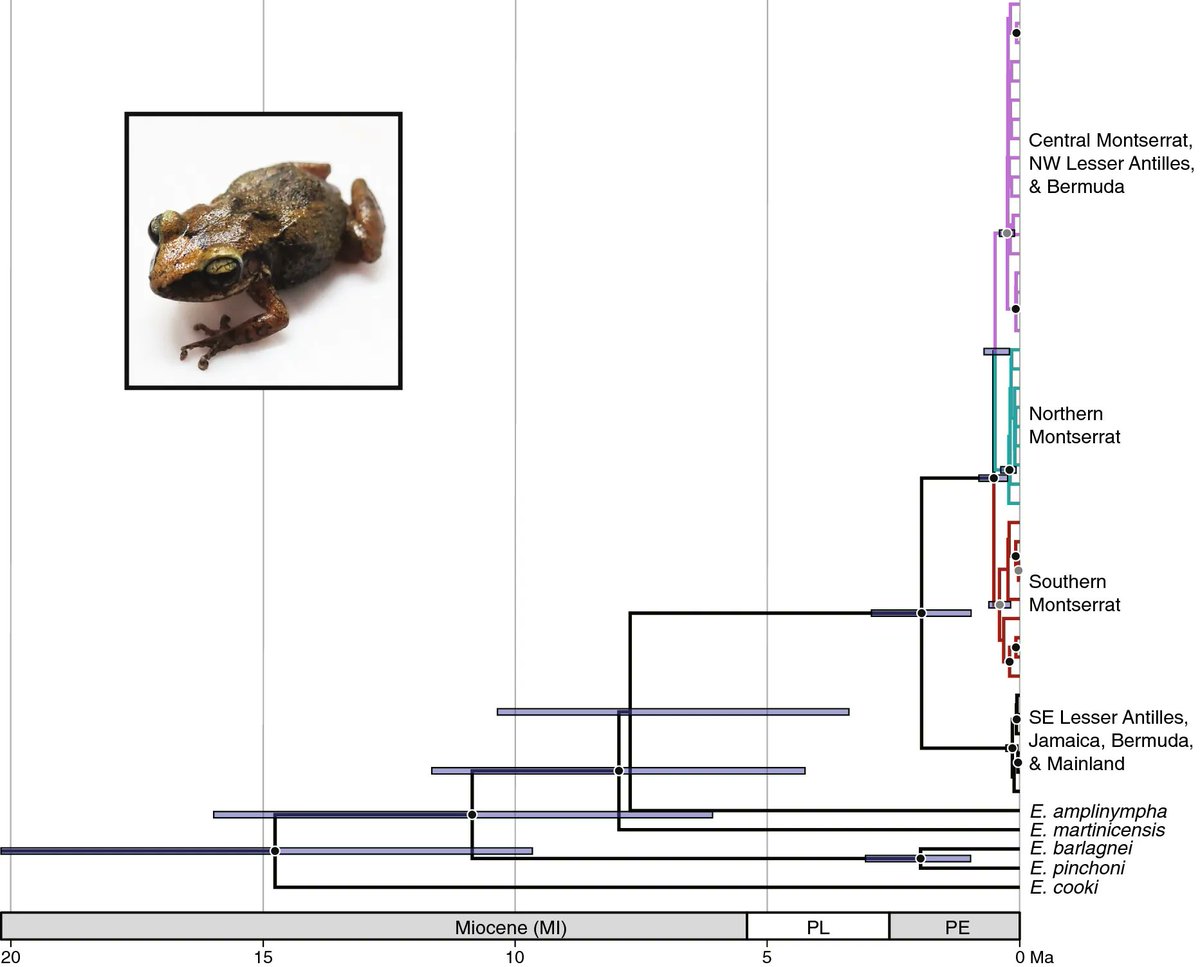
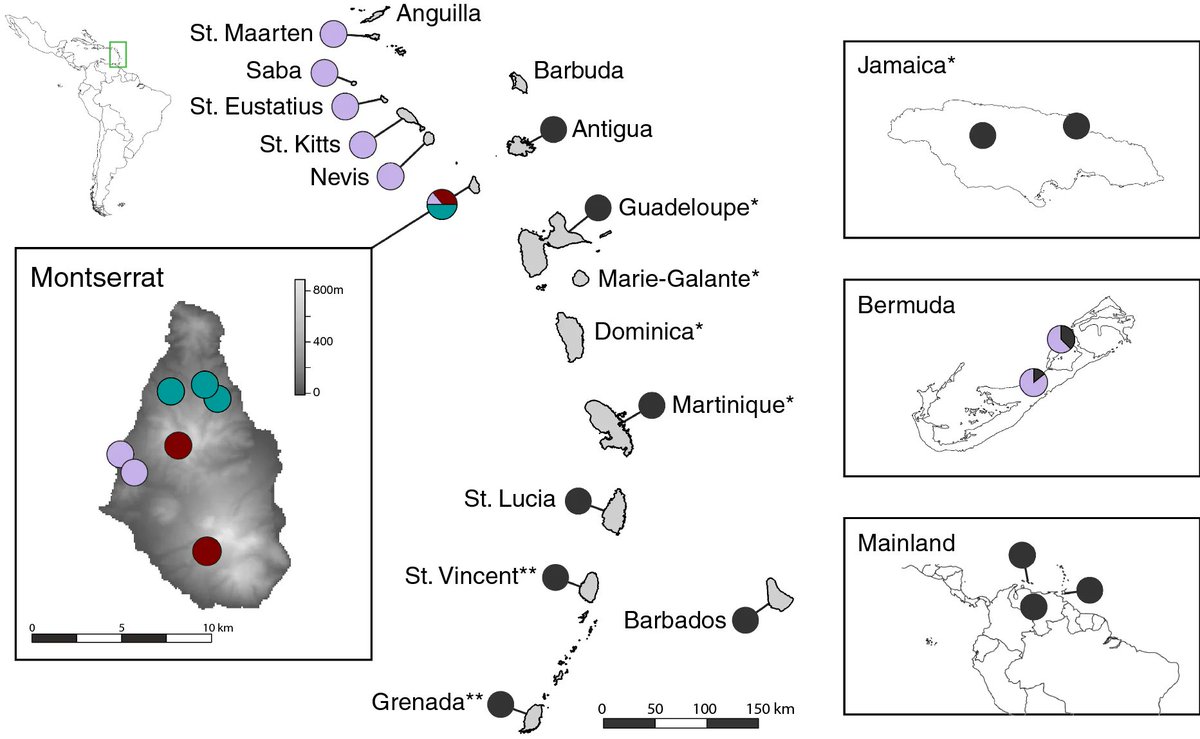
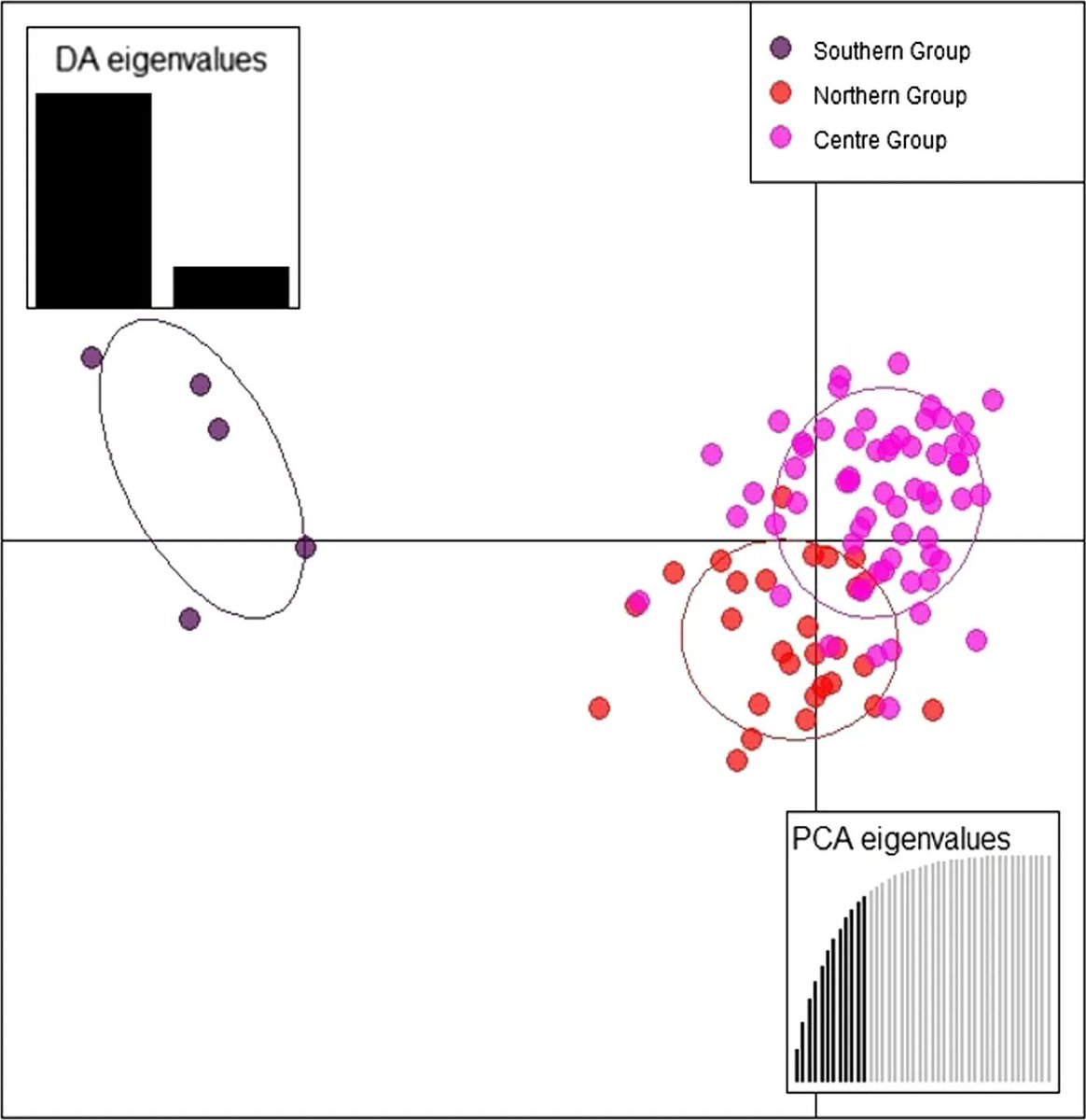
The widespread and commonly introduced Caribbean frog Eleutherodactylus Johnstone, with a previously unknown native range, is endemic to Montserrat: https://t.co/EzvwmCUdGb
@MichaelLYuan
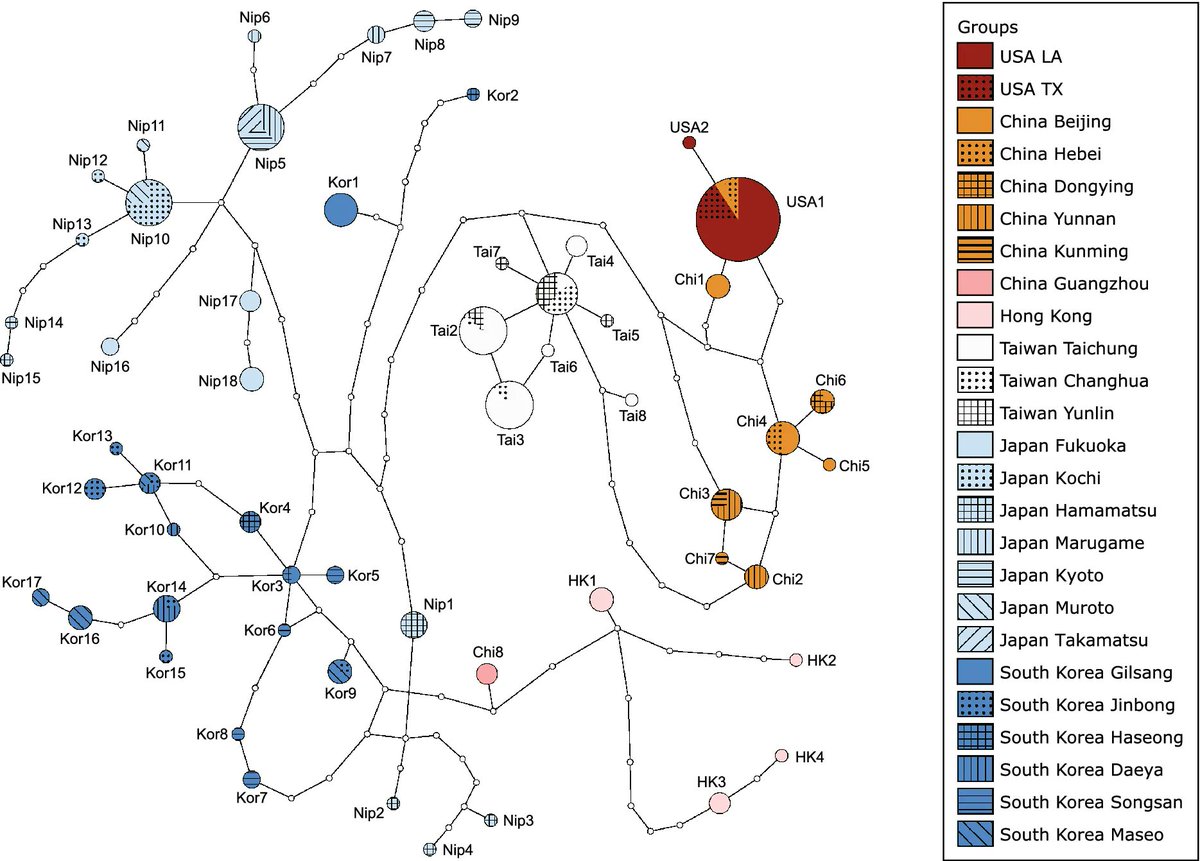
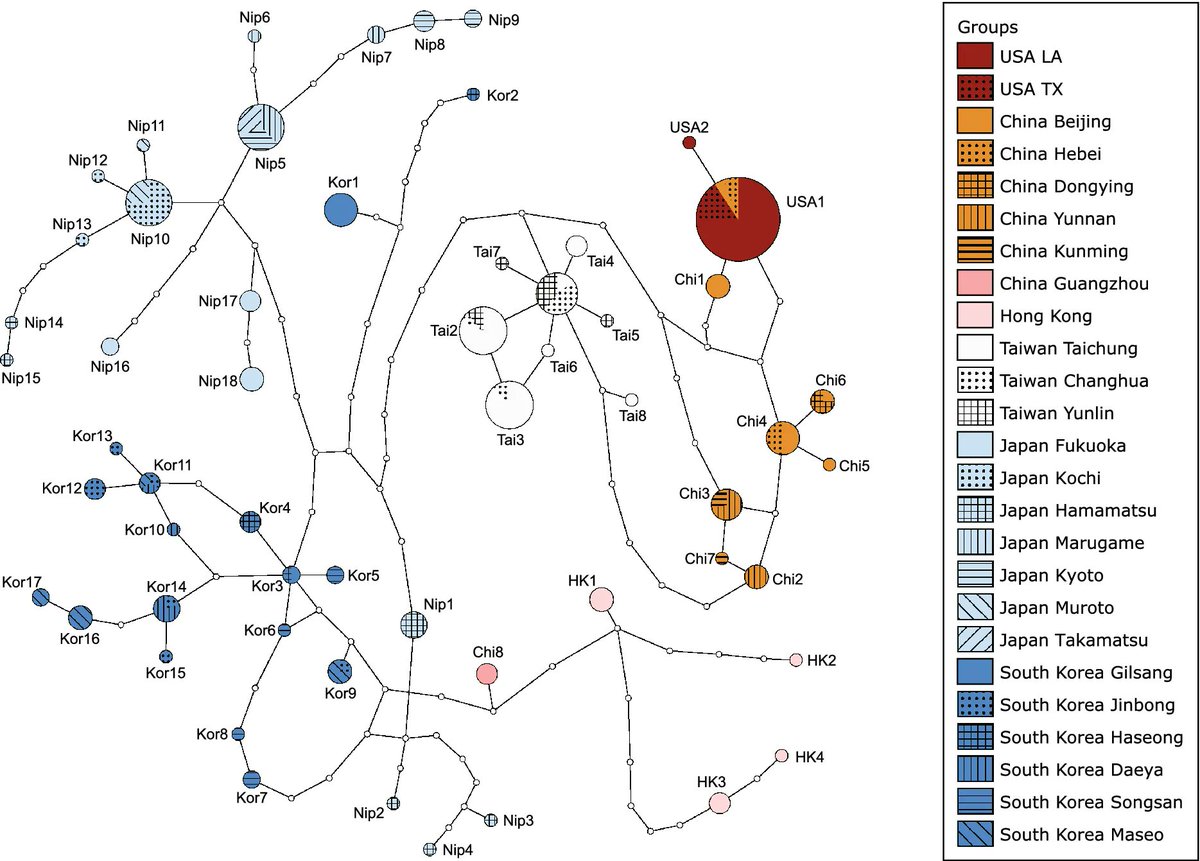
Haplotype data and niche modeling point to the origins of Roseau cane scale in the United States and focus the search for biocontrol agents: https://t.co/NL4UzkbmaN
@USDA_ARS
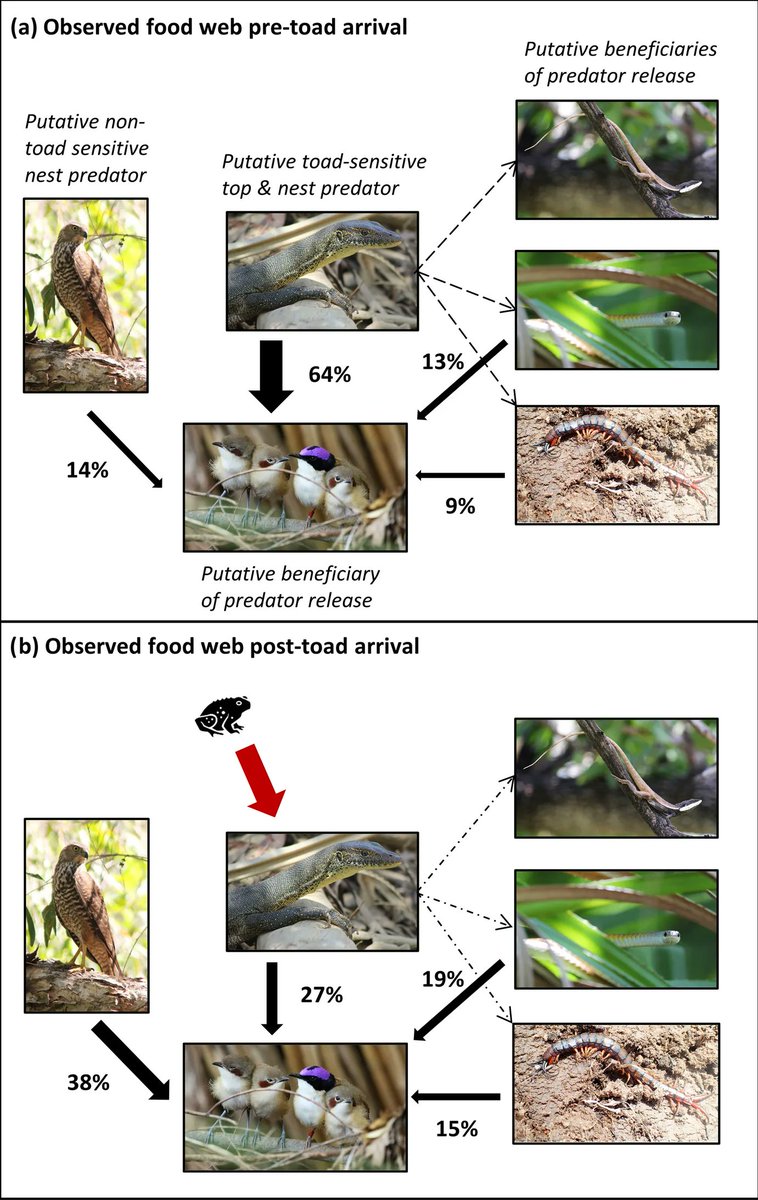
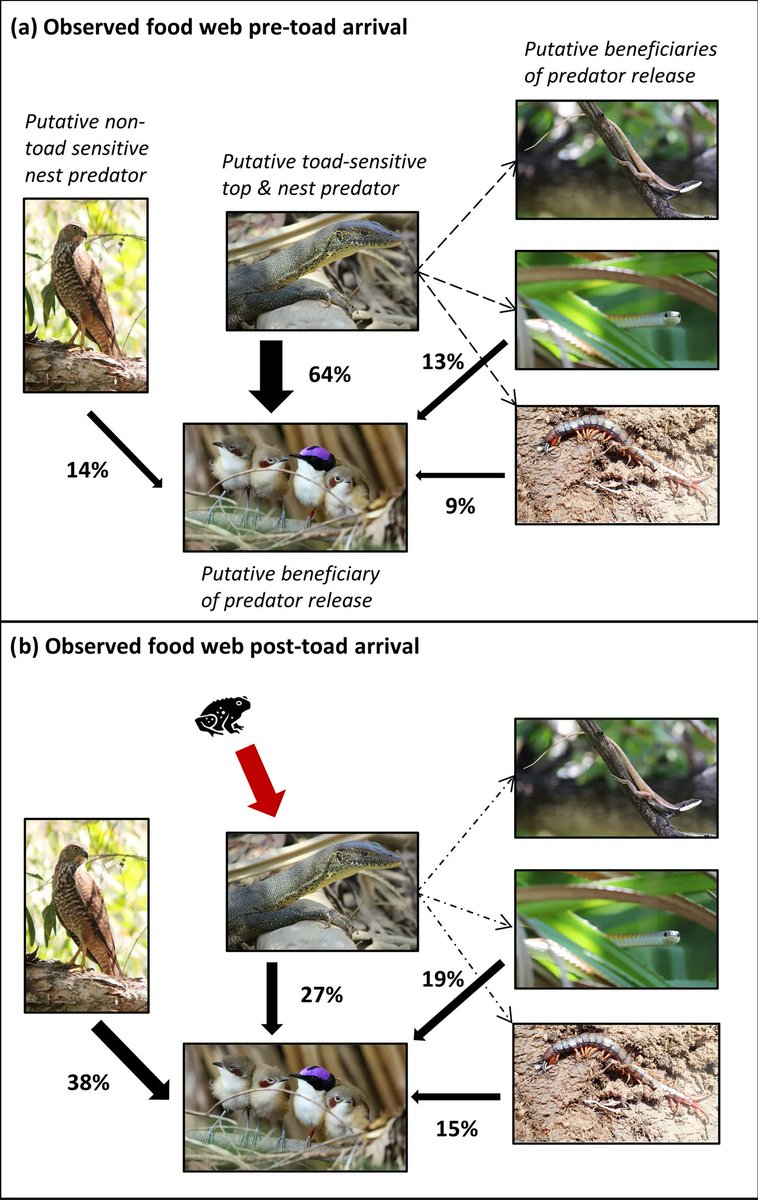
Decreased abundance of top predators due to invasive toads, unexpectedly, does not facilitate prey, due to niche takeover by other predators:https://t.co/jzY7px84Cw
@NikiTeunissen
A widespread and commonly introduced Caribbean frog with a previously unknown native range is endemic to Montserrat: https://t.co/EzvwmCUdGb
@MichaelLYuan
Haplotype data and niche modelling point to the origins of Roseau cane scale in the United States and focus the search for biocontrol agents: https://t.co/NL4UzkbmaN
@USDA_ARS
The abundance of top predators can decrease as a response to toad invasions. But this does not necessarily facilitate prey, due to niche takeover by other predators: https://t.co/jzY7pwQtKY
@NikiTeunissen
Distinct leaf morphological and physiological traits compared to co-occurring native species may increase the chances of invasion success: https://t.co/RAyttFc0wk
@Mohamad_IPS
Using national monitoring schemes to investigate impacts of invasive species - what are the main considerations and limitations? https://t.co/lzRTMEeJ7j
@HenPringle; @_BTO