Official Twitter of peer-reviewed, open-access journal devoted to science & engineering of lignocellulosic materials, chemicals, & their applications. IF: 2.2
Have you nominated someone for the 2026 BioResources Early Career Investigator Award? Nominate an exceptional early-career colleague today!
More info 👉https://t.co/1IBmOg2moC
Accepting nominations till Nov. 15
#BioResJournal#EarlyCareer#ScienceAwards#MaterialsScience
Can olive oil waste help crops thrive?🌱
Olive pomace biochar–pectin gel retained 97.9% water-holding capacity & boosted early seedling growth.
Explore the findings: https://t.co/hKSqOSmxxC
#BioResJournal#Biochar#SustainableAgriculture#SoilHealth
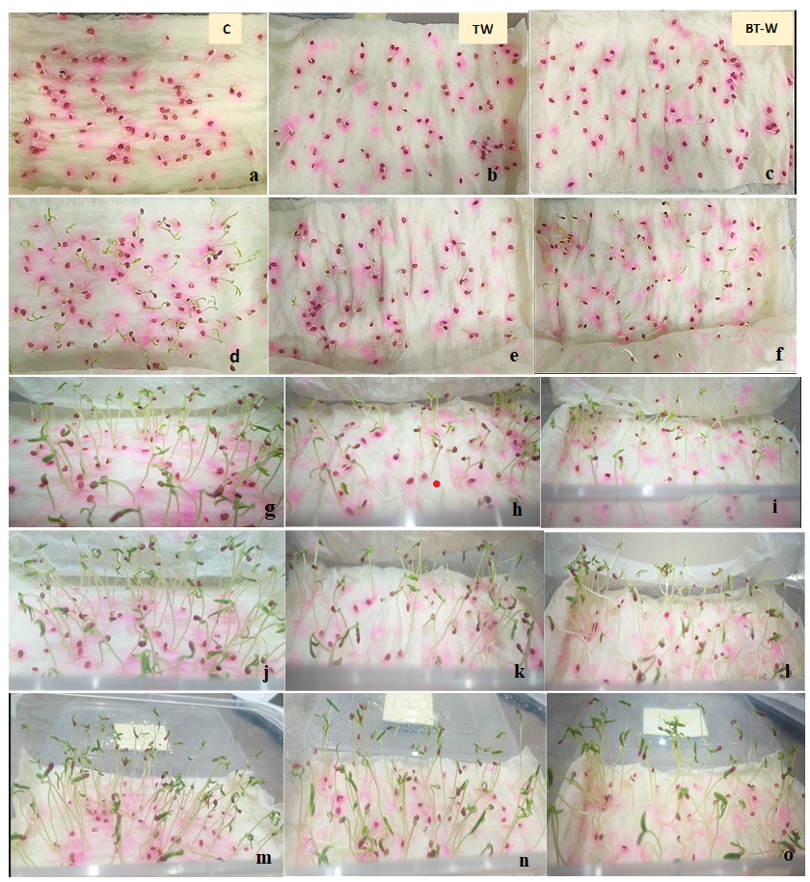
Textile #wastewater can harm plant growth—but bacterial biotreatment may offer a solution. A bacterial consortium removed ~86% COD & >80% TSS while reducing phytotoxicity in tomato seedlings.
Explore the findings: https://t.co/hEhSIePlG9
#Bioremediation#BioResJournal
Lignin could offer a natural route to UV protection. Shiyu Fu reviews how isolation methods & lignin structure influence UV absorption, highlighting its potential in sunscreen formulations.
👉https://t.co/xvMymLVGlA
#BioResJournal#Lignin#Sunscreen#Biomaterials#Cosmetics
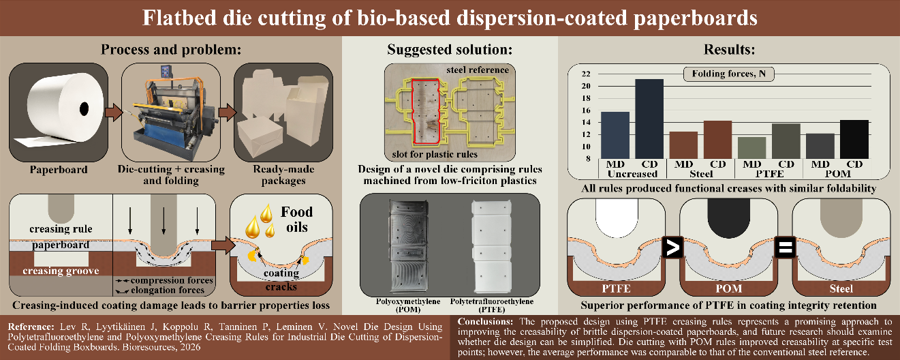
Can low-friction creasing protect food packaging? Lev et al. explores PTFE creasing rules that improve grease resistance in coated paperboards.
Read more: https://t.co/RgFQ9qTycA
#BioResJournal#Packaging#Paperboard#SustainablePackaging
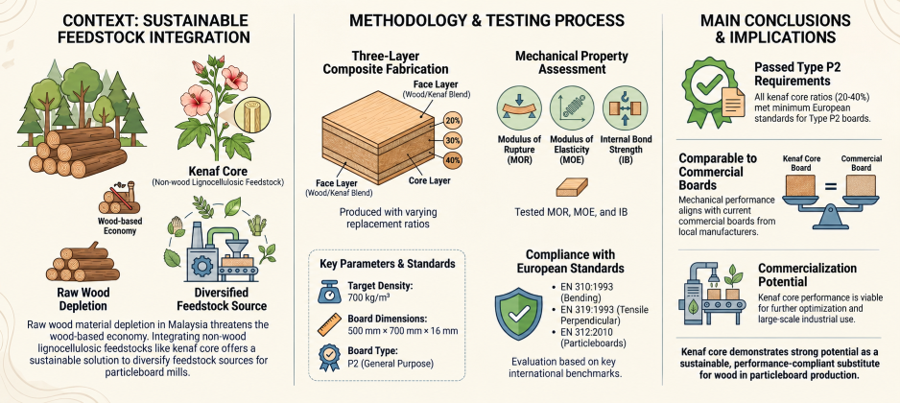
Can kenaf help diversify particleboard feedstocks?
Boards with 20–40% kenaf core met EN 312:2010 requirements for Type P2 particleboard, showing strong potential for commercialization.
🔗https://t.co/UzR4Bk11Sn
#BioResJournal#Particleboard#Kenaf#WoodComposites#Biomaterials
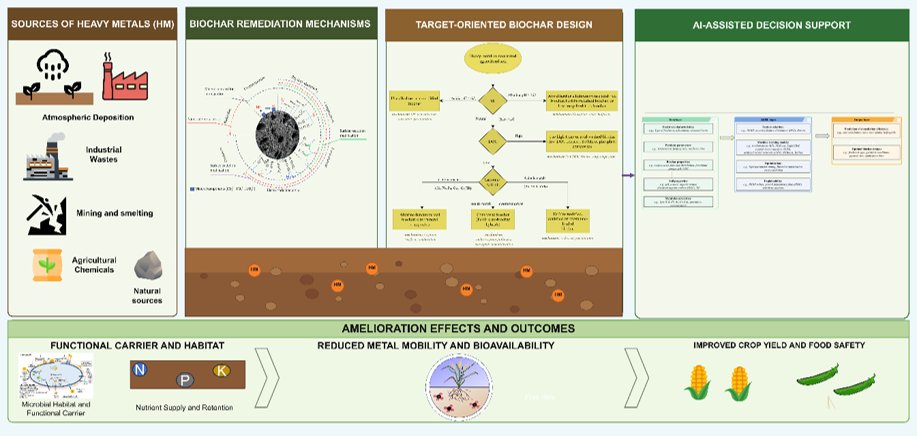
Biochar can immobilize #heavymetals—but performance varies. This review links remediation mechanisms to #biochar design, soil biology, & AI-assisted decision tools for more reliable, site-specific strategies.
Read more: https://t.co/f2pQ2iymEo
#BioResJournal#SoilRemediation
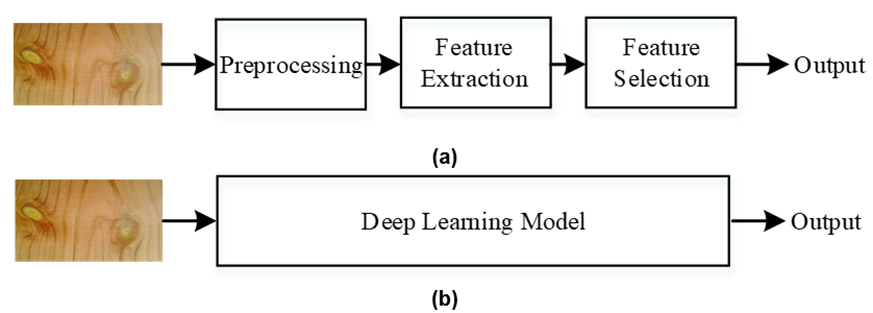
Reclaimed Greek juniper wood shows promising similarities in bending & parallel compression vs. fresh wood—but small samples limit conclusions.
@abdullahturer
Read the full paper: https://t.co/vU7Eel95PK
#WoodScience#TimberEngineering#BioResJournal
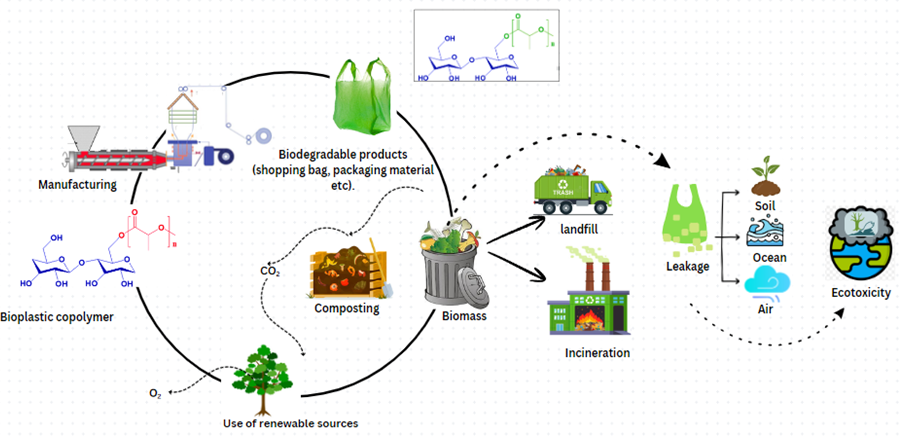
#Bioplastics help reduce plastic pollution?
This review examines PLA, PHA, PBS, starch & cellulose-based bioplastics, their applications, production methods, degradation products, & ecological toxicity.
https://t.co/libHZ4anUV
#BioResJournal#SustainableMaterials#CircularEconomy
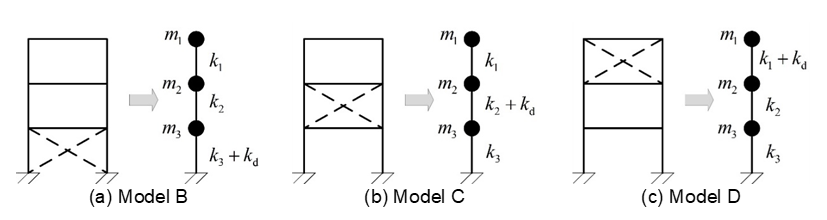
How can #timber frames better withstand earthquakes?
A numerical study shows that placing viscoelastic dampers at the bottom of the frame provides the greatest improvement in seismic performance.
https://t.co/lfbvwo7lpS
#SeismicDesign#WoodEngineering#StructuralEngineering
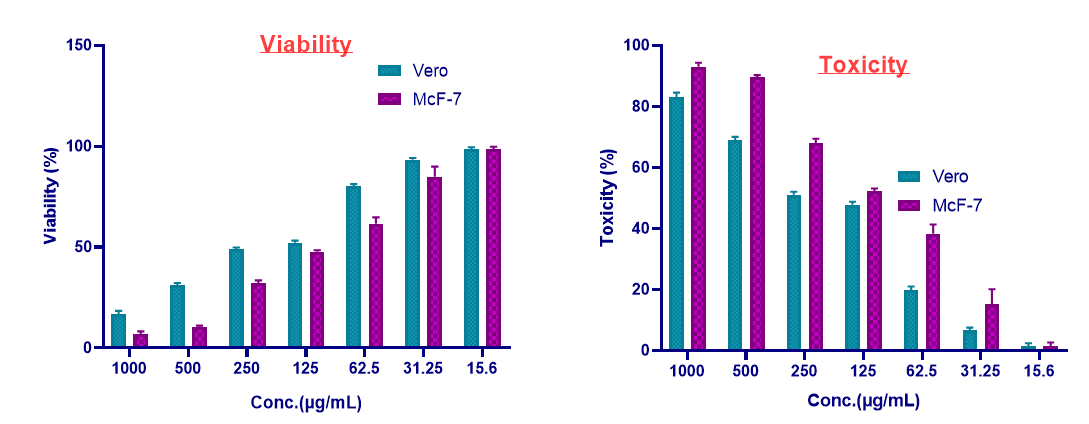
Green-synthesized AuNPs from L. camara leaf extract showed dose-dependent anticancer activity against KB oral cancer cells, inducing ROS & apoptosis + antibacterial activity against S. aureus & E. coli.
https://t.co/cnuubZV6pd
#BioResJournal#Nanotech#CancerResearch#GreenChem
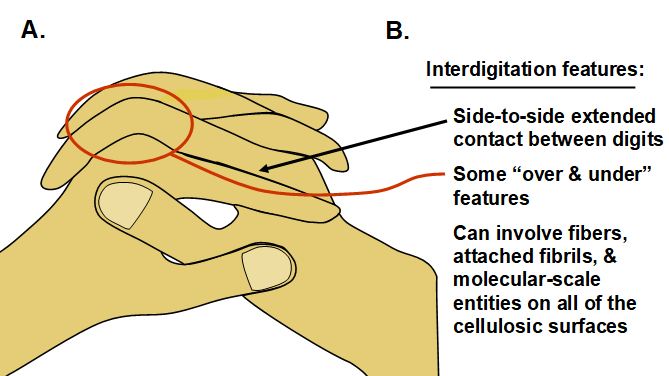
How does 3D fiber connectivity build paper strength?
This review by #BioResJournal Co-Editors et al. explores interdigitation in nanopaper & conventional sheets—& how #papermaking conditions shape it.
🔗https://t.co/AFaSbKxH48
#PaperScience#Nanocellulose@NCStateCNR
Turning CO₂ into methane!
A modified cattle-manure biochar boosted volumetric methane production by 19.8% and improved process stability—offering a promising route for renewable energy storage.
https://t.co/RUQOHc4kiX
#BioResJournal#Biogas#Bioenergy