Ilhan Omar faces serious questions about alleged immigration fraud spanning decades. Federal investigators raided her home, seized electronic devices and her passport, and are examining offenses dating back to 1980. Omar cries political persecution but allegations this serious demand immediate answers not political theater. She remains uncharged for now and the underlying evidence has not been publicly disclosed. What will happen? https://t.co/UsEK8mhlgd
Here is another reason to put down the junk food. Researchers reviewing 27 studies found that rats and mice switched from unhealthy diets to healthier food showed improvements in memory compared with animals that continued eating junk food. The strongest results involved high-fat diets. But recovery was not necessarily complete. And here is the important qualification. These were animal studies. Human memory recovery remains unproven. Nevertheless the research raises an intriguing possibility. What we eat may influence what we remember. https://t.co/6m9vNBEdsU
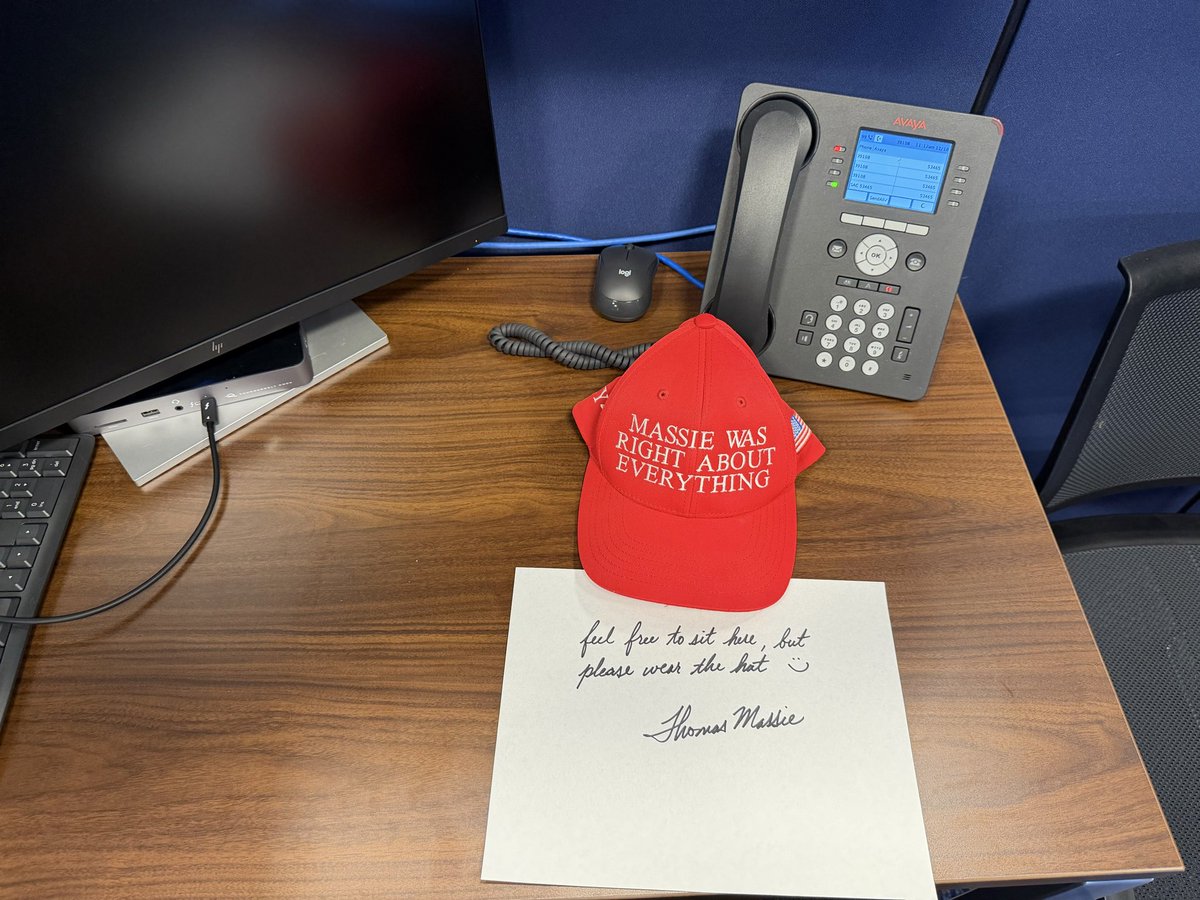
This is my new office in the basement! It’s half a cubicle, but I have an extra seat for one staffer. It’s traditional to kick non-returning members out of their offices early and ship them to this cubicle farm. The assumption is lame duck members just quit working… not me!
Thomas Massie just fired back at Mike Johnson for accusing him of exposing the Epstein files for “attention.”
“Did it get attention?”
“Damn right.”
“It got the attention of the billionaires.”
“It got the attention of royalty in Europe.”
“It got $32 million spent against me.”
“I won’t be coming back.”
“That’s why … I’m working as hard as I can until the end.”
“What attention did it draw?”
“Two dozen CEOs resigned in the face of these files.”
“The President of Harvard resigned.”
“Prince Andrew, well, we can’t call him that anymore.”
“We saw him lose his titles, his castles, and all of his special privileges.”
“We saw the British Ambassador to the United States … lose his job.”
“We saw the former Prime Minister of Norway indicted.”
“We saw the former Minister of Culture in France receive the same fate.”
“It wasn’t to get attention for me.”
“We got attention for the survivors.”
“They’d never been given an opportunity to speak together at the Capitol.”
“And we had the biggest press conference in the 14 years that I’ve been here.”
“Were we seeking attention for ourselves?”
“Hell no.”
“We were trying to get attention to the travesty of justice that those women had been dealt for decades.”
“It hasn’t drawn the attention of our own Attorney General, though.”
“No prosecutions.”
@RepThomasMassie
I’m sorry to say this… But America’s problem is that we have the worst people in our society leading the country.
They are incompetent, corrupt, arrogant, self-absorbed, & absolutely unintelligent.
I think everyone is starting to see it now…
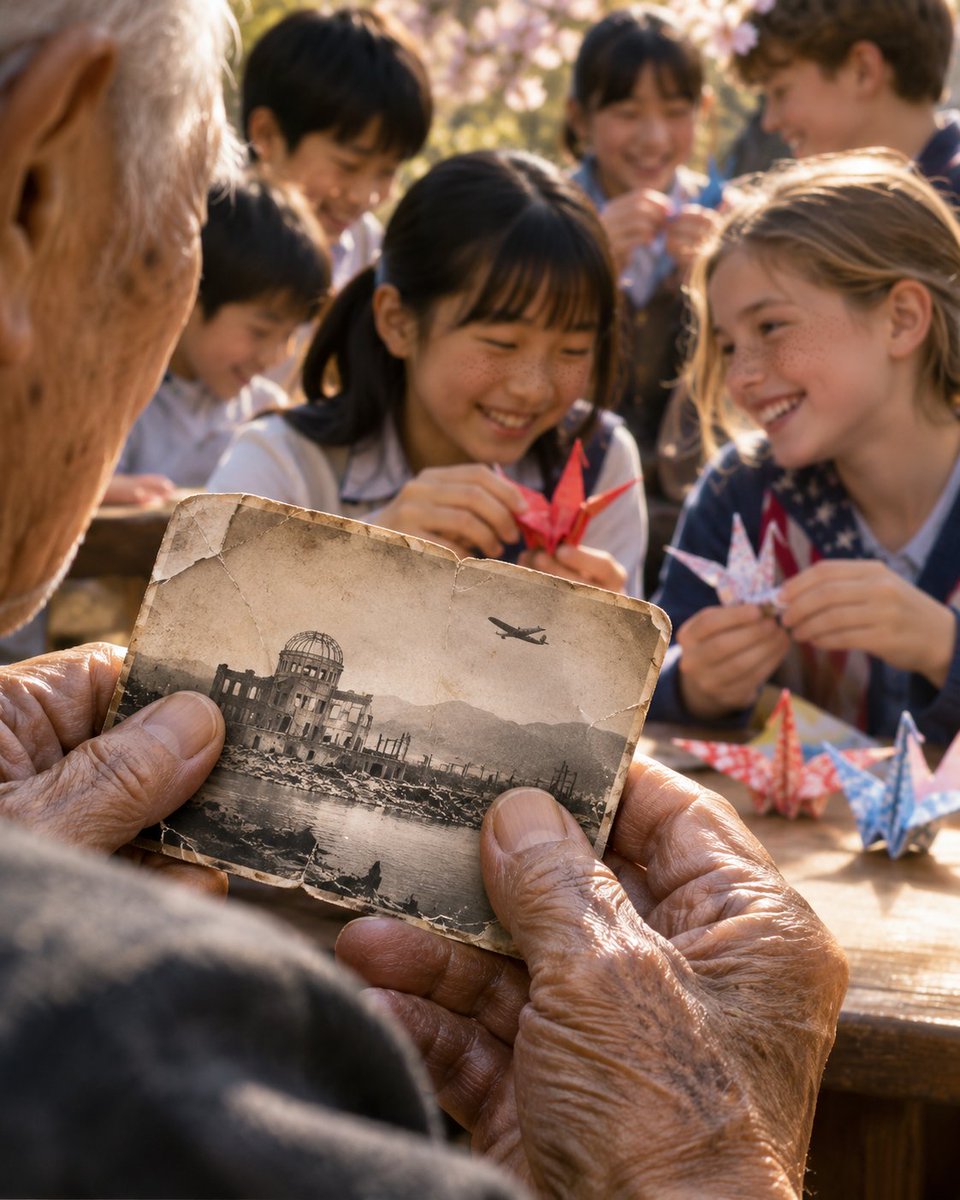
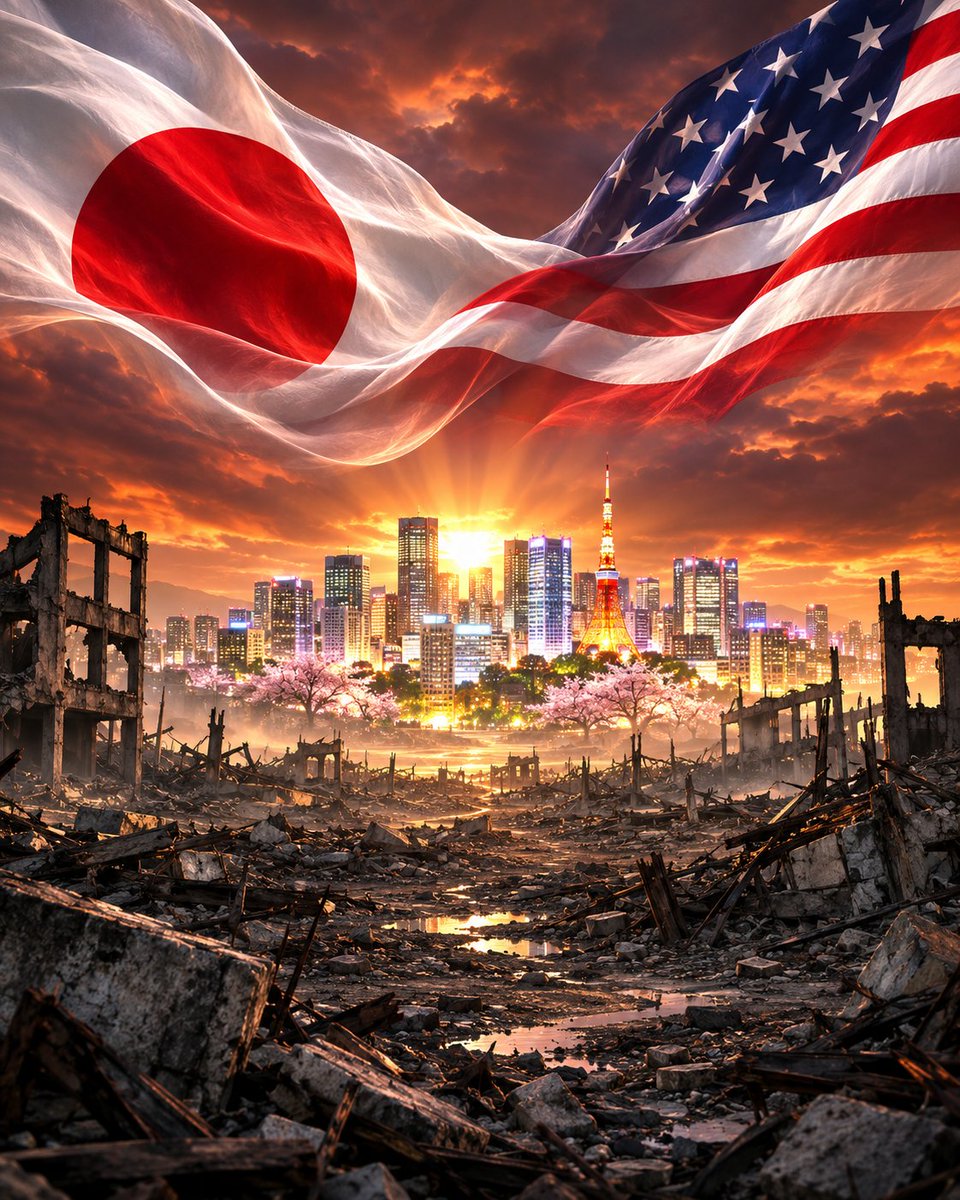
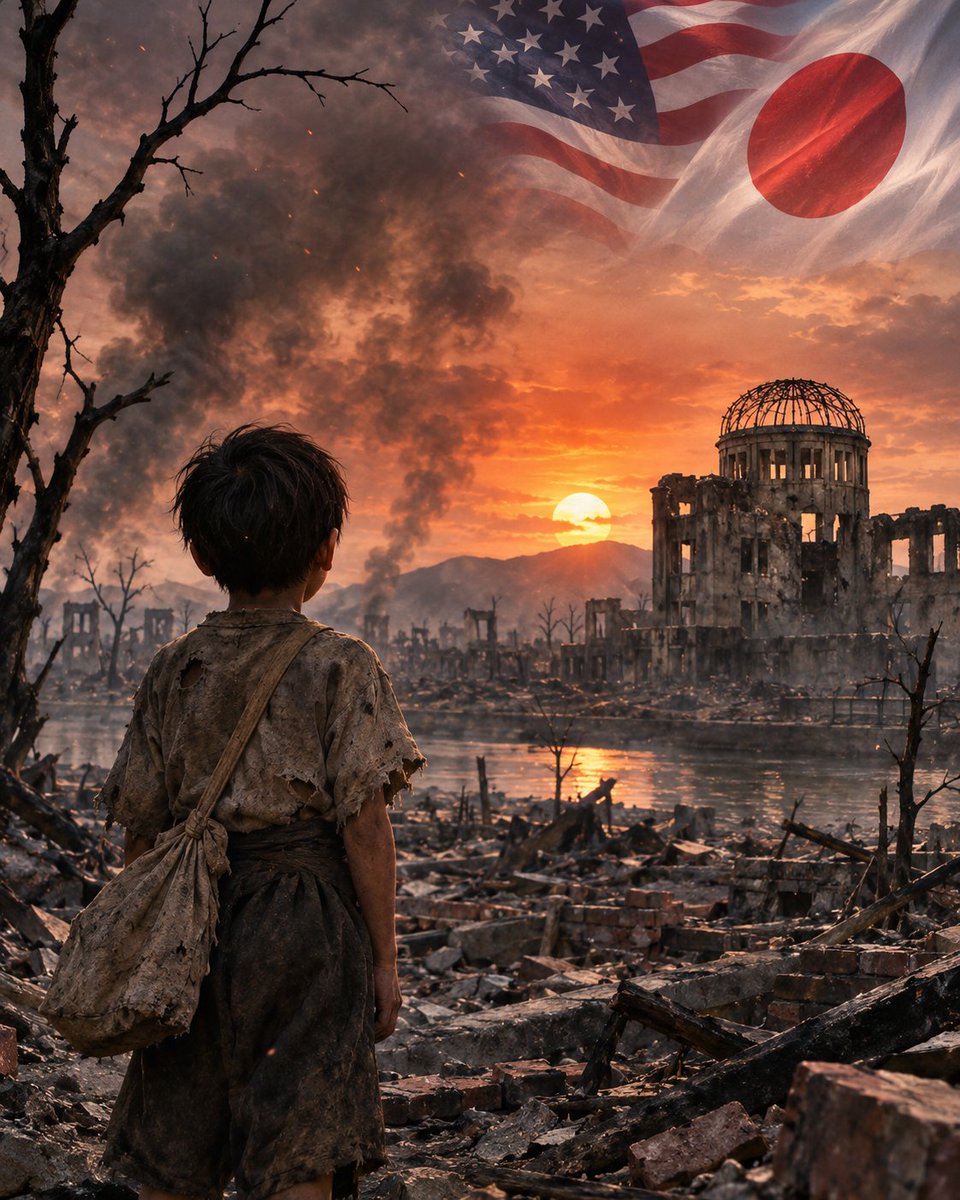
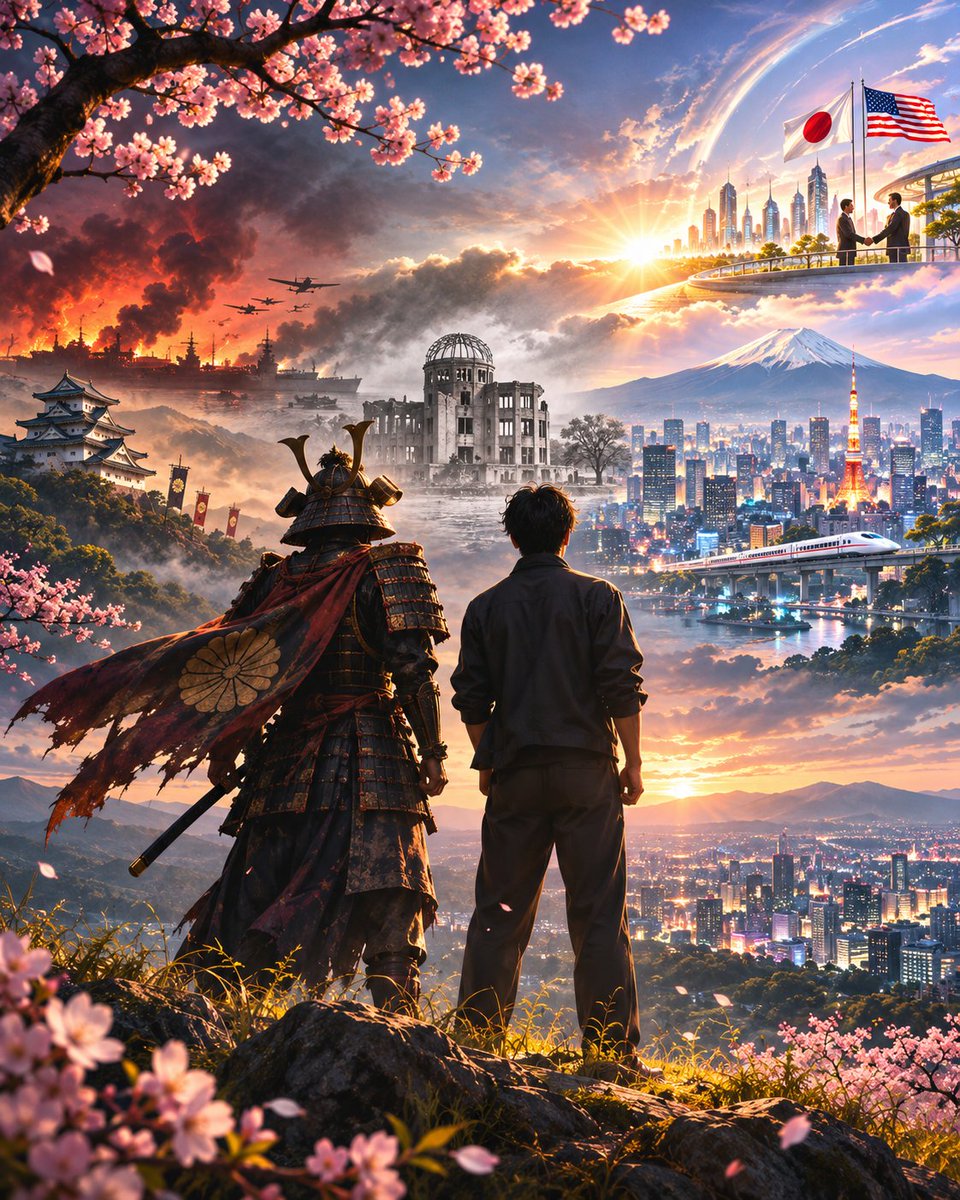
🇯🇵🇺🇸 America dropped an atomic bomb on Hiroshima in 1945. Sixty-six years later, American troops came to save Japanese lives under a mission named TOMODACHI.
That's Japanese for FRIEND.
How the hell did we get from there to here?
1. Japan knew defeat long before America existed.
For roughly 150 years during the Sengoku period, warlords fought over castles, provinces, and survival. Lose one battle, and your entire clan could disappear. This wasn't about wounded pride. Your family might not see tomorrow.
2. And defeat could be absolutely merciless.
Severed heads were inspected and sometimes publicly displayed. Relatives could be executed, children taken hostage, castles burned. Yet some defeated warriors survived by surrendering to the very men they had spent years fighting.
3. Imagine being one of those survivors.
Your lord is dead. Your castle is gone. The enemy now rules your homeland. Do you keep fighting until your children die too, or swallow your pride and give them a future?
Japanese history is full of revenge, but it's also full of people who chose survival over another generation of bloodshed.
4. Then came 1945.
Japan's militarist leaders had led the country into a catastrophic war. Cities were destroyed, families shattered, and Hiroshima and Nagasaki suffered the unimaginable. Japan surrendered.
Our nation had lost almost everything. But one question remained: what would we do with what was left?
5. We could have raised our children on hatred.
We could have made revenge our national mission for the next hundred years. But a grudge doesn't rebuild a hospital, feed an orphan, or bring one dead soldier home.
So Japan chose the harder road. We faced the ruins and began again.
6. And look what we built.
With Japanese determination and American assistance, we rebuilt our cities, economy, and democratic institutions. The country that defeated us became our ally.
We didn't forget who won the war. We decided that the next generation deserved something better than another one.
7. Then came March 11, 2011.
An earthquake and tsunami devastated Japan. American service members rushed to help, delivering supplies and supporting rescue efforts alongside the Japanese.
The operation was called TOMODACHI.
Friend.
Imagine what our ancestors would have thought.
The two nations that once fought across the Pacific were now saving lives together.
8. So here's what Japanese pride means to me.
Remembering Hiroshima doesn't require me to hate America. Honoring our dead doesn't require sacrificing our children's future.
When someone shouts "HIROSHIMA!" at me as an insult, I don't feel defeated. I wonder how they managed to miss the most remarkable part of the story.
Japan lost the war. We rebuilt our country. And we chose friendship with the nation that defeated us.
We didn't erase the past. We refused to let it own our future.
🇯🇵���🇺🇸
Our ancestors knew how to fight each other.
We learned how to stand together.
And if you think that's something to be ashamed of, you've understood absolutely nothing about Japan.
Within 24 hours. Reports of an NVIDIA spy scandal. A global Microsoft outage. A building collapse in NYC. A tanker collision with a cruise ship in New Orleans. Reports of a nationwide FAA ground stop. I know. Coincidence.