Wall Street spends $50,000/year on the data you scroll past for free.
Meanwhile, finance X is flooded with:
→ Influencers selling courses they never used
→ "Gurus" with rented Lamborghinis and zero skin in the game
→ Headlines designed to scare you into clicking
Blackintus exists because investors deserve better.
Every day I take the raw numbers — revenue, margins, cash flows,
valuations, macro shifts — and break them down so you don't need
a finance degree or a $25K terminal to understand what's moving
your money.
I don't chase hype. I read balance sheets.
I don't sell dreams. I show you the math.
I don't predict the future. I understand the present.
What you'll get here:
→ Company analysis with real numbers, not opinions
→ Geopolitics and macro tied directly to your portfolio
→ Earnings breakdowns within hours of release
→ Zero paid promotions. Zero affiliate links. Zero bullshit.
This account is for people who:
→ Want to understand markets, not gamble in them
→ Value data over drama
→ Think in quarters and years, not minutes
→ Believe clarity is the ultimate edge
If that's you — you're in the right place.
No Noise. No Hype. Just Analysis.
Follow @Blackintus — the next breakdown drops tomorrow.
Over $1T: the AI lab revenue run-rate Aschenbrenner predicts by the end of 2027.
Situational Awareness nearly collapsed in July. Now it's hiring a chief risk officer.
Situational Awareness lost 65% in Q3. It's still up 88.5% for the year through September.
Both figures are after fees, per Leopold Aschenbrenner's investor letter (WSJ, Nov. 25). Together they imply the fund was up roughly 439% through June, before Q3 cut its value by 65%.
The fund nearly collapsed in July, when its borrowing-fueled AI bets soured. Since then Aschenbrenner says he has restructured the portfolio, is hiring an experienced chief risk officer, and has stopped accepting new investor money. He expects to resume shorting stocks, and possibly to borrow again, at lower levels.
The 88.5% stops at September. The AI selloff gathered momentum in October, after the period the letter covers. So the latest damage isn't in the number.
His view hasn't shrunk. He predicts AI labs will exit 2027 at a revenue run-rate above $1T. He expects superintelligence to cost leaders including $NVDA , AMD, Microsoft and Apple their competitive moats. He calls himself highly bullish on Anthropic at the IPO price, and says he'd make it the fund's largest position by some margin even from a blank slate. The book is now about 70% public stocks and 30% private, the inverse of August.
💰 WHAT TO WATCH: The fund's next letter, covering October. A Q4 loss → the restructured portfolio didn't shield it from the selloff. $ANT below its IPO price → the position he backs most is underwater from the level he called bullish.
Follow @Blackintus
No Noise. No Hype. Just Analysis.
Congress outlawed belt interlocks a half-century ago. NHTSA plans public input on allowing them.
Each 1% gain in belt use saves hundreds of lives yearly, an industry group estimates.
U.S. seat-belt use: 90%. About 10,000 still die unbuckled each year.
That's roughly half of all vehicle-occupant deaths. NHTSA says progress has flatlined for over a decade.
Laws and alerts took U.S. use from under 20% in the 1980s to about 90%, per national surveys. Some holdouts will disable or ignore the systems. The 2028 rule is more of the same: alerts that sound nonstop until the driver buckles up.
The next lever is an old one: interlocks, which could make it impossible or severely inconvenient to drive unbuckled. A 1972 NHTSA rule required them. Drivers revolted, and Congress outlawed them. In July, NHTSA said it plans to seek public input on a proposal. It would let carmakers install interlocks instead of running complex crash tests for unbelted drivers.
The Alliance for Automotive Innovation, the carmakers' trade group pushing the proposal, estimates each 1% gain in use saves hundreds of lives a year. But new technology reaches only new cars, and older vehicles are linked to more unbelted deaths, research shows. The Nov. 24 report puts no cost on interlocks for carmakers.
💰 WHAT TO WATCH: NHTSA's public-input step on interlocks, which it said in July it plans to take. If it opens → the proposal moves from plan to process. If it ends in a rule → carmakers like $GM and $F could use interlocks instead of complex crash tests for unbelted drivers.
Follow @Blackintus
No Noise. No Hype. Just Analysis.
February: the Supreme Court threw out Trump's first batch of tariffs. Officials intend similar ones.
15% or lower: the likely overall tariff rate for the EU, Japan and South Korea.
🔴 BREAKING
16 economies face higher U.S. tariffs, reportedly unveiled as soon as this week.
U.S. Trade Representative Jamieson Greer is expected to unveil the results of a monthslong probe into subsidies in China, the EU and 14 other nations, per people familiar with the plans (WSJ, Nov. 24). Greer says those subsidies created excess industrial capacity. Timing could change. USTR declined to comment.
The plan is a rebuild. The Supreme Court threw out Trump's first batch of tariffs in February. Officials have repeatedly said they intend similar ones. Final rates are still unclear. The EU, Japan and South Korea would likely see an overall rate of 15% or lower, reflecting pacts signed before the ruling. China would likely get a higher rate than many others. Vietnam and India could see higher rates, based on their deals.
The new tariffs would cover most products but likely exclude steel, aluminum and autos, which a separate national security authority tariffs. They would likely add to July's forced-labor levies: 10% to 12.5% on 60 economies, under a court challenge. The U.S. could also add language allowing increases if a nation's overcapacity worsens or it doesn't change policy in future talks.
💰 WHAT TO WATCH: If the unveiling, as soon as this week, puts China above the 15% likely for the EU, Japan and South Korea → officials' view of China's subsidies as particularly extensive is in the rate, a weight on $FXI . If the final text includes language allowing later increases → even the 15% likely for allies could rise.
Follow @Blackintus
No Noise. No Hype. Just Analysis.
11 days after Huang resigned, Nvidia reinstated him. Its board had said he wouldn't return.
Trump reportedly told advisers Huang had to return for markets to turn around.
$NVDA posted the largest one-day market cap gain on record for a U.S. company.
That was Monday, after Nvidia announced Jensen Huang's return as CEO. The stock helped power a 4.7% rise in the S&P 500 and recovered much of a roughly 30% drop since Huang resigned Nov. 12.
Trump and top administration officials lobbied the board to reinstate Huang (WSJ, Nov. 23). Attorney General Todd Blanche told Trump and Vance Saturday that Huang wasn't the target or subject of any Justice Department probe, per U.S. officials. Trump told advisers Huang had to return for the markets to turn around, a person who heard his comments says.
The board had unanimously accepted his resignation and told investors he wouldn't return. Monday, Nvidia said its board voted unanimously to reinstate him.
That answers the CEO question. It doesn't answer the probes. The Justice Department is leading two probes of Nvidia customers, Megaspeed and Super Micro, over suspected chip smuggling into China. The WSJ reported Nov. 17 that the SEC is investigating Nvidia. Independent directors are still investigating whether Huang shared corporate or national security information during his affair with a suspected Chinese intelligence asset. Commerce added Megaspeed and several other firms to the trade blacklist Monday.
💰 WHAT TO WATCH: Huang's scheduled House appearance next week. If $NVDA gives back most of Monday's rebound by then → the probes are back in the price. If it holds → the market is looking past them.
Follow @Blackintus
No Noise. No Hype. Just Analysis.
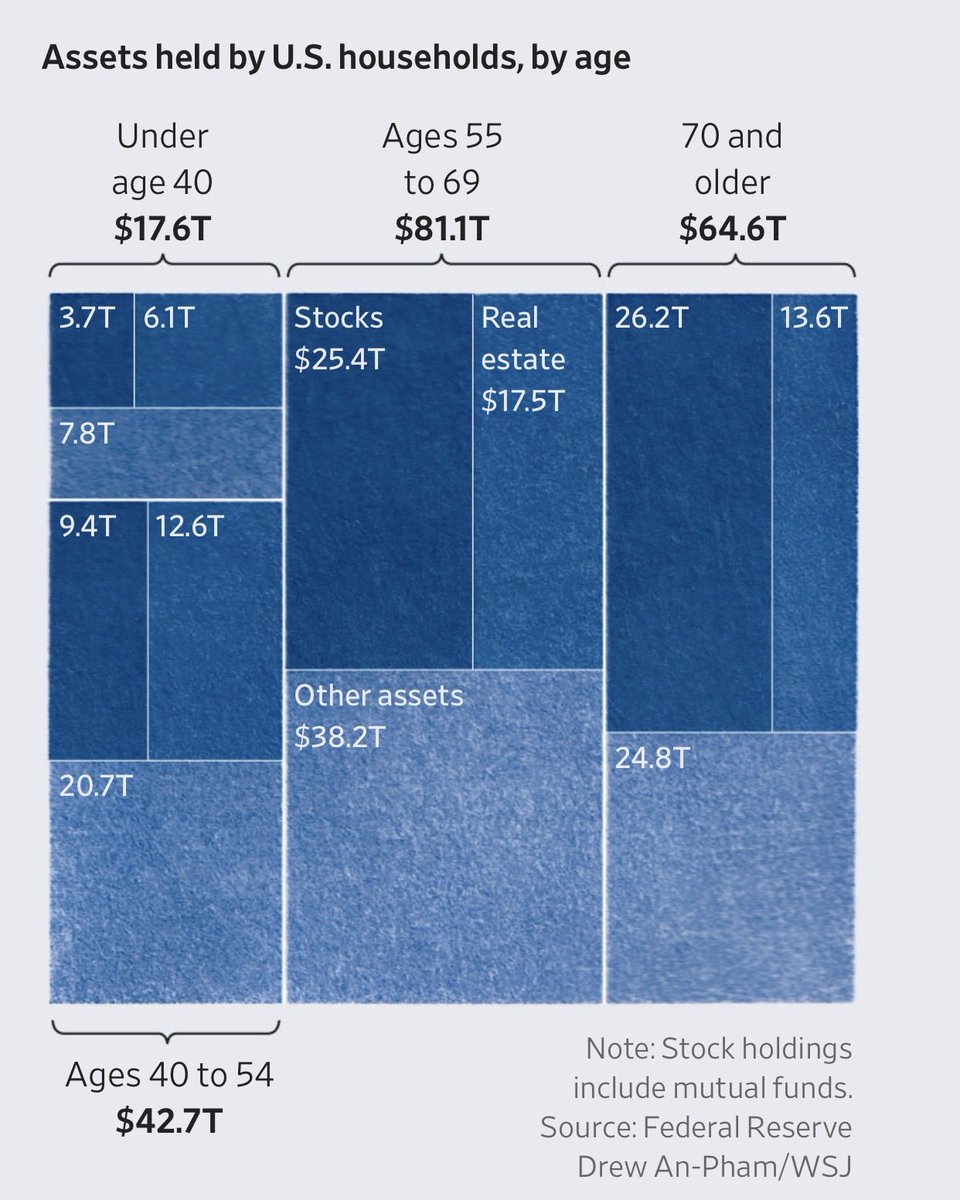
Families headed by someone 75+ had around 1.6x the typical family's net worth in 2025.
Pew: over 60% of upper-income people 65+ report aging extremely or very well. Lower-income: 39%.
Boomers hold over $97T, more than twice Gen X. Household income: about $84,000 vs. $145,000.
That's total wealth (Federal Reserve) against average income (BLS, 2024). Boomer households earn about 42% less than Gen X households. Ed Yardeni of Yardeni Research says boomer wealth is the driving force in the economy. It explains why spending holds while people feel bad about the economy and save very little.
The WSJ (Nov. 22) points to a stock market that has mostly risen in recent years, higher home prices and inheritances. That ties the spending to asset prices. Boomers are less likely than their parents to have a pension, so a market downturn could hit their 401(k)s. Stocks have been turbulent in recent weeks.
💰 WHAT TO WATCH: The Fed's next release of this wealth data. Boomer wealth below $97T → the turbulence is reaching the assets behind the spending. Viking ($VIK ) runs high-end cruises for older travelers. A slowdown at its next earnings report → older travelers are cutting back.
Follow @Blackintus
No Noise. No Hype. Just Analysis.
Anthropic: about $1.18T in market value. Several bond managers expect junk.
Per WSJ (Nov. 22), several large bond-fund managers expect $ANT to land a BB-range rating, a notch or two below investment grade. Why: Anthropic is unprofitable and has committed to spend some $900B on compute in the coming years. The agencies haven't made their views public and could split.
At BB it would be by far the most valuable U.S. high-yield company: about 14.8x Hilton, the largest today at around $80B (Dow Jones Market Data).
The rating shapes the funding route. Investment grade opens an $8.6T bond market. High yield is $1.7T with high borrowing costs, so the managers expect few unsecured bonds and more structured and chip financing. $NVDA and $AVGO have guaranteed tens of billions of dollars of loans for chips rented to AI labs. Wall Street expects Nvidia to pull back on those guarantees after the exit of Jensen Huang, who championed them.
Cash buys time. Analysts say $96B plus IPO and private-placement proceeds fund commitments for a year or more. But roughly half the commitments don't start until 2030. Without investment grade by then, the report says, Anthropic could struggle to pay its bills. RBC's Neil Sun: about three years to win investors over.
Equity prices the growth. Credit prices the $900B bill.
💰 WHAT TO WATCH: $ANT 's first public bond. If the ratings firms land at BB → the managers' call holds, and funding leans on structured and chip deals. If they land at investment grade → the $8.6T bond market opens. The report calls that a relief for chipmakers.
Follow @Blackintus
No Noise. No Hype. Just Analysis.
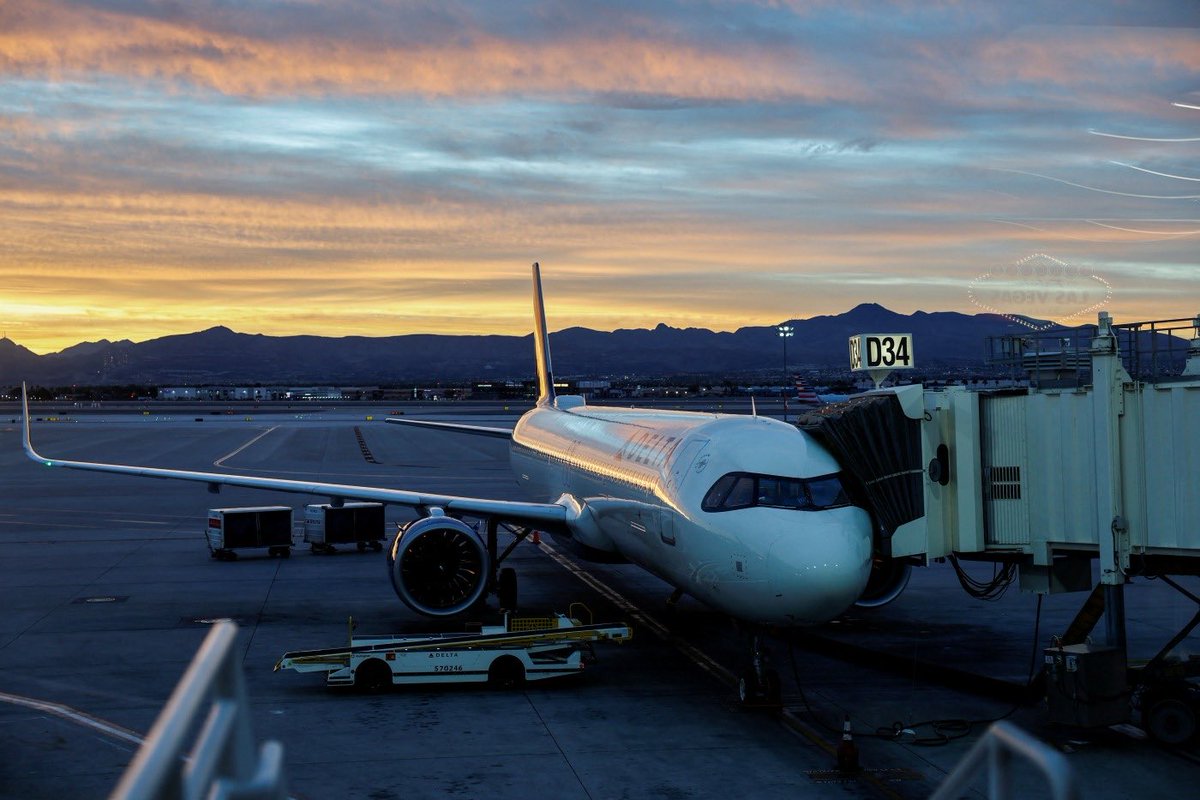
Delta ties about 70% of Sunday's disruptions to its weight-and-balance automation. Delta says the automation is working again. It hasn't said what caused the failure.
$DAL: more than 1,600 flights delayed Sunday, per FlightAware. About half its mainline schedule.
Delta says about 70% of the day's disruptions came from the tech issue: the automation that calculates each plane's weight and balance. It attributes the rest to bad weather and air traffic slowdowns in New York and the Northeast. More than 40 flights were canceled.
Delta used manual workarounds for much of the day. Sunday afternoon, it said the automation was working again. It hasn't said what caused the failure. A staff message, viewed by the WSJ (Nov. 22), called it a "database issue." It also said the workaround's call volume and workload grow with planned departures.
So the open item is the cause, not Sunday's count. It matters at the start of Thanksgiving travel, when flights are typically full. A nationwide ground stop of more than four hours hit just over a week ago. Federal officials blamed a newly installed router.
💰 WHAT TO WATCH: If $DAL again cites its weight-and-balance automation for delays during Thanksgiving travel → the Sunday fix didn't hold. If its next earnings report puts a dollar figure on rebooking, meals, hotels and refunds → the outage has a price.
Follow @Blackintus
No Noise. No Hype. Just Analysis.
Nearly $40M backed El-Sayed's two opponents, from AIPAC and affiliates. He won both races.
Slotkin, more centrist than El-Sayed, now backs the Schumer challenge.
Dec. 1: Schumer faces a secret-ballot challenge. He says he has the votes.
Per WSJ's Nov. 22 report, Michigan senator-elect Abdul El-Sayed was among the first to call for the challenge, in April. About half a dozen Democratic senators have now publicly endorsed Maryland's Chris Van Hollen, in what the report calls a long-shot bid. The latest is Elissa Slotkin, whom it calls more centrist than El-Sayed.
Endorsements are public. The ballot isn't.
El-Sayed's stated agenda: a Medicare-for-All plan, changes to campaign finance, conditions on U.S. military aid and property-tax freezes for seniors. Those are a senator-elect's positions, not legislation.
The report names no company. The nearest read-through for stocks is Medicare for All. In October, before the midterms, Goldman's Asad Haider called it far from a legislative priority but not great for managed-care sentiment.
💰 WHAT TO WATCH: The Dec. 1 vote count. If Van Hollen's total exceeds the half dozen or so senators publicly backing him → the secret ballot hid wider support. If Schumer wins → his claim of locked-down votes held.
Follow @Blackintus
No Noise. No Hype. Just Analysis.
$ORCL: -60% from its high this year. In the 2000 dot-com bust: -37%.
James Mackintosh (Nov. 22) lines up seven dot-com-era tech names still around. Drop from high, 2026 so far vs. 2000:
Oracle: -60% vs. -37%
Seagate: -60% vs. -37% (it merged and was spun out again)
Intel: -64% vs. -60%
$NVDA : -48% vs. -62%
Micron: -53% vs. -63%
Qualcomm: -42% vs. -54%
Cisco: -30% vs. -52%
Three are deeper than in 2000. Four are shallower. By stock, this selloff already rivals the dot-com bust. By index, it doesn't yet: the S&P 500 is 12% below its intraday high, vs. almost 15% at the end of 2000. The 2000 falls were widespread. This year's are concentrated in AI-related stocks.
Mackintosh's read: a mini-bubble in data centers and their suppliers has popped. Whether a bigger bubble is deflating is impossible to know, he writes. He calls it plausible.
The dot-com bust led to a recession and a second deep selloff in 2001. For now the economy looks robust. The market didn't rally after Anthropic's successful IPO Thursday. He calls that not a good sign.
💰 WHAT TO WATCH: The S&P 500 ($SPY ) vs. 2000's almost 15% drawdown. If it ends 2026 more than 15% below its intraday high → this selloff is deeper than the dot-com year's at the index level. If companies cut data-center investment plans → the loop Mackintosh describes has started: suppliers hit, then lenders, then demand.
Follow @Blackintus
No Noise. No Hype. Just Analysis.
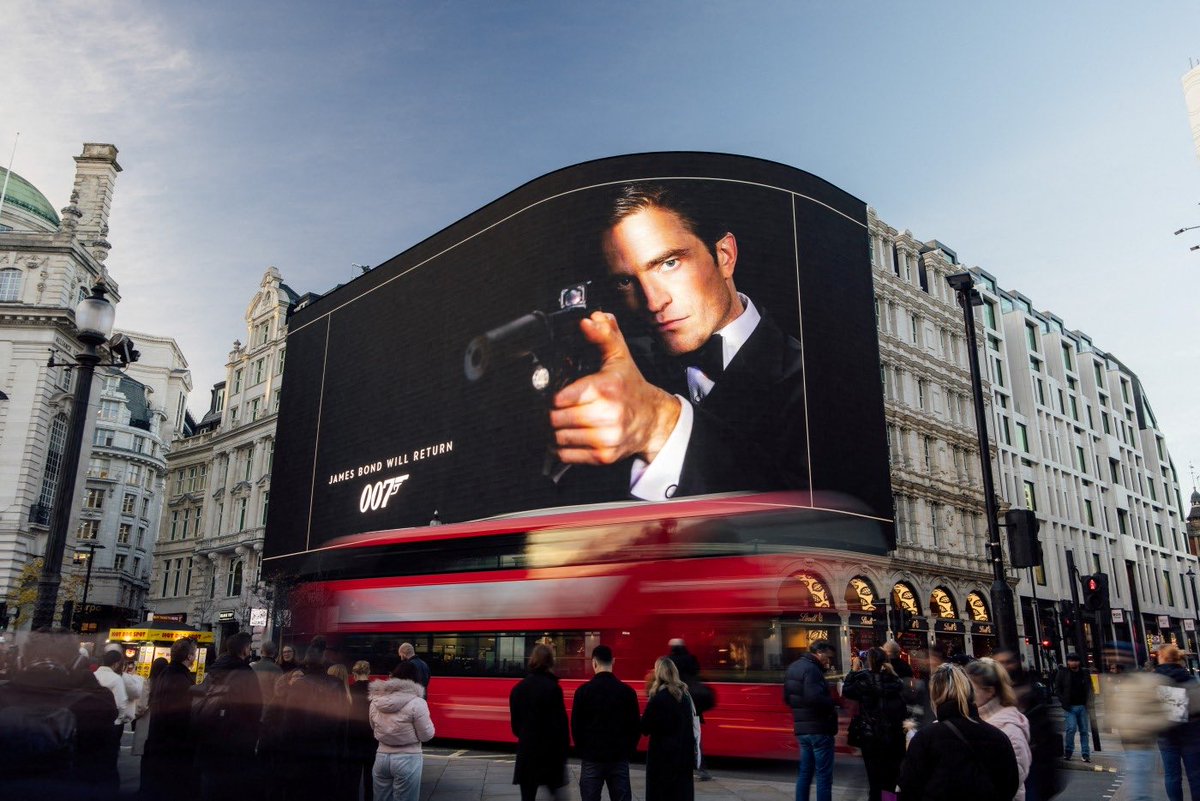
Omega: 30 years on Bond's wrist. Units: 460,000 last year, 730,000 in 2017.
Roughly fivefold: one Omega model's sales jump after GoldenEye. 007's reveal: bare wrist. $NFLX
Bernstein: nearly half of Swatch's operating profit is Omega. The new 007's reveal: bare wrist.
Per WSJ's Nov. 22 column, Robert Pattinson's bare wrist in the Instagram post announcing him as the new Bond sparked collector chatter about a switch from Omega to Jaeger-LeCoultre (JLC). JLC signed him as an ambassador in September. It's chatter. The column reports no confirmation.
Omega has slid with Bond on its wrist. It sold 460,000 watches last year, down 37% from 730,000 in 2017, the column says. Morgan Stanley estimates 2025 sales fell 8%. The pull was real. After GoldenEye, one Omega model's sales rose roughly fivefold, then settled 30% to 40% above pre-movie levels (LuxeConsult's Oliver Müller). But Omega's models mostly sit at $8,000 to $10,000. Watches above 50,000 Swiss francs were 1.4% of volume and 89% of Swiss luxury watch growth last year (Morgan Stanley).
The stakes aren't equal. JLC is one small brand inside Richemont ($CFRUY), where jewelry offsets weak watch brands. Richemont's stock is up more than 50% in three years. Swatch ($UHR): down roughly 20% over the same span. The column's read: a Bond tie-up is a nice-to-have for Richemont, more important than ever for Swatch.
💰 WHAT TO WATCH: If JLC is confirmed as 007's watch → $UHR's Omega, nearly half of operating profit, loses a 30-year tie-up. If Omega's 32% average resale discount (WatchCharts, September) widens → collectors, who check resale value before buying new, have less reason to buy an Omega.
Follow @Blackintus
No Noise. No Hype. Just Analysis.