Founder Futurous, Games of the future. ex International Olympic Committee Director and Expo 2020 Dubai. (Mega event sports esports technology Smart city)
Is Turki Alalshikh buying Sport? No, he is building a new sports market.
Everybody talks about the money. I think they are missing the point.
What Turki Alalshikh is doing in sport is far more interesting than simply deploying Saudi capital to buy fighters, athletes, events or attention.
He is building a market.
And he may be showing us what the next generation of sports entrepreneur will look like.
For more than 30 years, I have worked inside and around the institutional architecture of global sport: international federations, organising committees, governments, rights holders, sponsors, broadcasters and mega-events.
Over the last century, the sport has built extraordinarily sophisticated institutions.
But sophistication has a weakness.
It creates friction.
A federation regulates.
A promoter promotes.
A broadcaster broadcasts.
A ministry funds.
A venue hosts.
A sponsor pays.
An athlete performs.
Everybody has a box.
Turki Alalshikh seems remarkably uninterested in the boxes.
That may be his greatest strength.
He understood the real problem: fragmentation
Look at boxing.
For decades, boxing has been a spectacular product trapped inside a complex (dysfunctional?) market.
Multiple sanctioning bodies. Multiple promoters. Multiple broadcasters. Competing titles.
Fighters under different contractual structures. Great fights postponed for years because the economics or politics could not be aligned.
Fans wanted the fights.
The system often could not produce them.
Then someone arrived and essentially said: what if I pay the coordination cost?
That is much more interesting than simply paying large purses.
Frank Warren and Eddie Hearn had reportedly gone around 15 years without speaking face-to-face. Alalshikh brought them together. The result was not another conference about improving boxing governance.
It was fights.
Big ones.
Oleksandr Usyk against Tyson Fury finally produced an undisputed heavyweight champion. Rival promoters began collaborating. Major fighters who had spent years orbiting one another suddenly found themselves on common cards. ESPN described how Alalshikh used Saudi resources not merely to finance events but to overcome precisely the fragmentation that had paralysed the sport. (ESPN)
That is entrepreneurship.
You identify friction.
You remove it.
Then you capture the value released when everybody can finally transact.
Riyadh is not simply the destination. Riyadh is the laboratory.
This is where the strategy becomes much more sophisticated.
The conventional mega-event model works like this:
You bring the world to your city.
Alalshikh is doing something different.
First, bring the world to Riyadh.
Then use Riyadh to create products that can travel back into the world.
That distinction matters enormously.
Riyadh Season reported reaching 20 million visitors in its 2024–25 edition, according to Saudi Arabia’s General Entertainment Authority. (https://t.co/chs8WHlABD)
But visitor numbers alone do not explain the model.
Boxing. UFC. Tennis. Snooker. Entertainment. Comedy. Flag football. Global celebrities. Media platforms. New formats.
Each is another experiment.
Some work. Some will not.
That is exactly the point.
Riyadh is becoming a gigantic real-world A/B testing environment for entertainment and sport.
Test the format.
Test the audience.
Test the pricing.
Test the athletes.
Test the media proposition.
Test whether two organisations that refused to cooperate yesterday can make money together tomorrow.
Then scale what works.
This is the opposite of how many sports institutions operate.
They write the regulation first.
He tests the market first.
And then comes the really interesting part.
The products start leaving Saudi Arabia.
Riyadh Season boxing moved to Los Angeles and Wembley. The brand became increasingly international rather than simply importing international sport into the Kingdom. (ESPN)
Then Alalshikh acquired The Ring, one of boxing’s most recognisable media brands. (Forbes)
Then came something much more structural.
In March 2025, TKO, Sela and Alalshikh announced a new boxing promotion designed explicitly to rethink professional boxing. (TKO Group Holdings, Inc.)
By September, Paramount had signed a long-term agreement making Paramount+ the exclusive home of Zuffa Boxing in the United States, Canada and Latin America, beginning with 12 events in 2026 and plans to expand thereafter. (TKO Group Holdings)
Look at the progression.
Venue.
Event.
Athletes.
Promoters.
Media.
Intellectual property.
Promotion.
Distribution.
Talent pipeline.
This is no longer event organisation.
It is ecosystem construction.
That is why calling this “sportswashing” or simply “Saudi spending” is analytically lazy (stupid?).
You can debate Saudi Arabia’s broader strategy. You can question governance structures. You can debate the sustainability of the economics.
Those are legitimate discussions.
But they do not explain what is happening.
Capital alone does not create this.
Sport is full of rich owners who have achieved remarkably little.
Money buys assets.
Entrepreneurship connects them.
Alalshikh’s distinctive ability appears to be his capacity to see several layers of an industry simultaneously and then collapse the distance between them.
He behaves less like the chairman of a federation and more like a market-maker.
A market-maker does not necessarily manufacture the product.
He creates liquidity.
He makes transactions possible that were previously too difficult, too slow or too politically complicated.
That is exactly what global sport increasingly needs.
There is, of course, a disruptive consequence.
If this model works, what happens to the traditional institutions?
That is the question sports leaders should be asking.
Not whether Turki Alalshikh has too much influence.
The more uncomfortable question is:
Why was there so much space available for him to occupy?
If fans want a fight and the promoters cannot make it happen, someone else will.
If athletes want better economics and the federation cannot create them, someone else will.
If broadcasters want simpler products, if sponsors want global visibility, if cities want audiences and if fans want spectacle without years of institutional negotiation, then the organisation capable of connecting those needs acquires enormous power.
Nature hates a vacuum.
Markets do too.
This does not mean federations disappear.
It means they may discover that regulatory legitimacy alone no longer guarantees strategic relevance.
There is also something profoundly territorial about the model.
This may ultimately be Turki Alalshikh’s most important innovation.
For decades, cities competed to host global sport.
Riyadh is attempting something more ambitious:
to become one of the places from which global sport is produced.
That is completely different.
Hollywood does not succeed because people travel to Los Angeles to watch movies.
Silicon Valley did not succeed because people travelled to California to use computers.
Their power came from becoming ecosystems where talent, capital, ideas, distribution and ambition repeatedly collided.
That is what Riyadh may now be trying to do with sport and entertainment.
Build sufficient density locally.
Attract the best people.
Make transactions happen.
Create intellectual property.
Then export it.
Territorial reality becomes global network.
This is why I believe Turki Alalshikh deserves to be studied much more seriously.
Not copied blindly.
Studied.
Because underneath the spectacle is a remarkably coherent entrepreneurial logic.
Find a fragmented market.
Listen to what the consumer actually wants.
Remove the intermediaries that add friction without adding sufficient value.
Bring competitors around the same table.
Use capital aggressively at the beginning.
Learn faster than everyone else.
Turn events into intellectual property.
Turn intellectual property into platforms.
Turn the platform into an ecosystem.
And only then ask how large the market can become.
For 30 years, sport has talked endlessly about innovation.
Turki Alalshikh is doing something much more dangerous.
He is actually experimenting.
Some experiments will fail.
Some will disturb the established order.
They should.
Because revolutions rarely begin inside the committee charged with protecting the existing system.
The future of sport may not be built by the institutions that govern it.
It may be built by the entrepreneurs who reconnect everything those institutions allowed to become disconnected.
And right now, one of the world’s most fascinating laboratories is called Riyadh.
@Turki_alalshikh@Expo2030Riyadh@RiyadhSeason #Saudi #sport #Strategy #Future #businessmodel @FuturousOrg
✨🇨🇳A stunning scene in Nanchang, east China’s Jiangxi:
Fireworks light up the night sky over the Gan River for China’s National Day, shining alongside the iconic Lord Teng’s Pavilion, a renowned structure first built during the Tang Dynasty (618–907).
Some countries leave memories. Others become part of your journey. China is one of those countries for me.
Today, as the People’s Republic of China celebrates its 77th anniversary, I want simply to express my gratitude.
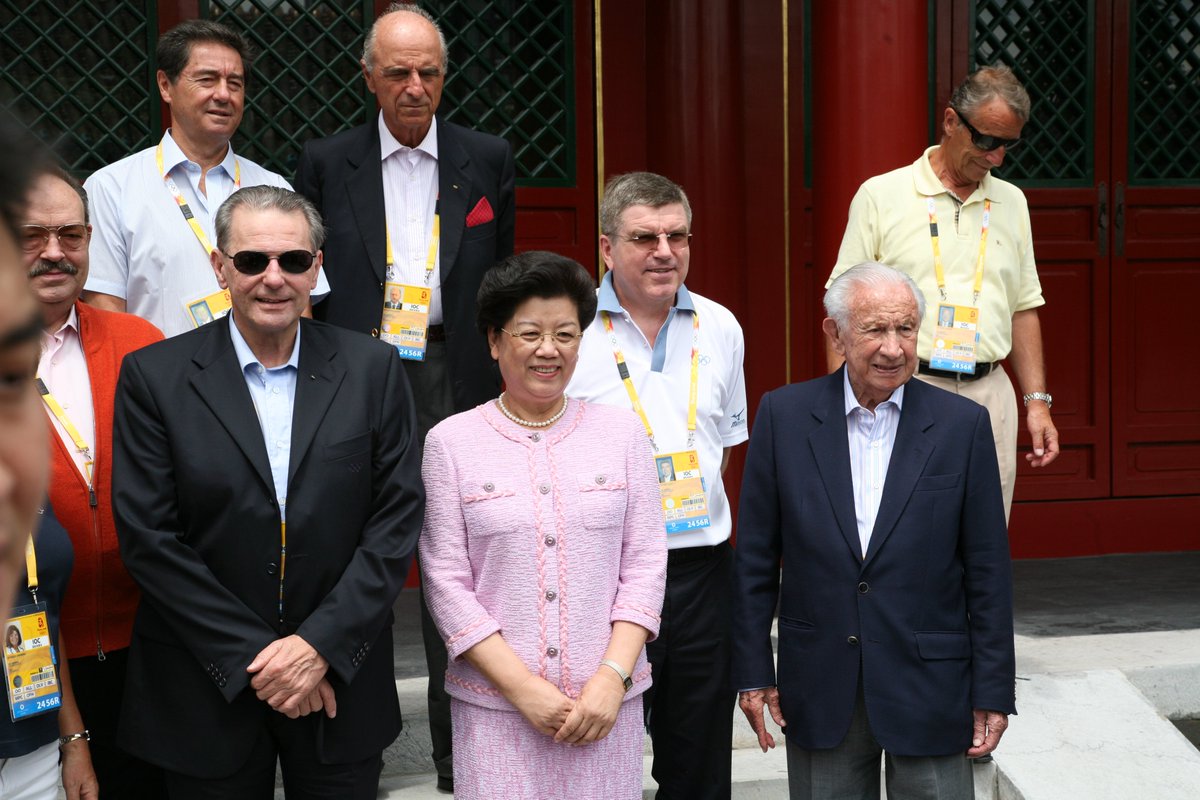
Sport has been one of the great threads running through my life. It has taken me around the world, introduced me to extraordinary people and cultures, and given me experiences I could never have imagined when I first entered the Olympic world more than three decades ago.
And among those memories, China occupies a very special place.
The 2008 Olympic Games in Beijing gave me some of the most intense, fascinating and memorable moments of my Olympic life. I remember the energy, the scale, the extraordinary mobilisation, but above all the people — their hospitality, curiosity, commitment and pride in welcoming the world.
The beauty of sport is precisely this: behind the ceremonies, stadiums, medals and records, it creates encounters. It allows us to discover one another beyond borders, languages and cultures.
China gave me many of those encounters. And many memories that I still carry with me today.
So on this National Day, my thoughts go to the many Chinese friends and colleagues I have met along the way, and to all those who made those Olympic experiences so special.
Thank you, China, for the memories, the friendships and the emotions.
Happy 77th anniversary to the People’s Republic of China and warm wishes to all my Chinese friends.
#China #NationalDay #OlympicGames #Sport #Beijing #OlympicMovement #FriendshipThroughSport
Sharing our joy with you all as we celebrate the 77th anniversary of the People's Republic of China 🇨🇳🎉
I always feel shocked and privileged to live through the dramatic development over the past 30 years, and so proud of what my country has achieved 🥹
Thank you all for supporting my work and supporting China. Let's work together to build a better world 🙌
Jeux asiatiques Aichi-Nagoya 2026 : des « problèmes allant au-delà de ce que nous avions anticipé » (Yuta Matsuo (comité d'organisation))
Le comité d'organisation des Jeux asiatiques Aichi-Nagoya 2026 a publiquement reconnu, le 27 septembre 2026, les défaillances du dispositif d'hébergement critiqué depuis l'ouverture des Jeux (19/09) — plus de 17 000 participants logés en hôtels, unités temporaires en bois et sur un bateau de croisière plutôt que dans un village olympique traditionnel, pour réduire les coûts.
Yuta Matsuo, directeur adjoint de l'hébergement des athlètes, a admis des « problèmes allant au-delà de ce que nous avions anticipé », après que des officiels sud-coréens ont qualifié les unités-conteneurs de « pires jamais vues » (lits trop petits, murs nus, forte odeur de bois).
Le comité s'est engagé à mieux écouter les besoins des athlètes, en tenant compte des différences culturelles.
Ce développement fait passer le dossier hébergement du statut de signal à source unique portant sur la responsabilité d'un prestataire nommément visé (GL Events, statut inchangé, toujours non confirmé) à celui de fait confirmé et multi-sourcé d'aveu institutionnel de dysfonctionnement — sans lien établi avec GL Events dans les sources consultées.
Source : dépêche AFP (reprise par France 24 et The Peninsula Qatar) — reportage — 27/09 | Malay Mail — reportage indépendant — 27/09. Reliability : A/A (2 chaînes de sourcing indépendantes).
We're relay, relay excited for this one!
In 2028, the Olympic & Paralympic Torch Relays are returning to the United States and for the first time in history, the Olympic Torch Relay will visit all 50 states, starting from the home of the last U.S. Summer Olympics, Atlanta 1996. Sign up for the LA28 newsletter below to stay up to date on the epic journey.
🔗: https://t.co/H1w8bBiiRP
Music credit: Universal Music Group
FIFA (case) breakdown
Extraordinary Congress:
the threshold is indeed 43 out of 211 associations. The text mandates the Council to convene the meeting, and the agenda is determined by the request itself. November 23 is the earliest possible date for a request received on September 23, not a mandatory date.
Amendment of Statutes: a three-quarters majority of associations present and eligible to vote is required; therefore, an abstention counts as a vote against. 53 associations are sufficient to block a motion, and UEFA (55 members) reaches this figure on its own.
Council: UEFA, AFC, and Concacaf hold 21 out of 37 seats, compared to the 19 needed for a majority. This is a seat count, not proof of a voting bloc: meetings are confidential.
Rights and subsidiaries: the Council alone decides how rights are exploited, but the General Secretary approves the creation of subsidiaries. The review of FIFA Forward Enterprise (FFE) at the October 15 Council meeting could therefore serve as *ex post* validation rather than authorization. This is a low-confidence hypothesis (D), as the legal structure of FFE is unknown.
Removal of the President: this is mentioned in the Statutes but lacks a specific procedure or majority requirement. This qualifies the statement "no dedicated statutory basis" found in the September 17 update.
Election on March 18, 2027: the 106-vote threshold (out of 211) applies only if there are two candidates. With more than two, the first round requires 141 votes.
Two points not resolved by the source material
Infantino's terms: the Statutes limit the President to three terms. A transitional provision (Art. 67.1) pauses the term-limit count for committee members elected before April 27, 2016. The Handbook specifies neither how FIFA counts terms nor whether this provision applies to the president. Press reports refer to a "fourth term"—a detail that should be verified before any external use, as the date of his 2016 election comes from my own knowledge rather than the Handbook.
Two articles are contradictory: the Statutes limit the number of representatives from a single association on the Council to one, whereas the July 2026 Governance Regulations allow for two if one is the designated female representative. The Handbook does not state which rule takes precedence.
@FIFAcom@UEFA #Love #Football #Legal
https://t.co/YFQHgIAM6f
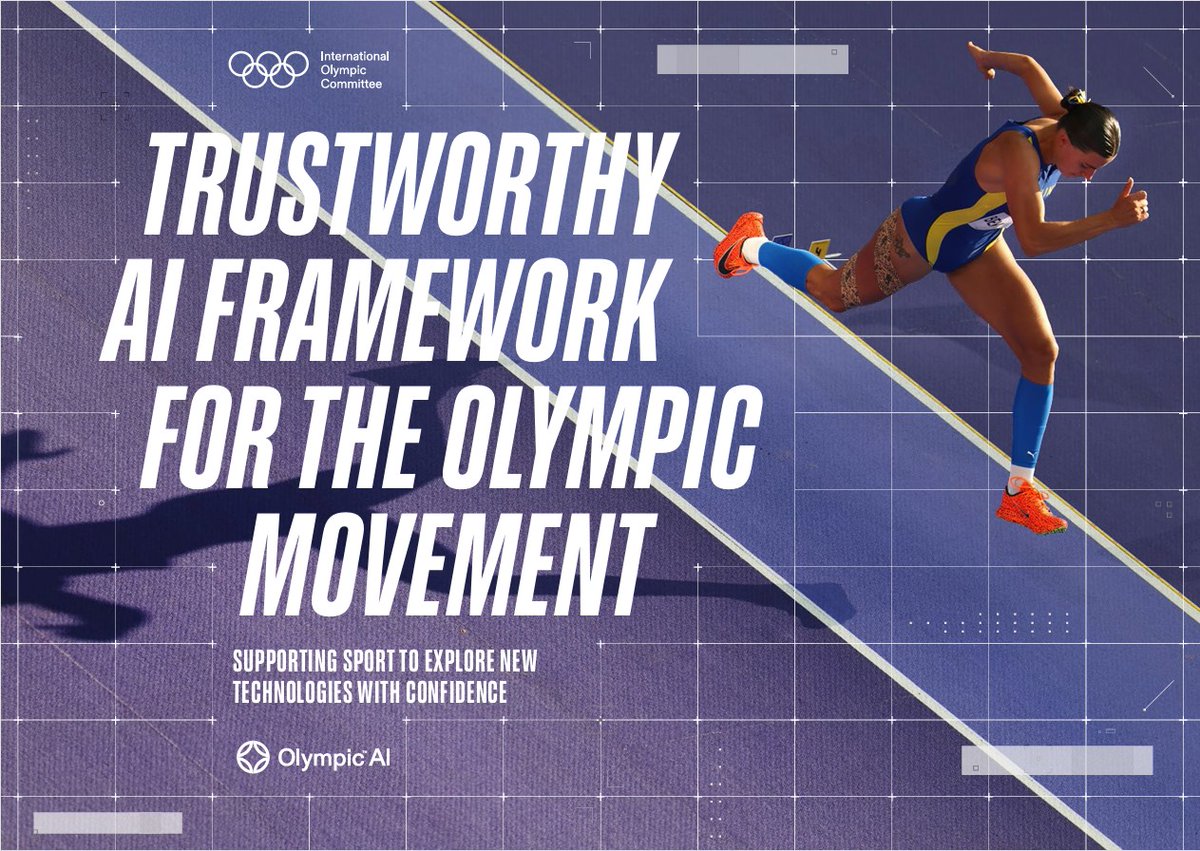
📌 IOC launches Trustworthy AI Framework to support responsible innovation across the Olympic Movement
🔹 The Framework provides practical principles and tools that organisations can use when developing or using AI systems.
🔹 The Seven Trustworthy AI Principles cover areas including safeguarding, data protection, reliability, transparency, accountability, fairness and sustainability.
🔹 A practical Trustworthy AI Checklist helps organisations assess risk, embed safeguards and identify actions to strengthen the responsible use of AI.
🔹 Developed with the support of Digital Transformation Consulting Partner Deloitte, the Framework was shaped through engagement with more than 200 leaders from across the Olympic Movement.
📎 https://t.co/t0c9Sck8sP
FIFA: convergence of three distinct pressure fronts around the October 15 Council
2026-09-23, the exact day of the deadline for the 43 signatures (20% of the 211 FIFA Congress members) required to place a motion of no confidence against Gianni Infantino on the agenda of an extraordinary Congress scheduled for 2026-11-23 — UEFA President Aleksander Ceferin publicly broke with FIFA leadership ("the trust it has broken has not returned"), in connection with the withdrawal of the FIFA Forward Enterprise project in July.
2026-09-22, Gianni Infantino proposed an independent external review of FIFA's governance and a structured consultation on the distribution of power (president/bureau/Council/Congress), to be validated by the FIFA Council (37 members, executive body — distinct from the 211-member elective Congress) on October 15 in Zurich; the proposal does not include a specific review of the FIFA Forward Enterprise and Balogun cases targeted by Vice-President Debbie Hewitt's September 18 request.
2026-09-25, Bundesliga, LaLiga, Lega Calcio Serie A and Premier League published an official joint statement titled "To Unify the Game, FIFA Must Reform," demanding structural reform of FIFA governance and stating that "FIFA's governance problem goes far beyond the role of a single individual," questioning whether the presidency should continue to concentrate such regulatory, commercial, and political power "without effective checks and balances".
Notable fact: these leagues do not echo the call for resignation, their criticism focuses on structure, not on the person, which distinguishes it from the register of individual contestation that has prevailed so far.
2026-09-23, Democratic members of the US House Judiciary Committee publicly described FIFA's cooperation with their investigation as "woefully inadequate," as FIFA failed to respond to appearance requests or hand over requested documents before the 2026-08-09 deadline.
Futurous reading:
The FIFA delegitimization cascade reaches an additional threshold. Pressure is no longer merely adding up in volume (more federations, more channels), it is structurally converging across three heterogeneous registers around the October 15 Council — the executive body itself, a transnational commercial interest bloc that explicitly reframes the problem as systemic rather than personal (the four leagues), and a third-party sovereign power exercising extraterritorial parliamentary oversight (US Congress).
Infantino's response (proposing an external review himself on Sept 22) reads as an attempt to regain procedural initiative in the face of this convergence rather than a substantive concession: his proposed review explicitly excludes the two cases at the heart of Hewitt's request. The unresolved status of the 43-signature count, one week after the deadline, remains the missing link to assess whether this multipolar convergence translates into procedural fact.
#Governance #Crisis #management #Football #SportFi @FIFAcom@FuturousOrg
@RashiqFataar And I am sure you got my joke when I mentioned that the Pope would do in 4 months what a mega-event governing body would deliver in 8 years :-)
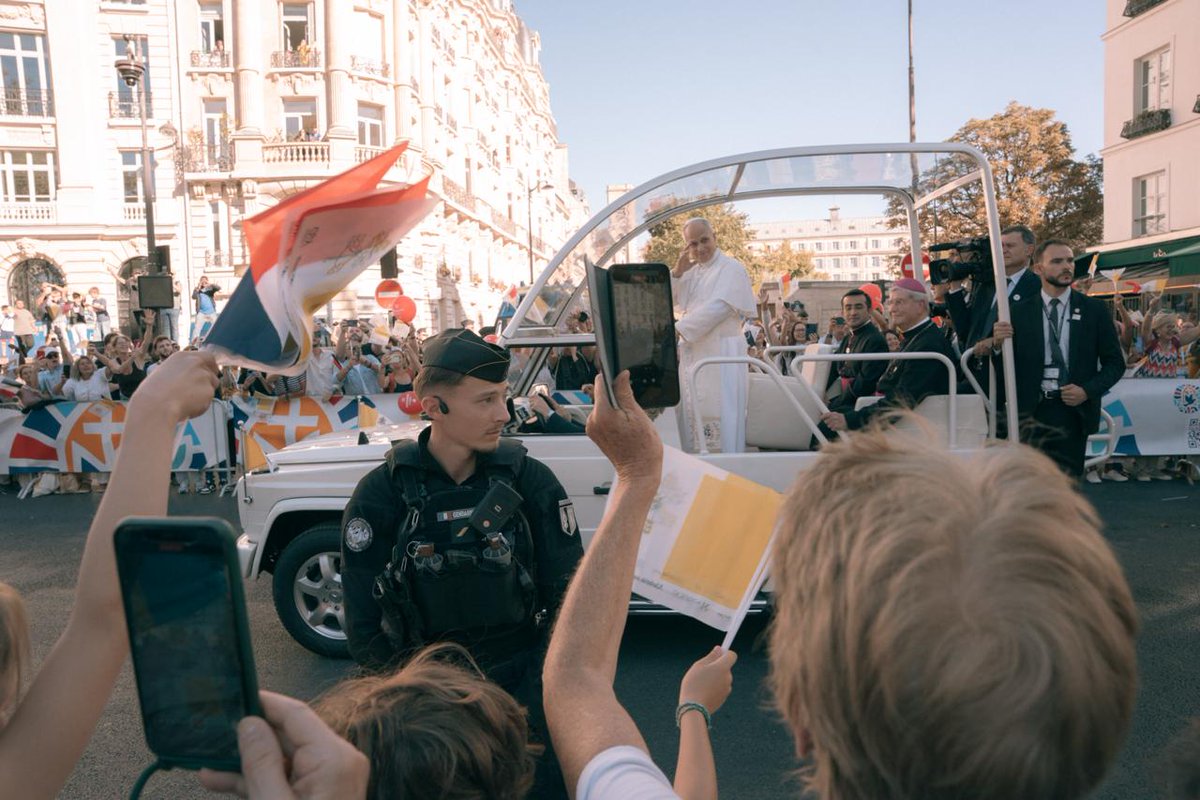
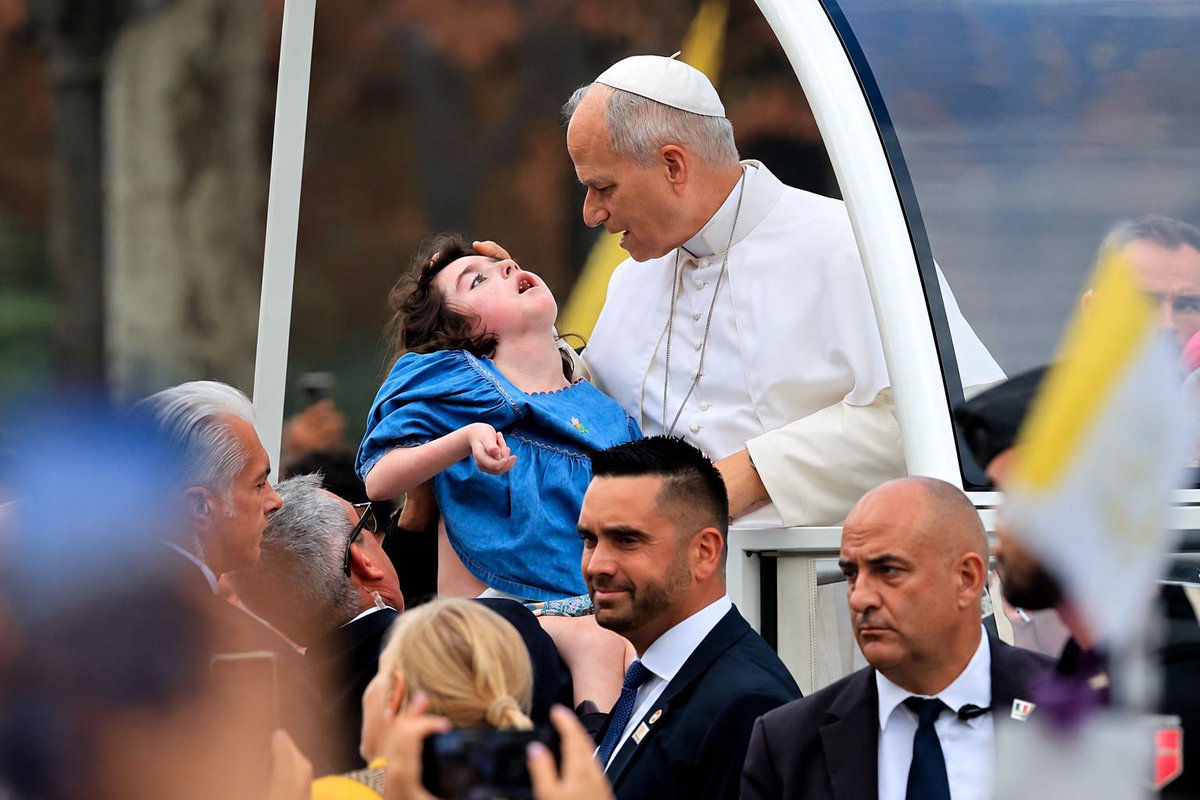
Has the Pope done in four months what an OCOG takes eight years to plan?
Since Albertville 1992 Winter Games, I spent more than thirty years in complexity management, building or assisting organising committees.
I know how many months, on paper, it takes to make an operation designed for one million people actually work. That number is ninety-eight.
The Games Foundation Plan for an Olympic Games is drafted at T-98 months. Leo XIV mobilised Paris, Lourdes and Metz in four.
This is not a religious anecdote. It is a textbook case that no consulting firm would have dared sell as feasible.
First, the numbers — because a conviction without numbers is just an opinion.
Between 500,000 and 800,000 people at Place de la Concorde and along the Champs-Élysées. Nearly 200,000 on the meadow at Lourdes. One million participants cumulatively over four days.
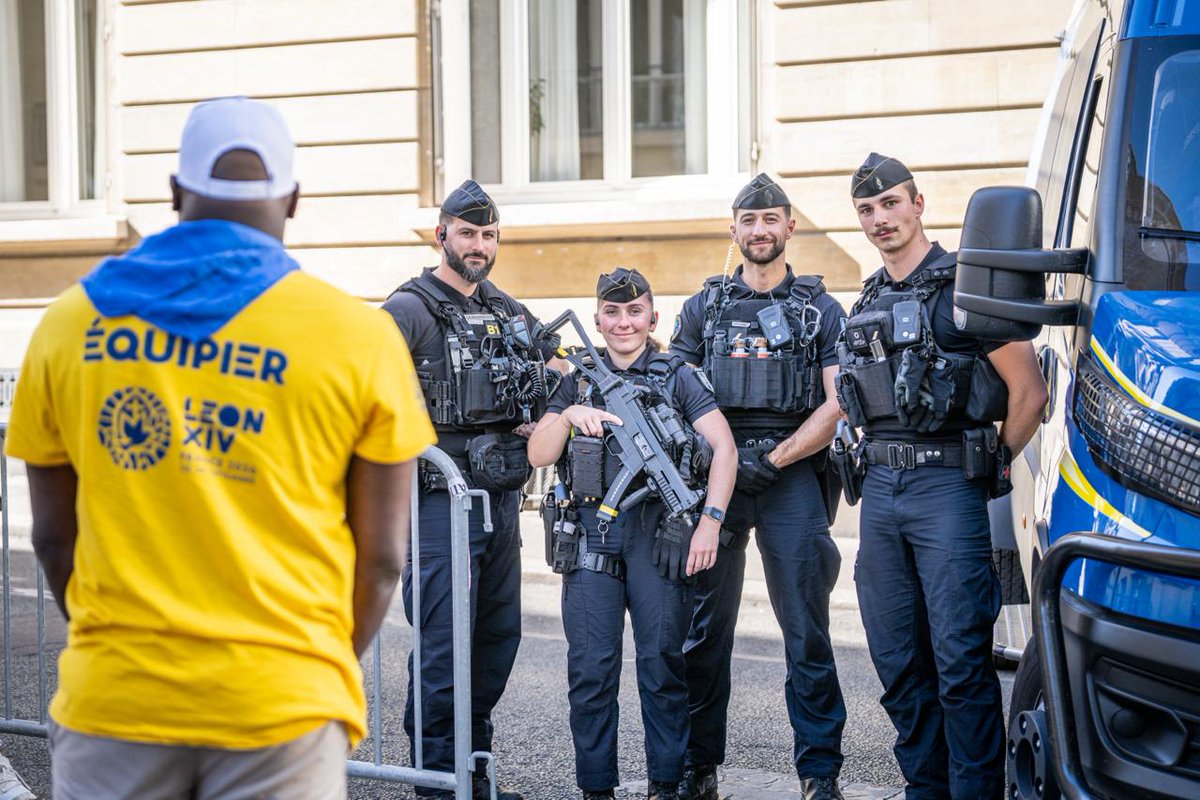
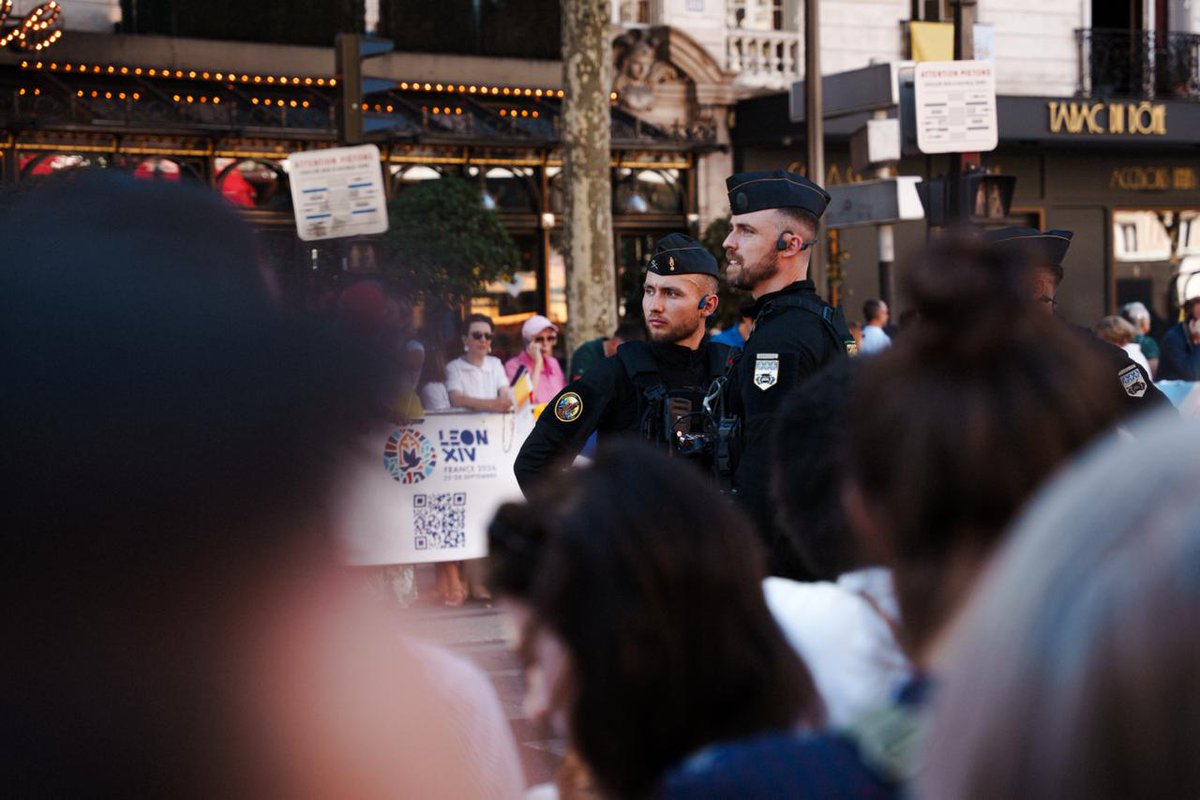
Fifteen to seventeen thousand volunteers, recruited, trained and deployed in three months. A €27 million budget, financed without a single euro of public money for the religious ceremonies themselves. Three thousand simultaneous distribution points for Communion in Paris alone. Nine thousand police officers and gendarmes mobilised across the Île-de-France region.
None of these figures is extraordinary in isolation. It is their simultaneity, delivered within four months, that should keep us awake at night.
Why it worked: this is not a “miracle” nor improvisation
Here is the mistake we all make when looking at it from a distance: assuming that speed came from some miracle of spontaneous organisation. It did not. In fact, the opposite is true.
#Pope #Paris2026 #megaevent #Complexity #Management #Agility #Coordination @dioceseparis@VaticanNews
Ô Notre-Dame de Lourdes, l’Immaculée Conception, nous te présentons le Peuple de Dieu qui chemine dans ce pays que tu as tant marqué par ta proximité. Renouvelle la foi et la ferveur des familles chrétiennes, si chères à ton cœur. Qu’elles soient généreusement ouvertes à la vie et que Dieu suscite en elles des vocations, en particulier sacerdotales et religieuses. Accorde à ton Église en France d’indiquer, surtout aux plus jeunes, le chemin lumineux de l’Évangile pour construire une société juste et fraternelle à laquelle ils aspirent. Amen. #VoyageApostolique #France
Dear Rashiq, I thank you for your input.
Yes, I think one can make that argument — with one important qualification.
FIFA is increasingly retaining the delivery capability itself rather than rebuilding it almost entirely for each World Cup. There is a strong logic to that: why should every major event spend several years recreating expertise that existed four years earlier and was then largely dismantled?
For the Olympics, I would not necessarily advocate an IOC-run OCOG. The Games are too embedded in the host country’s public authorities, infrastructure and political environment for that.
But I could certainly see the value of a permanent, highly experienced Olympic delivery core — largely composed of people who have actually delivered previous Games — being seconded into each new OCOG.
Their role would not be to replace the local organisation, but to get it operationally mature much faster: establish the operating model, C2, venue planning, readiness methodology, technology integration and Games-time processes, while training the local team.
In other words, retain institutional memory instead of repeatedly paying to rediscover it.
That could save both time and money — but perhaps even more importantly, it could reduce the enormous amount of delivery risk that is currently created every four years by rebuilding an organisation almost from scratch.
The key principle for me would be: centralise reusable expertise, localise execution and accountability.
#PapeEnFrance 🇫🇷 Nous sommes en train de vivre ces moments #ÀVosCôtés ! 🤩
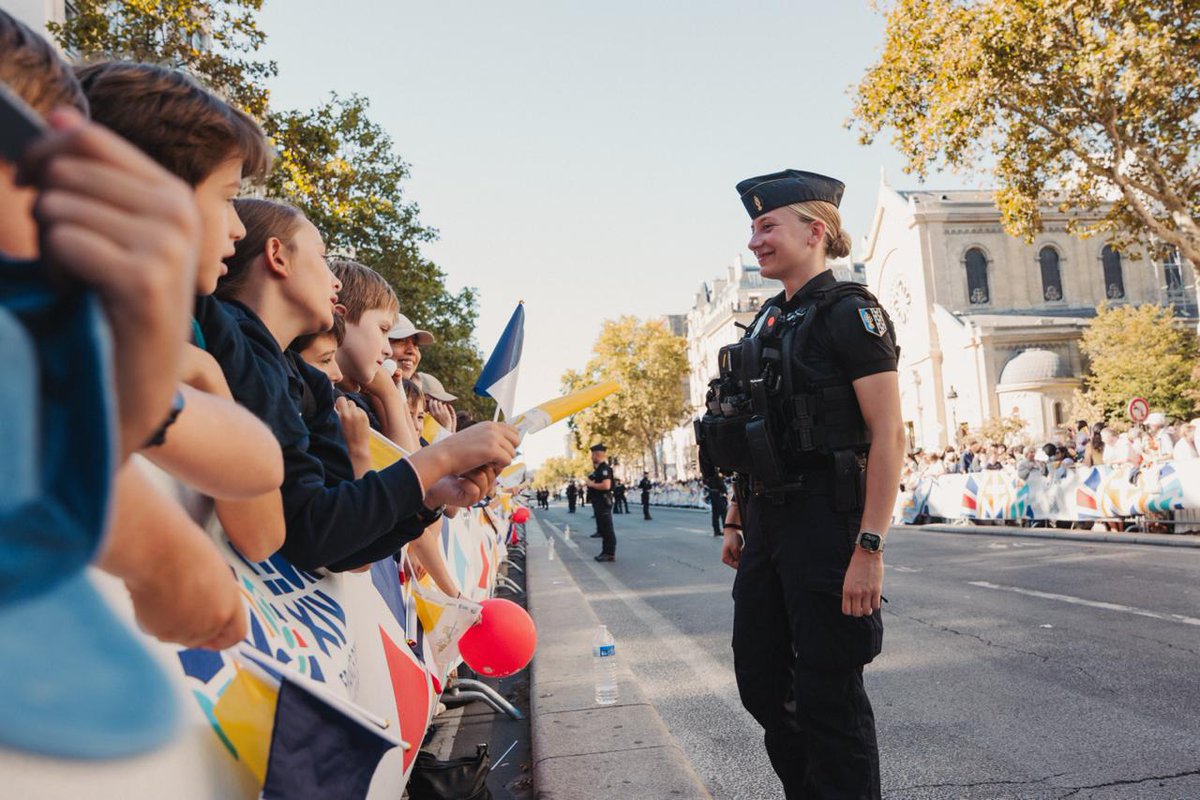
À #Paris, à #Lourdes et à #Metz, ce sont 6 000 #gendarmes par jour qui sont pleinement mobilisés pour faire de ces journées des moments de joie et de partage.
📸 SIRPAG - Adj. Hautier / Gnd Chatain
7/ The only area in which public money entered the system was security — and it did so fully and unambiguously, funded by the State rather than the organiser.
There was no grey area between who paid for public order and who paid for the religious event.
A system that spreads its financing across thousands of small sources rather than three major contracts has an advantage we consistently underestimate during fundraising: no single actor has the power to collapse the budget by walking away.
That is a lesson in structure, not a lesson in generosity.
What this changes for us:
We can read this visit as a religious event.
We can also read it as real-world proof that preparing a mega-event does not have to be slow in order to be robust — provided that the slowness, which remains necessary, has already happened elsewhere, earlier and in another form: a legal framework negotiated ten years before, an institution that already knows how to manage crowds, a delegation doctrine already written.
The day an Olympic organising committee walks into its first meeting with this kind of framework already in its pocket rather than having to invent it, it might no longer need ninety-eight months just to get started.
6/ Disperse funding rather than concentrating it — thousands of small funding sources rather than three large contracts, so that no single withdrawal can bring down the entire model.
Plus, twenty-seven Million Euros — and no single sponsor to thank (or brand-protect).
This fourth point is less visible than the field logistics, but just as transferable.
A conventional mega-event raises its budget from a handful of major accounts: an official broadcaster, Tier 1 sponsors and, sometimes, a public guarantee as a last resort.
One withdrawal, one negotiation that goes wrong, and the whole financial structure starts to wobble.
Nothing of the sort happened here. Twenty-seven million euros were financed through tax-deductible donations, corporate philanthropy, dedicated Sunday collections and merchandise — without a cent of public money funding the religious organisation itself.
Five and a half million euros had already been raised in the first week of September, before the Pope even arrived.
None of these sources would have been sufficient on its own.
Together, spread across tens of thousands of small donors, they funded the entire operation — staging, sound systems, accreditation and volunteer hospitality.