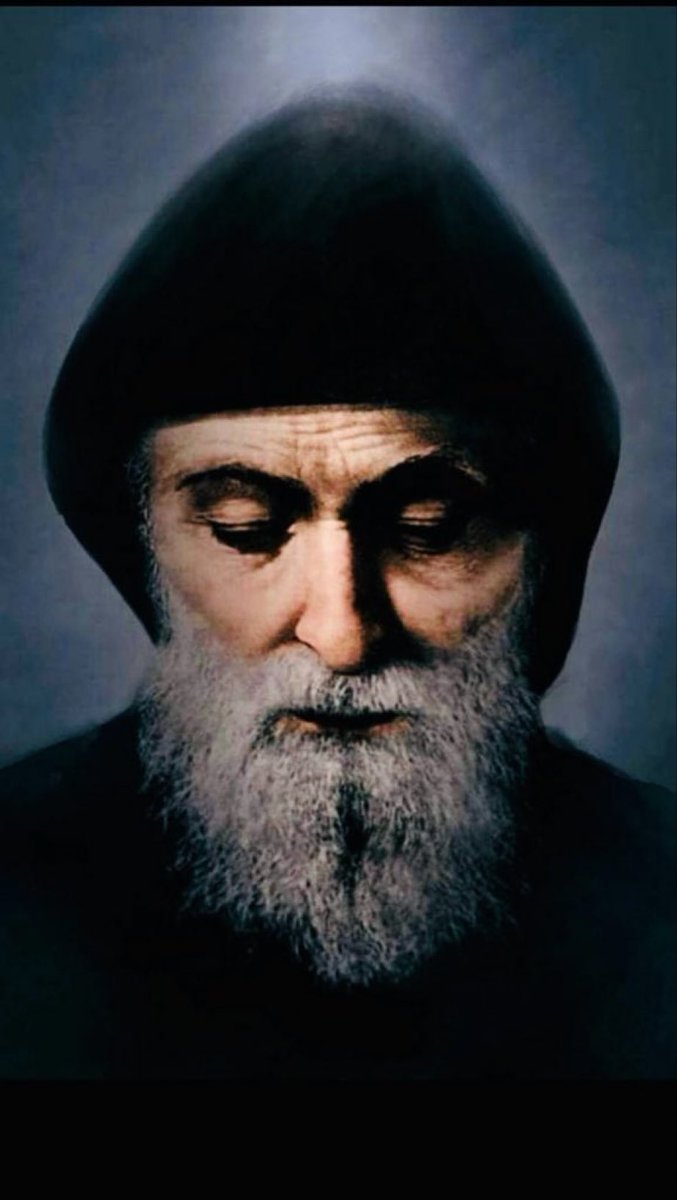
Bringing a little beauty to your TL. When you are tired of the world, come and see me. 🌲🌳🧙🏻♂️🏰🌳🌲✝️ (images are not mine except when explicitly stated)
@OnsetMMA@shortyman09 Bro, the only "advantage" you have over me is perhaps the place you were born (even though you don't look American to me...). In everything else I am better, specially at reading and understanding what I read.
@Moniker1221@shortyman09 This is so dumb. If it's written "kids only", "14 and under", somewhere on the menu or on a sign on a wall, then ok, I guess, but if it is not written anywhere and they refused to serve me "just because", I'd simply stand up and leave and never come back.
@Shmooze@JesterJum Yeah, but the restaurant accepted the risk when it priced the kids' menu below its cost. If an adult enters and asks for a kids' menu meal, the restaurant should not have the right to change the price on the spot just because it was an adult asking. Pacta sund servanda.
Woah, I've read this story about the dumb missionary who "lost his faith" (that he never had to begin with, since a dumb affirmation like "you've never seen Jesus" made he lose it) like, 10 years ago. Why is it trending now?
New: Joe Rogan was visibly intrigued when former Christian Daniel Everett reveals he spent years in the Amazon trying to convert the Pirahã tribe to Christianity, but their questions about Jesus ended up turning him into an ATHEIST:
“You Don’t Know Anyone Who’s Ever Seen Him?”
CONTEXT: Everett wasn't a casual Christian who lost interest in religion.
He went to Brazil in 1977 as a missionary, learned one of the world’s most unusual languages and translated the Gospel of Mark into Pirahã specifically to help convert them.
But he ran into a cultural rule that made Christianity extraordinarily difficult to communicate.
Everett has described the Pirahã as placing enormous importance on what he calls the “immediacy of experience”:
Information carries special weight when you personally witnessed it or when it comes from somebody who did.
Then they started asking Everett about Jesus.
EVERETT: “They said, ‘Yeah, yeah, but you’ve seen him. What did he look like?’”
“I said, ‘Well, I never saw him.’”
“I don’t know anyone who’s ever seen Jesus.”
EVERETT, quoting the Pirahã: “You don’t know anyone who’s ever seen him, and you’re just talking about him the whole time, telling us about him.”
“We don’t want to hear about this anymore.”
This wasn’t an overnight conversion to atheism.
Everett says he arrived in Brazil in 1977, was having serious doubts by around 1982, and by roughly 1985 he no longer believed.
He then kept his loss of faith largely secret for years because his family, livelihood and social world were deeply intertwined with Christianity.
And there was an experiment that makes this story even more fascinating.
Everett actually translated and recorded the Gospel of Mark in Pirahã.
He played it for a group of Pirahã men.
They understood what they were hearing.
But when they recognized the Pirahã man whose voice was telling the story, their response was essentially:
He didn’t witness Jesus either. Why should his recording change anything?
The missionary had successfully translated the Gospel.
The deeper problem was that he couldn’t translate the standard of evidence Christianity was asking them to accept.
There’s an important wrinkle here:
Calling the Pirahã simply “atheists” would be misleading.
Everett has described them talking about spirits and supernatural-looking beings, but crucially, they often speak about those experiences as things they believe they or someone they know actually encountered.
So this wasn't necessarily:
religious tribe vs atheist tribe.
It was closer to a collision between two radically different ways of establishing truth:
Christianity: testimony and traditions transmitted across thousands of years can carry religious authority.
Pirahã, as Everett describes them: Who actually saw it?
That cultural principle became so important to Everett that he later made it part of his academic work on Pirahã language and cognition.
And THAT triggered another enormous controversy.
Everett argued that Pirahã culture constrains communication toward immediate experience and that this helps explain extraordinary features he identified in their language.
Other prominent linguists challenged both his linguistic analysis and some of his claims about Pirahã culture.
So even the intellectual framework underneath this incredible story remains debated.
But one thing isn't really disputed:
Everett entered the Amazon intending to change the Pirahã worldview.
Instead, decades later, he wrote that their happiness and their demand for evidence he could not provide helped cause him to abandon his own faith.
Eventually he returned to them and told them: “I don’t believe this stuff anymore either.”
Their response?
“Oh, now you’re like us.”
New: Joe Rogan was visibly intrigued when former Christian Daniel Everett reveals he spent years in the Amazon trying to convert the Pirahã tribe to Christianity, but their questions about Jesus ended up turning him into an ATHEIST:
“You Don’t Know Anyone Who’s Ever Seen Him?”
CONTEXT: Everett wasn't a casual Christian who lost interest in religion.
He went to Brazil in 1977 as a missionary, learned one of the world’s most unusual languages and translated the Gospel of Mark into Pirahã specifically to help convert them.
But he ran into a cultural rule that made Christianity extraordinarily difficult to communicate.
Everett has described the Pirahã as placing enormous importance on what he calls the “immediacy of experience”:
Information carries special weight when you personally witnessed it or when it comes from somebody who did.
Then they started asking Everett about Jesus.
EVERETT: “They said, ‘Yeah, yeah, but you’ve seen him. What did he look like?’”
“I said, ‘Well, I never saw him.’”
“I don’t know anyone who’s ever seen Jesus.”
EVERETT, quoting the Pirahã: “You don’t know anyone who’s ever seen him, and you’re just talking about him the whole time, telling us about him.”
“We don’t want to hear about this anymore.”
This wasn’t an overnight conversion to atheism.
Everett says he arrived in Brazil in 1977, was having serious doubts by around 1982, and by roughly 1985 he no longer believed.
He then kept his loss of faith largely secret for years because his family, livelihood and social world were deeply intertwined with Christianity.
And there was an experiment that makes this story even more fascinating.
Everett actually translated and recorded the Gospel of Mark in Pirahã.
He played it for a group of Pirahã men.
They understood what they were hearing.
But when they recognized the Pirahã man whose voice was telling the story, their response was essentially:
He didn’t witness Jesus either. Why should his recording change anything?
The missionary had successfully translated the Gospel.
The deeper problem was that he couldn’t translate the standard of evidence Christianity was asking them to accept.
There’s an important wrinkle here:
Calling the Pirahã simply “atheists” would be misleading.
Everett has described them talking about spirits and supernatural-looking beings, but crucially, they often speak about those experiences as things they believe they or someone they know actually encountered.
So this wasn't necessarily:
religious tribe vs atheist tribe.
It was closer to a collision between two radically different ways of establishing truth:
Christianity: testimony and traditions transmitted across thousands of years can carry religious authority.
Pirahã, as Everett describes them: Who actually saw it?
That cultural principle became so important to Everett that he later made it part of his academic work on Pirahã language and cognition.
And THAT triggered another enormous controversy.
Everett argued that Pirahã culture constrains communication toward immediate experience and that this helps explain extraordinary features he identified in their language.
Other prominent linguists challenged both his linguistic analysis and some of his claims about Pirahã culture.
So even the intellectual framework underneath this incredible story remains debated.
But one thing isn't really disputed:
Everett entered the Amazon intending to change the Pirahã worldview.
Instead, decades later, he wrote that their happiness and their demand for evidence he could not provide helped cause him to abandon his own faith.
Eventually he returned to them and told them: “I don’t believe this stuff anymore either.”
Their response?
“Oh, now you’re like us.”
(2/2) but considering the general state of the world, they shouldn't boast and brag about their egregores. Specially online. Keep low profile, keep offline.
(1/2) Good men everywhere in the world should be forming communities, clans, egregores, etc. to support each other, forming like-minded groups with members with multiple skills : lawyers, doctors, accountants, plumbers, woodworkers, IT guys, etc.








 https://t.co/hUByIZMlca](https://pbs.twimg.com/media/HPtXM6EXMAALU4k.jpg)