Died today 138AD Hadrian, Roman emperor (117-138), dies at 62. He rebuilt the Pantheon & constructed the Temple of Venus & Roma, & is perhaps best known for building Hadrian's Wall, which marked the northern limit of Roman Britain. He is regarded as one of the Five Good Emperors
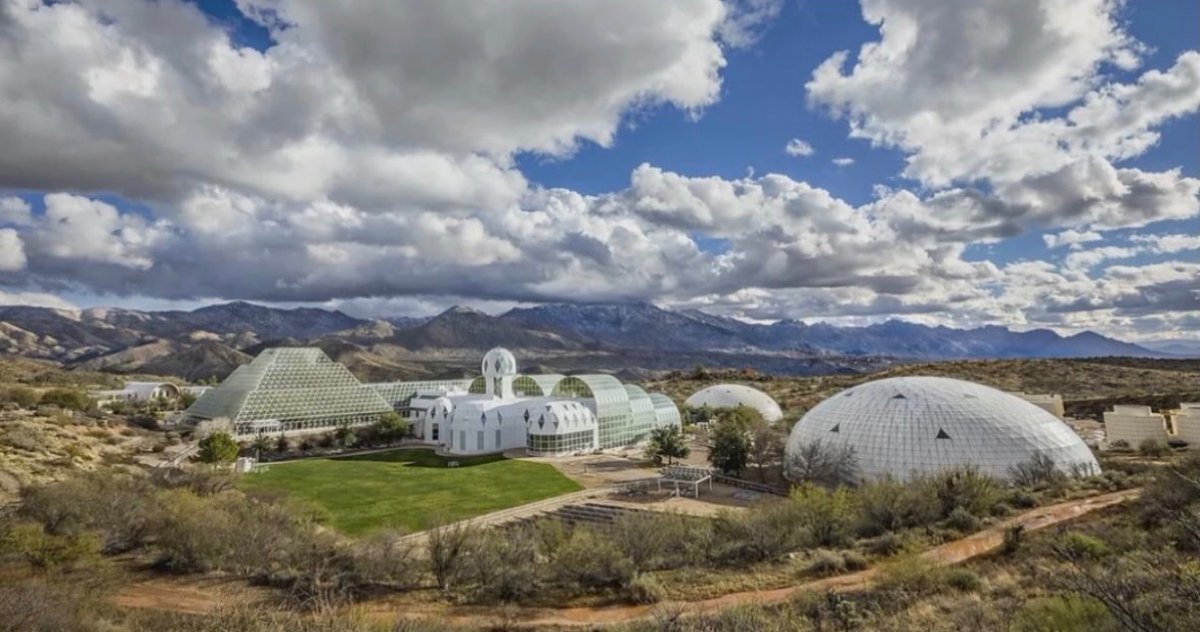
In 1991, eight people sealed themselves inside an artificial, self-contained ecosystem in Arizona as part of an ambitious experiment to live without outside support. Over the next 16 months, oxygen levels fell from 21% to just 14% after carbon dioxide unexpectedly reacted with and became trapped in the facility’s concrete, disrupting the carefully balanced atmosphere.
The experiment was known as Biosphere 2, a huge glass-and-steel facility built near Oracle, Arizona, to test whether people could survive in a completely sealed ecosystem. Designed as a miniature version of Earth, it contained a rainforest, ocean, desert, wetlands, farmland, and living quarters. On September 26, 1991, eight crew members entered the enclosed habitat for a planned two-year mission.
The project was promoted as a step toward future space colonies and self-sustaining living, but it soon faced major challenges. Crops produced less food than expected, the crew lost weight, interpersonal tensions grew, and oxygen levels steadily declined. Researchers later discovered that soil microbes were consuming oxygen while producing carbon dioxide, much of which reacted with the concrete walls and became trapped as calcium carbonate. As a result, oxygen disappeared without a corresponding buildup of carbon dioxide, forcing the team to pump oxygen into the habitat to complete the mission.
Today, Biosphere 2 remains in operation and is owned by the University of Arizona, where it serves as a research center for climate science, Earth systems, and environmental studies.
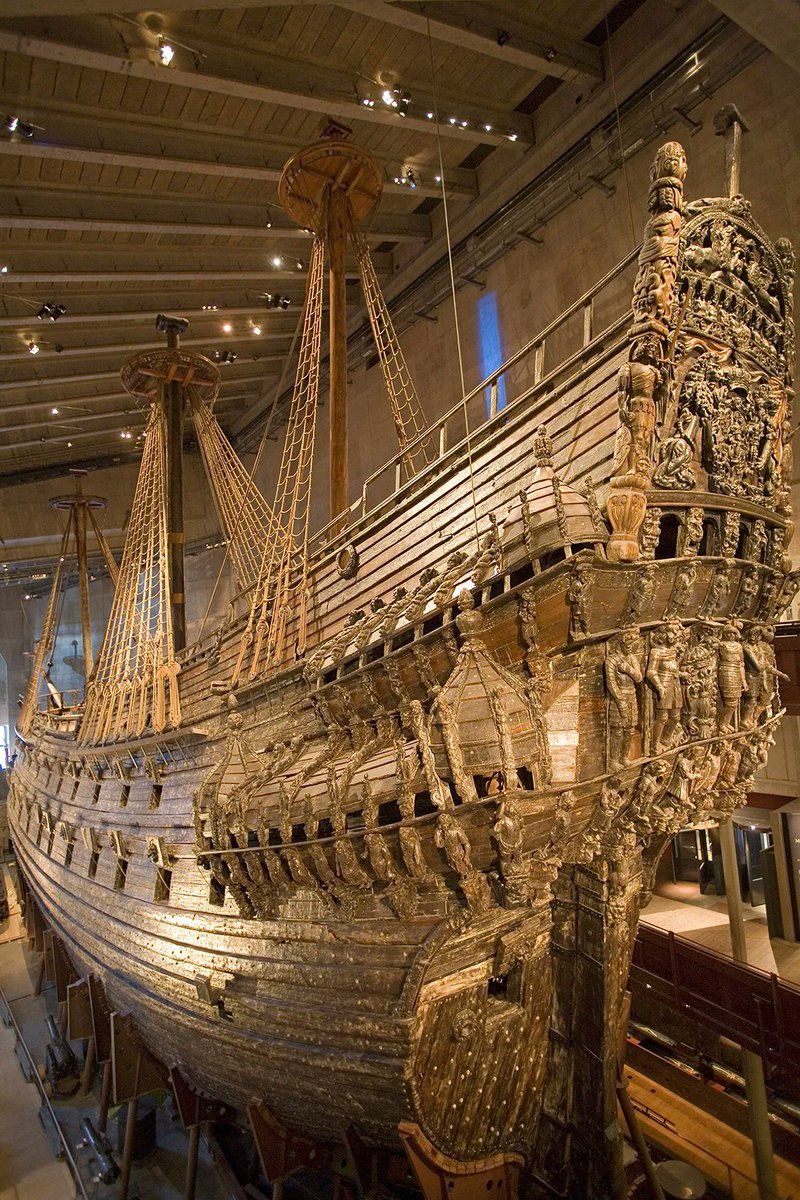
This is the world’s best-preserved 17th-century ship. The Swedish warship Vasa sank just minutes into its maiden voyage in 1628, then lay perfectly intact on the seafloor for over 300 years until its remarkable recovery
When billionaire J. Paul Getty’s grandson was kidnapped, Getty refused to pay the equivalent of a $17 million ransom. After the kidnappers mailed the teen’s severed ear, he agreed to pay about $3 million—but covered only $2.2 million himself and loaned his son the remaining $800,000 at 4% interest.
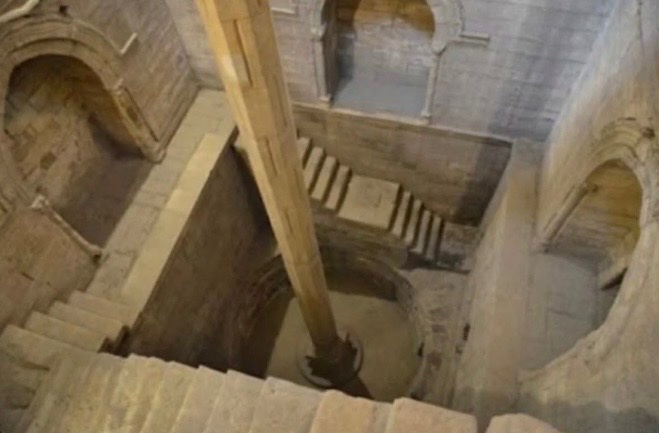
Ancient Egypt’s economy depended on the Nilometer, a giant stone measuring device that tracked the Nile’s annual floods—helping predict harvests, famine, and floods, while also guiding how much tax farmers owed.
Ancient Egypt’s economy depended on a remarkable stone measuring device known as the Nilometer. It was used to track the Nile’s annual flood, a natural event that determined whether the coming year would bring famine, prosperity, or destructive flooding. When the water reached the ideal level, farmers could expect rich harvests; if it rose too little or too much, crops often failed.
Priests carefully recorded the river’s height, while government officials used these measurements to forecast harvests, manage grain supplies, and calculate taxes. Some Nilometers were built inside temples, reflecting the belief that the Nile’s floods were a divine gift.
For over 3,000 years, this simple instrument helped sustain one of history’s most enduring civilizations.