The extremely rare Greek rhetorical term σαρδισμός for ‘multilingual mixture’ or ‘code-switch’ turns out to have a Rabbinical Hebrew equivalent sardiston (סרדיסטון)! Good paper on this in recent CQ by Amit Gvaryahu
#Jobalert (in Dutch) Wij zoeken een nieuwe collega collectie-expert/conservator. Ben je gebeten door boekgeschiedenis (na 1600)? Aarzel dan niet om ons te overtuigen van je kandidatuur! Solliciteren kan tot en met 19 mei. https://t.co/tLL408ykr4
The sublime opening "Hymn to Venus" of Lucretius' De Rerum Natura recast as a Homeric hymn to Aphrodite by the teenage HAJ Munro when a schoolboy at Shrewsbury in the 1830s.
Valentina Mele ottiene una Global Fellowship Marie Skłodowska-Curie presso il Dipartimento di Studi Umanistici #unipv per studiare la ricezione di #Dante nelle avanguardie poetiche americane del secondo Novecento . Tutti i dettagli👇https://t.co/lqVKUnfEq0
I am pleased to announce that my paper,
"Holding out for a Hero. Erasmus and Poliziano in the Renaissance battle for Classical bilingualism", will be presented at the Neolatinistendag tomorrow in Utrecht! 📚 I look forward to such an exciting programme. 🌟 Tot morgen!
The "Groot Begijnhof", also known as "Begijnhof Ten Hove", is a well-preserved historic quarter in the southern part of #Leuven (Vlaams-Brabant), Belgium. Established in the early 13th century, with the earliest records dating back to 1232, it served as a community for unmarried, semi-religious women known as beguines. The beguinage experienced its first period of prosperity in the 13th century, followed by challenges during the religious conflicts of the 16th century. A notable figure associated with the beguinage is Adriaan Florensz. Boeyens, who served as a pastor in 1490 and later became Pope Adrian VI. From the late 16th century, especially after the Twelve Years' Truce in the 17th century, the beguinage saw a resurgence, with the number of beguines peaking at over 360 between 1650 and 1670. Architecturally, the Groot Begijnhof resembles a small town, featuring narrow streets and small squares. Most of its houses were constructed between 1630 and 1670 in traditional local style with baroque elements.
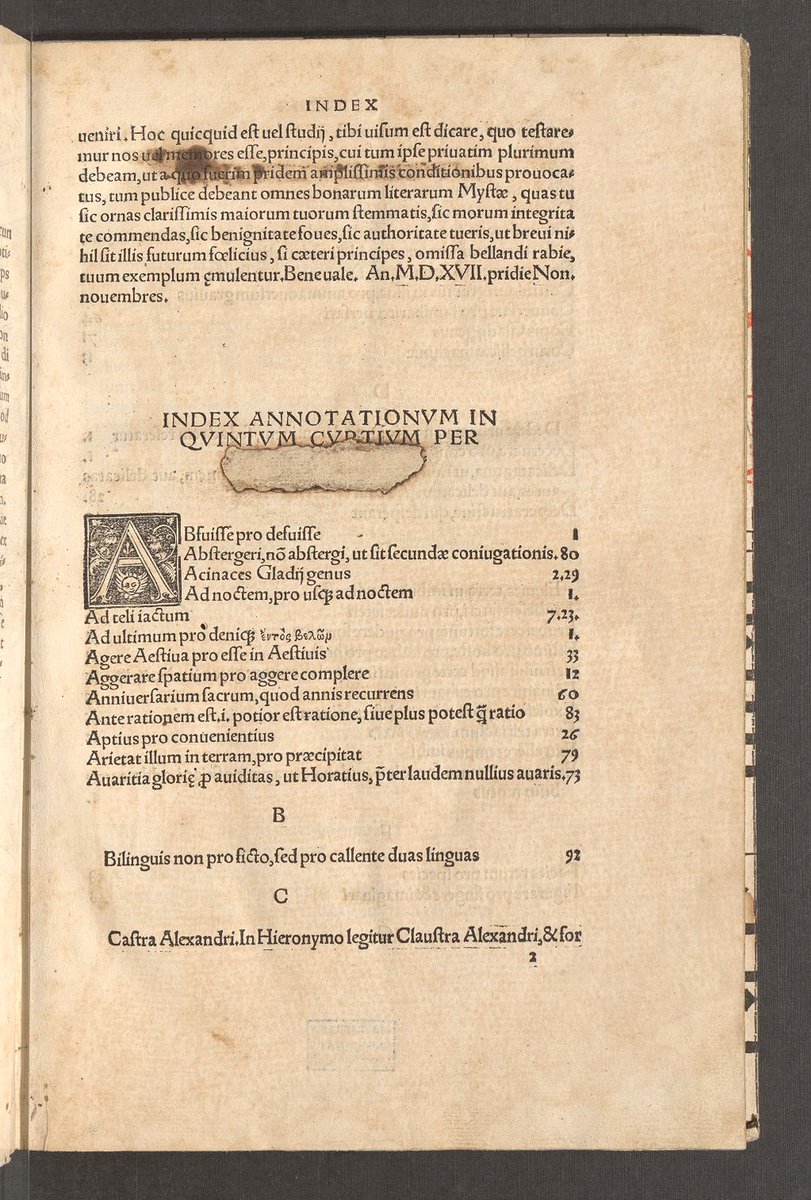
Another example of #censorship of the name of Erasmus, because it is indeed the name of "Erasmum Roteroddamum" which you cannot read (see copy UGent https://t.co/igPI4pzXEJ.001330/-1, our copy CaaB426). #tomorrowsresearch#rarebooks#Leuven1425
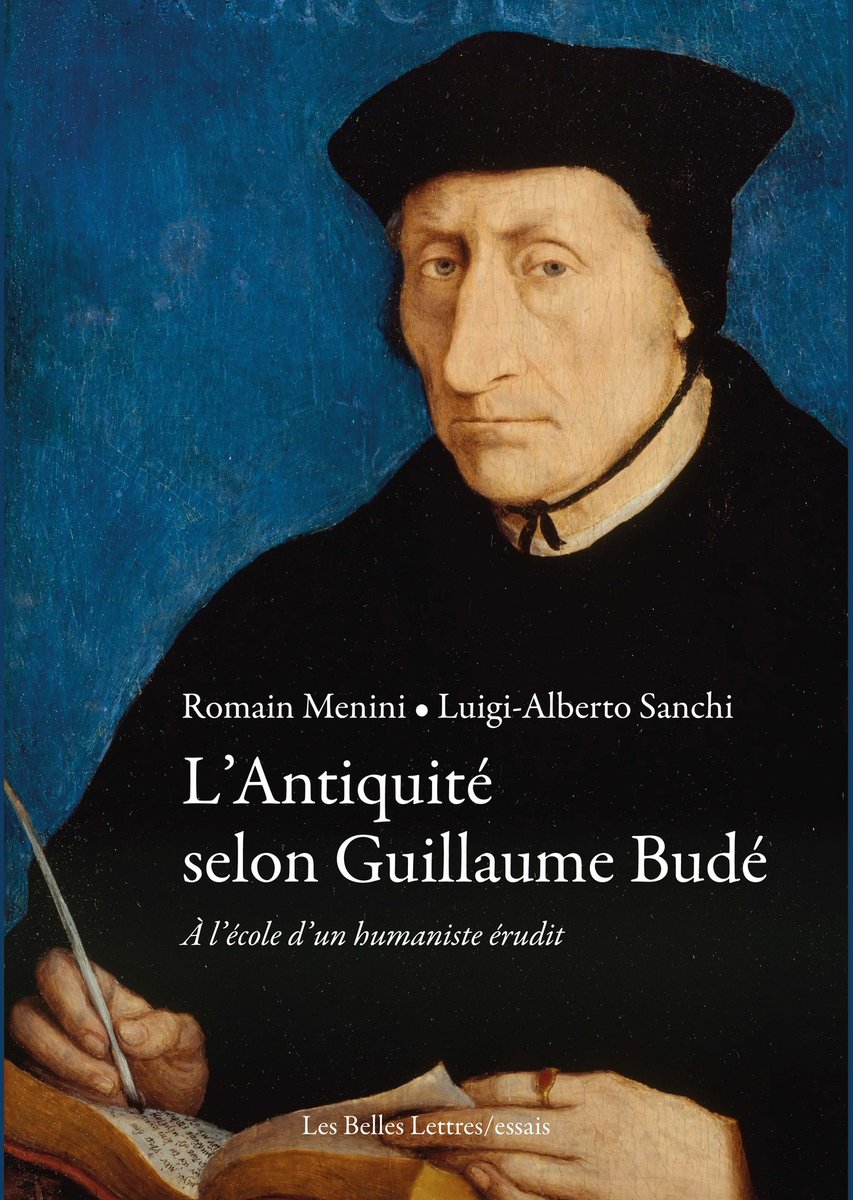
📣 À paraître le 15 janvier 2025 : Romain Menini , Luigi-Alberto Sanchi, L'Antiquité selon Guillaume Budé. À l'école d'un humaniste érudit
🔎 En savoir plus : https://t.co/RCUYzvdABJ
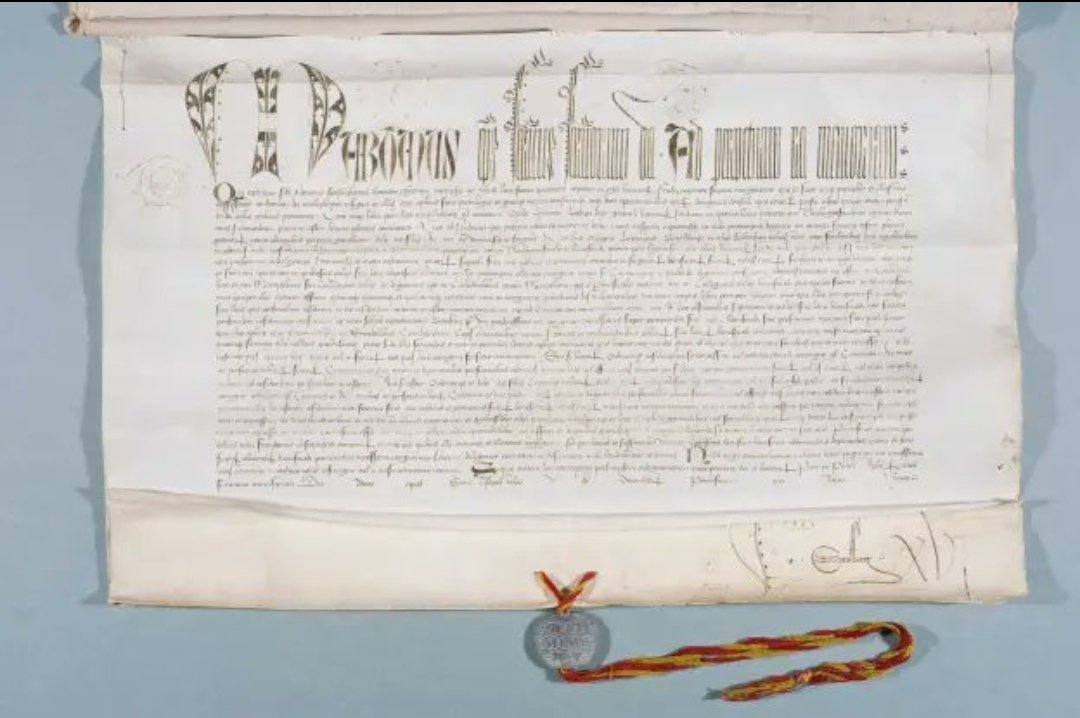
#OTD in 1425, Pope Martin V issued the Bull 'Sapientie immarcescibilis' that officially founded the University of Leuven, the first university in the Low Countries @KU_Leuven@LucSels
#WorkshopDay tomorrow! We will present our ERC-funded ERASMOS project on Classical bilingualism in the Renaissance here in Leuven 😍 really looking forward to such an exciting line-up of speakers!
https://t.co/nnDohG8EM8
AVAILABLE NOW: Part of our @ImaginesProject series, Playful Classics: Classical Reception as a Creative Process explores lucid interactions with classical antiquities. Find out more: https://t.co/0TymYkew2I
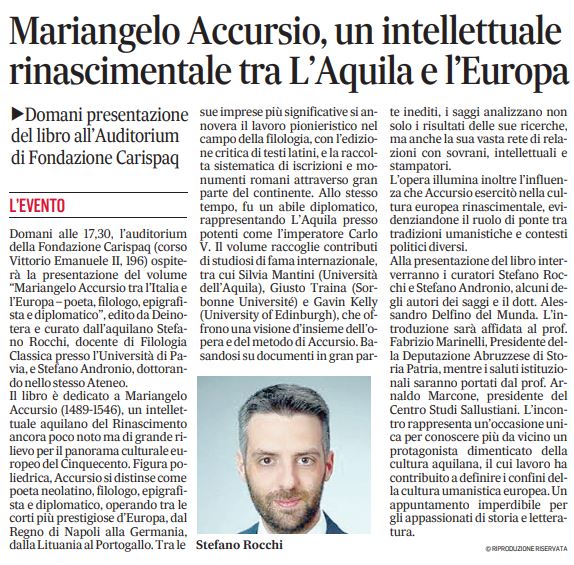
#classicalreception@BMCReview W.Stenhouse on S.Rocchi, S.Andronio, Mariangelo Accursio tra l'Italia e l'Europa: poeta, filologo, epigrafista e diplomatico https://t.co/X1UagEaHjo "how classical scholars today can deal with..challenges posed by sixteenth-century humanists’ work."