BopCo is a joint initiative of @nat_sciences_be and @africamuseumbe for the identification of policy-relevant biological samples, using morphology and genetics
Welcome to the BopCo account! We identify biological materials of policy concern such as species protected under CITES, invasive alien species, pests, and disease vectors. We use morphological techniques and advanced DNA barcoding at the request of e.g. governments and NGOs 🧬🔬
🤩 Many thanks to the various stakeholders for their trust in our identification services, and thank you for being part of our journey.
🎉 The BopCo team wishes you happy holidays and an inspiring 2025!
🤝 @belspo || @nat_sciences_be || @africamuseumbe
🎆 The end of the year is near, so it’s time for the BopCo recap.
📈 In 2024, BopCo processed a total of 86 identification requests, a new record!
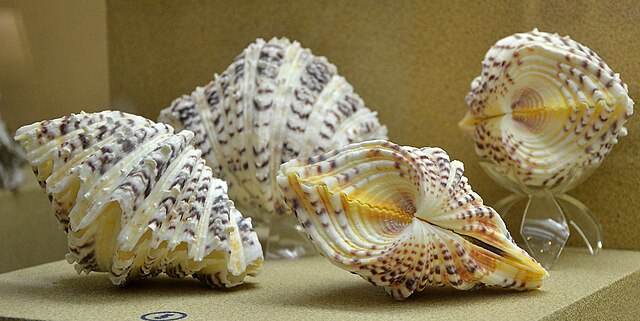
🐦⬛ Most of the species we identified were birds (Aves), followed by flies (Diptera) and snails, slugs, and bivalves (Mollusca).
🛬 The majority of the identifications were related to bird strike incidents at the airport, followed by species protected under CITES regulations (e.g., eels, pangolins, snakes, sea snails), and pest species such as (fruit) flies.
🧬 Learn more about the INTERCEPT project: https://t.co/y6ZsiZFDMz
🌐 Learn more about BopCo’s species identification services: https://t.co/paJ0faD04C
🤝 @belspo || @africamuseumbe || @nat_sciences_be
🌍 Last week, BopCo participated in a workshop organized by FPS Public Health and @nat_sciences_be, to discuss crucial strategies to combat wildlife trafficking and the related health implications in Europe, together with experts from TRAFFIC, @WWFFrance, @AirFranceFR, and more.
🔬 Proudly supporting the INTERCEPT project, alongside @sciensano and the @UAntwerpen, BopCo is developing safe sampling protocols and a comprehensive database to boost enforcement and communication among Belgian law enforcement agencies.
🔬 As part of the integrated pest management strategy, the museum’s team actively monitors insect presence to prevent further harm to the objects. Using invertebrate traps, and DNA-based species identification by @BopCo_be, they aim to protect this incredible cultural heritage.
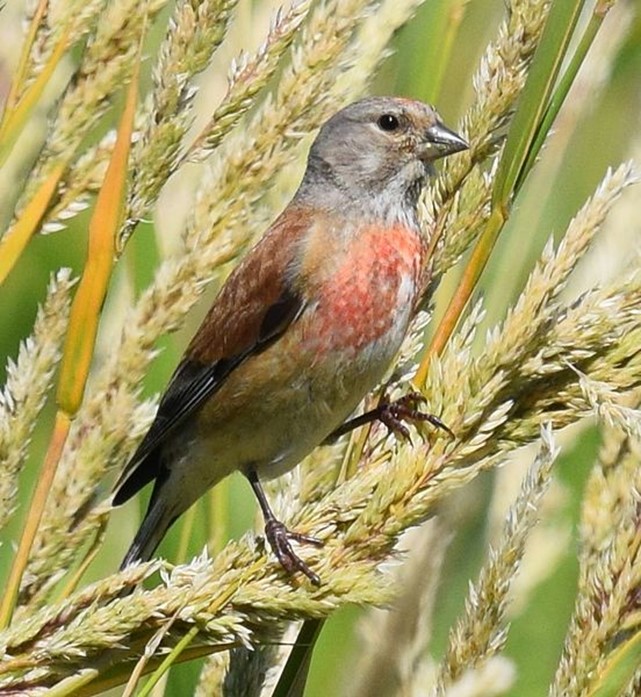
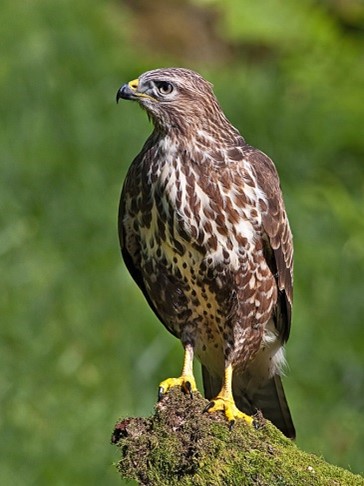
🐦⬛ Birds that are often involved in these incidents include buzzards (such as Buteo buteo), swifts & swallows (such as Apus apus, Hirundo rustica), and songbirds (such as Alauda arvensis, Carduelis cannabina).
🌐 Read more: https://t.co/51LemMi4Gr
🛫 Enhancing aviation safety with BopCo's species identification services
🪽 We identify the biological remains collected from bird strike incidents (collision between aircraft and birds). Bird strikes can endanger passengers and crew as they can cause damage to aircrafts.
🧬 In collaboration with taxonomic experts from the @africamuseumbe and the @nat_sciences_be, we investigate feathers and other remains post-incident. Using morphology and DNA-based methods, we identify the species even from a simple blood swab or fragmented biological tissue.
🔍A shared goal among @DisscoFlanders members is to integrate DNA collections into @DiSSCoEU, thereby increasing their visibility and utility, while making data and media more findable, accessible, interoperable, and reusable (#FAIR).
🧬 DNA collections are an invaluable resource across many fields of research. For example, BopCo uses DNA sequencing to identify species of policy concern, efforts that depend on the curation and comprehensiveness of DNA collections.
Learn more: https://t.co/pAmSISjUEQ
�� On November 3rd, we were at the @botanicgarden01 for the citizen science project #FlatwormWatch! 🍂🔍 The project has already gathered dozens of observations, and we even discovered a species never before seen in Belgium! Thank you to all the participants! 💚
🔬 Discover more about our work and related biodiversity projects that directly impact health policies:
🔗 Exotic #mosquito monitoring: https://t.co/4pBFgniCNm
🔗 DNA barcoding of African fruit flies: https://t.co/6NCG4YCNgc