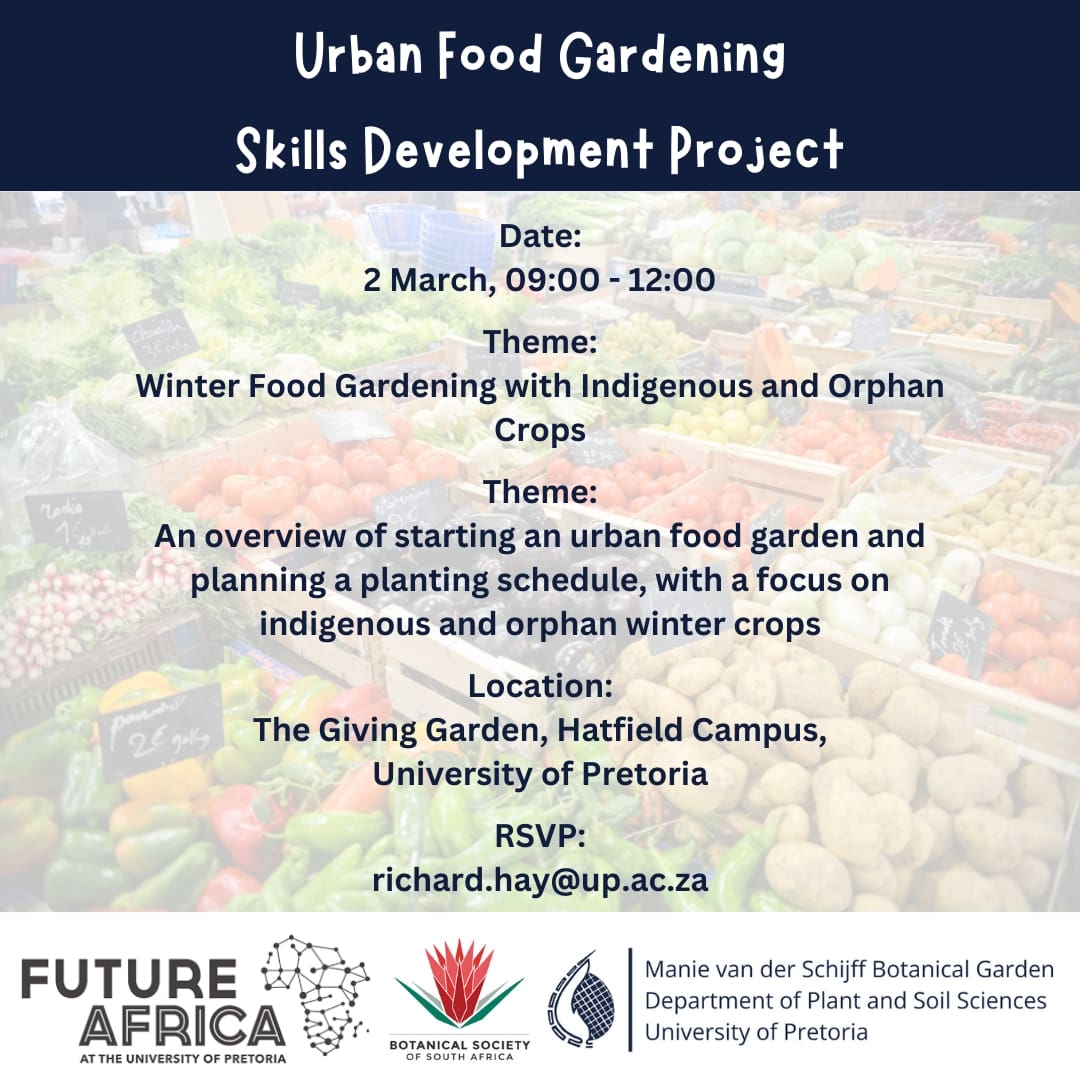
Interested in learning about growing your own food? Join us for the nest instalment of the Future Africa Urban Food Gardening Skills Development Project🌱
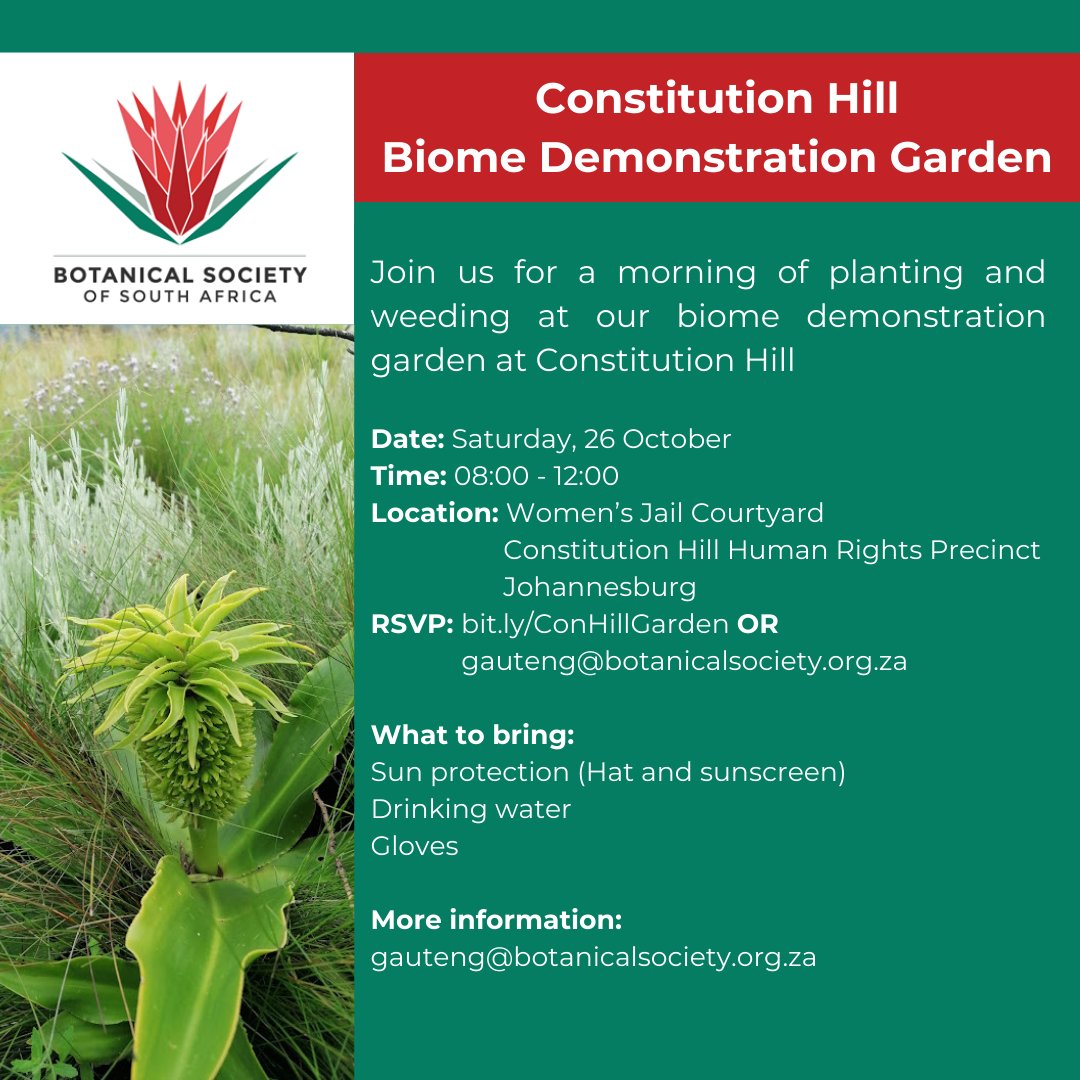
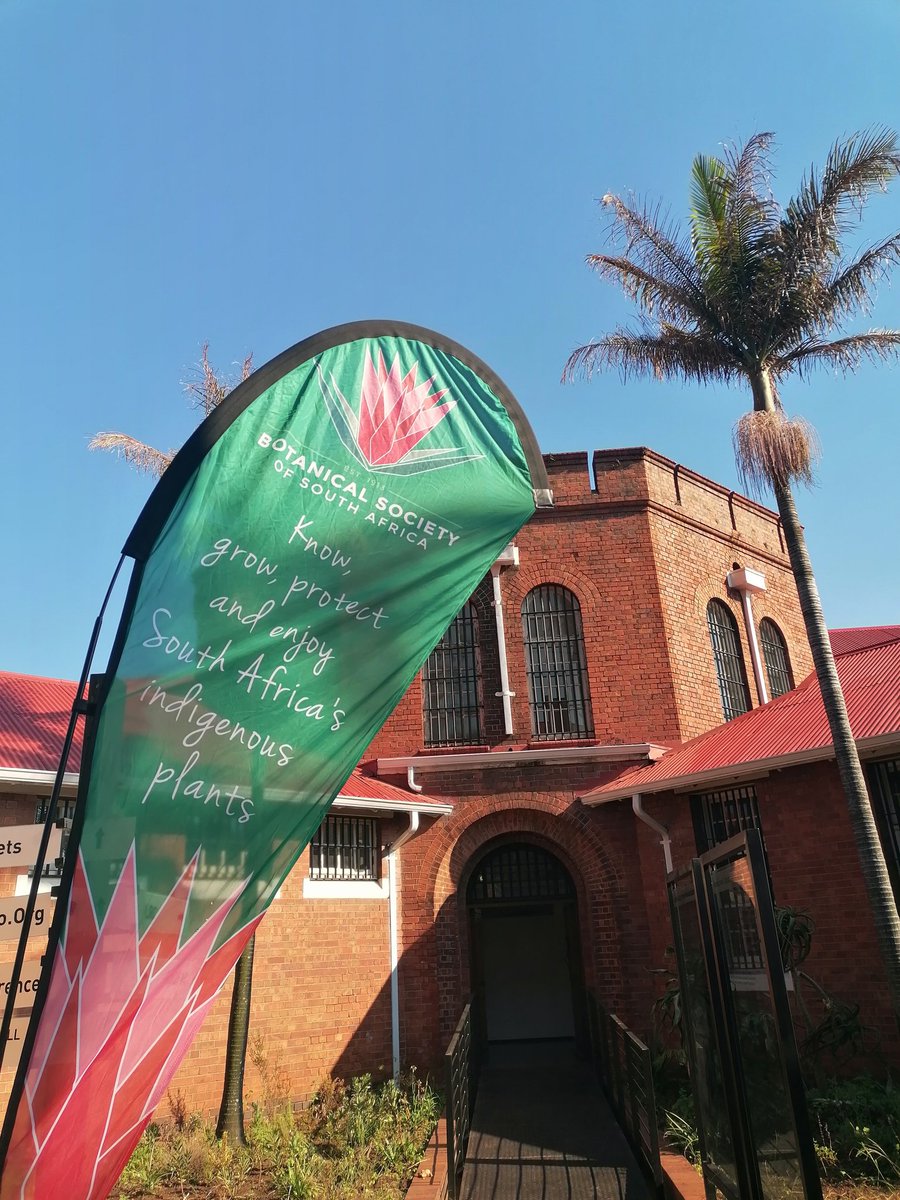
Join us for another session in our biodiversity diversity garden at Constitution Hill tackling weeds and talking about gardening with indigenous plants in urban spaces 🌱
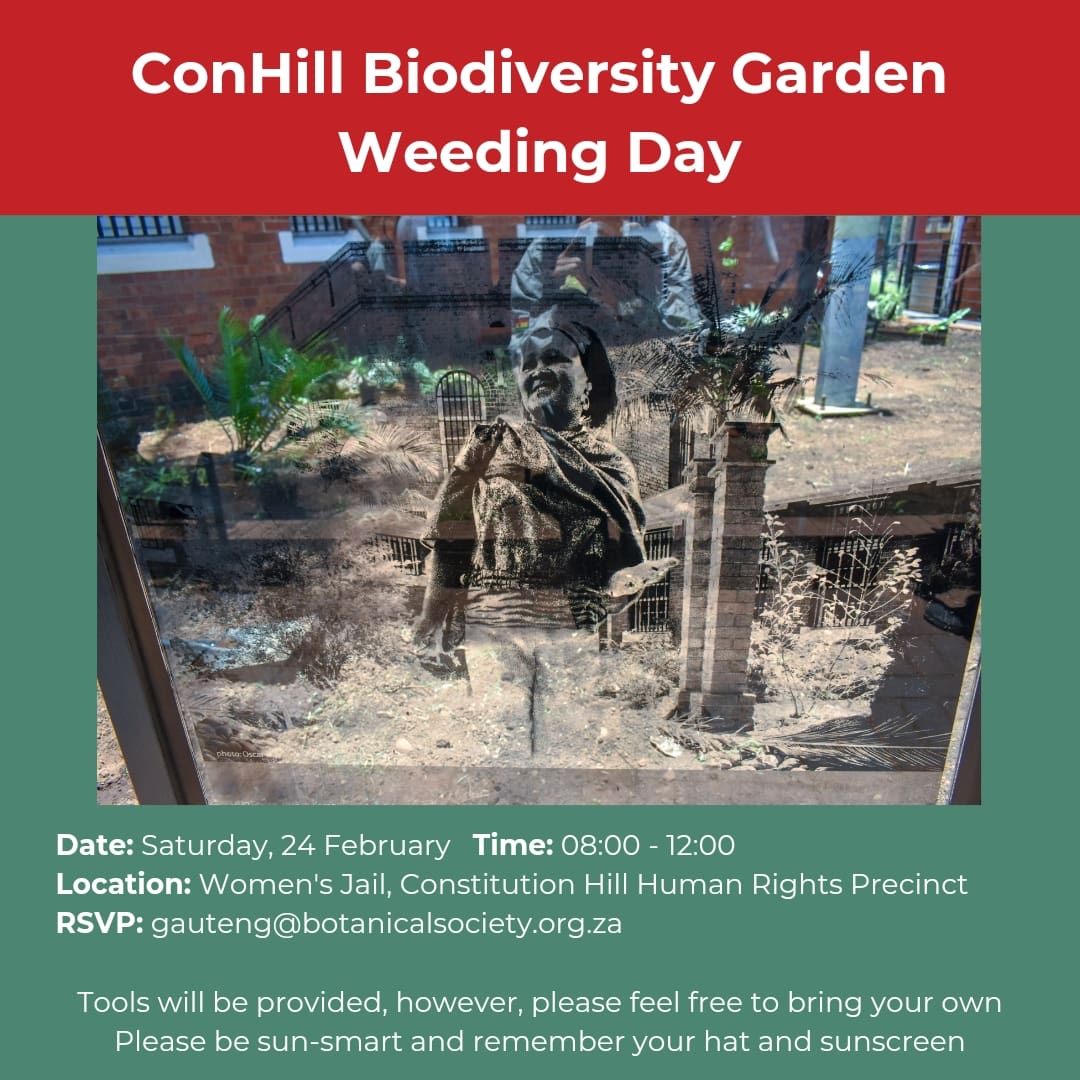
Join us for another session in our biodiversity diversity garden at Constitution Hill tackling weeds and talking about gardening with indigenous plants in urban spaces 🌱
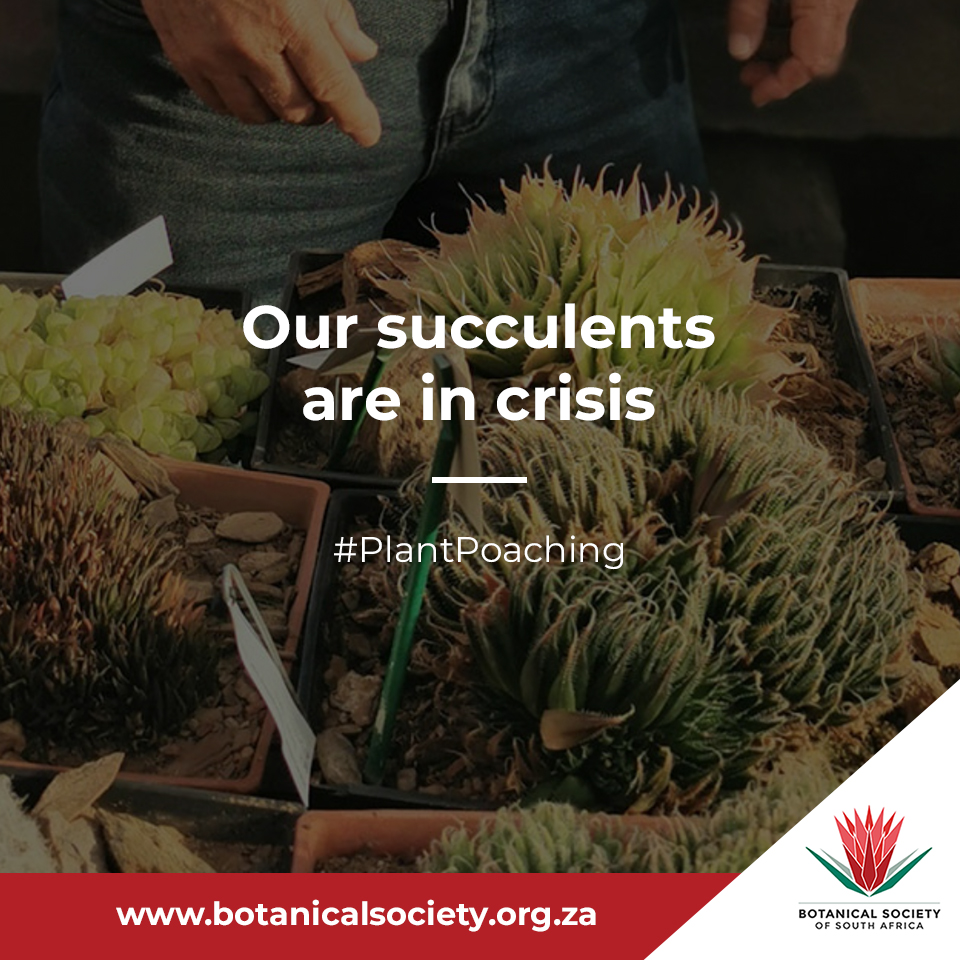
Our #succulents are in crisis! Due to a rapid rise in the global demand for #SA succulents since 2019, poaching & illegal trade have had a detrimental impact on our species populations. #BotSocSA, our members and our partners are taking action: https://t.co/lPN9PEWmXF
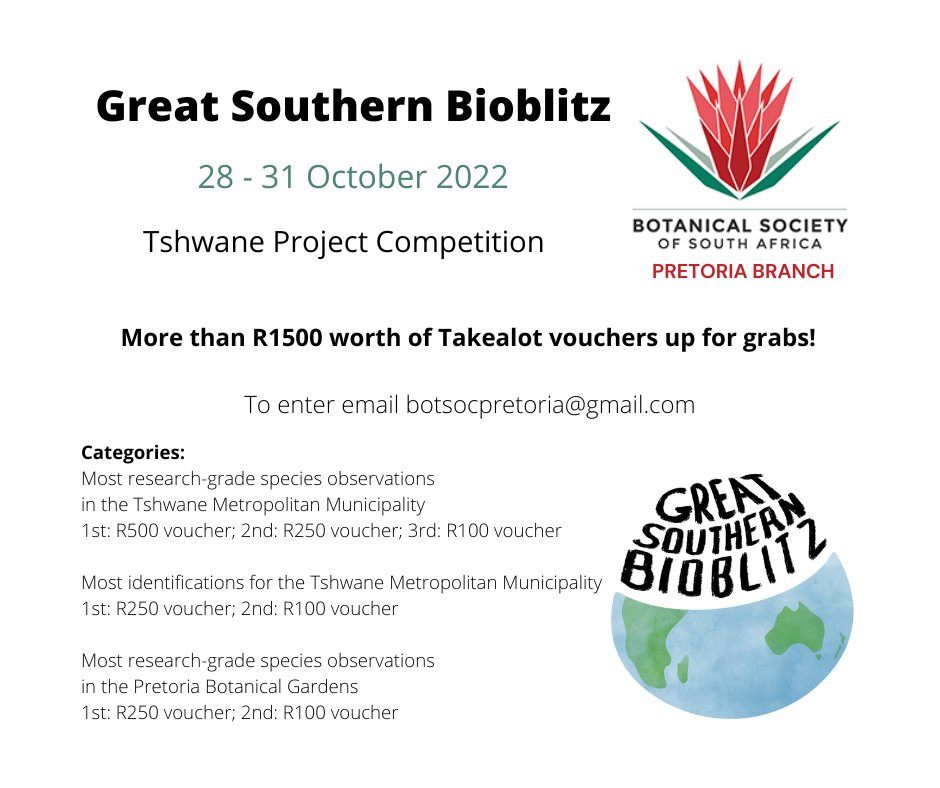
Competition time!🌱
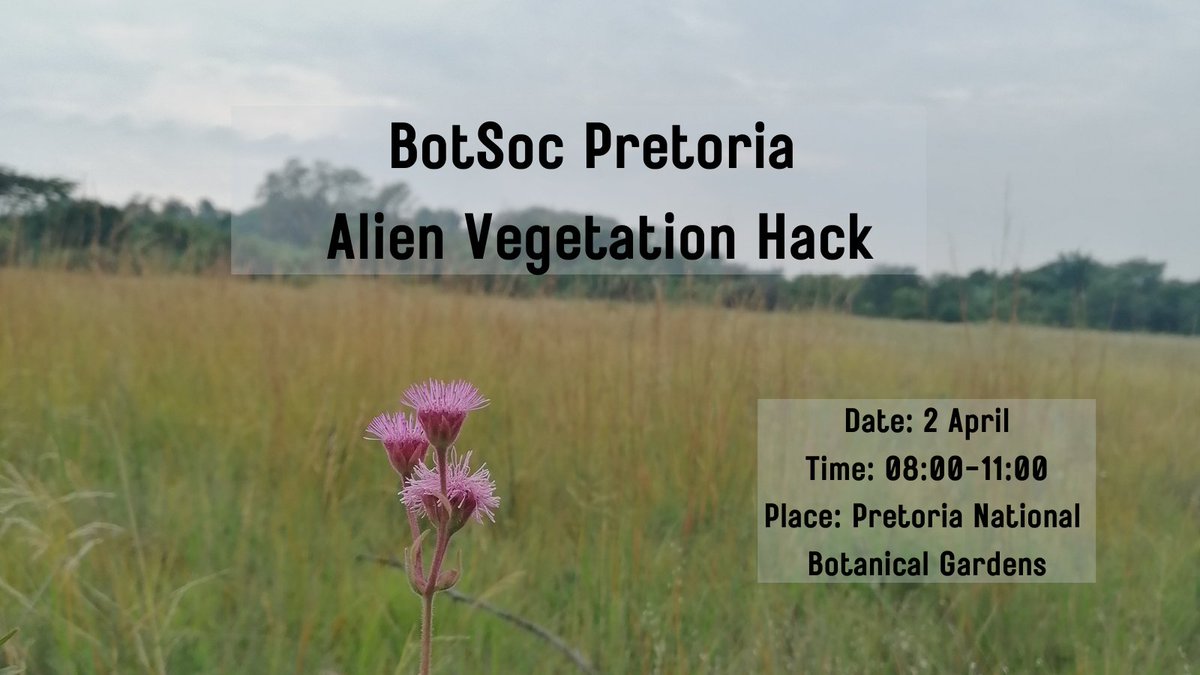
As part of the @GSBioblitz this weekend, we have a number of @TAKEALOT vouchers up for grabs for the most observations + identifications made in @PretoriaGarden and wider @CityTshwane municipality🌿
To enter/for more details: [email protected]
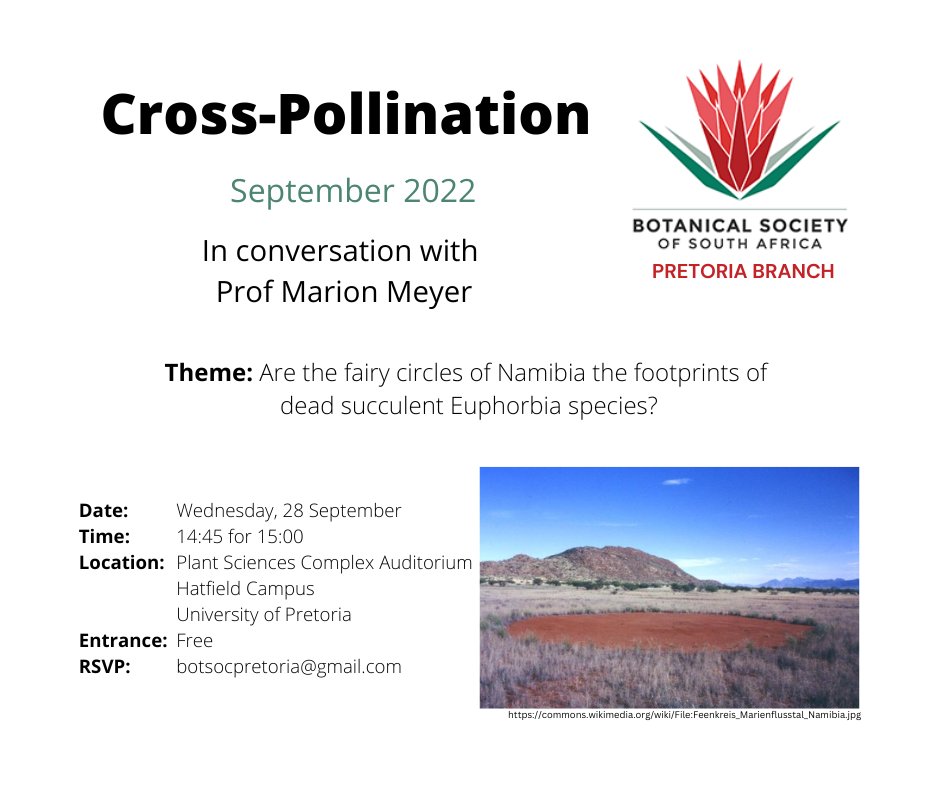
In the next instalment of our Cross-Pollination series, we'll be hearing from @UPPlantAndSoil's Prof Marion Meyer on the mysterious origins of Namibia's fairy circles🌱
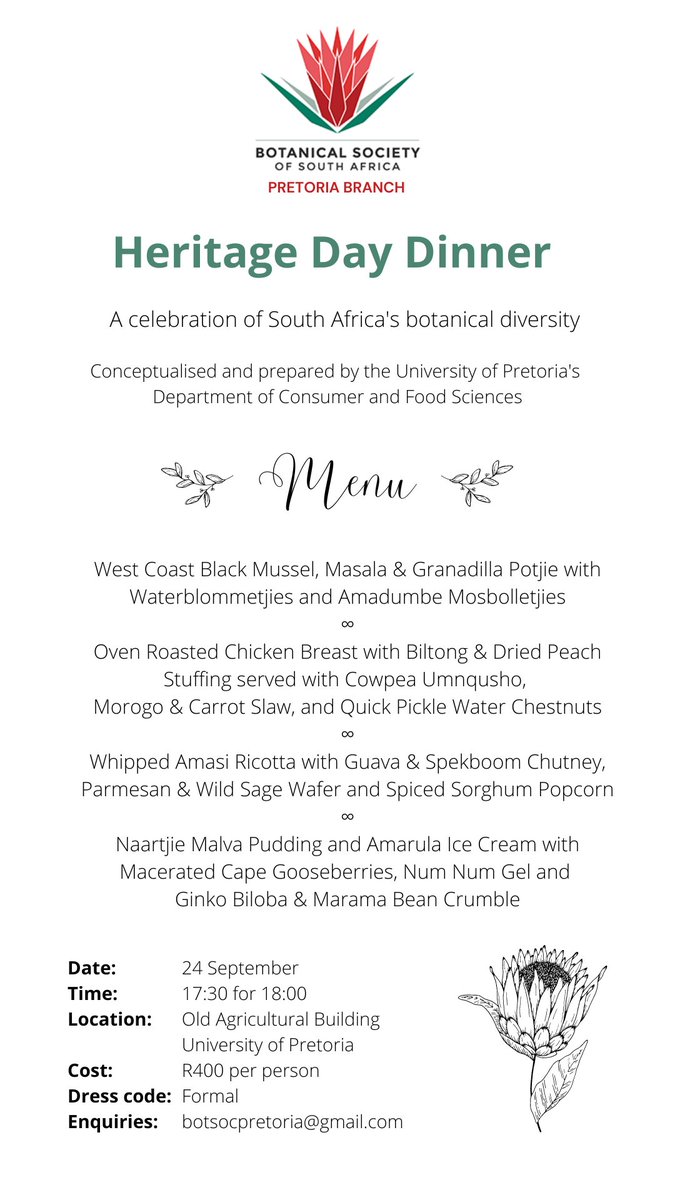
We are pleased to announce the menu for our Heritage Day dinner, conceptualised by the @UPnasagric Department of Consumer and Food Sciences students🌿
This event is open to everyone, as a celebration of South Africa's botanical diversity🌱
Enquiries: [email protected]
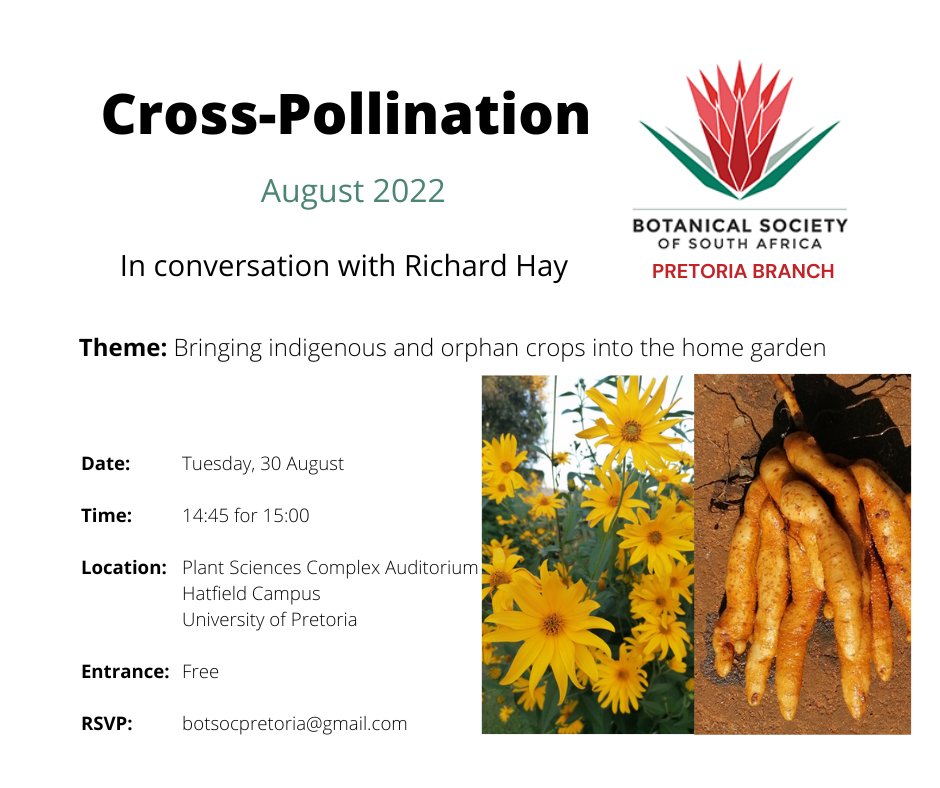
Our speaker for this month's Cross-Pollination is @HaysHarvest, on bringing indigenous and orphan crops into the home garden and some collaborative work establishing a 'giving garden' through the @UPPlantAndSoil Manie van der Schijff Botanical Garden🌱
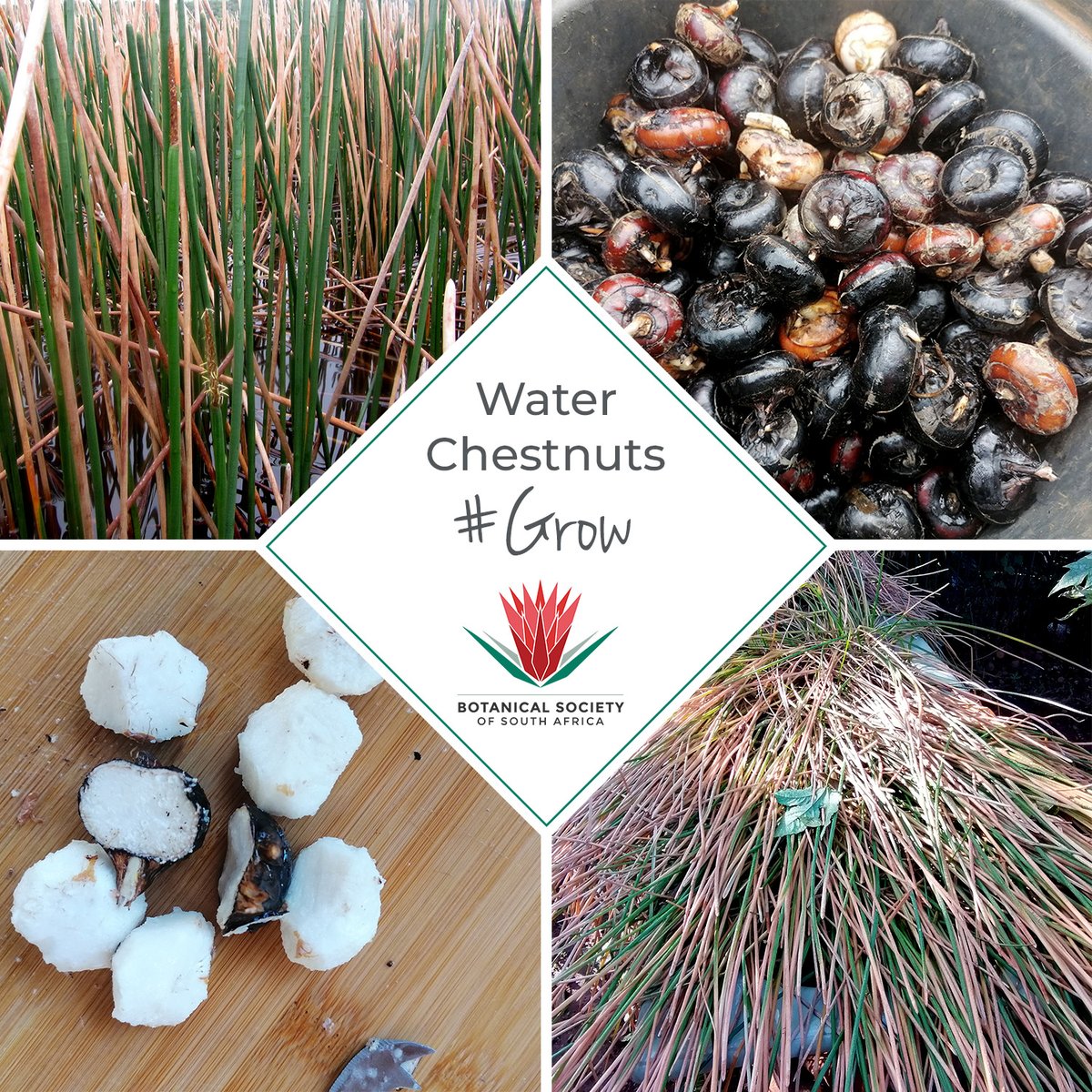
There are many edible plants that are not well known - but are still ideal for production. One such example is the water chestnut. They’re productive, easy to grow and tasty. Learn why and how to cultivate water chestnut here: https://t.co/ofyoxHmIGu #Grow#Chestnuts
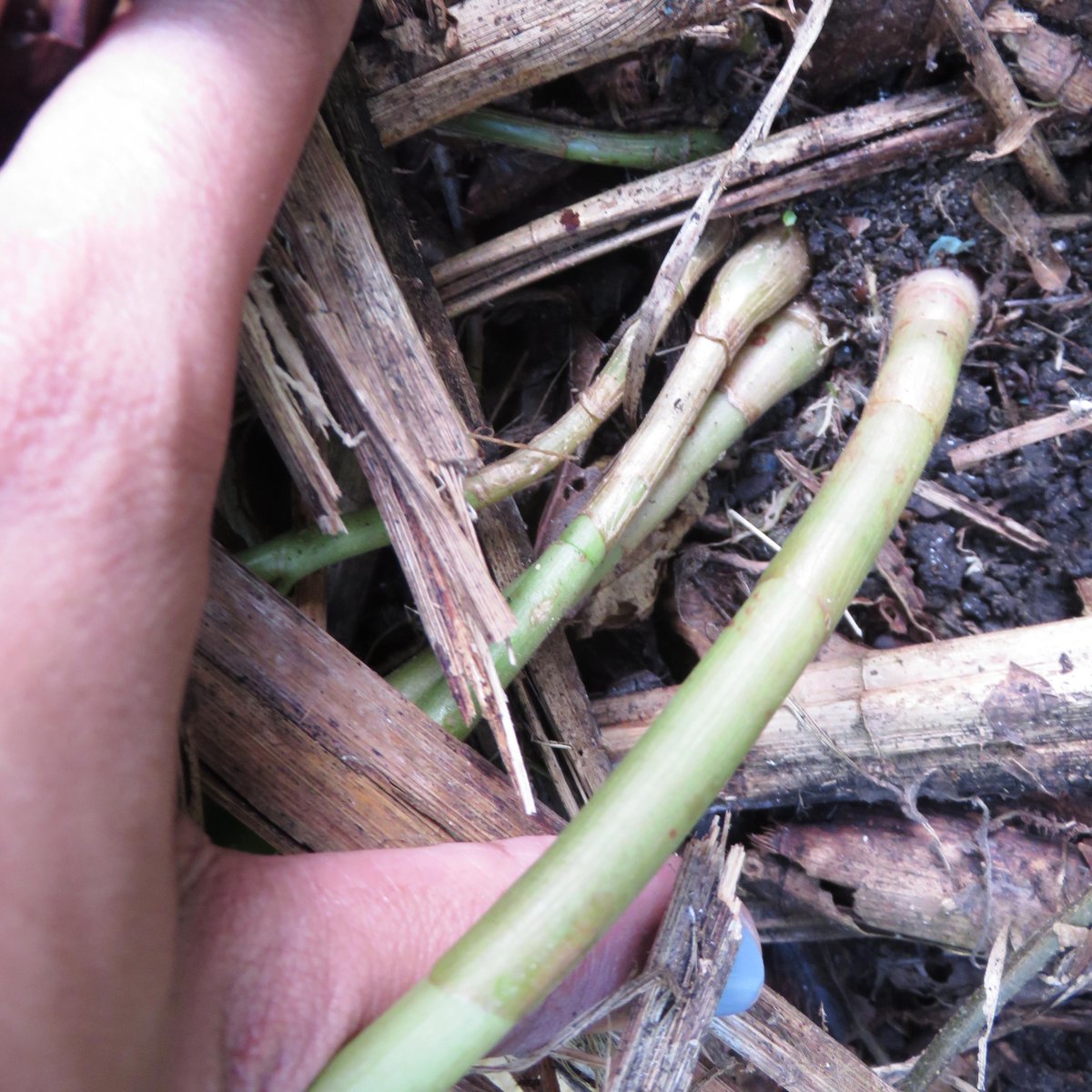
Get to know emerging invasive alien threats in #SouthAfrica: Spiral ginger (𝘊𝘰𝘴𝘵𝘶𝘴 𝘢𝘧𝘦𝘳) is named because of its distinctive spiralling leaf stems, which are typically densely packed together. Let @SANBI_ZA know if you spot this species.
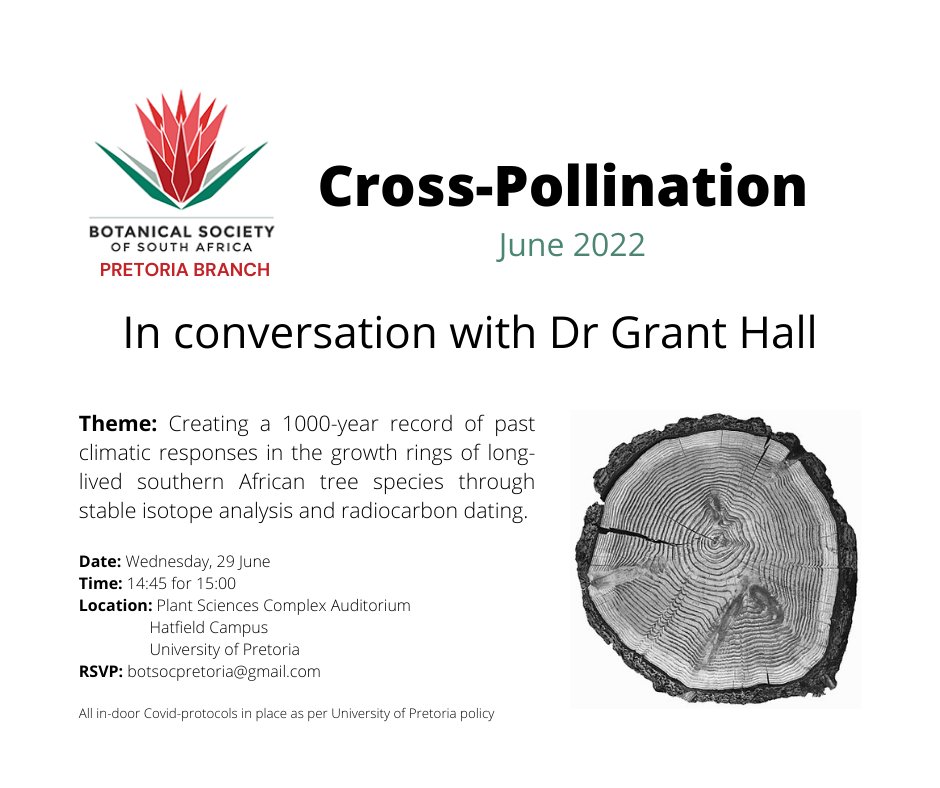
Our public lecture series, Cross-Pollination, is up and running with our first talk happening next Wednesday.
Our first speaker is Dr Grant Hall, manager of the @UPTuks Stable Isotope Laboratory🔬
Details below
Keen to join the 2022 @citnatchallenge and want to find out how to get involved? The @SANBI_ZA and @CREWCitSciZA citizen science teams are hosting a series of @inaturalist how-to-sessions over the coming weeks. Check out the schedule and sign up here: https://t.co/BLrFFlY6W4