In #Jos, Plateau State, 44 young innovators aged 6 to 18 took part in the #Futurefeat 2026 Makeathon—moving past theory to build functional hardware, IoT modules, and smart automation systems in real time.
Full report: 👇
https://t.co/j4NCZb7wSq
#STEM#NigeriaTech#TechTalent
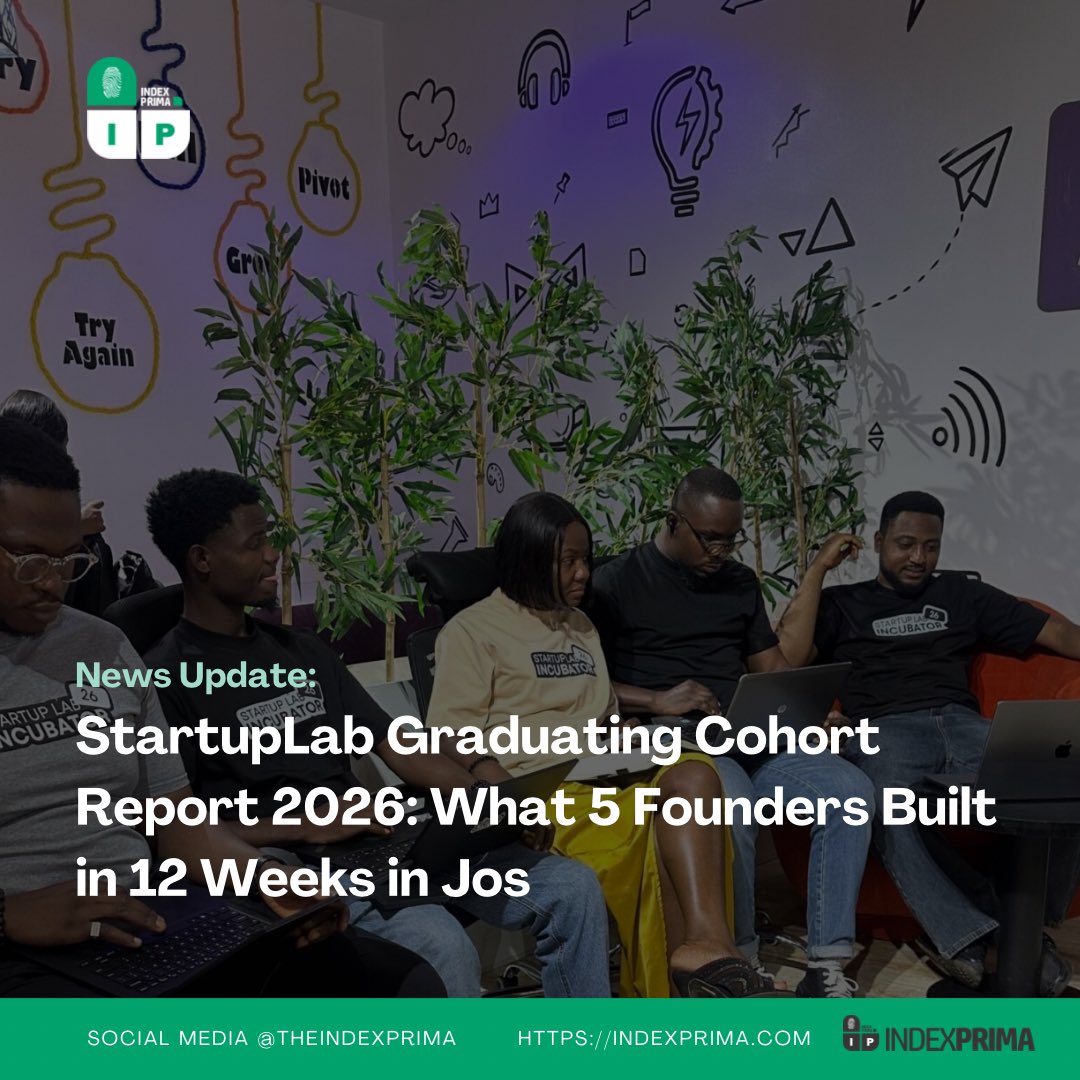
#StartupLab in Jos, Plateau State, has graduated its inaugural incubator cohort, graduating 5 early-stage founders building across accounting, micro-savings digitization, legaltech, and service booking.
Full cohort breakdown & startup highlights: 👇
https://t.co/o8kGTdq7Bs
SkilMony co-founder Edwin Orohu has launched the Igede Tech Ecosystem to tackle the digital divide across Oju and Obi LGAs in Benue State.
Full story & ecosystem call for volunteers: 👇
https://t.co/DcLAnFJNT4
#IgedeTech#DigitalInclusion#BenueTech#AfricanTech#TechSovereignty
Catastrophic AI Risk in Nigeria: Are We Building the Capacity to Understand What We Are Building?
Nigeria is having an important conversation about artificial intelligence.
We are talking about AI in education, healthcare, agriculture, finance, government services, business and even company registration. But there is another conversation I think we need to start having.
What happens when AI systems become so capable that the people and institutions using them can no longer reliably understand, predict or control what they do?
That is where the conversation around AI safety and catastrophic AI risk begins.
And no, I am not talking about robots suddenly taking over Lagos. I am talking about something much more practical. What happens when we put increasingly capable AI into systems that millions of people depend on, while our ability to evaluate, audit and govern those systems does not grow at the same speed?
We already have small examples of why this matters. The Corporate Affairs Commission is increasingly using AI to automate parts of company registration, including name verification, document processing and other administrative functions. Its current registration platform even provides AI-generated name suggestions and automatically processes some business name registrations. (iCRP)
But it also creates an important governance question: If an AI-assisted system makes a decision that is technically valid according to its model but socially, legally or contextually wrong, who notices? Who challenges it? Who explains the decision to the person affected? And who is ultimately accountable?
This is not a hypothetical risk. They are already here. But they are still relatively small compared with what becomes possible as AI systems become more capable, more autonomous and more deeply integrated into critical infrastructure.
Imagine AI being deeply embedded in financial systems, Healthcare, Digital identity, Public administration, Cybersecurity, Energy, Defence and Critical communications.
Now imagine a failure, misuse or unexpected behaviour occurring across several connected systems at once. That is when AI safety stops being just a technology conversation.
It becomes a national capacity question. And this is where I think Nigeria needs to think differently.
We have spent a lot of time asking: How can Nigeria use AI? We should absolutely continue asking that.
But we also need to ask: How can Nigeria understand AI well enough to know when it should not be trusted?
How do we evaluate an AI system before deploying it in a high-stakes environment? How do we know whether a model that performs well somewhere else will behave safely in Nigeria? Who investigates an AI-related incident when nobody can clearly explain what happened? Do our regulators have enough technical capacity to challenge the claims of an AI vendor?
And perhaps the most uncomfortable question: Who in Nigeria is actually researching advanced AI risk?
This is particularly important because many of the assumptions shaping the global AI safety conversation are being developed outside Africa. Our context, institutions, infrastructure, languages, data, socioeconomic realities and patterns of technology adoption are different.
So we cannot simply import a framework developed somewhere else and assume it will adequately describe our risks.
We need people here who understand the technical side of AI.
People who understand law and regulation.
People who understand cybersecurity.
People who understand economics and public policy.
People who understand ethics and society.
And, importantly, people who can bring these disciplines together.
Nigeria’s own National AI Strategy already recognizes that AI deployment in areas such as healthcare, finance and security brings questions around bias, transparency, privacy, automation and accountability. (Federal Ministry of Communications)
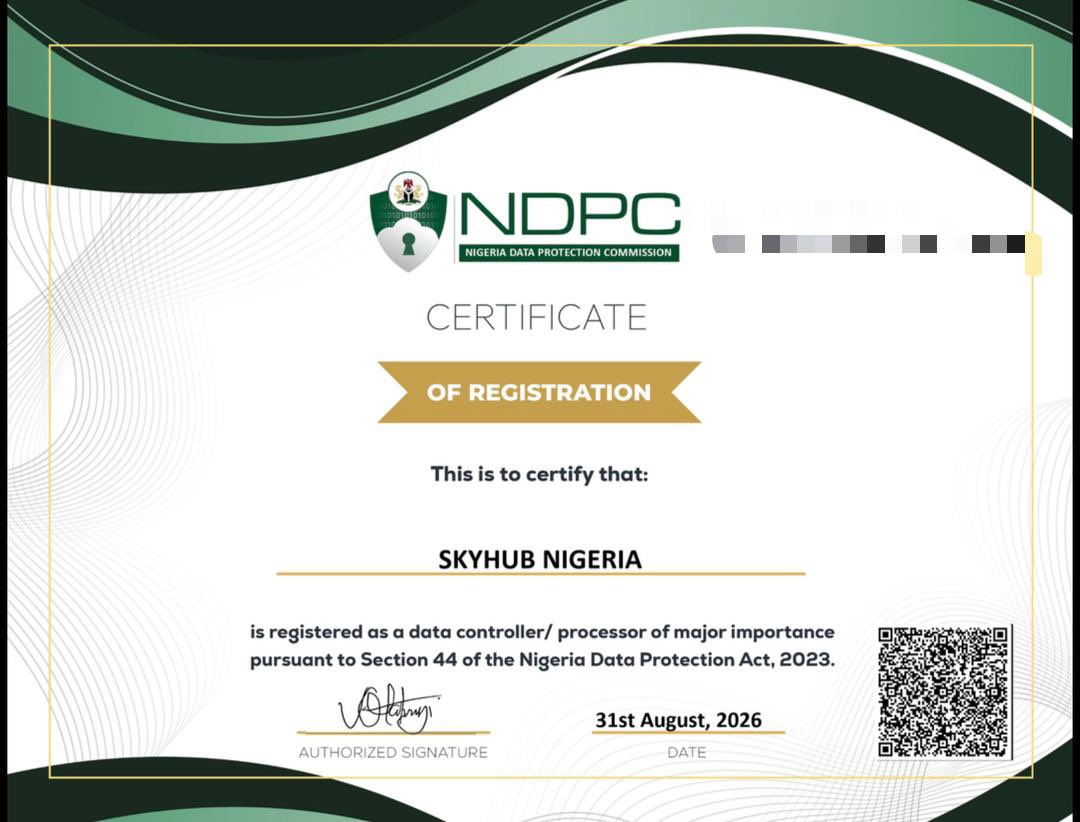
🔐 A NEW MONTH. A STRONGER COMMITMENT TO DATA PROTECTION.
As a technology and digital skills organisation, SKYHub Nigeria is committed to handling data responsibly and in alignment with the Nigeria Data Protection Act (NDPA) 2023.
🎓🤖 The future is already building!
Our SKYHub #KidsinTech graduates learned and created with Robotics, Arduino, Scratch and Blockly.
Now, meet the young innovators and see what they built, episode by episode.
More episodes are coming soon! 🎥
#SKYHubNigeria#KidsInTech
Today, we welcomed the founders assigned to SKYHub Nigeria for i-DICE Startup Bridge Cohort II in Makurdi, Benue State.
Four founders. Four bold ideas. One shared mission — building solutions to real societal problems.
A few highlights from the @iDICEStartup Cohort II Founders Orientation at @SKYHubNigeria
Four founders. Big ideas. Real problems to solve.
This is where the drilling begins, and the journey to greatness takes shape.
#iDICEStartupBridge#FoundersLab
A new policy brief highlights that while national strategies are gaining momentum across #ECOWAS, fragmented #data#governance, non-interoperable registries, and dependency on foreign #datasets threaten regional #tech#sovereignty.
Full breakdown: 👇
https://t.co/tGg55nQs2E
Nigerian healthtech social enterprise HelpMum Africa has won the inaugural Grand Prize for AI for Social Impact at the prestigious Prix Ars Electronica in Linz, Austria.
Full story: 👇
https://t.co/srg8en0xIJ
#HealthTech#AIforGood#NigeriaTech#PrixArsElectronica#AfricanTech
At the DBG ICT Sector Financing Roundtable, Ghana's Minister for Communication, Digital Technology and Innovations, Samuel Nartey George, warned that "connectivity without capital is a road half-built."
Full analysis: 👇
https://t.co/m1nu83B4eU
#GhanaTech#ICTFinancing
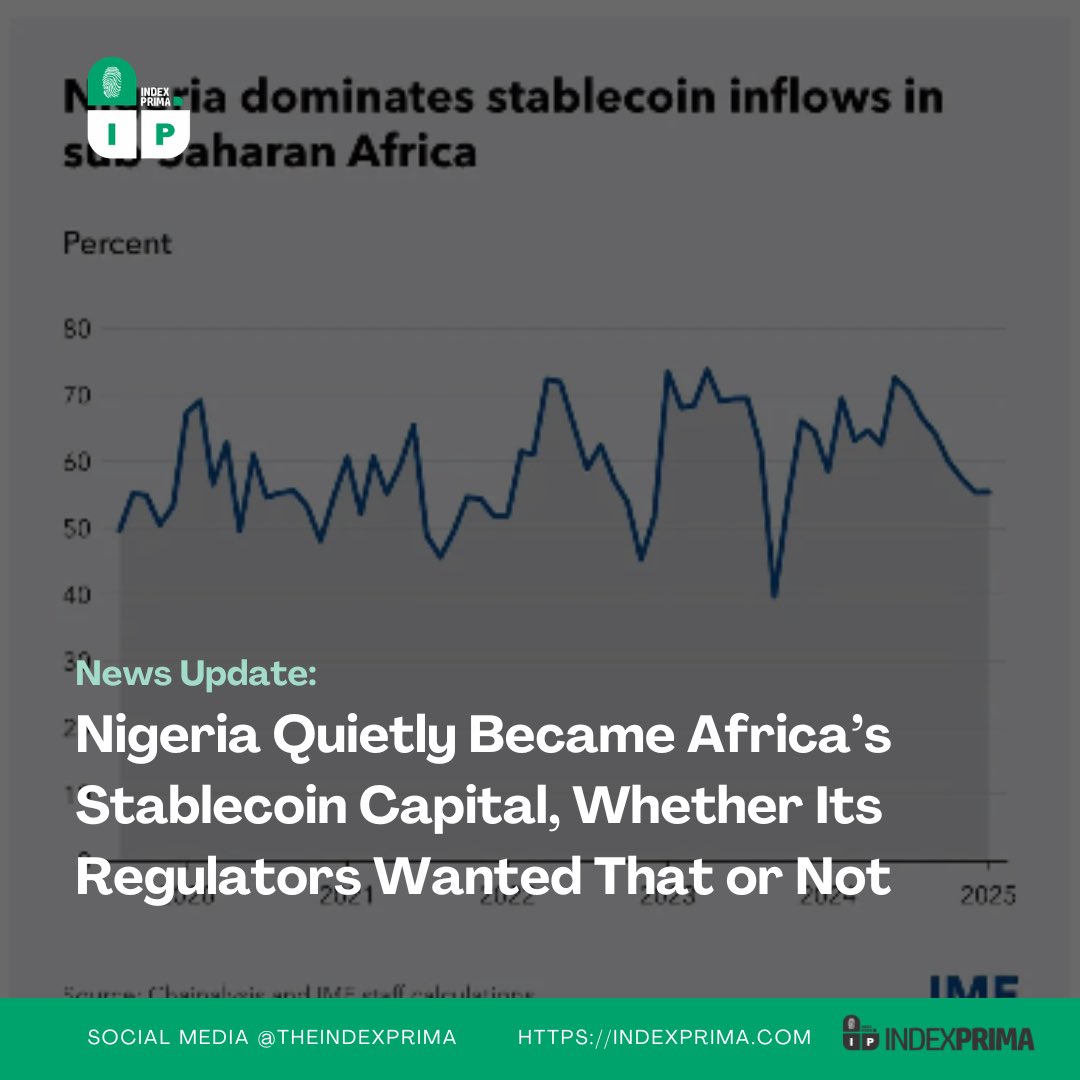
With on-chain transaction values surging past $92B and 89% of #Web3 venture funding targeting #stablecoin infrastructure, Nigeria has quietly solidified its position as Africa's digital #dollar capital.
Full analysis: 👇
https://t.co/l1wWXjAlXz
#NigeriaTech#Fintech#Crypto
Abuja Tech Week have opened applications for the National Innovation Challenge, focusing on smart mobility and climate-smart agriculture.
Full details & application guidelines: 👇
https://t.co/GKGP2dbg5G
@yinigeria
Askya Investment Partners, in partnership with Moonshot by TechCabal, has launched the Askya AI Growth Platform—a zero-equity, 6-week growth program for African AI startups with existing commercial traction.
Full breakdown & application details: 👇
https://t.co/nGetSQ02mU
Equipping early-stage founders with strategy, talent, and capital!
Applications are open for the GAS 3.0 Business Pitch competition, hosted by Growth Padi ahead of the Growth Africa Summit on November 14, 2026, in Lagos.
https://t.co/let27piY4b
#GrowthAfricaSummit#GAS2026
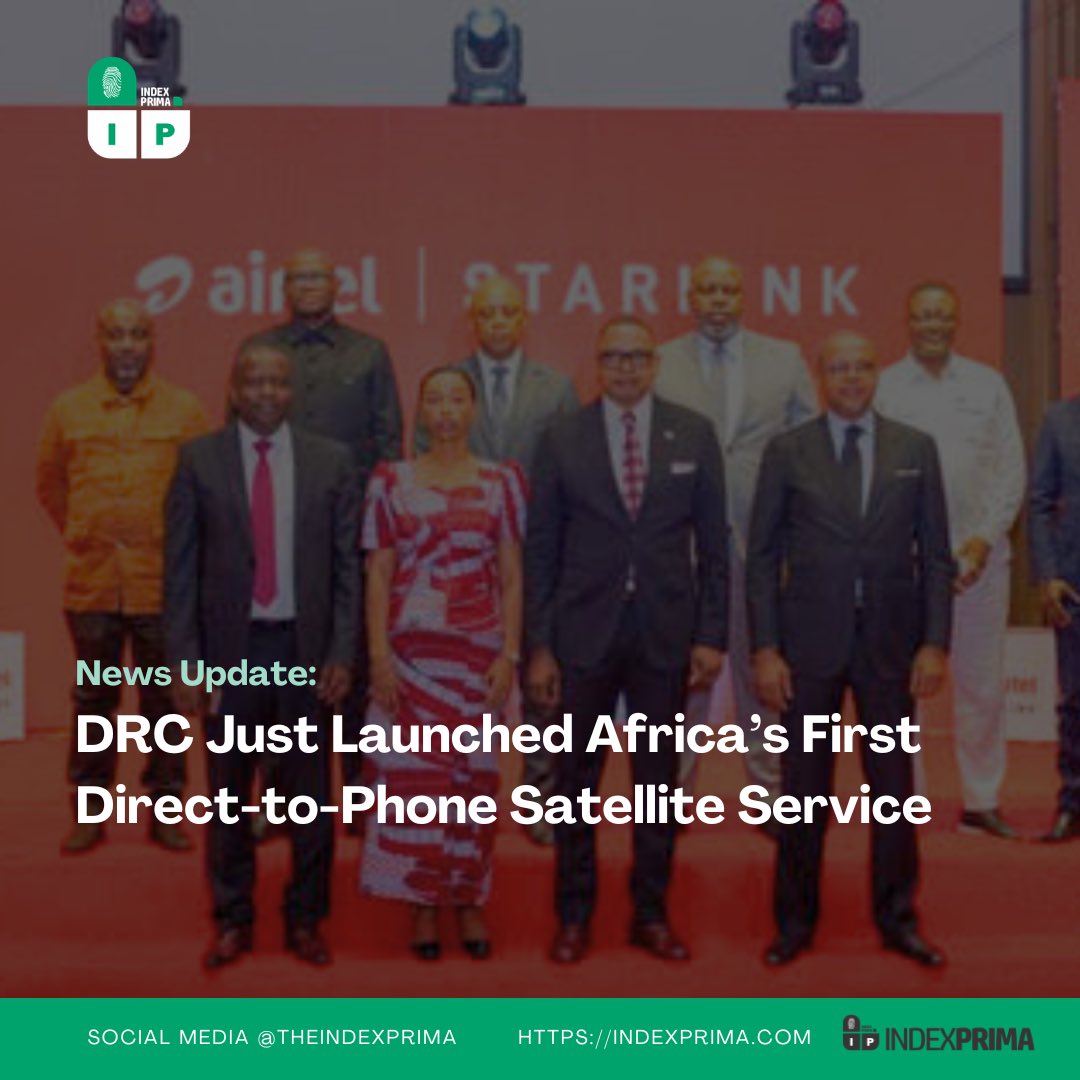
Airtel Africa and Starlink have officially launched Africa's first commercial direct-to-phone satellite service in the DRC. Compatible Android devices can now send SMS and WhatsApp messages directly via satellite in dead zones.
Full details: 👇
https://t.co/BAGdYOuTAM