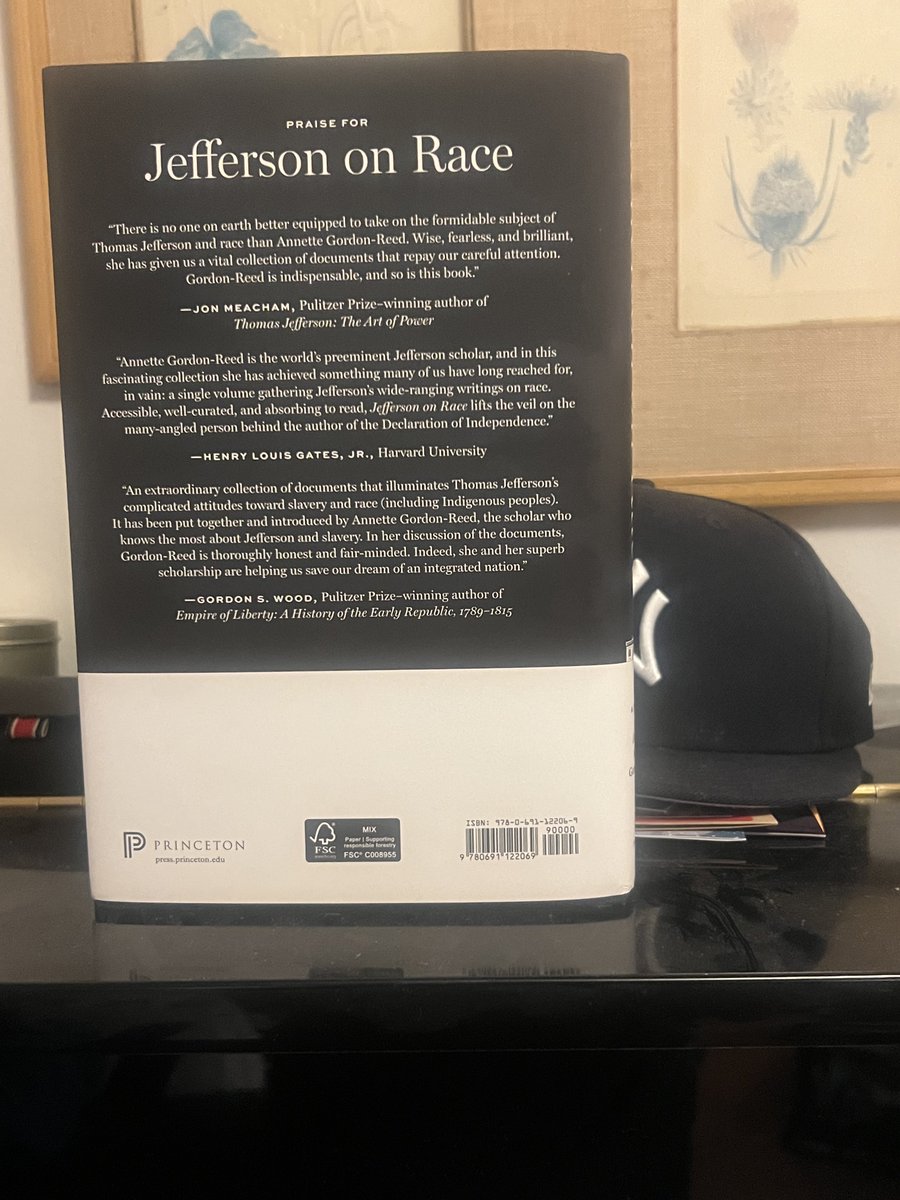
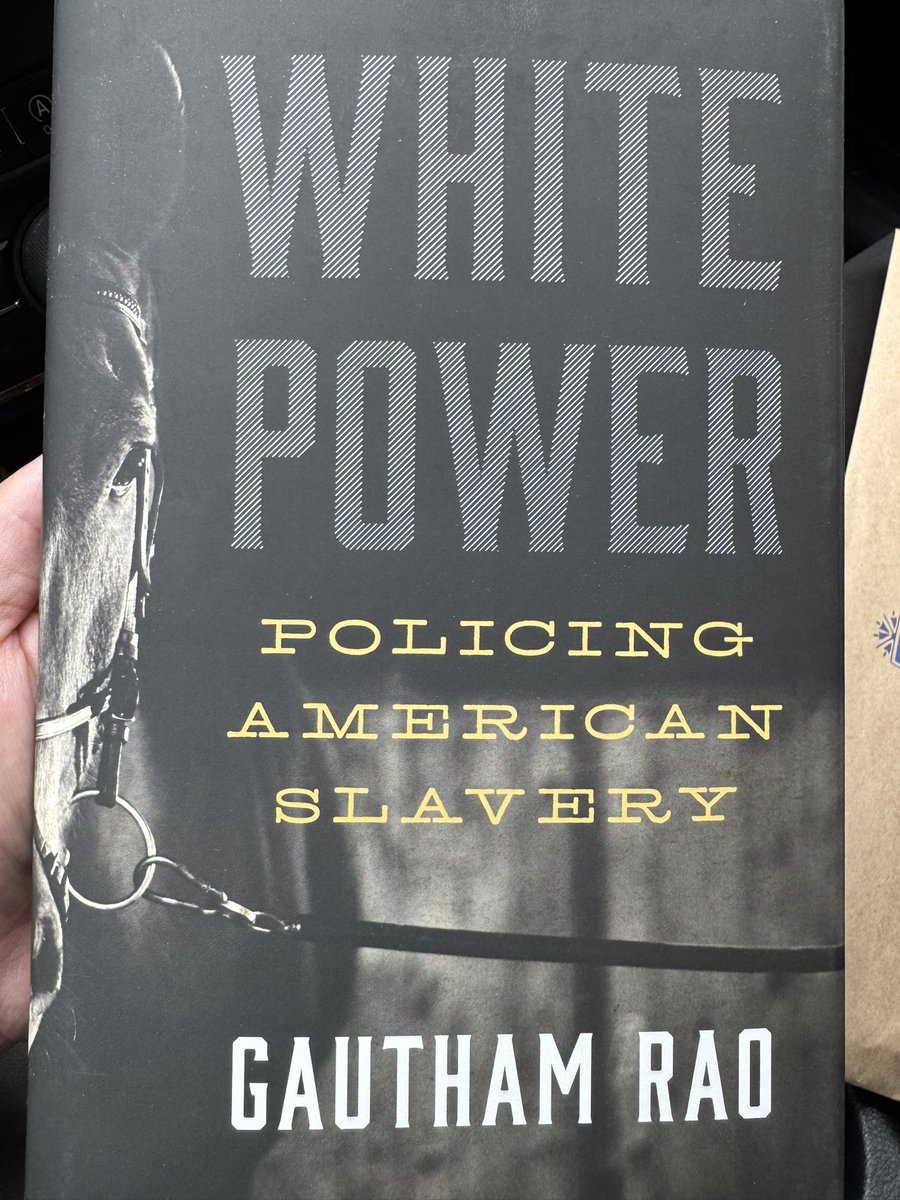
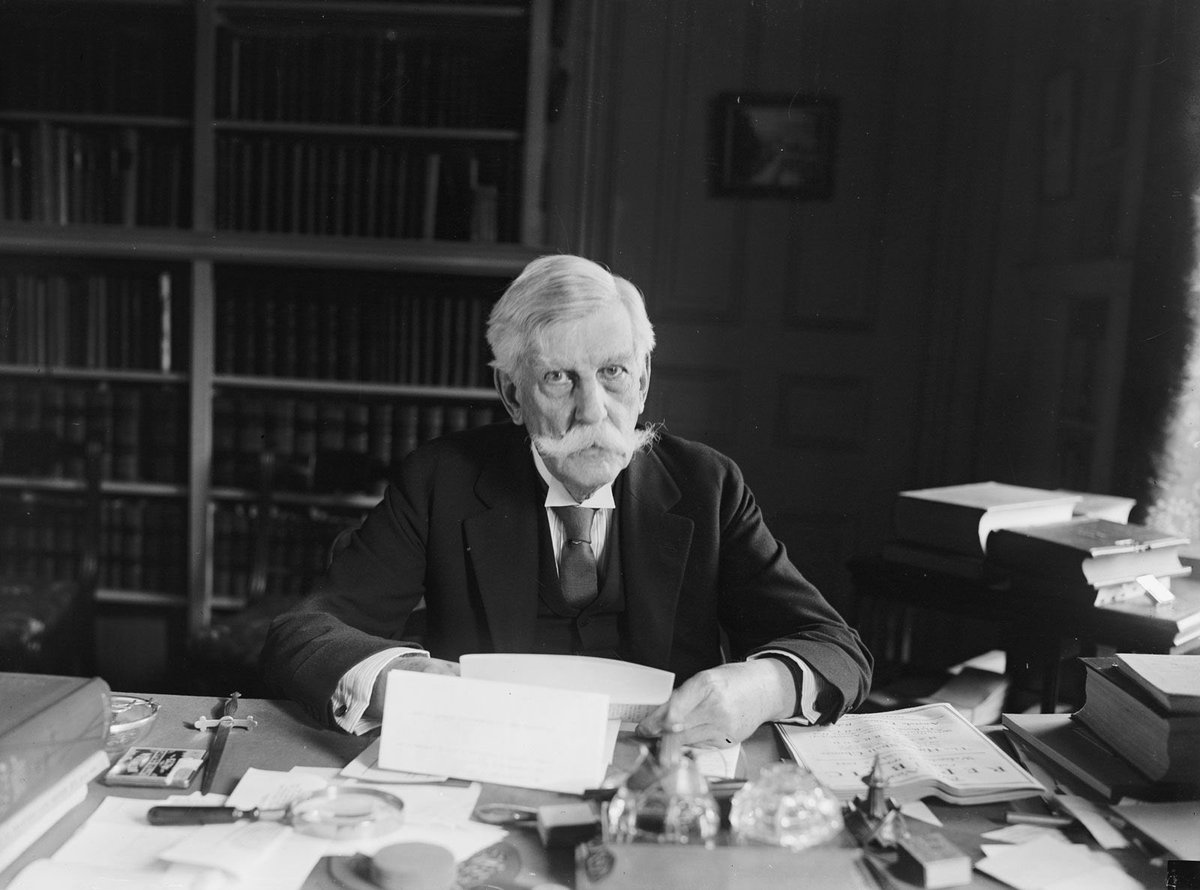
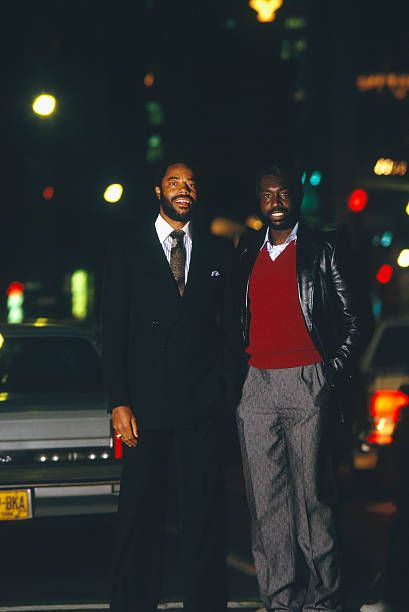
@GeorgetownLaw prof. Author of You Can't Kill A Man Because of the Books He Reads. @wwnorton. Books on Felix Frankfurter, House of Truth, Curt Flood, Grays.
D.C. Friends: Join me and my superstar colleague @steve_vladeck for a conversation about my new book, You Can't Kill a Man Because of the Books He Reads @wwnorton.bsky.social, tonight at 7pm at @PoliticsProse on Conn. Ave. https://t.co/OIcz4o466w
In 1943, the Gestapo finally caught Raymond Aubrac — one of France's most wanted Resistance leaders. He was sentenced to death. His execution was days away.
His wife Lucie was six months pregnant.
Most people would have hidden. Would have grieved quietly and prayed for a miracle. Lucie Aubrac did something else entirely. She obtained forged identity papers, constructed a cover story, and walked straight into the office of Klaus Barbie — the man history would remember as the Butcher of Lyon — and convinced him to grant her a visit with the condemned man.
She wasn't there to say goodbye.
She was memorizing guard positions. Counting minutes. Mapping the route the prison truck would take.
On October 21, 1943, that truck rolled through the streets of Lyon carrying Raymond and other prisoners toward what should have been the end. Lucie had spent weeks quietly assembling a team of Resistance fighters, planning an ambush with the precision of a military operation. When the truck reached the ambush point, the team struck — fast, coordinated, and without hesitation.
In the chaos of gunfire and confusion, Raymond Aubrac was pulled free.
Lucie — visibly, unmistakably pregnant — had organized every detail of his liberation.
They went into hiding. Weeks later, Lucie gave birth to their daughter in a safe house while German forces searched for them across France. When liberation finally came, the Aubracs didn't merely survive — they rebuilt.
Raymond became a celebrated engineer and entered public life. Lucie became a historian, pouring decades into ensuring that the women of the French Resistance — so often unnamed, so easily forgotten — were written permanently into the record. They raised three children. They traveled the world. They argued and laughed and grew old together.
When journalists asked Lucie, years later, what had compelled her to risk everything that October day, she didn't hesitate.
"He was my husband. What else would I do?"
Lucie Aubrac passed away in 2007 at the age of 94. Raymond — who had once needed a commando team to be freed from a German prison — lived on until 2012, reaching 97 years old. In his final years, he continued speaking publicly about the Resistance, about memory, about the obligation to tell the truth.
They had been married for 64 years.
Not a love story built on grand gestures or perfect circumstances. A love story built in occupied France, in safe houses and forged documents and a prison truck ambush on a Lyon street — forged in fire, and never broken.
True love doesn't wait for rescue. Sometimes, it does the rescuing
In new PBS documentary, the complexities and legend of W.E.B. Du Bois come to life
'Rebel With A Cause' chronicles the life and times of Du Bois, amplified with dramatic retellings by Common, Jeffrey Wright, and Courtney B. Vance, with Viola Davis as narrator.
https://t.co/CoKkEsdSUz | @theGrio
Robert Smalls and 15 enslaved people emancipated themselves against impossible odds on May 12, 1862, escaping on a confiscated Confederate vessel under the cover of darkness in Charleston Harbor.
On May 13 they lived their first day as freed people.
On April 13, 1873 over 100 Black Americans were murdered by white supremacists near Colfax, Louisiana.
The massacre was among the most devastating acts of race-driven terrorism during Reconstruction, though memory of what white Southerners called a “riot” has since been debated
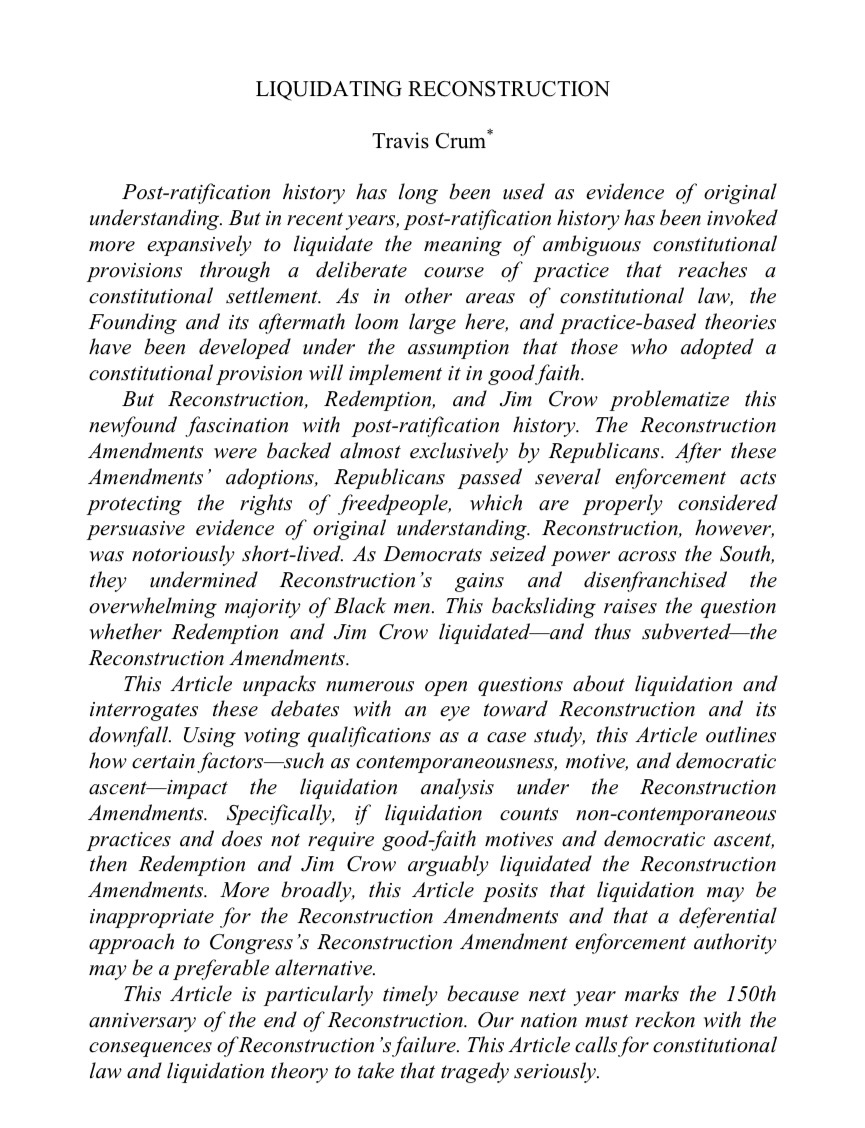
I've just submitted a new paper out this law review cycle. In Liquidating Reconstruction, I ask what the Reconstruction Amendments can teach us about liquidation and vice versa. The paper is especially timely given that 2027 is the 150th anniversary of the end of Reconstruction.
Some personal news in Publishers Marketplace on my new book with @NYUpress: Cliff Sloan's THE COURT AND THE QUAGMIRE: THE SUPREME COURT, VIETNAM, AND THE FIGHT FOR FREEDOM THAT SHAPED AMERICA, to Clara Platter at NYU Press, for publication in 2028 (world).
Tracy Sharpley-Whiting on Belle da Costa Greene, the Black mixed-race woman who developed the Morgan Library & Museum in New York | @LeftOfBlack#BlackHistoryMonth#Libraries
TONIGHT Mary Sarah Bilder is joining us at 630 for the 13th John Patrick Diggins Memorial Lecture: "The Perils of Sex: Catherine Macaulay's Constitution of Liberty" Segal Theatre, CUNY Graduate Center
In-Person RSVPs: email [email protected]
Online:
https://t.co/pKdRkIaUJ7
One could argue about this proposition over coffee, I suppose.
But more important than Trump v. U.S.? Or Dobbs v. Marsh? Or the legacy of Shelby County and its progeny and the systematic effort of the Roberts court to destroy the Voting Right Act? Gimme a break!
Today we celebrate the birthday of one of our country’s greatest scholars and activists W.E.B Du Bois. I’m looking forward to the new doc on his life and work, REBEL WITH A CAUSE. Here’s an early look.
Professor @DorothyABrown, L'83, wrote Getting to Reparations for skeptics — because a few years ago, she was one. After researching the racial wealth gap, she changed her mind. Her new book lays out the legal roadmap. Read our full interview: https://t.co/6DZedomFzp
The work that @Lescarpenter, @barrysvrluga and @RickMaese have done during the past few weeks from the Olympics has been nothing short of spectacular. Their dedication to the readers despite the destruction of The Post Sports Department is the stuff of legends.