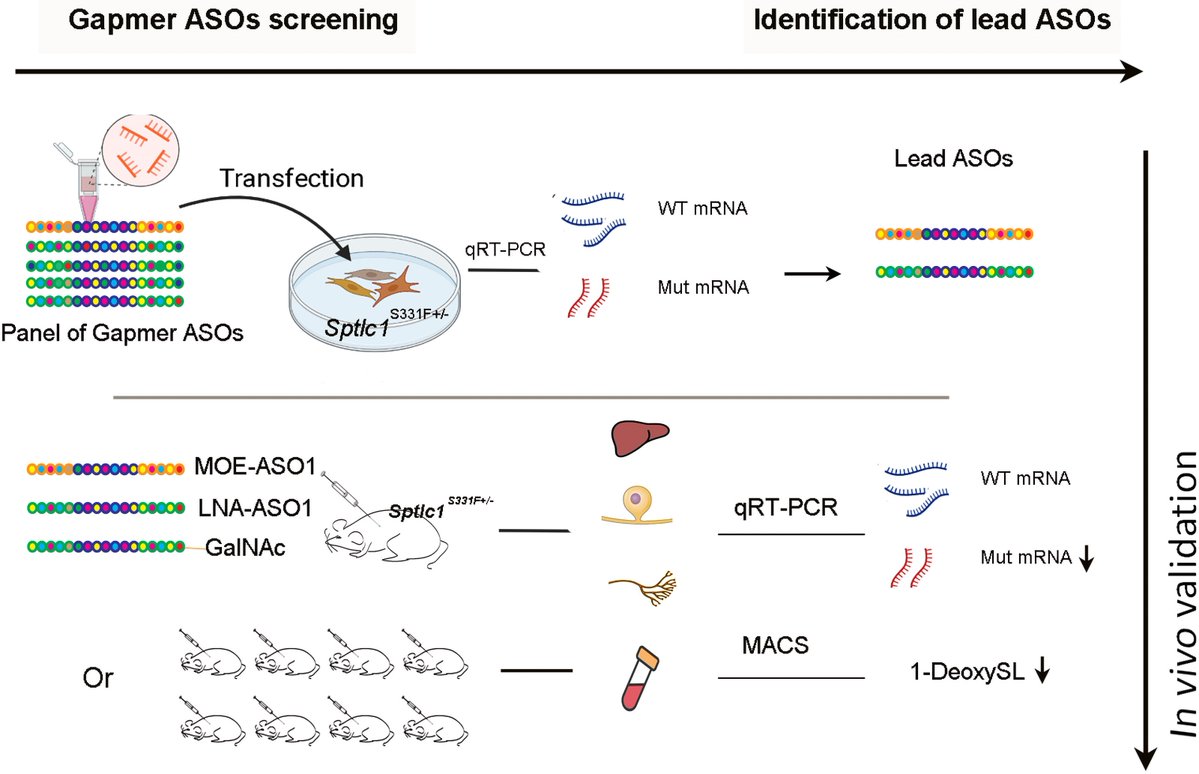
Meng et al. explored the use of antisense oligonucleotides in sensory neuropathy resulting from SPTLC1 mutations. In a mouse model, allele-specific ASOs selectively silenced the mutant transcript, providing proof of concept for this targeted approach. https://t.co/mhyJWCDzIv
Luan et al. used dual PET imaging to examine the relationship between synaptic density and tau pathology in AD. They show that synapse-rich regions are especially prone to tau accumulation and that tau pathology contributes to synaptic loss. https://t.co/Dl8OiyqD5P
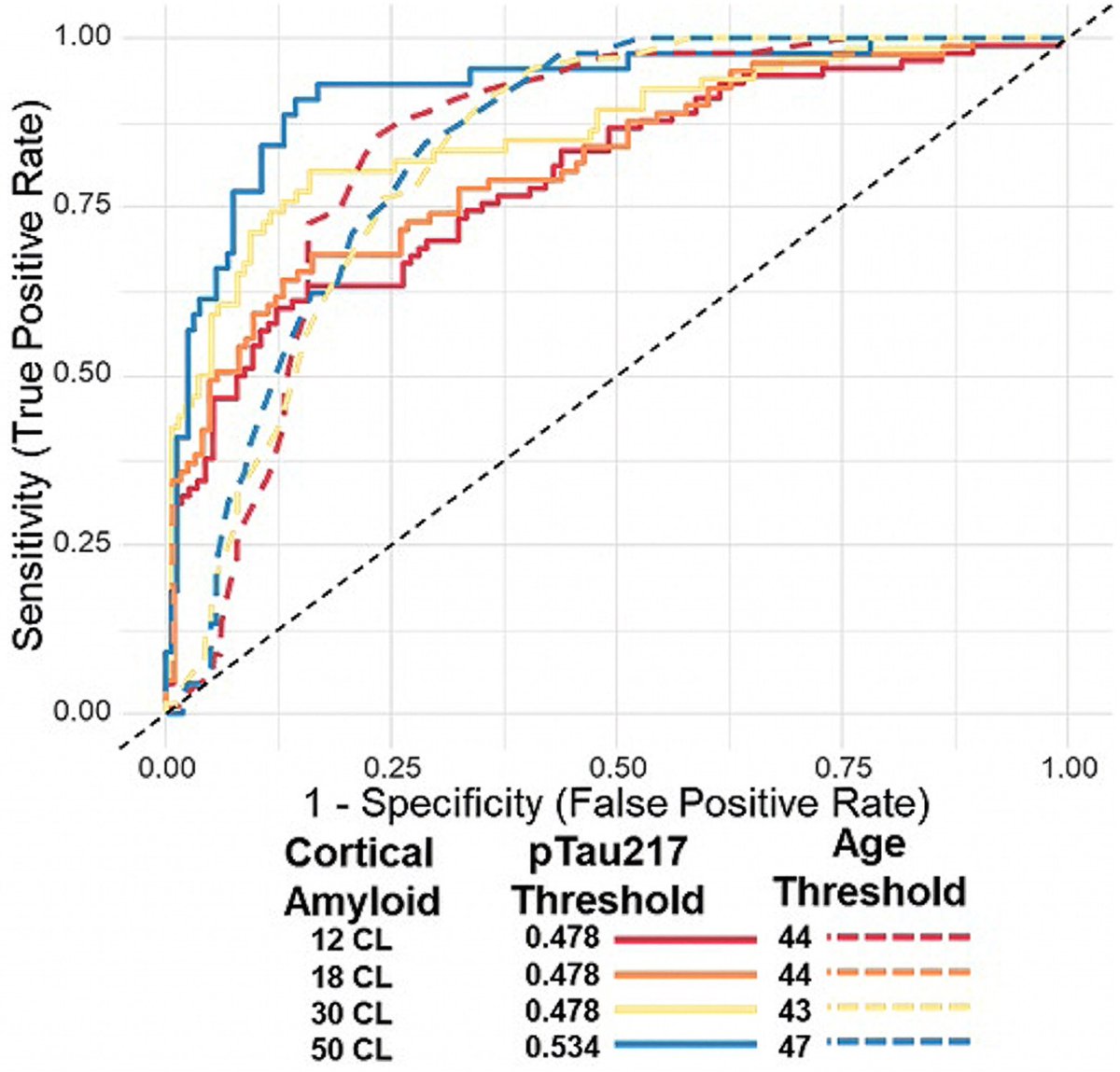
Wisch et al. analysed longitudinal PET and plasma biomarkers in adults with Down syndrome, finding AD pathology emerging around the age of 40. Age alone predicted amyloid and tau accumulation as accurately as plasma pTau217 in this population. https://t.co/WOd1m4sabg
Ramdas et al. propose renaming ‘congenital myasthenic syndrome’ as ‘genetic myasthenic syndrome’. They argue that ‘congenital’ misleadingly implies neonatal onset, which may contribute to delayed diagnosis and management. https://t.co/T69eyygjJw
APOE shifts the tipping point: addressing pathological heterogeneity in Alzheimer's disease trials
New scientific commentary by Duygu Tosun https://t.co/oSneiZGPju
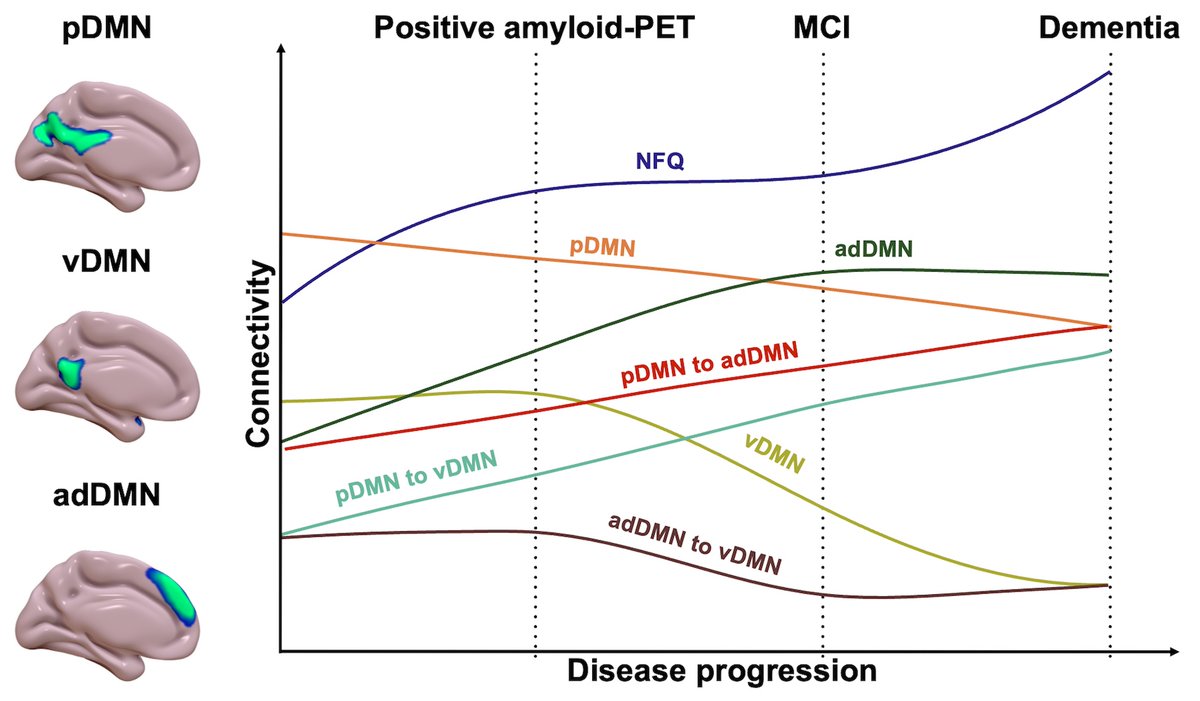
Corriveau-Lecavalier et al. show that patterns of default mode network dysfunction predict future conversion to amyloid positivity, mild cognitive impairment, and dementia, emphasizing the role of network dyshomeostasis in Alzheimer’s disease. https://t.co/B14bNHaYdf
Wang et al. review how GABA-B receptors in glial cells regulate key CNS processes – including excitatory-inhibitory balance, synaptic pruning, and myelination – and discuss their roles in neurological disorders. https://t.co/mBEvi1iQth
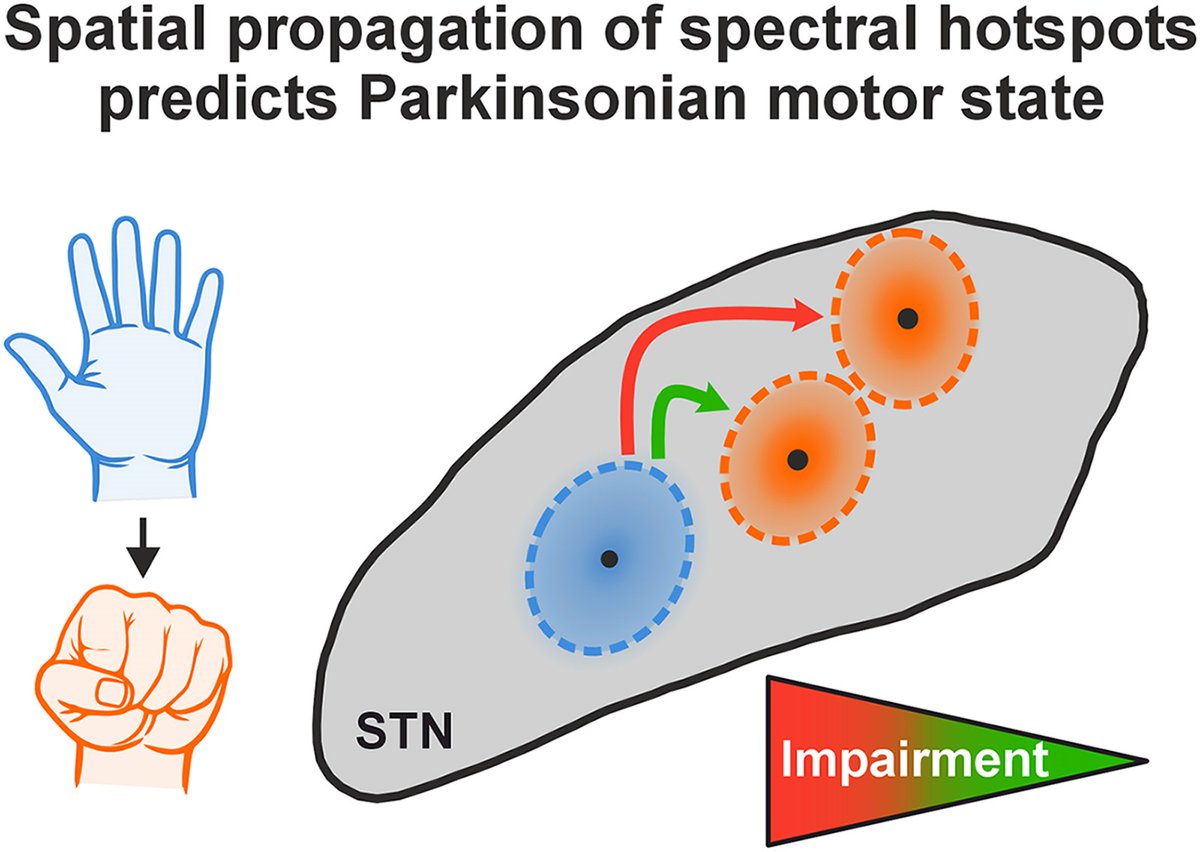
Averna et al. show that movement-related activity in the STN of patients with Parkinson’s disease propagates spatially during motion, with the degree of propagation related to motor impairment and medication response. https://t.co/M27vHei0EZ; https://t.co/tQtm0niZAa
Amygdala damage is associated w/ reduced empathic accuracy. However Scheffer et al. show that people with amygdala lesions are as motivated to empathize as controls, indicating that motivational components of empathy are preserved. https://t.co/jMS7sRDack; https://t.co/VETpptTi9Z
Brain @Brain1878 and Practical Neurology are the last two journals I read from start to finish.
This is Adam Zeman's review of Neurological Birdsong and the Brain review of my follow up book Murmuration will follow soon.
@Mirabeau_Press
Neurotwitter https://t.co/qwDnWOC51h
Some cases of facioscapulohumeral dystrophy remain genetically unexplained. Using long-read sequencing, Tardy et al. identify complex rearrangements at 4q35/10q26 missed by standard tests. https://t.co/BA0HSxmX8m; https://t.co/AROVGvQfmz
Sumowski et al. show that, in contrast to historical cohorts, contemporary patients with MS are more likely to exhibit memory and word-finding difficulties than cognitive slowing. https://t.co/yD97e1Uh6w; https://t.co/m8G0WPCkhR
Kim et al. show in mice that endothelial-specific Col4a1 deletion leads to basement membrane thinning and progressive cerebral microbleeds. Dysregulated collagen IV homeostasis may be a causal mechanism in cerebral small vessel disease. https://t.co/j0Opzh6QYg
Minogue & Zouridakis et al. studied the brains of people with dementia and FTLD-PSP or FTLD-CBD. They found that PSP and CBD show distinct patterns of selective vulnerability, with tau pathology predominantly affecting glia in PSP and neurons in CBD. https://t.co/WGAU3ZH4ae
Roascio et al. trained a machine learning model to track clinical progression in the prodromal to overt alpha-synucleinopathies continuum, and identified three parameters that could serve as reliable biomarkers. https://t.co/uvAyeXDmI0
Chen et al. find that epigenetic dysregulation of NINJ1 may contribute to vascular instability and haemorrhage risk in brain arteriovenous malformations. https://t.co/CxiED7DzDD
Jiménez-Balado et al. investigate why some patients develop delayed cerebral ischaemia after aneurysmal subarachnoid haemorrhage, and find that genetic and epigenetic changes near COL6A6 and PIK3R4 increase risk. https://t.co/2qcaZZYQy9
Khani et al. studied genetic variation in SORL1 across Alzheimer’s disease, related dementias and Parkinson’s disease, and identified multiple variants - some shared across ancestries - supporting a broader role of SORL1 in neurodegeneration. https://t.co/L1VZLalCFM
Anti-amyloid therapies for Alzheimer’s disease may damage cerebral blood vessels. DeMeglio et al. identify an astrocytic enzyme as a key driver of this vascular instability and show that, in mice, removing this enzyme protects vessels. https://t.co/AIkOAns4i4