Forget concussion “grades”—we’ve moved on to individualized care.
Today’s approach recognizes six different types of concussions, each requiring tailored treatment. One size does not fit all.
#PersonalizedMedicine#ConcussionTypes#Neuropsychology
https://t.co/QzeNoKnur4
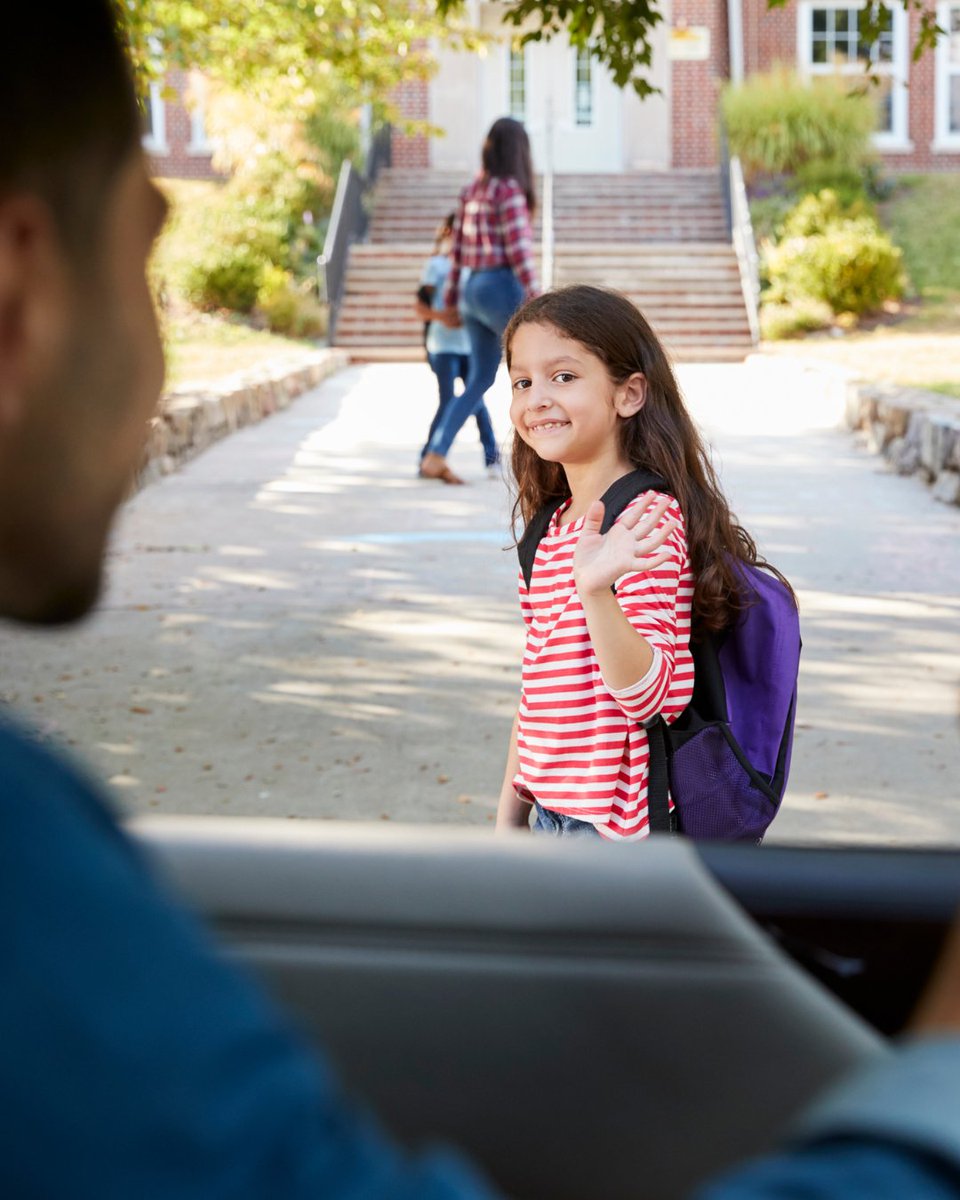
The best way to protect your child from concussion isn’t to pull them out of sports—it’s to prepare them.
Make sure helmets are fitted properly, coaches know the signs of concussion, and your child understands it's OK to speak up if something feels off
https://t.co/XWO7QQqtI7
Advanced imaging is revealing what we once couldn’t see. Once thought to involve only “functional” disruption, concussions are now known to cause microstructural brain changes—thanks to evolving imaging technologies.
https://t.co/xWgDmIBisU
Military cadets and NCAA athletes are helping transform concussion science.
The #CAREConsortium has gathered data on over 55,000 participants—resulting in one of the most comprehensive concussion research programs to date.
https://t.co/xWgDmIBisU
Dark rooms are out. Gradual re-engagement is in. While sensitivity to light is real, total isolation after a concussion may hinder recovery. Sunglasses may help, but prolonged seclusion is no longer the norm.
https://t.co/QzeNoKnur4
Not all concussions are the same—and treatment shouldn’t be either. There are six types of concussions, from cognitive fatigue to ocular and vestibular subtypes, each with unique symptoms and interventions.
#Concussions#ConcussionTypes
https://t.co/XWO7QQqtI7
We’ve come a long way from “How many fingers am I holding up?” Tools like the ImPact Test, SCAT6, and even FDA-approved biomarker tests now provide objective, reliable ways to detect and track concussions.
https://t.co/xWgDmIBisU
Smaller neck muscles, thinner skulls & hormonal differences may make girls more vulnerable to concussions and slower to recover. It's time for more sex-specific research & guidelines that reflect the unique physiology & symptom profiles of female athletes
https://t.co/6UpQah00y4
Gone are the days of dark rooms and complete isolation after a concussion. Today, evidence supports "relative rest"—a brief period of low stimulation followed by a gradual return to physical and cognitive activity.
#ConcussionRecovery#PediatricTBI
https://t.co/XWO7QQqtI7
New research suggests that athletes with preexisting mental health conditions or sleep issues may be twice as likely to sustain a concussion. This underscores the role of baseline health in injury prevention and recovery.
https://t.co/xWgDmIBisU
Loss of consciousness is not the gold standard for concussion diagnosis. Many individuals never pass out—and some don’t show symptoms for hours. The myth that you have to be “knocked out” delays treatment and can lead to complications.
https://t.co/QzeNoKnur4
Helmets help—but prevention isn't foolproof. Children and teens face concussion risks on the field, in the classroom, and at home. A proactive approach is the best safety tool we have.
#ConcussionPrevention
https://t.co/XWO7QQqtI7
Loneliness is rising—and young adults are most at risk. The US faces an escalating #LonelinessEpidemic, particularly among those under 30. Public health initiatives that prioritize social connectivity are no longer optional—they’re critical.
https://t.co/pJ4gDDeDc1
Sometimes joy comes on 4 legs—& with a wagging tail. The article shares how animal-assisted therapy, particularly with dogs, can make a profound impact on people with Alzheimer’s. Petting or interacting with animals can ease anxiety, trigger smiles & more!
https://t.co/7UdtZUF0Ib
Collaboration across healthcare systems is key to combatting loneliness. From emergency preparedness to routine check-ins, integrated care models that recognize loneliness as a health risk are setting a new standard.
#IntegratedCare
https://t.co/fK3fRNSZTe
Happiness isn’t just contagious—it’s neurologically transferable. Supported by findings in the World Happiness Report, this insight reinforces the impact of relationships, generosity, and social connection on well-being.
#SocialHealth#WorldHappinessReport
https://t.co/H5guVqNsNS
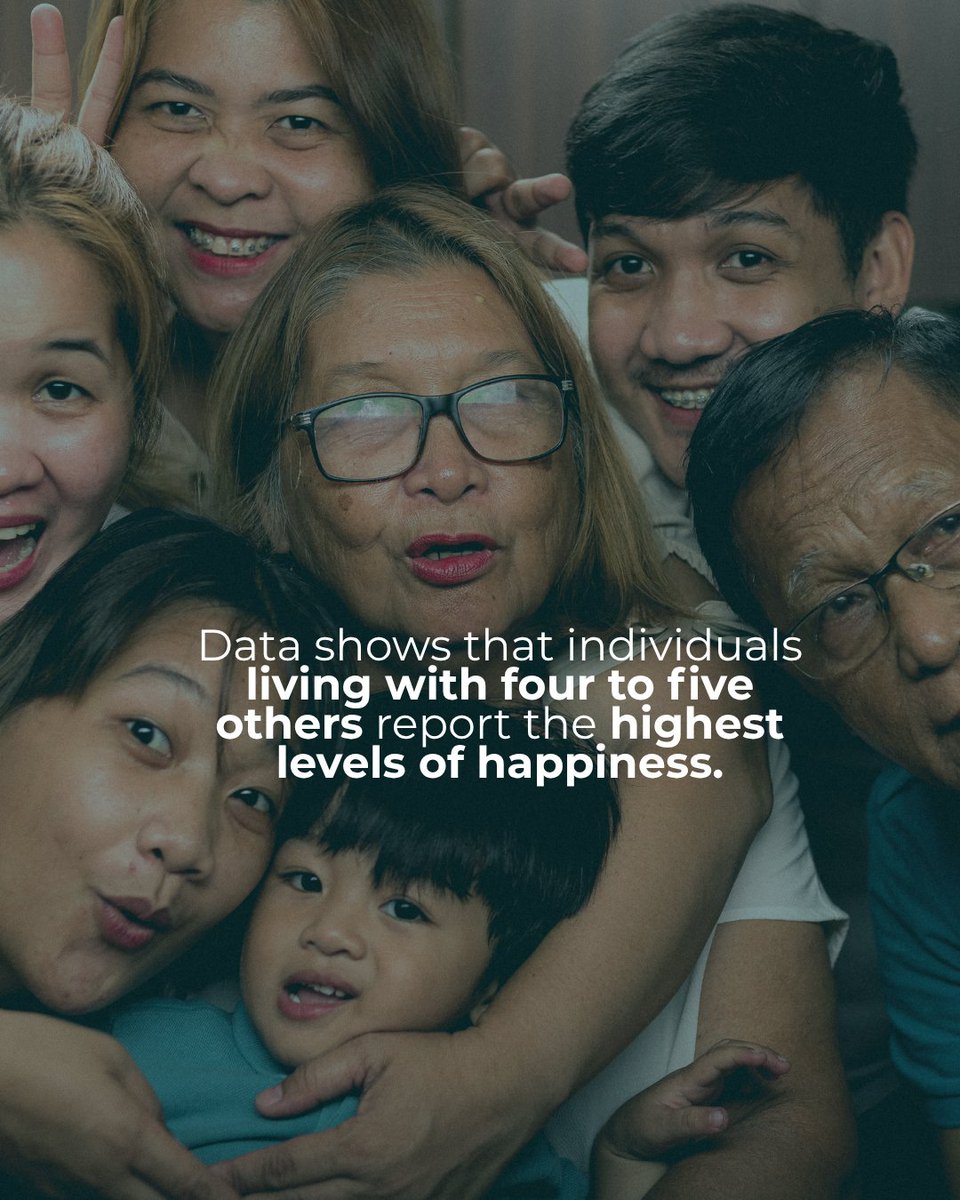
The structure of the household matters more than we think. Data shows that living with 4-5 others—especially in intergenerational or large family homes—report the highest levels of happiness.
These insights offer powerful lessons in community design
https://t.co/pJ4gDDeDc1
Loneliness isn’t just for older adults—college students are among the most at risk. According to research by Dr. Anna Finley, young adults—particularly college students—experience some of the highest spikes in loneliness.
Read more on BrainWise:
https://t.co/fK3fRNSZTe
Forget the myth of a single “happiness center”—the reality is far more complex. While pop psychology seeks to pinpoint happiness, research shows that the brain processes joy, contentment, and well-being through distributed networks.
https://t.co/H5guVqNsNS